Dog Growth on Lip: 7 Important Causes, Symptoms & Treatment Options
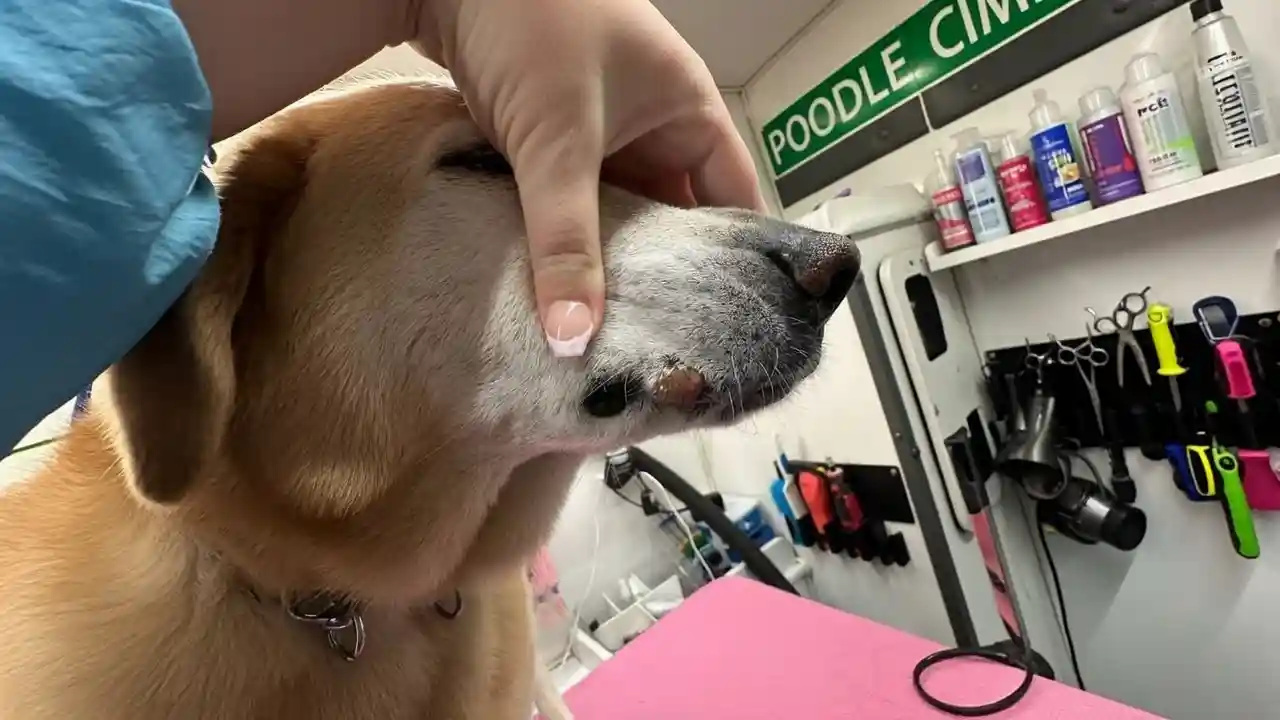
Table of Contents
Dog growth on lip can be a concerning discovery for any pet owner, often prompting immediate worry about their beloved companion’s health. These growths can range from relatively harmless, benign lesions to more serious, malignant tumors, or even be indicative of underlying infections or inflammatory conditions. The oral cavity of dogs, including the lips, gums, and surrounding mucous membranes, is susceptible to a variety of growths, making it crucial for owners to understand the potential causes, recognize the symptoms, and seek prompt veterinary attention for an accurate diagnosis and appropriate treatment. Early detection is paramount for a better prognosis, especially when dealing with potentially serious conditions.
What is a Dog Growth on Lip?
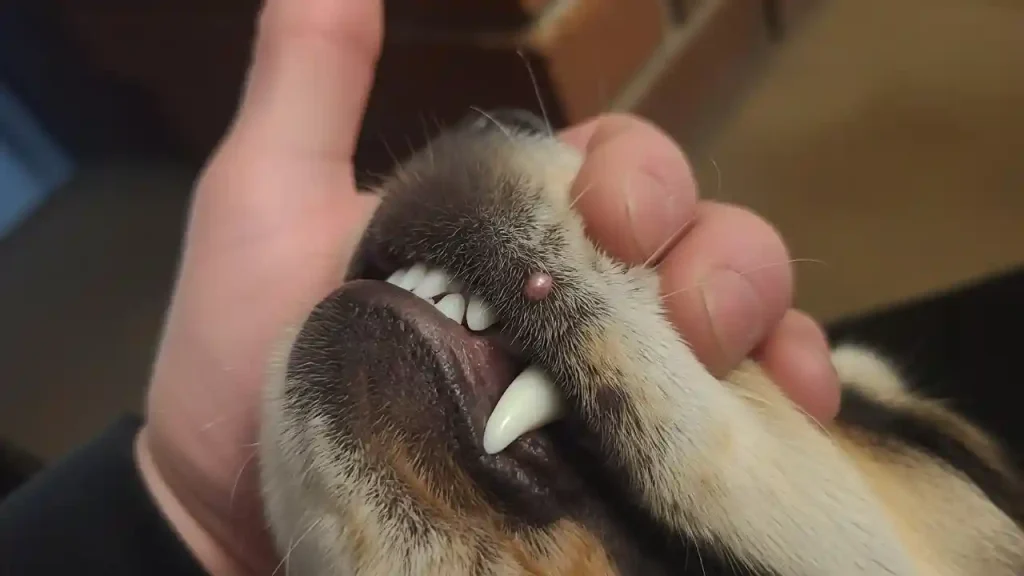
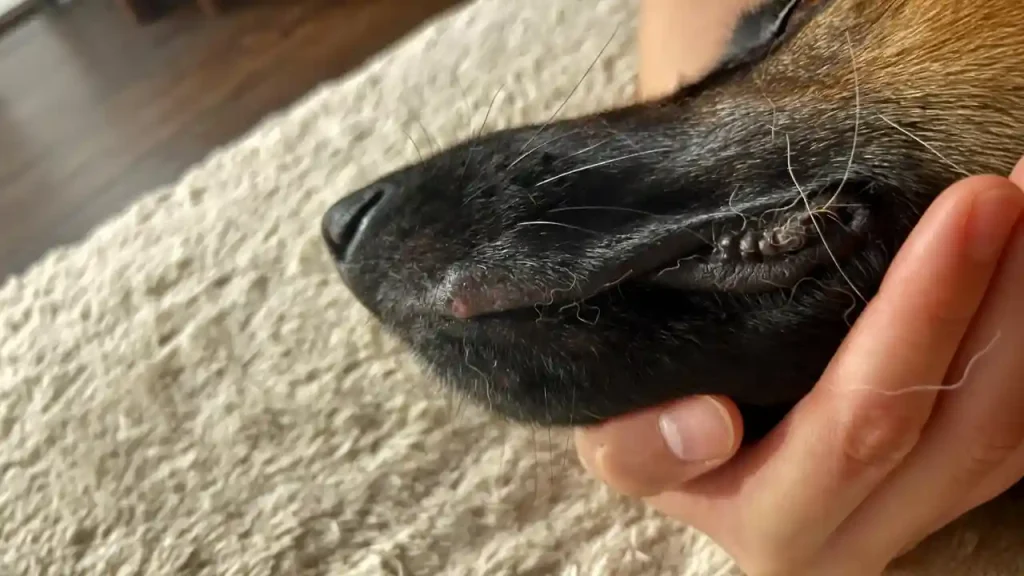
A dog growth on the lip refers to any abnormal mass, lump, or lesion that appears on or around a dog’s lips, including the mucocutaneous junctions (where skin meets mucous membrane) and the oral mucosa itself. These growths can vary significantly in appearance, size, texture, and rate of growth. Some may be small, singular, and firm, while others can be large, cauliflower-like, ulcerated, or even bleed. The location of these growths—whether on the outer lip, inner lip, or extending into the gum line—can offer initial clues but does not definitively determine their nature. Given the delicate and highly vascular nature of the lip area, any growth warrants careful examination by a veterinarian to ascertain its cause and potential implications for the dog’s overall health and comfort.
Common Causes of Lip Growths in Dogs
The etiology of lip growths in dogs is diverse, encompassing a spectrum from viral infections and benign tumors to aggressive cancers and inflammatory reactions. Understanding the common categories of these growths can help pet owners appreciate the complexity involved in diagnosis.
Benign Growths
Benign growths are non-cancerous and typically do not spread to other parts of the body, though some can be locally invasive and cause significant damage or discomfort.
- Oral Papillomas (Warts): These are among the most common benign growths, often caused by the canine papillomavirus (CPV-1). They typically appear as small, round, irregular, and often cauliflower-like or sea anemone-like growths on the lips, tongue, gums, and other oral mucous membranes. Papillomas most frequently affect young dogs (under two years old) due to their underdeveloped immune systems. While generally harmless, they can become infected, painful, or interfere with eating. In many cases, these warts regress spontaneously within 1 to 5 months as the dog’s immune system matures and develops antibodies against the virus.
- Epulides: The term “epulis” broadly refers to any tumor or growth originating from the gum tissue. Epulides are very common benign oral tumors in dogs. There are historically three main types:
- **Fibromatous Epulis:** These are firm, smooth, pink, and typically non-ulcerating masses.
- **Ossifying Epulis:** Similar to fibromatous but contain bone-like tissue.
- **Acanthomatous Ameloblastoma (formerly Acanthomatous Epulis):** While technically benign, these are locally aggressive and can invade and destroy surrounding bone and tissue, necessitating extensive surgical removal for a good prognosis. They often have a cauliflower-like appearance and are commonly found in the incisor and canine tooth areas.
- Peripheral Odontogenic Fibromas (POFs): Previously known as fibromatous epulis or ossifying epulis, these are firm masses that arise from the periodontal ligament and are common in dogs over six years old.
- Focal Fibrous Gingival Hyperplasia: This is a benign overgrowth of normal gum tissue, often resulting from chronic irritation, periodontal disease, genetic predisposition, or certain medications.
- Odontomas: These are benign tumors composed of tooth components, which may or may not resemble a tooth-like structure.
- Eosinophilic Granuloma: These can appear as rough and ulcerated plaques, sometimes on the tongue surface, though they can mimic other lesions.
Malignant Growths
Malignant tumors are cancerous and have the potential to invade surrounding tissues and metastasize (spread) to distant organs like the lymph nodes, lungs, or bones. Oral tumors are the fourth most common cancer in Dog Growth on Lip.
- Malignant Melanoma (MM): This is the most common malignant oral tumor in Dog Growth on Lip. Melanomas can be pigmented (dark) or non-pigmented (amelanotic, appearing pink or red) and may appear as raised masses, often ulcerated or necrotic. They are highly aggressive and unfortunately often metastasize early to lymph nodes and other organs.
- Squamous Cell Carcinoma (SCC): The second most common malignant oral tumor in Dog Growth on Lip. SCCs can appear as pink or red, often ulcerated, irritated masses that bleed easily and can grow very large. They are locally aggressive and can rapidly invade surrounding bone and structures, with prognosis often better for tumors located towards the front of the mouth.
- Fibrosarcoma (FSA): This is the third most common malignant oral tumor in Dog Growth on Lip. FSAs typically present as firm, fleshy masses that can be slow-growing but are locally invasive and can extend into the nasal cavity or bone. While they can metastasize, local recurrence and invasion are often greater concerns.
- Osteosarcoma: While primarily a bone cancer, it can also occur in the jaw and affect the oral region, including areas near the lips.
Infectious and Inflammatory Causes
Not all growths are tumors; some result from infections or inflammatory responses.
- Lip Fold Dermatitis: Common in breeds with prominent lip folds (e.g., Spaniels, Bulldogs), this condition occurs when moisture, food debris, and bacteria accumulate in the skin folds around the mouth. This creates a warm, moist environment conducive to bacterial overgrowth, leading to inflammation, irritation, a foul odor, and sometimes a painful bacterial skin infection (pyoderma). If left untreated, it can worsen and cause significant discomfort.
- Allergic Reactions: Sudden swelling of the lips and muzzle can be a sign of an acute allergic reaction, often to an insect bite or sting, certain foods, or environmental allergens. This swelling, known as angioedema, typically appears rapidly.
- Trauma or Injury: Physical trauma to the lip, such as from chewing on sharp objects, fights with other animals, or accidental injury, can lead to swelling, inflammation, and the formation of granulomas (masses of immune cells). Cheek chewers granuloma, for example, is a non-cancerous tissue swelling caused by self-inflicted trauma during chewing.
- Other Infections: Bacterial or fungal infections can lead to localized swelling and lesion formation. For instance, sometimes oral papillomas can become secondarily infected with bacteria, leading to pain and bad breath.
Cysts and Other Conditions
- Oral Cysts: These are fluid-filled sacs that can develop in the mouth, often associated with unerupted or impacted teeth, particularly in brachycephalic breeds. Dentigerous cysts are the most common type and can cause significant damage to surrounding bone and teeth if left untreated as they expand. Cysts are usually benign but require surgical removal.
Recognizing the Symptoms of Lip Growths
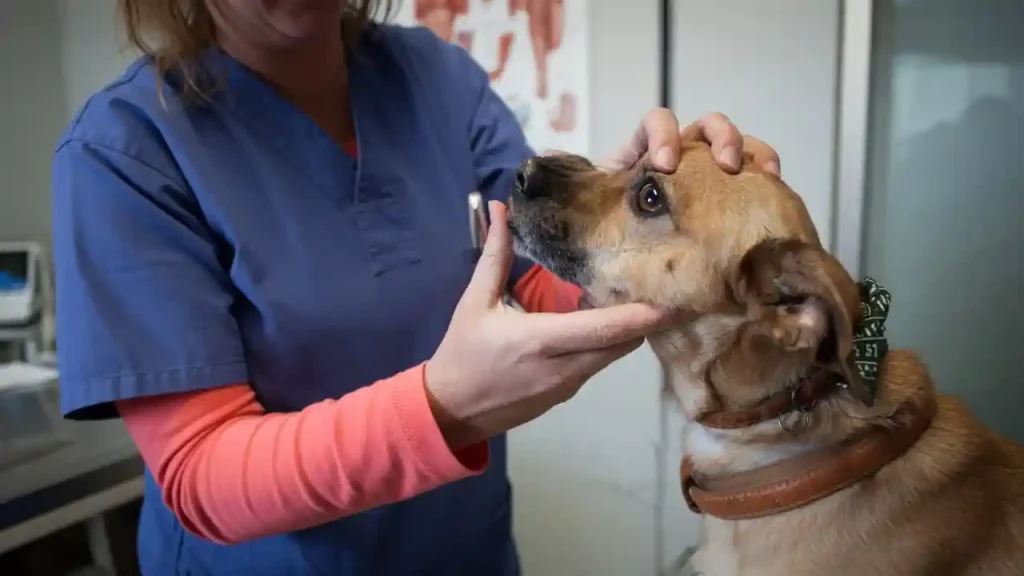
Early recognition of a lip growth and its associated symptoms is vital for timely intervention. While some growths may be obvious, others can be subtle and require careful observation. Pet owners should be vigilant for any changes in their Dog Growth on Lip oral area.
Common symptoms include:
- Visible Lump or Swelling: The most apparent sign is the presence of an abnormal mass or swelling on the lip or in the surrounding oral tissues. This could be a small bump, a large protruding mass, or even a diffused swelling. Growths can be grayish-white, flesh-colored, pink, red, or darkly pigmented.
- Changes in Appearance: The surface of the growth might be smooth, nodular, ulcerated, raw, or have a cauliflower-like texture. Ulceration can occur in both benign and malignant masses, often due to trauma from chewing.
- Bleeding or Discharge: Growths, especially malignant ones like SCC, can bleed easily. Foul-smelling discharge or blood-tinged saliva may also be present, particularly with infected growths or advanced tumors.
- Bad Breath (Halitosis): Persistent and unusually foul breath, even with good oral hygiene, is a common symptom of oral tumors, infections, or severe inflammation like lip fold dermatitis.
- Difficulty Eating or Dropping Food: Growths can interfere with prehension (picking up food), mastication (chewing), or swallowing, leading to reluctance to eat, dropping food, or chewing only on one side of the mouth.
- Excessive Drooling (Ptyalism): Increased salivation, sometimes tinged with blood, can be a sign of discomfort, pain, or difficulty swallowing due to an oral mass.
- Pain or Discomfort: Dog Growth on Lip may show signs of pain when opening their mouth, pawing at their face, being reluctant to have their mouth touched, or exhibiting changes in behavior such as lethargy or irritability.
- Facial Swelling or Asymmetry: A growth can cause visible swelling or a noticeable asymmetry on the face, indicating deeper involvement or inflammation.
- Loose Teeth: Growths that invade the bone or gums can lead to loose teeth or even tooth loss.
- Weight Loss: Chronic pain or difficulty eating can result in noticeable weight loss over time.
Any of these symptoms, especially if persistent or worsening, warrant immediate veterinary attention. Pet owners should regularly inspect their Dog Growth on Lip mouth, perhaps during tooth brushing, to catch any abnormalities early.
| Type of Growth | Common Characteristics | Typical Location | Commonly Affects | Prognosis (Untreated/Early Treated) |
|---|---|---|---|---|
| Oral Papilloma (Wart) | Cauliflower-like, irregular surface, often in clusters. | Lips, gums, tongue, oral mucous membranes. | Young Dog Growth on Lip(under 2 years), immunocompromised. | Often self-resolving (1-5 months). Good with treatment if symptomatic. |
| Epulis (Benign Gum Growth) | Firm, pink, nodular (fibromatous/ossifying) or cauliflower-like (acanthomatous). | Gumline (gingiva). | Older Dog Growth on Lip. | Good with complete surgical removal; acanthomatous can be locally destructive. |
| Malignant Melanoma (MM) | Pigmented or non-pigmented, raised, often ulcerated, firm to friable. | Gums, lips, roof of mouth, inner cheeks, tongue. | Older Dog Growth on Lip, often male, heavily pigmented membranes. | Poor due to high metastasis rate; better with early aggressive treatment. |
| Squamous Cell Carcinoma (SCC) | Pink to red, ulcerated, irritated, may appear cauliflower-like. | Gums, tongue, tonsils. | Older Dog Growth on Lip (middle to geriatric age). | Variable; better with early surgical removal, especially for rostral tumors. |
| Fibrosarcoma (FSA) | Firm, fleshy, often broad-based, locally invasive. | Soft oral tissue, maxilla, mandible. | Large breeds. | Variable; high local recurrence rate, less responsive to radiation/chemo. |
| Oral Cyst | Fluid-filled sac, can cause swelling, often associated with unerupted teeth. | Gums, jawbone, soft tissues (inner cheek). | Any Dog Growth on Lip, especially brachycephalic breeds. | Good with complete surgical removal of cyst lining. Can be destructive if untreated. |
| Lip Fold Dermatitis | Red, inflamed, moist skin folds, foul odor, discharge. | Skin folds around the mouth. | Breeds with prominent lip folds. | Good with hygiene and antibiotics; surgery for severe cases. |
Diagnosing Lip Growths: A Veterinary Approach
When a pet owner notices a growth on their Dog Growth on Lip, the first and most critical step is to schedule a visit to the veterinarian. A thorough diagnostic process is essential to determine the nature of the growth (benign or malignant), its extent, and the most effective course of treatment.
- Physical Examination: The veterinarian will perform a comprehensive physical exam, including a detailed inspection and palpation of the oral cavity and surrounding structures. This may require sedation for some Dog Growth on Lip to allow for a proper and comfortable examination. During this exam, the vet will assess the size, shape, location, texture, color, and any associated pain or ulceration of the growth. They will also check for enlarged lymph nodes, which could indicate metastasis if the growth is malignant.
- Diagnostic Imaging:
- Dental Radiographs (X-rays): X-rays are crucial for assessing bone involvement, especially for growths like epulides or malignant tumors that can invade the jawbone. They can also reveal underlying issues such as impacted teeth, which are often the cause of oral cysts.
- Computed Tomography (CT) Scans: For a more detailed, three-dimensional view of the growth and its extent, especially its invasion into surrounding tissues and bone, a CT scan is often recommended. This is particularly important for surgical planning.
- Chest X-rays/Abdominal Ultrasound: If malignancy is suspected, these imaging techniques are used to check for the spread of cancer to the lungs or abdominal organs, respectively.
- Biopsy and Histopathology: This is arguably the most definitive diagnostic step. A tissue sample from the growth is taken and sent to a veterinary pathologist for microscopic examination.
- Incisional Biopsy: When malignancy is suspected, an incisional biopsy (removing a small piece of the tumor) is often preferred to avoid compromising subsequent definitive surgery.
- Excisional Biopsy: For smaller, suspected benign lesions, the entire growth may be removed (excisional biopsy) and submitted for analysis.
- Blood Work and Urinalysis: These tests assess the Dog Growth on Lip overall health, organ function, and can help detect any systemic diseases or other conditions that might influence treatment decisions, especially before anesthesia.
- Lymph Node Aspirate/Biopsy: If regional lymph nodes are enlarged, a sample may be taken to check for the presence of metastatic cancer cells.
Early and accurate diagnosis is critical, as many oral cancers respond well to treatment if caught in their initial stages. Owners should not hesitate to seek professional veterinary advice upon discovering any new growth.
Treatment Options for Dog Lip Growths
The treatment for a dog growth on the lip depends heavily on the specific diagnosis, including whether it is benign or malignant, its size, location, and the dog’s overall health. A multi-modal approach combining different therapies is often necessary, particularly for malignant tumors.
- Observation: For certain benign conditions, particularly oral papillomas in young Dog Growth on Lip with healthy immune systems, a “wait-and-see” approach may be taken as they often resolve spontaneously within a few months. However, monitoring is crucial to ensure they don’t become symptomatic or persist.
- Surgical Removal: This is the primary and often most definitive treatment for many lip growths, both benign and malignant.
- Excisional Surgery: For most benign tumors, complete surgical excision, removing the mass and a small margin of healthy tissue, is curative.
- Aggressive Surgical Resection: For malignant tumors, a wider and more aggressive surgical margin, sometimes involving removal of part of the jaw bone (maxillectomy or mandibulectomy), may be necessary to ensure all cancerous cells are removed and prevent local recurrence. Despite the radical nature, many Dog Growth on Lip recover well from such procedures.
- Cryotherapy or Laser Ablation: Freezing (cryotherapy) or using a laser can be options for some benign growths, especially papillomas, or in cases where traditional surgery is challenging.
- Antibiotics and Anti-inflammatories: If the growth is infected (e.g., infected papillomas, lip fold dermatitis) or causes inflammation, antibiotics will be prescribed to clear the bacterial infection, and anti-inflammatory medications may be used to reduce swelling and pain.
- Advanced Therapies for Malignant Tumors:
- Radiation Therapy: This may be recommended in conjunction with surgery, especially if surgical margins are narrow, or as a standalone treatment for tumors that cannot be completely removed surgically.
- Chemotherapy: While often less effective as a sole treatment for oral cancers compared to surgery or radiation, chemotherapy can be used to manage metastatic disease or as an adjunctive therapy for certain tumor types, such as melanoma.
- Immunotherapy/Vaccines: A melanoma vaccine is available for Dog Growth on Lip with malignant melanoma and may improve prognosis and increase survival time.
- Treatment for Cysts: Oral cysts, particularly dentigerous cysts, require surgical removal of the cyst lining and often the impacted tooth causing it. Complete removal of the lining is essential to prevent recurrence. In some cases, a bone graft may be needed if significant bone loss has occurred.
- Pain Management: Regardless of the cause, managing pain is a crucial component of treatment, especially after surgery or for painful inflammatory conditions.
The best treatment plan is always individualized and developed in close consultation with a veterinarian or a veterinary oncologist. For more comprehensive information on disorders of the mouth in Dog Growth on Lip, you can consult reputable veterinary resources such as the Merck Veterinary Manual.
Prevention and Prognosis
Preventing all types of lip growths in Dog Growth on Lip can be challenging due to their varied causes, including genetic predispositions and viral infections. However, proactive measures can significantly contribute to early detection and potentially improve outcomes.
Key preventative and management strategies include:
- Regular Oral Examinations at Home: Frequently inspecting your Dog Growth on Lip mouth and lips, perhaps during routine teeth brushing, is the best way to monitor for any new lumps, bumps, or changes. Early detection makes a significant difference in treatment success, particularly for malignant tumors.
- Routine Veterinary Check-ups and Dental Care: Annual veterinary visits often include an oral examination. Professional dental cleanings allow for a thorough assessment under anesthesia, where subtle growths or issues beneath the gumline can be identified.
- Maintaining Good Hygiene: For breeds prone to lip fold dermatitis, regular cleaning and drying of lip folds can prevent bacterial infections and inflammation. Good general oral hygiene can also reduce chronic inflammation that might contribute to some growths.
- Limiting Exposure to Contagious Agents: While difficult, being aware that canine papillomavirus is contagious through direct contact (e.g., shared toys, water bowls) can help minimize exposure for young or immunocompromised Dog Growth on Lip.
- Prompt Attention to Injuries or Swelling: Any sudden facial swelling or oral injury should be evaluated by a vet to prevent complications and address potential allergic reactions or infections.
The prognosis for a dog with a lip growth varies dramatically depending on the type of growth. Benign growths, especially if completely removed, generally have an excellent prognosis. Oral papillomas in young dogs often resolve spontaneously. For malignant tumors, the prognosis is highly dependent on the tumor type, its size, location, degree of invasiveness, and whether it has metastasized at the time of diagnosis. Early diagnosis and aggressive treatment, particularly surgical removal, are the most significant factors in achieving a positive outcome and increasing survival time for cancerous growths. Even with malignant tumors, surgical removal can provide comfort and minimize pain, improving the Dog Growth on Lip quality of life. Your veterinarian will discuss the specific prognosis based on the diagnostic findings and treatment plan for your individual Dog Growth on Lip. Information on related dog health issues might provide broader context for managing your pet’s well-being.
Conclusion
Discovering a growth on your Dog Growth on Lip can be a daunting experience, but it is important to remember that not all growths are cancerous. From common viral warts to various benign tumors, inflammatory conditions, cysts, and unfortunately, malignant cancers, the range of possibilities is broad. The critical takeaway for all Dog Growth on Lip owners is the importance of vigilance and prompt veterinary intervention. Regular oral examinations at home, coupled with routine professional veterinary check-ups and managing canine skin conditions, are your best tools for early detection. An accurate diagnosis through a comprehensive physical examination, advanced imaging, and especially a biopsy, is the cornerstone of effective treatment. While prognosis varies widely depending on the type and stage of the growth, early detection and appropriate treatment offer the best chance for a successful outcome and maintaining your dog’s health and quality of life. Never hesitate to consult your veterinarian if you notice any new or unusual growth on your Dog Growth on Lip or in its mouth.