Best Dog Shampoo for Itchy Skin: 11 Top Picks to Relieve Irritation Fast (2026)
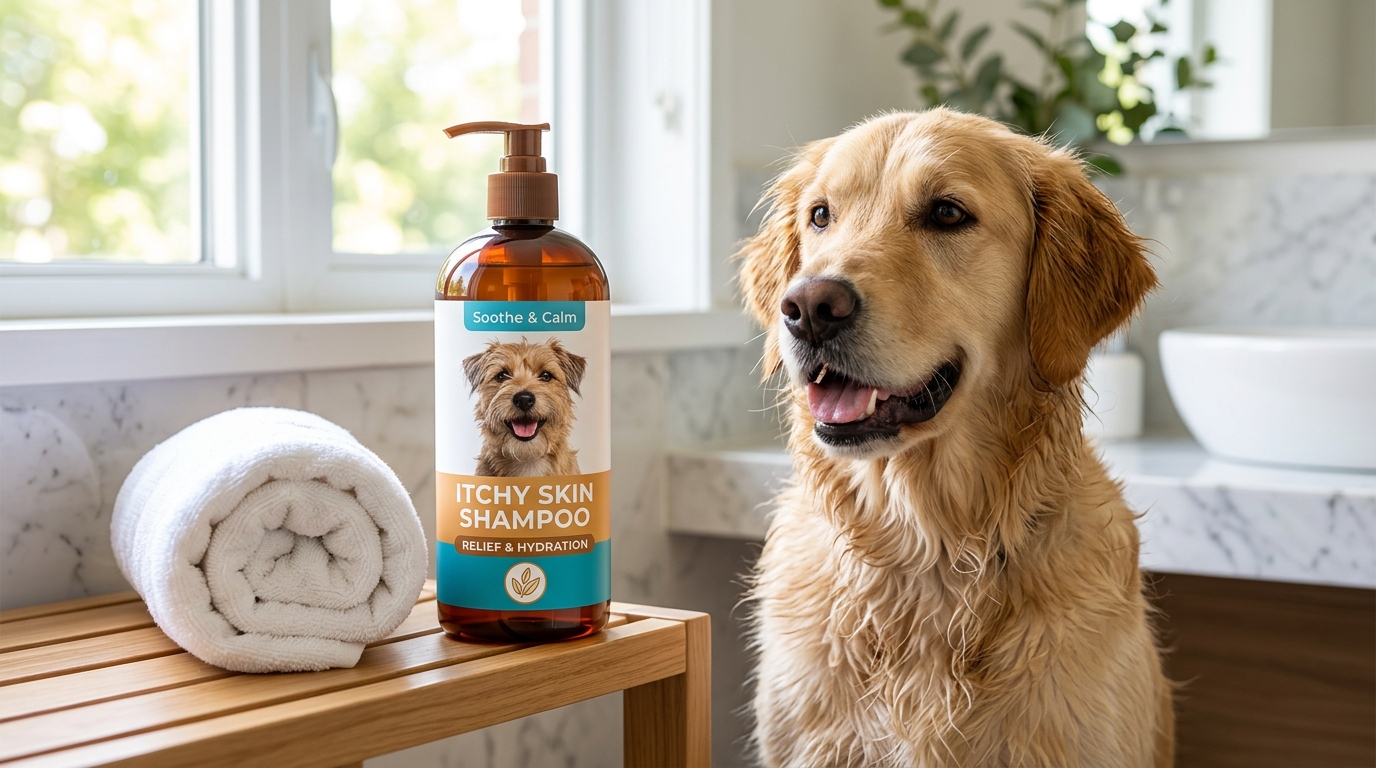
Table of Contents
Best Dog Shampoo for Itchy Skin can be a game-changer for countless canine companions suffering from the relentless discomfort of pruritus. Watching your beloved dog incessantly scratch, lick, or bite at their skin is distressing for any pet owner, and finding effective relief becomes a top priority. Itchy skin in dogs, medically known as pruritus, is one of the most common reasons pet parents seek veterinary advice. While a quick scratch is normal, persistent itching often signals an underlying issue that requires attention. This comprehensive guide will delve into the various causes of canine itchiness, highlight the beneficial and detrimental ingredients in Dog Shampoo for Itchy Skin, offer practical bathing techniques, and explore holistic strategies to help your furry friend find lasting comfort.
What Causes Dogs to Need an Itchy Skin Dog Shampoo?
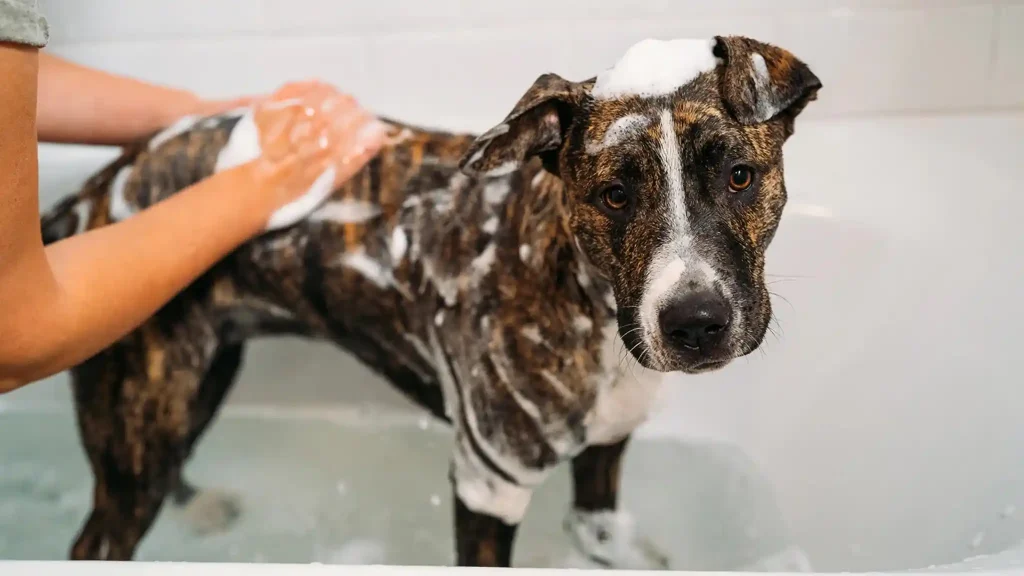
Itchy skin in dogs is a symptom, not a diagnosis, and it can stem from a wide array of factors. Identifying the root cause is crucial for effective treatment and long-term relief. Without addressing the underlying issue, even the best symptomatic treatments may only offer temporary respite. Common causes include:
- Allergies: Just like humans, dogs can suffer from various allergies that manifest as itchy skin.
- **Environmental Allergies (Atopy):** These are reactions to airborne allergens such as pollen, dust mites, and molds. Symptoms often present seasonally, but year-round exposure to indoor allergens can cause chronic itching.
- **Food Allergies:** Reactions to specific ingredients in their diet, commonly proteins like chicken, beef, or dairy, can lead to chronic itching, often affecting the ears and paws. Diagnosing food allergies typically involves an elimination diet trial under veterinary guidance.
- **Flea Allergy Dermatitis (FAD):** Even a single flea bite can trigger an intense allergic reaction in sensitive dogs, leading to severe itching.
- **Contact Dermatitis:** Less common, this occurs when a dog’s skin comes into direct contact with an irritating substance, such as certain cleaning products, chemicals, or plants.
- Parasites: Fleas, ticks, and mites (such as those causing sarcoptic or demodectic mange) are notorious for causing intense pruritus. Regular parasite prevention is essential.
- Skin Infections: Bacteria, yeast, and fungi can all cause skin infections that result in itching, redness, inflammation, and sometimes odor or hair loss. These infections often develop secondary to allergies or excessive scratching, creating a vicious cycle.
- Dry Skin (Xerosis): Environmental factors like cold weather, low humidity, or even excessive bathing with harsh shampoos can strip a dog’s skin of its natural oils, leading to dryness, flakiness, and irritation.
- Underlying Health Issues: Less commonly, conditions such as hormonal imbalances (e.g., hypothyroidism), autoimmune diseases, or nutritional deficiencies can manifest as chronic itchy skin. A veterinary diagnosis is essential in these cases.
How to Choose the Best Itchy Skin Dog Shampoo
When selecting a dog shampoo for itchy skin, the ingredient list is your most important tool. Look for formulations that are specifically designed to soothe, hydrate, and heal irritated skin without causing further sensitivity. Here are some of the most beneficial ingredients:
- Colloidal Oatmeal: Widely recognized as a “gold standard” for soothing itchy skin, colloidal oatmeal is finely ground oat grain that disperses evenly in water. It contains compounds called avenanthramides, which have strong anti-inflammatory and anti-itch properties. Colloidal oatmeal also forms a protective barrier on the skin, locking in moisture and reducing redness and irritation. The FDA recognizes colloidal oatmeal as a skin protectant.
- Aloe Vera: Known for its cooling and moisturizing properties, aloe vera gel can calm redness and reduce inflammation, providing immediate soothing relief for inflamed skin.
- Pramoxine Hydrochloride & Lidocaine: These are topical anesthetics that provide fast-acting, temporary relief from itching and discomfort by numbing the affected skin. They are often found in medicated or anti-itch shampoos.
- Chlorhexidine, Ketoconazole, and Miconazole: For dogs with suspected or diagnosed bacterial, yeast, or fungal infections, medicated shampoos containing these active ingredients are crucial. However, these should generally be used under veterinary guidance to ensure they are appropriate for your dog’s specific condition.
- Natural Oils & Butters (Coconut Oil, Jojoba Oil, Shea Butter, Vitamin E): These ingredients are excellent for moisturizing dry, flaky skin and nourishing the coat. Coconut oil, in particular, has anti-inflammatory and antimicrobial properties, and its high viscosity can help create a natural barrier on the skin. Vitamin E promotes skin healing and reduces irritation.
- Chamomile & Calendula Extracts: These botanical extracts are known for their gentle anti-inflammatory and healing properties, which can help calm irritated skin.
- Ceramides & Phytosphingosine: These lipid compounds are vital for repairing and strengthening the skin’s natural barrier, which is often compromised in dogs with itchy or sensitive skin.
Ingredients to Look for Dog Shampoo for Itchy Skin
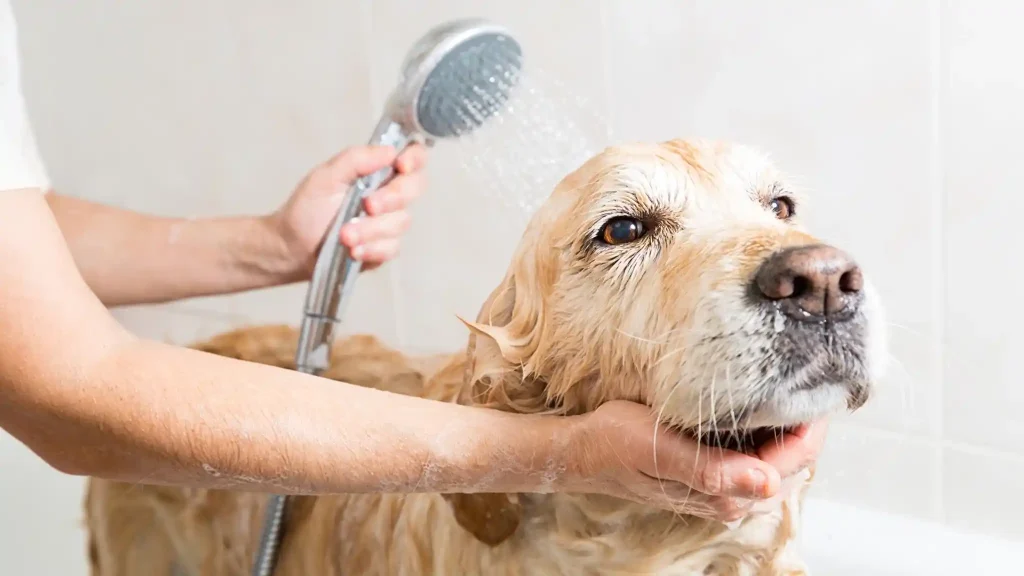
Just as important as knowing what to look for is understanding what to avoid. Many common shampoo ingredients can exacerbate existing skin conditions or trigger new irritations, particularly in dogs with sensitive skin. Their skin pH is more alkaline and thinner than human skin, making them more vulnerable to harsh chemicals. Always opt for dog-specific formulations and scrutinize the label carefully.
- Sulfates (e.g., Sodium Lauryl Sulfate (SLS), Sodium Laureth Sulfate (SLES), Ammonium Lauryl Sulfate): These are harsh foaming agents that can strip the skin of its natural protective oils, leading to dryness, irritation, and a compromised skin barrier, making itching worse. They have also been linked to cataracts in dogs.
- Parabens (e.g., Methylparaben, Propylparaben, Butylparaben): Used as preservatives, parabens are synthetic compounds linked to hormone disruption and can trigger allergic reactions.
- Artificial Colors and Fragrances: While a pleasant scent might be appealing to pet owners, synthetic fragrances and dyes are common culprits for allergic reactions and skin irritation in dogs. Many contain undisclosed chemicals that can provoke allergies.
- Formaldehyde and Formaldehyde-Releasing Preservatives (e.g., DMDM Hydantoin, Quaternium-15, Imidazolidinyl Urea, Diazolidinyl Urea): These are known carcinogens and contact allergens that can cause burning, itching, blistering, and skin scaling.
- Isothiazolinones (e.g., Methylisothiazolinone (MI), Methylchloroisothiazolinone (MCI)): Potent preservatives that are major inducers of allergic contact dermatitis, causing severe allergic skin reactions even at low concentrations.
- Alcohol (e.g., Isopropyl Alcohol): Alcohols are drying agents that can increase skin permeability and irritation, especially on already compromised skin.
- Phthalates: Often used to stabilize fragrances, phthalates are endocrine disruptors and can cause reproductive issues.
- Mineral Oil, Polyethylene Glycol (PEG), Propylene Glycol: These ingredients can clog pores, strip natural oils, and cause irritation.
- Cocamide MEA/DEA: Synthetic foam enhancers that may irritate skin and can be toxic if inhaled.
Ingredients to Avoid Dog Shampoo for Itchy Skin
Choosing the “best” shampoo often depends on the specific cause and severity of your dog’s itching. However, certain types of shampoos consistently stand out for their ability to provide relief. It’s always advisable to consult with your veterinarian before introducing new medicated shampoos, especially for severe or chronic conditions. The table below outlines general categories of effective shampoos for itchy skin, highlighting their primary benefits and key ingredients.
| Shampoo Type | Primary Benefit | Key Ingredients to Look For | Best For |
|---|---|---|---|
| Soothing & Hydrating | Reduces immediate itch, moisturizes dry skin | Colloidal Oatmeal, Aloe Vera, Vitamin E, Coconut Oil, Jojoba Oil, Chamomile | Mild dry skin, seasonal allergies, general sensitivity |
| Hypoallergenic/Sensitive Skin | Minimizes irritation, cleanses gently without harsh chemicals | Soap-free, fragrance-free, dye-free, plant-based surfactants, Ceramides | Allergies, sensitive pups prone to reactions to irritants |
| Medicated (Anti-Bacterial/Anti-Fungal) | Treats infections causing itch, reduces odor | Chlorhexidine, Ketoconazole, Miconazole, Coal Tar, Salicylic Acid, Micronized Sulfur | Bacterial, yeast, or fungal infections (use under vet guidance) |
| Anti-Parasitic (Flea & Tick) | Eliminates external parasites causing intense itch | Pyrethrins, Permethrins (use caution, specific for dogs only), natural repellents (e.g., D’limonene, Tea Tree Oil – in low concentration) | Flea or tick infestations (often used in conjunction with other treatments) |
| Topical Anesthetic | Provides rapid, temporary relief from intense itching | Pramoxine Hydrochloride, Lidocaine | Acute, localized itchiness; can be combined with other soothing agents |
Many shampoos combine these beneficial ingredients to offer multi-pronged relief. For example, many effective anti-itch shampoos feature colloidal oatmeal and aloe vera for their synergistic soothing and hydrating effects. Veterinary brands like Elanco, Virbac, and Vet’s Best often formulate products with scientifically backed ingredients to target specific skin issues, from general itch relief to medicated solutions for infections. Always ensure any shampoo you choose is pH-balanced for dogs to maintain skin health.
Best Itchy Skin Dog Shampoo: Top 10 Picks for 2026
The way you bathe your itchy dog is almost as important as the shampoo you choose. Proper bathing techniques can maximize relief and prevent further irritation. Follow these steps for an effective and soothing bath:
- Brush Thoroughly Before Bathing: Before your Dog Shampoo for Itchy Skin gets wet, gently brush their coat to remove loose fur, tangles, and surface debris. This helps the shampoo penetrate to the skin more effectively and prevents matting, which can trap irritants.
- Use Lukewarm Water: Water that is too hot can dry out and irritate sensitive skin, while cold water can be uncomfortable. Aim for a comfortable, lukewarm temperature (between 70 and 95 degrees Fahrenheit) to avoid further irritation and stress.
- Wet the Coat Completely: Slowly wet your dog’s coat, starting from the back and working your way down to the belly and legs. Ensure the entire coat is saturated.
- Lather Gently: Apply a suitable amount of shampoo and massage it into the coat and skin using your fingertips, not your nails. Focus on areas that are particularly itchy or irritated, working the lather gently to lift allergens and debris. A soft dog-friendly silicone scrubber can aid in distribution and circulation.
- Allow Contact Time: Many therapeutic or medicated shampoos require a “contact time” of 5 to 10 minutes to allow the active ingredients to work effectively. Read the product instructions carefully and distract your Dog Shampoo for Itchy Skinwith treats or gentle praise during this period.
- Rinse Thoroughly: This is a critical step! Leftover shampoo residue is a major cause of post-bath itchiness. Rinse until the water runs completely clear, paying extra attention to areas like the armpits, groin, and between paw pads. Ensure no shampoo remains in skin folds or dense fur.
- Pat Dry, Don’t Rub: Use a soft, absorbent towel to gently pat your dog dry. Vigorous rubbing can further irritate sensitive skin. If using a hairdryer, set it to a low heat and speed, maintaining a safe distance from their skin. Allow your Dog Shampoo for Itchy Skinto air dry in a warm, draft-free area if possible.
- Bathing Frequency: While over-bathing with harsh shampoos can be detrimental, regular bathing with a gentle, appropriate shampoo can actually be beneficial for itchy dogs by removing allergens and soothing the skin. Your veterinarian can recommend the ideal bathing frequency for your dog’s specific condition.
How to Use an Itchy Skin Dog Shampoo for the Best Results
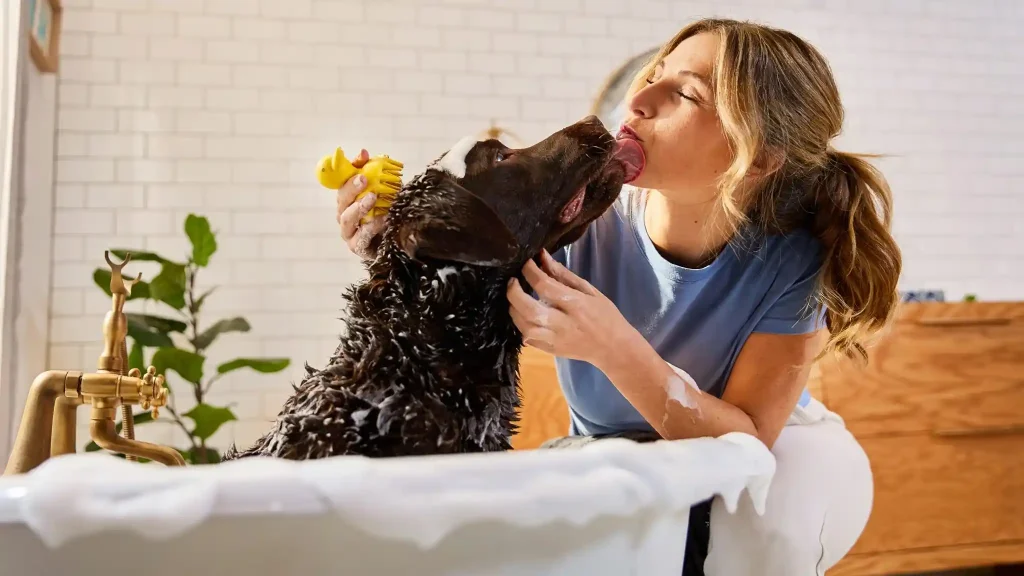
While an appropriate dog shampooDog Shampoo for Itchy Skin is a powerful tool, managing itchy skin often requires a multi-faceted approach. Integrating holistic strategies can provide comprehensive relief and support overall skin health.
- Dietary Adjustments: A balanced, high-quality diet is fundamental for healthy skin and coat. Consider foods rich in Omega-3 fatty acids, such as fish oil, which possess anti-inflammatory properties that can improve skin barrier function and reduce itching. If food allergies are suspected, working with your vet on an elimination diet is crucial.
- Environmental Allergen Control: For dogs with environmental allergies, minimizing exposure to triggers can make a big difference. This includes regularly vacuuming, washing pet bedding, and wiping down your dog’s paws and belly with a damp cloth or specialized wipe after outdoor excursions to remove pollen and other allergens.
- Supplements: Beyond dietary changes, specific supplements can support skin health. Omega-3 fatty acid supplements are highly recommended for their anti-inflammatory benefits. Probiotics can support gut health, which is increasingly linked to overall immune function and skin health.
- Regular Grooming: Consistent brushing helps distribute natural oils, remove loose fur and dander, and can prevent mats that trap dirt and moisture against the skin. For dogs with sensitive skin, use a soft brush to avoid irritation.
- Topical Sprays and Conditioners: Between baths, anti-itch sprays or leave-in conditioners containing soothing ingredients like aloe vera, hydrocortisone (for short-term use under vet guidance), or colloidal oatmeal can provide targeted relief.
- Parasite Prevention: Maintaining a year-round, veterinarian-recommended flea, tick, and heartworm prevention program is non-negotiable, especially for dogs with flea allergy dermatitis.
For more detailed information on canine pruritus and its management, a reputable resource like the Merck Veterinary Manual offers extensive insights into the various causes and treatments.
When to Consult Your Veterinarian
While specialized shampoos and home care can provide significant relief, it’s vital to know when to seek professional veterinary attention. Persistent itching can indicate a serious underlying condition that requires medical diagnosis and treatment. You should consult your veterinarian if:
- Your dog’s itching is severe, causing them significant distress, or interfering with their sleep and daily activities.
- You notice widespread redness, inflammation, scabs, open sores, hair loss, or a foul odor emanating from their skin.
- The itching does not improve or worsens despite using an appropriate shampoo and home remedies.
- Your Dog Shampoo for Itchy Skin develops new symptoms like lethargy, loss of appetite, or changes in behavior.
- You suspect a parasitic infestation, especially if over-the-counter solutions are ineffective.
- You believe food allergies or an underlying systemic disease might be the cause.
A veterinarian can perform diagnostic tests, such as skin scrapings, fungal cultures, or allergy tests, to pinpoint the exact cause of the itching. They can then recommend a tailored treatment plan, which may include prescription medications (oral or topical), medicated shampoos, or dietary changes. Early diagnosis and intervention can prevent minor issues from escalating into chronic and painful conditions.
Conclusion
Finding the best dog shampoo for itchy skin is a crucial step toward restoring your canine companion’s comfort and quality of life. By understanding the diverse causes of pruritus, carefully selecting shampoos with beneficial, gentle ingredients, and avoiding harsh chemicals, you can provide immediate relief. Coupled with proper bathing techniques and a holistic approach to skin health that includes diet, environmental control, and regular grooming, you can significantly reduce your dog’s discomfort. Remember, persistent or severe itching warrants a visit to your veterinarian, as professional diagnosis and treatment are often necessary to uncover and address the root cause. With patience, diligence, and the right approach, you can help your beloved Dog Shampoo for Itchy Skin enjoy healthier, itch-free skin and a happier life.
One Comment