New Puppy: 7 Easy Tips to Introduce Your Puppy to an Older Dog Safely
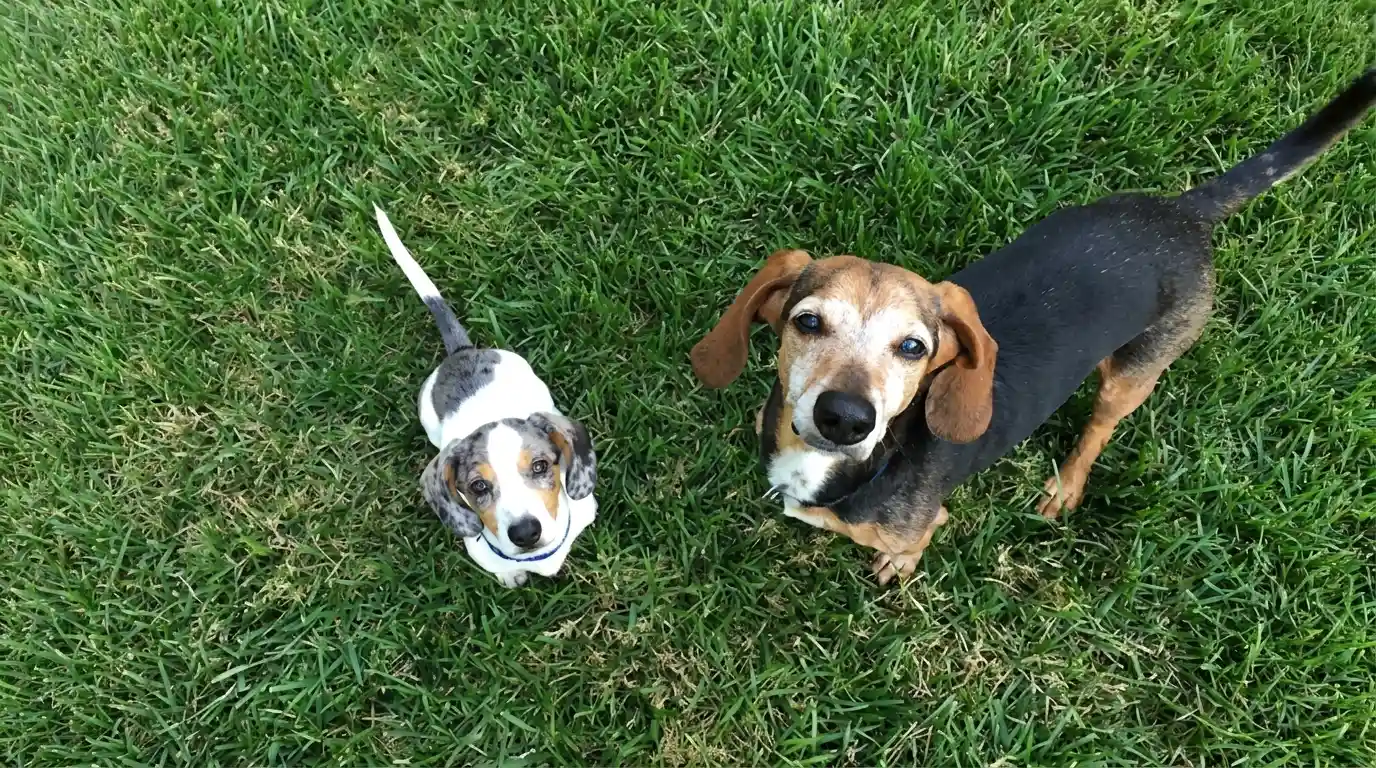
Table of Contents
Introducing a new puppy to an older dog can be a rewarding yet challenging task. The integration of a new puppy with an already established senior dog in a household is a unique challenge. The key to a harmonious coexistence lies in patience, consistent management, and protecting the senior from the often boisterous newcomer. While it can be a fountain of youth for the older dog, it can also become exhausting if the puppy overwhelms or annoys the senior. Good preparation and understanding the needs of both dogs are essential to ensure a stress-free adjustment. Introducing a new puppy to an older dog is the key to a peaceful multi-dog household.
The Art of Introducing a New Puppy to an Older Dog
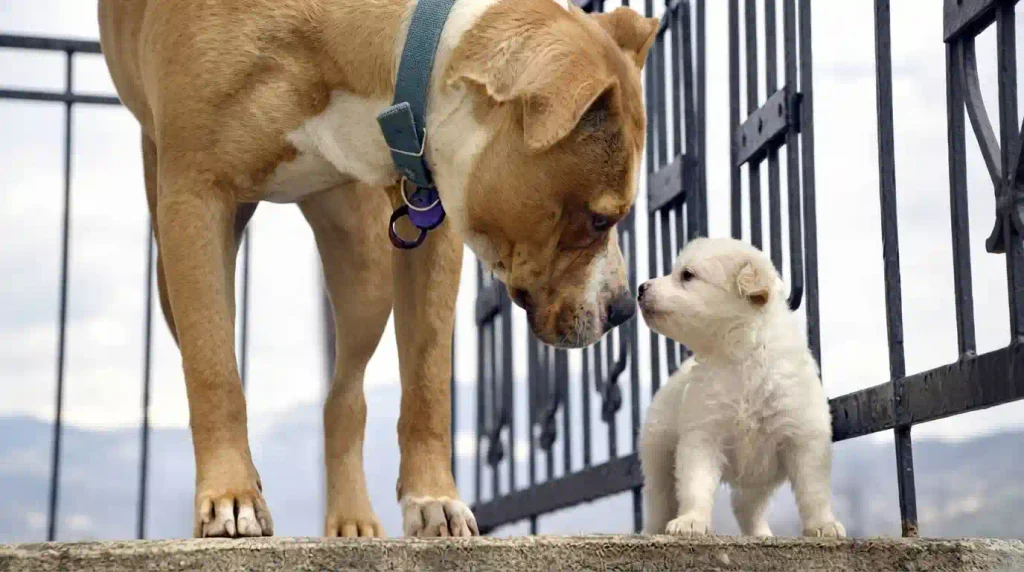
The first meeting between a new puppy and an older dog sets the tone for their future relationship. A successful introducing a new puppy to an older dog process is not about forcing friendship, but about promoting acceptance and mutual respect. The goal when introducing a new puppy to an older dog is to create positive associations and minimize stress for all involved. This delicate process of introducing a new puppy to an older dog requires a gradual approach.
Preparation is Key When Introducing a New Puppy to an Older Dog
Before the puppy even arrives home, several preparatory steps can significantly ease the transition when introducing a new puppy to an older dog. Scent swapping is an excellent first step when introducing a new puppy to an older dog. Bring a blanket or towel that carries the puppy’s scent and let your older dog sniff it. This allows the senior dog to become familiar with the newcomer’s smell before they ever meet face to face, reducing the shock of the first encounter when introducing a new puppy to an older dog.
Preparing Feeding Stations and Sleeping Areas
Prepare separate feeding stations to prevent resource guarding, set up individual sleeping areas where each dog can rest undisturbed, and have separate toy collections ready to avoid competition. When introducing a new puppy to an older dog, it’s also helpful to puppy-proof your home, removing anything that could be dangerous or that your older dog values highly and might guard.
Considering Your Senior Dog’s Health
Consider your senior dog’s health and mobility when introducing a new puppy to an older dog. An older dog with arthritis or other health issues may not be able to handle a rambunctious puppy’s play style. Plan to provide your senior dog with easy access to their favorite resting spots, and consider using baby gates to create areas where the puppy cannot follow. This thoughtful preparation when introducing a new puppy to an older dog ensures that your senior dog can still enjoy their usual comforts without being constantly disturbed.
The First Meeting on Neutral Ground When Introducing a New Puppy to an Older Dog
The very first physical encounter when introducing a new puppy to an older dog should always take place on neutral territory. A park, a quiet street, or a friend’s fenced yard can serve as the location for introducing a new puppy to an older dog. This is crucial because it prevents the older dog from feeling territorial and defensive, which could lead to aggressive behavior. Both dogs should be on leashes when introducing a new puppy to an older dog, with each dog being handled by a calm, confident person.
Walking Techniques for Introducing a New Puppy to an Older Dog
Begin by walking the dogs parallel to each other when introducing a new puppy to an older dog, maintaining a distance that keeps both dogs comfortable. Introducing a new puppy to an older dog should start with short, positive encounters that don’t overwhelm either animal. Walk parallel at a distance where both dogs can see each other but are not reacting negatively. Gradually decrease the distance as both dogs remain calm, allowing brief sniffing opportunities if both seem comfortable.
Ending the First Meeting on a Positive Note
It’s important to end the session on a positive note when introducing a new puppy to an older dog, before any signs of stress or tension appear. This might mean keeping the first meeting very short, perhaps just five to ten minutes. The goal when introducing a new puppy to an older dog is to create a positive first impression that both dogs will remember.
Reading Body Language During the First Meeting
During the first meeting when introducing a new puppy to an older dog, pay close attention to the body language of both animals. A relaxed posture, loose wagging tail, and soft eyes indicate comfort. Stiff posture, tucked tail, raised hackles, or intense staring are warning signs that one or both dogs are uncomfortable. If you notice these signs when introducing a new puppy to an older dog, create more distance and give both dogs time to calm down. Remember, you can always try again when introducing a new puppy to an older dog; it’s better to have multiple short, positive meetings than one long, stressful encounter.
Supervised Interactions and Gradual Integration When Introducing a New Puppy to an Older Dog
Once the first neutral meeting when introducing a new puppy to an older dog goes well, subsequent encounters can happen at home, but always under strict supervision. Keep these first encounters when introducing a new puppy to an older dog short and positive, gradually increasing the duration as both dogs become more comfortable. Reward calm behavior of both dogs when introducing a new puppy to an older dog with treats and praise, creating positive associations with each other’s presence. Introducing a new puppy to an older dog requires gradually longer encounters as trust builds between the two animals.
Using Baby Gates for Controlled Exposure
When introducing a new puppy to an older dog at home, consider using baby gates or exercise pens to allow the dogs to see each other without direct contact. This controlled exposure is an excellent way to continue introducing a new puppy to an older dog without risking conflict. Let the dogs sniff each other through the gate, and reward calm behavior with treats. This step in introducing a new puppy to an older dog helps both dogs become accustomed to sharing space without the pressure of direct interaction.
Signs of Success When Introducing a New Puppy to an Older Dog
Look for signs of success when introducing a new puppy to an older dog, such as relaxed body language, curiosity without fear, willingness to be near each other, and play bowing with gentle interactions. These positive indicators suggest that your efforts at introducing a new puppy to an older dog are working. As the dogs become more comfortable, you can allow brief, supervised interactions without barriers, always ready to intervene if necessary. The process of introducing a new puppy to an older dog may take days, weeks, or even months, depending on the personalities of the dogs involved.
Understanding the Senior Dog’s Perspective When Introducing a New Puppy to an Older Dog
When introducing a new puppy to an older dog, it is crucial to consider the experience from the senior dog’s perspective. For him, a new, energetic, and often loud intruder has entered his established territory and routine. His reaction when introducing a new puppy to an older dog depends on various factors, including his previous experiences, temperament, energy levels, and health status.
Factors Affecting the Senior Dog’s Response
A senior dog who has successfully lived with other dogs may adapt more easily when introducing a new puppy to an older dog, while a dog who has always been an only pet may struggle more with the adjustment. A calm and tolerant dog will likely cope better when introducing a new puppy to an older dog than a dog who is easily stressed or reactive. The energy levels of the senior dog play a significant role when introducing a new puppy to an older dog; a high-energy senior may enjoy the puppy’s enthusiasm, while a low-energy dog may find it exhausting. Physical limitations can affect how a senior responds when introducing a new puppy to an older dog; dogs with arthritis, vision problems, or other health issues may be less tolerant of a bouncy puppy.
Recognizing Your Senior Dog’s Temperament
When introducing a new puppy to an older dog, consider your senior dog’s individual personality. Some older dogs naturally take on a mentoring role with puppies, gently correcting them and teaching them appropriate behavior. Others may be less patient and require more careful management. Understanding your senior dog’s temperament is essential when introducing a new puppy to an older dog, as it will guide your approach and expectations.
Recognizing Stress Signals When Introducing a New Puppy to an Older Dog
It is important to be an observant watcher of your senior dog’s body language when introducing a new puppy to an older dog. Subtle cues may indicate stress or discomfort that could escalate into conflict if ignored. Watch for signs when introducing a new puppy to an older dog such as lip licking, yawning (when not tired), turning the head away, or avoiding eye contact. These are calming signals that your dog is trying to diffuse tension.
Warning Signs to Watch For
Introducing a new puppy to an older dog requires recognizing and respecting these signals, giving your senior dog space when they indicate they need it. Additional warning signs when introducing a new puppy to an older dog include stiff body posture, which indicates tension and potential aggression. Whale eye, showing the whites of the eyes, is a clear sign of stress. Growling or snarling are vocal warnings that the senior dog is uncomfortable. Snapping or air snaps are more serious warnings that a bite may follow if the puppy doesn’t back off. Hiding or avoiding the puppy indicates that the senior dog needs a break. Loss of appetite or changes in behavior are more subtle signs that the stress of introducing a new puppy to an older dog is affecting your senior dog’s well-being.
Prioritizing the Senior Dog’s Needs When Introducing a New Puppy to an Older Dog
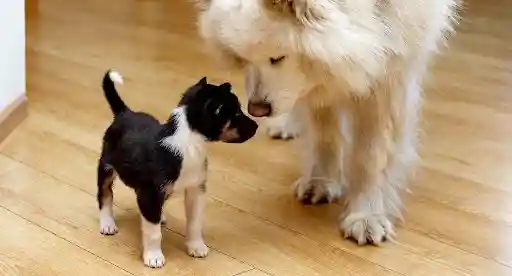
Throughout the process of introducing a new puppy to an older dog, ensure that your senior dog feels valued and secure. Continue to give him plenty of attention and alone time without the puppy. Introducing a new puppy to an older dog works better when the senior does not feel neglected or replaced.
Maintaining Routine and Providing Individual Attention
Maintain their routine as much as possible, providing stability during a period of change. Provide one-on-one time daily, even if it’s just a few minutes of focused attention and affection. Offer a safe retreat space where the senior dog can escape the puppy’s presence. Continue favorite activities that your senior dog enjoys. Give extra affection and reassurance, especially during the early stages of introducing a new puppy to an older dog.
Keeping the Senior Dog as the Priority
Your senior dog should still be the priority when introducing a new puppy to an older dog. This means the senior gets fed first, gets attention first, and gets the best sleeping spots. While this might seem unfair to the puppy, it’s essential for maintaining harmony when introducing a new puppy to an older dog. The senior dog needs to know that their status in the household hasn’t diminished, which will actually make them more tolerant of the newcomer.
Maintaining Health Care Routine
When introducing a new puppy to an older dog, don’t forget to maintain your senior dog’s health care routine. Continue regular veterinary check-ups, maintain appropriate pain management for conditions like arthritis, and ensure your senior dog gets the exercise they need. A comfortable, healthy senior dog will be much more tolerant of a new puppy than one who is in pain or discomfort.
For a comprehensive guide to general dog care at home, we recommend our guide How to Groom a Dog at Home – Step by Step . There you will find more valuable information that can help you with introducing a new puppy to an older dog.
Jealousy and Attention-Seeking Behavior
Your senior dog might display jealousy when introducing a new puppy to an older dog, pushing between you and the puppy, demanding attention, or even exhibiting house soiling or destructive behavior. This is normal and should be addressed with patience. Continue to give your senior dog plenty of individual attention when introducing a new puppy to an older dog, and avoid constantly prioritizing the puppy.
| Aspect of Introduction | Do’s | Don’ts |
|---|---|---|
| Preparation | Scent swapping before meeting; set up separate resources. | Bring puppy home without scent introduction; expect senior to share everything immediately. |
| First Meeting | Neutral territory, on-leash, relaxed body language, brief. | Own territory, off-leash, forced nose-to-nose contact, prolonged interaction. |
| At Home | Supervised, short sessions, separate feeding/sleeping areas. | Unsupervised, long sessions, allowing puppy to constantly bother senior. |
| Senior’s Needs | Maintain routine, individual attention, provide safe retreat. | Neglect routine, ignore stress signals, force interaction. |
| Puppy Behavior | Train bite inhibition, redirect nipping, crate training for breaks. | Allow puppy to freely jump/ nip, use senior as chew toy. |
| General Approach | Patience, positive reinforcement, observe body language. | Rush the process, punish growling (it’s a warning, not aggression), ignore subtle cues. |
The Role of Mental Stimulation When Introducing a New Puppy to an Older Dog
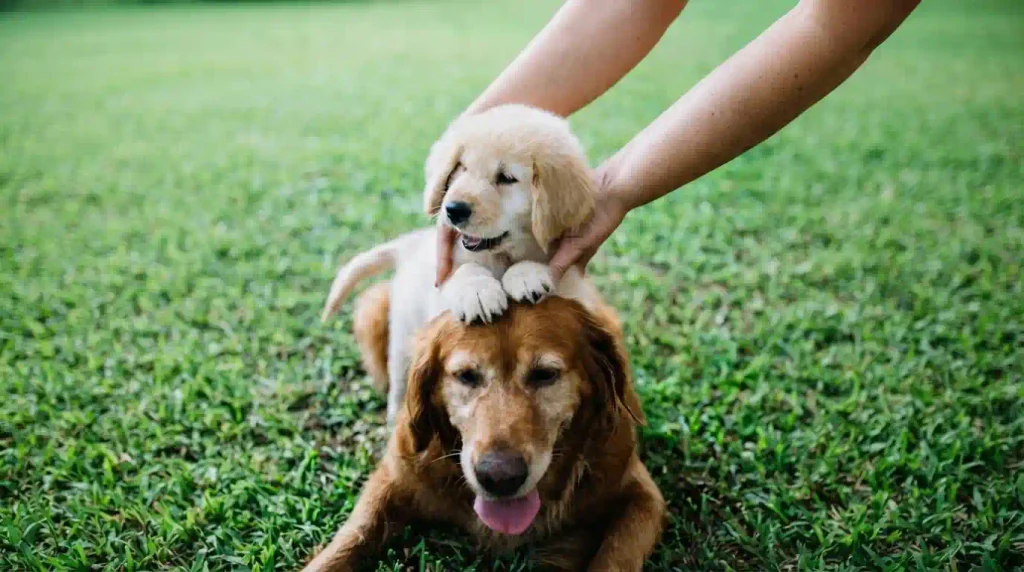
In addition to introducing a new puppy to an older dog, mental stimulation is crucial for the well-being of all dogs. Dogs need mental engagement to live fulfilled and healthy lives. Introducing a new puppy to an older dog is just one part of the equation for a happy multi-dog household.
Beyond Physical Exercise: The Role of the Brain
Physical exercise helps burn excess energy, but it does little to promote a dog’s natural problem-solving abilities. A dog needs regular “brain workouts.” Introducing a new puppy to an older dog can be supported through shared mental activities that engage both dogs in a positive way.
Consequences of Insufficient Mental Stimulation
When a dog’s mental needs are not met, they often find their own ways to entertain themselves. This can lead to destructive behavior, excessive barking, and other problems. Introducing a new puppy to an older dog works better with mentally stimulated dogs who are content and fulfilled. Observing your dog’s behavior can help you recognize if their mental needs are being neglected. Introducing a new puppy to an older dog is easier when both dogs are mentally fulfilled and less likely to seek entertainment through undesirable behaviors.
Signs Your Dog Needs More Mental Stimulation
Destructive chewing is a classic indicator of boredom. A dog that barks excessively may be seeking attention or expressing frustration. If your dog paces aimlessly, it may indicate unused mental energy. Repetitive or obsessive behaviors can develop when a dog is under-stimulated. Some dogs become withdrawn or lethargic when their mind is not challenged enough. A dog that has difficulty concentrating may be mentally under-stimulated. Addressing these issues is important when introducing a new puppy to an older dog, as bored dogs are more likely to engage in conflict with each other.
For dogs with sensitive skin, we recommend our article Best Dog Shampoo for Itchy Skin – The Right Choice . Proper care is also important for introducing a new puppy to an older dog.
Training Sessions as Bonding Opportunities
Training sessions are particularly useful when introducing a new puppy to an older dog. Teaching the puppy basic commands like “sit,” “stay,” and “leave it” will help you manage their behavior around the senior dog. Teaching the senior dog to “watch me” can help you redirect their attention when they become stressed. These training sessions when introducing a new puppy to an older dog should always be positive and reward-based, creating a fun experience that both dogs can enjoy.
For long-haired breeds, we have a special guide: Best Drying Technique for Long-Haired Dogs . Proper care is also important for introducing a new puppy to an older dog.
Conclusion: Introducing a New Puppy to an Older Dog – Success Through Patience
Introducing a new puppy to an older dog is a journey that requires patience, attentive observation, and consistent effort. By understanding the needs of both animals, providing a structured and positive introduction, and being prepared to address common challenges, you can foster a loving and respectful relationship between your dogs. Introducing a new puppy to an older dog is a rewarding task that brings joy and companionship to your entire household. Successfully introducing a new puppy to an older dog strengthens the bond in your family and creates a multi-dog household that functions harmoniously.
A Rewarding Journey
With patience and love, introducing a new puppy to an older dog will succeed. Introducing a new puppy to an older dog is a task that is worth it, creating a harmonious community of canine companions. Introducing a new puppy to an older dog is the key to a peaceful home where all members, both two-legged and four-legged, can thrive. With the right approach, introducing a new puppy to an older dog becomes a positive experience for everyone, creating memories and bonds that will last a lifetime.
For comprehensive information on dog health, read our article Dog Dental Care at Home – A Comprehensive Guide . Regular care and proper introducing a new puppy to an older dog techniques are important building blocks for your dogs’ well-being. Visit the VDH (Verband für das Deutsche Hundewesen) page at vdh.de/hundepflege for more valuable tips on introducing a new puppy to an older dog. For specific questions about dog ownership, we recommend the Tierärztliche Vereinigung für Tierschutz (TVT) as well as information on dog training on Wikipedia and scientific insights on dog cognition .