Majestic Husky: 5 Amazing Facts About These Powerful and Beautiful Dogs
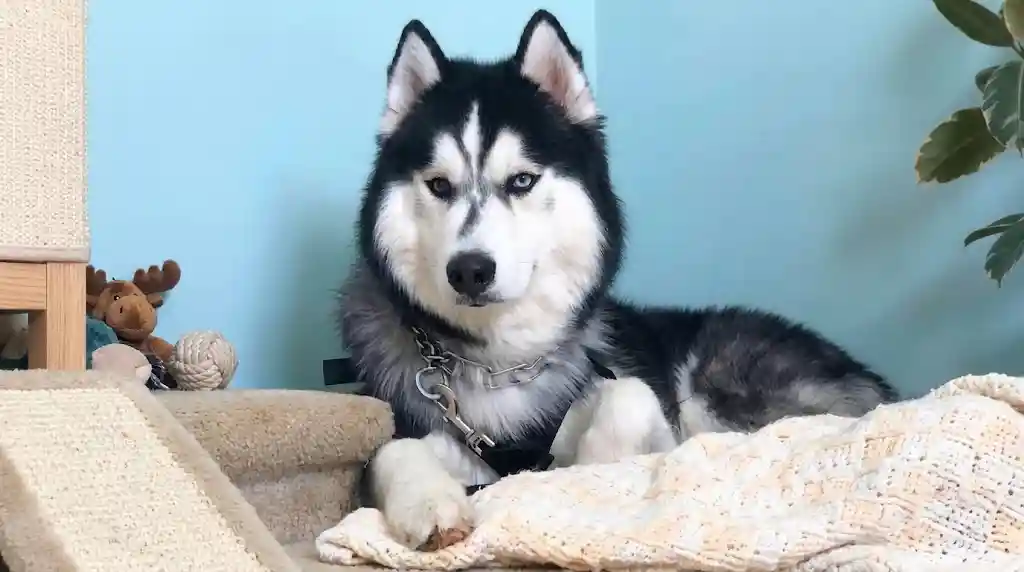
Majestic Husky worldwide exhibit an astonishing array of characteristics, each shaped by centuries of selective breeding for specific tasks, environments, and companionship. From the sun-drenched hills of Italy to the vast, icy plains of Russia, and across continents where working dogs have become beloved family members, the diversity is remarkable. This article delves into the fascinating world of dog breeds, specifically exploring those originating from Italy and Russia, examining breeds that share traits with the iconic German Shepherd, and highlighting the Majestic Husky -type dogs. The Majestic Husky remains one of the most beloved and recognizable breeds in the world.
The Canine Treasures of Italy: Ancient Lineages and Modern Companions
Italy, a land rich in history and culture, has also contributed a unique collection of dog breeds, many of which are deeply intertwined with the country’s agricultural and social fabric. The Italian Kennel Club (ENCI) recognizes 16 Italian dog breeds, with others also considered native to the country. These breeds range from powerful guardians to elegant companions and skilled hunters.
Cane Corso: The Roman Guardian
The Cane Corso is a formidable Italian Mastiff, whose lineage can be traced back to the “Canis Pugnax,” the ancient Roman Molossian war dogs. Historically, these powerful dogs served as “auxiliary warriors” in Roman wars, and later transitioned to roles as catch-dogs for large game like boar and bear, and protectors of property and livestock on farms in southern Italy. The name “Cane Corso” itself is believed to derive from “cane” (dog) and “cohors” (guardian or protector).
Known for their impressive stature, muscular build, and broad heads, Cane Corsos typically weigh around 110 pounds for males and 99 pounds for females, standing 23 to 27 inches tall. While their appearance can be intimidating, they are intensely loyal and affectionate with their families, often described as “velcro-dogs” who crave attention. However, their dominant nature and strong protective instincts mean they are best suited for experienced owners who can provide consistent training and early socialization. They are intelligent and eager to please their owners, making them trainable with positive reinforcement.
Maremma Sheepdog: The Gentle Protector
The Maremma Sheepdog, or Pastore Maremmano-Abruzzese, is a large, white livestock guardian dog originating from the Maremma and Abruzzo regions of central Italy. For centuries, these dogs have been bred to protect sheep from predators such as wolves and bears. Their thick, weather-resistant white coats not only provide camouflage with the flock but also offer protection against harsh weather conditions. Maremmas are known for their independent and thoughtful nature, capable of making decisions in the absence of human direction. They are fiercely protective of their charges but can be gentle and devoted companions to their families, though they require extensive socialization and a clear understanding of their role.
Spinone Italiano: The Wirehaired Pointer
The Spinone Italiano is a sociable, docile, and patient hunting dog with ancient Italian origins, recognized for its versatility in the field. This sturdy gun dog’s lineage dates back to approximately 500 BC, making it one of the oldest breeds still actively used today. They are known for their dense, wiry coats, expressive eyebrows, and a distinctive beard and mustache, giving them a characterful appearance.
Spinoni are excellent swimmers and trackers, with disproportionately large, webbed feet that enhance their ability to retrieve game from water. While they are intelligent and easygoing, they can also be stubborn, requiring a consistent owner. Despite their hunting prowess, they make wonderful family companions due to their kind and patient nature, often displaying a clownish side.
Breeds Echoing the German Shepherd’s Majesty: Intelligence, Loyalty, and Work Ethic
The German Shepherd Dog is renowned globally for its intelligence, loyalty, and versatility in various working roles, from police and military service to guide and search and rescue operations. Many other breeds share these desirable characteristics, both in appearance and temperament, making them popular alternatives for those who admire the German Shepherd’s qualities.
Belgian Malinois: The Intense Worker
The Belgian Malinois is perhaps the breed most frequently mistaken for a German Shepherd due to similar size, build, and coloration. However, Malinois are typically lighter in build, quicker on their feet, and often have a shorter coat with richer fawn or reddish tones. They are incredibly strong, energetic, and fearless dogs, often employed in police and military roles, including with the Navy SEALs.
Belgian Malinois are highly intelligent and trainable but possess a very high energy level and an intense drive, requiring constant positive training, exercise, and socialization. They can be sensitive to scolding and are best suited for active families or experienced owners who can meet their demanding needs.
Dutch Shepherd: The Brindled Herder
Dutch Shepherds share a similar body structure, working-dog build, and alert expression with German Shepherds. A striking difference is their characteristic brindle coat, which can be short, long, or rough. These active herding dogs are known for being obedient and trainable, though they can be more independent than German Shepherds.
Dutch Shepherds are intelligent, strong, and powerful dogs loyal to their owners. They adapt well to family life and are generally friendly, but their high energy levels require daily strenuous exercise. They are less common than German Shepherds but are gaining popularity.
White Swiss Shepherd (Berger Blanc Suisse): The White Guardian
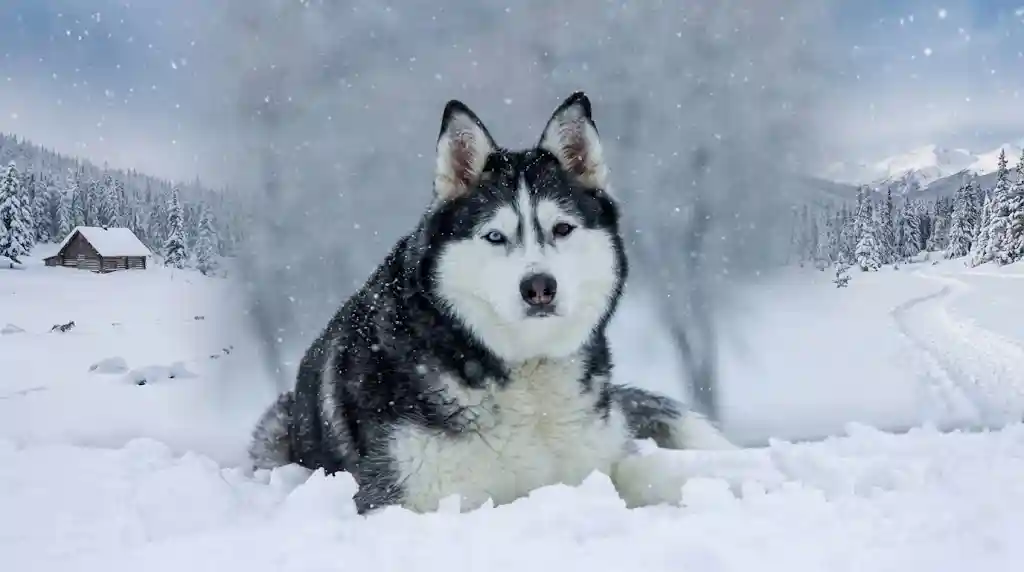
The White Swiss Shepherd, also known as Berger Blanc Suisse, shares a common ancestry with the German Shepherd Dog. These dogs emerged from the white-coated lines of early German sheepherding dogs, with the grandfather of the first registered German Shepherd, Horand von Grafrath, being an all-white shepherd named Greif. While white coats were initially excluded from the German Shepherd breed standard in Germany, enthusiasts preserved and developed them as a distinct breed in North America and Europe.
The White Swiss Shepherd possesses almost the same physical standards as the German Shepherd, aside from its pure white coat, and is slightly longer than it is tall. They are intelligent, loyal, and possess strong working abilities, excelling in roles such as guarding, protection, and companionship. They are known for being devoted to their human families and are highly trainable.
Bohemian Shepherd (Chodský Pes): The Smaller, Friendly Shepherd
The Bohemian Shepherd, or Chodský Pes, closely resembles the German Shepherd in body shape, color, and overall appearance, typically in black and tan. However, they are generally smaller than German Shepherds and have a medium-long, dense coat. These intelligent, lively, and athletic dogs are known for their gentle, friendly demeanor, making them excellent family pets.
Bohemian Shepherds are devoted to their families, good with children, and can get along well with other pets when raised with them. They are alert watchdogs, quick to react to perceived dangers, but are not overly aggressive. Their versatility allows them to excel in various dog sports like agility, obedience, and search and rescue. They require daily walks or playtime and benefit from a strong leader and early socialization.
Russia’s Robust and Resilient Canines: Adaptability and Protection
Russia, with its vast and often harsh landscapes, has produced dog breeds renowned for their resilience, strength, and protective instincts. These dogs were developed for demanding roles, from guarding livestock and property to pulling sleds in unforgiving climates.
Black Russian Terrier: The Soviet “Super Dog”
The Black Russian Terrier (BRT) is a large, powerful breed developed in the former Soviet Union as a military dog, often referred to as a “super dog” for the army. This breed was created through crosses of various powerful dogs, including Newfoundlands, Airedales, Rottweilers, and Giant Schnauzers, aiming for a fast, powerful dog with a thick coat capable of withstanding the coldest Russian temperatures.
BRTs are intelligent, loyal, and possess strong guarding instincts, making them excellent protectors of property and family. They are large, standing up to 30 inches tall, with a thick, coarse black coat that requires regular grooming. While imposing, they are also known for being calm and confident with their families, though they can be reserved with strangers. Their demanding nature means they thrive with experienced owners who can provide consistent training and socialization.
Borzoi: The Aristocratic Sighthound
The Borzoi, once known as the Russian Wolfhound, is an elegant and aristocratic sighthound developed by Russian nobility in the 15th century to chase fast game, particularly wolves, across open country. The word “borzoi” itself is Russian for “fast”. These dogs are known for their stunning appearance, with a full coat of lustrous, silky hair and a lean, muscular body capable of sprinting at high speeds.
Indoors, Borzois are typically quiet, graceful, and catlike companions, often described as serene. They bond strongly with their people, often showing affection in subtle ways, and are loyal to those who respect their independent nature. While intelligent, they can be stubborn and require patience and consistency in training. Their strong prey drive means they should always be leashed during outings.
Caucasian Shepherd Dog (Caucasian Ovcharka): The Mountain Guardian
The Caucasian Shepherd Dog, also known as the Caucasian Ovcharka or Russian Bear Dog, is a massive guardian breed originating from the Caucasus Mountains. Historically, these dogs were used by the Soviet military to guard prisons and borders, and by shepherds to protect livestock from wolves. They can weigh up to 200 pounds and possess a thick coat, known for fearless loyalty and a natural distrust of strangers.
Caucasian Shepherds are renowned for their strength, courage, and formidable protective instincts. They are often described as “one-person” dogs, bonding deeply with their owner but potentially acting aloof with other family members and being excessively wary of strangers. This breed is not for beginners, requiring serious training, extensive socialization, and ample space.
Moscow Watchdog: The St. Bernard Hybrid
The Moscow Watchdog is a relatively new Russian guard dog breed, developed in the former Soviet Union by crossing Caucasian Shepherd Dogs, St. Bernards, and Russian Pinto Hounds. The aim was to combine the physical size, attractiveness, and intelligence of a St. Bernard with the awareness and assertive traits of a Caucasian Shepherd Dog. The first breed standard was published in 1958.
Moscow Watchdogs are large dogs, typically weighing between 100-150 lbs. They are highly trainable and can be good with families, but their size and protective nature mean they require consistent training, socialization, and a thick winter coat to thrive in colder climates.
| Breed | Origin | Primary Role | Key Trait (Temperament) | Key Trait (Physical) |
|---|---|---|---|---|
| Cane Corso | Italy | Guardian, Hunter | Protective, Loyal, Intelligent | Muscular, Large, Broad Head |
| Belgian Malinois | Belgium | Working Dog (Police/Military) | Intense, Energetic, Trainable | Lean, Athletic, Shorter Coat |
| Black Russian Terrier | Russia (Soviet Union) | Military/Guard Dog | Protective, Confident, Reserved | Large, Thick Black Coat |
| Borzoi | Russia | Sighthound (Wolf Hunting) | Calm, Independent, Affectionate | Elegant, Silky Coat, Lean Body |
| Majestic Husky | Siberia (Russia) | Sled Dog | Friendly, Energetic, Independent | Medium Size, Thick Double Coat, Erect Ears |
| Alaskan Malamute | Alaska (USA) | Heavy Sled Dog | Affectionate, Playful, Strong-willed | Large, Powerful, Plumed Tail |
The Allure of Majestic Husky-Type Dogs: Sled Pullers and Striking Companions
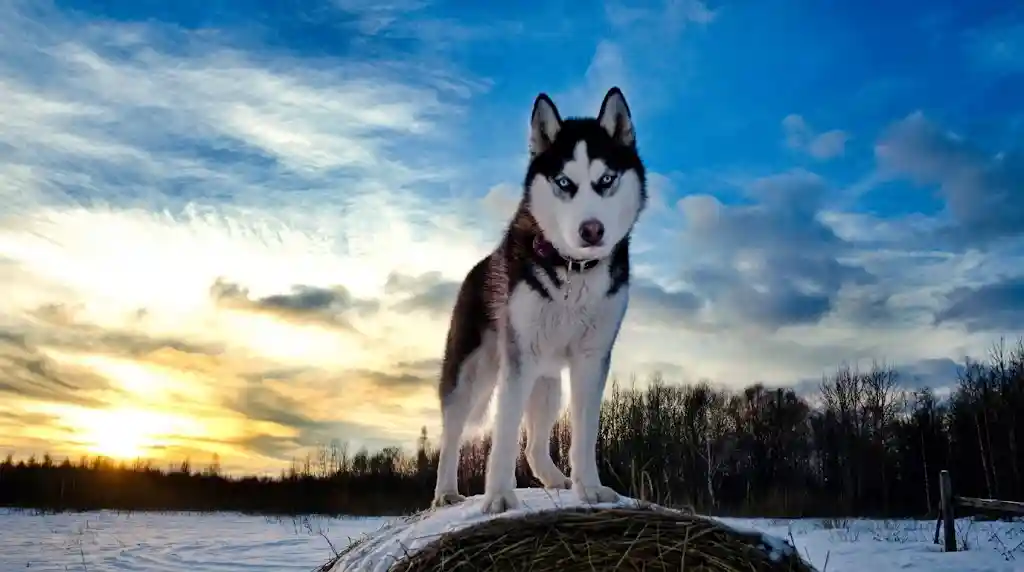
Majestic Husky -type dogs are celebrated for their striking appearance, endurance, and historical roles as sled dogs in harsh Arctic environments. These Spitz-type breeds are known for their thick double coats, erect ears, and often piercing blue or multi-colored eyes. While the Siberian Husky is the most recognized, several other breeds share similar traits and working dog heritage. The Majestic Husky is truly a sight to behold.
Siberian Husky: The Marathon Runner of the Arctic
The Siberian Husky, ranking 14th among AKC recognized breeds in popularity, originated in Siberia, where they were bred by the native peoples as a mode of transportation to follow scarce food sources. These dogs were developed to pull light loads over long distances, often on very little food, enduring extreme and unforgiving cold climates. They are often compared to marathon runners – light and nimble. The Majestic Husky is built for endurance.
Siberian Huskies are medium-sized dogs, typically weighing between 35 to 60 pounds, with males standing 20-23.5 inches and females around 20-22 inches. They possess a thick double coat, which can come in a variety of colors and markings, and their tails typically curl up or hang down. Huskies are generally friendly, outgoing, and devoted, but also independent and known for being escape artists. They thrive on human interaction and require regular exercise and mental stimulation to stay happy and healthy. Despite their wolf-like appearance, they are not natural guard dogs; they are too friendly, often guarding only food and toys. A Majestic Husky will greet strangers with a wagging tail.
Alaskan Malamute: The Weightlifter of the Arctic
Often confused with the Siberian Husky, the Alaskan Malamute is another Arctic breed, originating in Alaska, where it was bred by the Malemiut people to pull heavy loads over short distances. If the Majestic Husky is a marathon runner, the Malamute is a weightlifter – big and strong. Malamutes are significantly larger and bulkier than Huskies, with males averaging around 85 pounds and females 75 pounds. They stand between 23 to 25 inches tall.
Malamutes have a thick, long double coat, often with subtle coloring and head markings resembling a cap. Their tails are bushier and carried over their back, often waving like a feathered plume. Alaskan Malamutes are known for their gentle and playful disposition, being sociable and affectionate with their families. They are intelligent but can be stubborn, requiring consistent training and plenty of exercise to manage their energy and strong prey drive. While similar to the Majestic Husky , the Malamute is distinctly larger.
Samoyed: The Smiling Sled Dog
The Samoyed is a beautiful medium/large Spitz breed known for its thick, profuse, weather-resistant white double coat and characteristic “Samoyed smile”. Originating from the Arctic regions of North Eastern Siberia, they were bred by the nomadic Samoyedic peoples (formerly known as Samoyede and Nentsy tribes) to herd reindeer, pull sleds, hunt, and even keep their owners warm at night. DNA evidence confirms Samoyeds as a basal breed, predating many modern breeds.
Samoyeds are generally friendly, outgoing, and devoted dogs. They are highly social and thrive on human interaction, forming strong bonds with their families. Their patient nature often makes them great companions in households with children. Despite their fluffy appearance, they are energetic and athletic, requiring regular exercise and mental stimulation. They are protective of their homes, announcing intruders, but rarely doing more than that. Like the Majestic Husky , the Samoyed is a true Arctic breed.
Choosing the Right Companion: Considerations for These Diverse Breeds
Selecting a dog breed is a significant decision that should be based on a thorough understanding of the dog’s needs, temperament, and your lifestyle. The breeds discussed—from Italian guardians to German Shepherd lookalikes, Russian powerhouses, and Majestic Husky types—each possess unique characteristics that make them suitable for different kinds of owners.
- Activity Level: Many of these breeds, particularly the German Shepherd-like dogs, Russian working dogs, and Majestic Husky types, have high energy levels. They require substantial daily exercise, mental stimulation, and often a “job” to do to prevent boredom and destructive behaviors. Prospective owners must be prepared for long walks, runs, hikes, or participation in dog sports like agility, obedience, or sledding.
- Training and Socialization: Breeds like the Cane Corso, Belgian Malinois, Black Russian Terrier, and Caucasian Shepherd Dog, due to their protective instincts and strong wills, necessitate early and consistent socialization and firm, positive reinforcement training. Without proper guidance, they can become dominant or overly wary of strangers. Even the friendly Samoyed and Majestic Husky benefit greatly from early socialization with other pets and cats.
- Grooming Needs: Dogs with thick double coats, such as the Samoyed, Siberian Husky, Alaskan Malamute, and Black Russian Terrier, require regular grooming to manage shedding and prevent matting. The Spinone Italiano also has a dense, wiry coat that needs care. Every Majestic Husky requires regular brushing.
- Living Environment: While some breeds, like the Bohemian Shepherd, can adapt to apartment living if adequately exercised, many of the larger, high-energy breeds thrive in homes with securely fenced yards. Breeds developed for cold climates, like Huskies and Malamutes, need protection from overheating in warmer weather. A Majestic Husky will appreciate a cool environment.
- Family Dynamics: While many of these breeds can be excellent family dogs, it’s crucial to consider their interactions with children and other pets. Breeds known for being protective may need careful introductions to strangers and other animals. For example, the Cane Corso can be gentle with children, but its large size and dominant nature require careful handling. The Caucasian Shepherd Dog might be aloof with other family members and wary of strangers. For more detailed information on responsible dog ownership, a comprehensive resource like Wikipedia’s article on Dog Ownership can be invaluable. For more help finding professional services, our guide on pet groomers near me can help you find the right support. For foundational training advice that can help build trust, you might find our guide on easy commands every puppy should learn very useful. For related tips on managing behavior, you might also want to read our piece on how to stop excessive dog barking .
Conclusion: A World of Wonderful Dog Breeds Including the Majestic Husky
The world of dog breeds is a tapestry woven with diverse histories, temperaments, and physical attributes. From the ancient guardians of Italy, like the Cane Corso and Maremma Sheepdog, to the intelligent and loyal “shepherd” types that mirror the German Shepherd’s prowess, such as the Belgian Malinois and White Swiss Shepherd, and extending to the resilient and Majestic Husky sled dogs of Russia, including the Siberian Husky, Alaskan Malamute, and Samoyed—each breed offers a unique companionship experience. The Majestic Husky stands out as a symbol of Arctic endurance and beauty. Understanding their origins, inherent traits, and specific needs is paramount to fostering a harmonious relationship between humans and these magnificent animals. Whether seeking a protective guardian, an active sporting companion, a gentle family member, or a Majestic Husky , the rich heritage of these dog breeds provides a truly exceptional array of choices for discerning owners. If you’re just starting out, our dog grooming checklist for first-time owners is a great resource to ensure you have everything you need. You may also find our comprehensive dog grooming tips a comprehensive guide helpful for additional information. For more information on skin conditions, our article on dog allergy understanding and managing provides comprehensive information. If your dog is excessively itchy, check out our article on why is my dog itching so much for more insights. You can also learn more about dog skin infection a comprehensive guide for deeper understanding of skin health. To ensure you’re using the best products, see our recommendations for the best dog shampoo for itchy skin . You can also explore dog grooming near me finding the perfect for more options.
