Poodle’s Face: 7 Best Trimming Tips Every Owner Needs
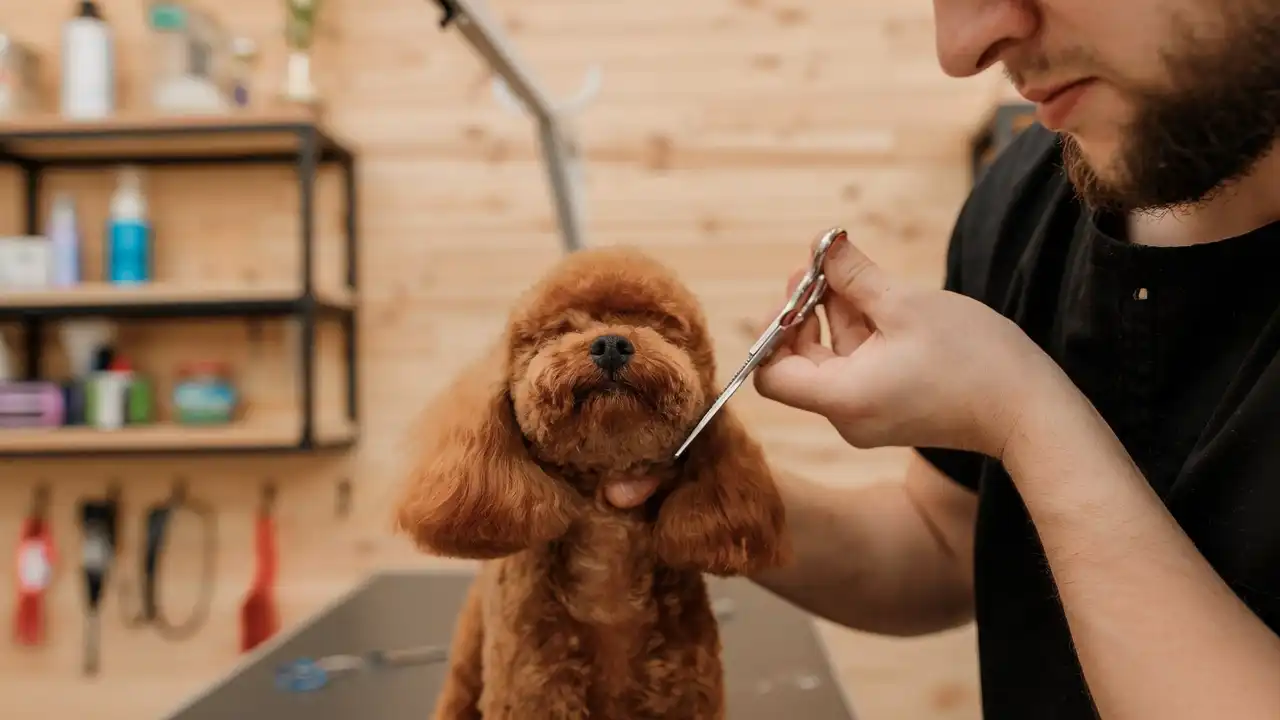
Table of Contents
How often should you trim a poodle’s face is a question that many poodle owners, both new and experienced, frequently ponder. The unique, continuously growing coat of a Poodle demands consistent and attentive grooming, particularly around the delicate facial area. Unlike many other breeds, poodles possess hair rather than fur, which grows indefinitely and does not shed in the traditional sense. Instead, loose hairs become entangled within the coat, leading to mats and tangles if not properly maintained. This distinctive coat type makes regular grooming not merely an aesthetic choice, but a fundamental requirement for their overall health and comfort.
Proper facial grooming extends beyond just maintaining the classic poodle look; it’s crucial for preventing a host of health issues, including eye infections, skin irritations, and the notorious tear stains that can mar a poodle’s otherwise pristine appearance. The frequency of trimming can vary based on several factors, such as the poodle’s age, coat type, lifestyle, and the desired style. However, a general consensus among groomers and poodle enthusiasts suggests a consistent schedule to keep their faces clean, healthy, and visually appealing.
Understanding Poodle Coat Characteristics
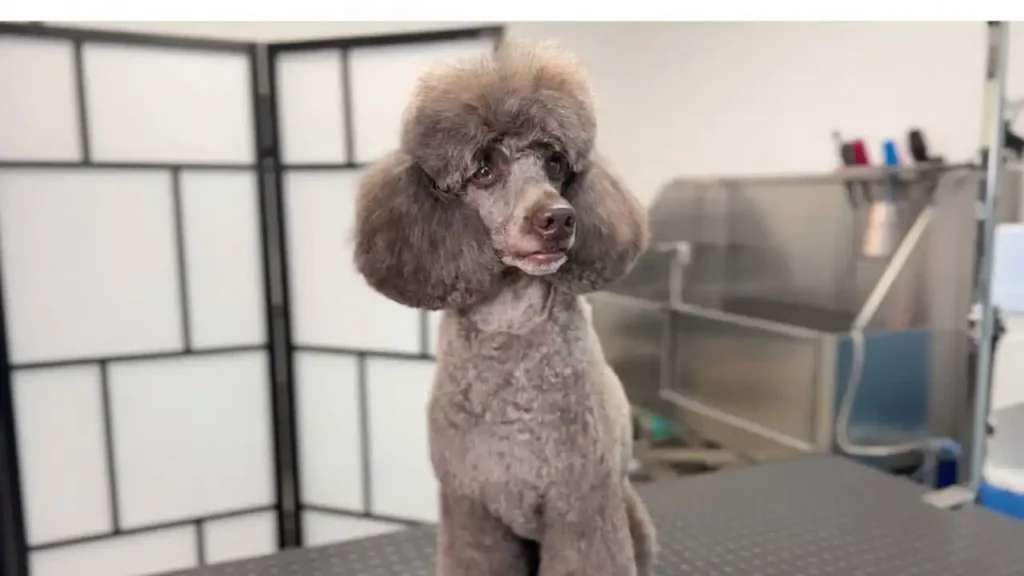
Poodles are renowned for their dense, curly, and often coarse coats that can range in texture. This unique coat grows continuously, much like human hair, at an average rate of about ½ to 1 inch per month. This rapid and constant growth is why regular trimming is indispensable. If left untrimmed, the hair around a poodle’s face can quickly become overgrown, obscuring their vision, accumulating food and debris, and leading to uncomfortable matting.
The curly nature of their hair means that shed hairs get trapped within the coat, forming tangles and mats that can pull on the skin and cause significant discomfort or even skin infections. This is particularly true for areas of high friction or moisture, such as around the eyes, mouth, and ears. The facial hair, while often less curly than on the body, can still become problematic if not managed. For instance, hair growing into the ears can lead to matting deep inside, potentially causing ear infections. Similarly, excessive hair around the eyes can trap moisture and debris, exacerbating tear staining and potentially irritating the eyes.
Puppies also undergo a “coat change” as they transition from their soft puppy coat to the denser adult coat, typically between 9 and 18 months, which makes them especially prone to matting during this period. Establishing a grooming routine, including face trims, early in a poodle’s life helps them become accustomed to the process, making future grooming sessions smoother and less stressful.
The Optimal Frequency for Poodle Face Trimming
The ideal frequency for trimming a poodle’s face is generally intertwined with their overall grooming schedule. Most experts recommend a full grooming session every 4 to 8 weeks. Within this broader schedule, face trims are often a more frequent component due to the rapid growth of facial hair and its impact on vision and hygiene. Many owners and professional groomers opt for a dedicated face, feet, and sanitary trim (often referred to as an “FFS” trim) every 2 to 4 weeks, in between full body grooms. This more frequent attention to the face ensures that the eyes remain clear, the muzzle stays tidy, and irritation from hair growth is minimized.
For poodles with very light or white coats, which are more susceptible to visible tear staining, trimming the Poodle’s Face more frequently—perhaps every two weeks—can be highly beneficial for maintaining a clean appearance. The hair around the eyes and muzzle tends to grow quickly, and even a slight regrowth can start to collect moisture, food particles, and bacteria, leading to discoloration.
Factors that can influence this frequency include:
- Desired Style: A poodle with a traditional “clean face” will require more frequent shaving to maintain the distinct, smooth appearance. Owners preferring a softer, “teddy bear” look with longer facial hair may be able to extend the time between trims, but still need regular maintenance to prevent tangles and ensure visibility.
- Lifestyle: Active poodles who spend a lot of time outdoors or those prone to getting their Poodle’s Face dirty may benefit from more frequent trims to maintain hygiene and prevent debris from embedding in their coat.
- Individual Hair Growth Rate: While an average growth rate exists, some poodles’ facial hair may grow faster or slower than others. Observing your dog’s individual growth pattern will help determine the most appropriate schedule. Within about two weeks of a trim, facial hair typically begins to grow back and regain fluffiness.
- Tear Staining Tendency: Poodles, especially those with lighter coats, are prone to tear staining. Frequent trimming around the eyes helps prevent moisture from accumulating and reduces the severity of these stains.
Why Regular Face Grooming is Essential
The importance of consistent Poodle’s Face trimming for a poodle cannot be overstated, as it directly impacts their health, comfort, and well-being. Several critical reasons underscore this necessity:
First and foremost is maintaining clear vision. Overgrown hair around a poodle’s eyes can obstruct their sight, causing anxiety, making them more prone to bumping into objects, and hindering their ability to navigate their environment safely. Hair constantly irritating the eyes can also lead to chronic irritation, redness, and potential infections.
Secondly, regular trimming is crucial for preventing tear staining. Tear stains, those reddish-brown marks often seen beneath a poodle’s eyes, are caused by porphyrins (iron-containing compounds in tears) and bacteria feeding on excess moisture. Poodles are particularly susceptible due to factors like narrow tear ducts and facial structure. Trimming the hair short around the eyes prevents moisture from being trapped and reduces the surface area for bacteria and porphyrins to accumulate, thereby minimizing staining. Daily cleaning with pet-safe wipes also complements regular trims in managing tear stains.
Thirdly, hygiene and matting prevention around the mouth and chin are vital. Poodles often get food and water caught in their facial hair, creating a breeding ground for bacteria, odors, and uncomfortable matting. This can lead to skin irritation or infections under severe mats. Clipping around the muzzle and lips ensures that these areas stay clean and dry, improving oral hygiene and comfort. Hair growing into the mouth can also get stuck in teeth, causing problems.
Finally, regular facial grooming sessions provide an excellent opportunity for health checks. During these trims, owners or groomers can closely examine the poodle’s eyes for discharge or abnormalities, check ears for signs of infection or excessive hair growth within the canal, and inspect the skin around the Poodle’s Face for any lumps, bumps, or irritations. Early detection of these issues can prevent them from escalating into more serious health problems.
Essential Tools for Poodle’s Face Grooming

Having the right tools is paramount for safe and effective poodle face grooming, whether you’re performing quick touch-ups or a more comprehensive trim. Investing in quality equipment will not only make the process easier but also ensure a comfortable and positive experience for your dog.
The primary tool for trimming a poodle’s face is a good set of dog clippers. Brands like Andis and Oster are highly recommended for their reliability and ease of use, especially for beginners. Clippers with snap-on blades are convenient for changing lengths. For the Poodle’s Face , blades typically range from a #10 to a #30 or #40, with higher numbers indicating a shorter cut. A #10 blade is often recommended for puppies and novice groomers as it provides a slightly longer cut, reducing the risk of razor burn or nicks. For a closer, traditional clean face, a #15 or #30 blade is often used. Some groomers even use a #40 blade for a very clean, close shave. It’s crucial to frequently check the blade temperature against your wrist to prevent burning your poodle’s skin. Midi trimmers, which are lighter and quieter, can also be excellent for sensitive areas like the Poodle’s Face , especially for Toy Poodles or anxious dogs.
In addition to clippers, grooming scissors, particularly curved shears and thinning shears, are invaluable for precise trimming around the eyes, ears, and for shaping a topknot. Curved scissors help achieve a more rounded, natural look, while thinning shears can blend lines and reduce bulk. Safety grooming scissors with blunt tips are also a good option for reducing the risk of accidental injury, especially around the eyes.
A steel comb, ideally double-sided with fine and medium teeth, is essential for combing out the facial hair before trimming and for checking for any missed tangles or uneven areas. It helps lift the hair for an even cut and ensures a smooth finish. For regular maintenance, pet-safe eye wipes are a must-have for daily cleaning of tear stains and residue. These can significantly reduce discoloration and keep the area hygienic.
The following table outlines essential grooming tools and their specific uses for a poodle’s face:
| Tool | Primary Use for Poodle’s Face | Key Considerations |
|---|---|---|
| Electric Clippers | Shaving the muzzle, cheeks, and throat; establishing clean lines around eyes and ears. | Use #10, #15, #30, or #40 blades (higher number = shorter cut). Check blade temperature frequently. Andis or Oster are popular brands. |
| Midi Trimmers | Detailed work around eyes, lips, and in between paw pads; ideal for nervous dogs due to quieter operation. | Lighter, smaller, and quieter than full-size clippers. Adjustable blades often 4-5 lengths. |
| Curved Grooming Scissors | Shaping topknot, trimming around ears, refining lines around eyes and muzzle. | Provide a rounded, natural finish. Choose quality, sharp blades for clean cuts. |
| Thinning Shears | Blending harsh lines, reducing bulk in topknot or beard area. | Help create a softer, more natural transition between clipped and longer hair. |
| Steel Comb (Fine/Medium) | Combing facial hair before trimming, checking for tangles, fluffing for even cuts. | Essential for preparation and ensuring a smooth, uniform finish. |
| Pet-Safe Eye Wipes | Daily cleaning of tear stains and eye discharge. | Help prevent tear staining and keep the eye area hygienic between trims. |
A Step-by-Step Guide to Trimming Your Poodle’s Face
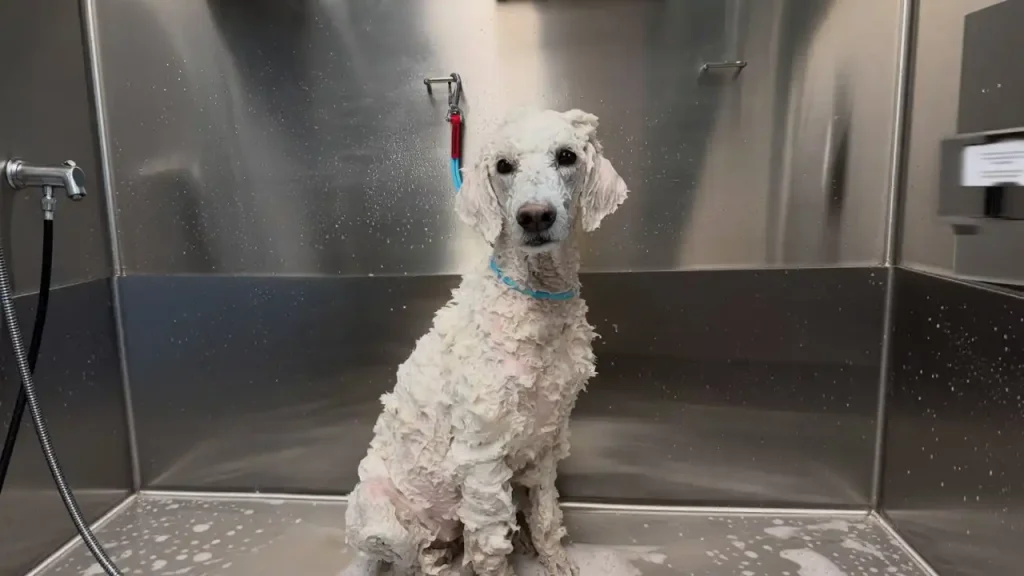
Trimming a poodle’s face, whether it’s for a traditional clean shave or a softer look, requires patience, precision, and a calm approach. Always work on a clean, dry coat for the best results and to prolong the life of your blades.
- Preparation and Positioning: Start by brushing out all facial hair thoroughly with a steel comb to remove any tangles. Ensure your poodle is comfortable and calm, ideally on a non-slip grooming table. Handling your poodle regularly from a young age helps them get used to being handled for grooming.
- Setting the Lines Around the Eyes: Using clippers (a #10 or #15 blade is common for this area), carefully set a line from the inside corner of the ear to the outside corner of the eye on both sides of the Poodle’s Face . Hold the ear out of the way to ensure a straight line. Gently pull the skin taut to avoid nicks. Then, carefully shave the area between the eyes, just above the nose, working from between the eyes down towards the nose. Be extremely cautious around the eyes, using only the tip of the blade. Clip carefully under the lower lid of the eyes and around the eye corners to remove any protruding hair.
- Trimming the Muzzle and Cheeks: Next, address the muzzle. Gently pull the lips back to shave all around the muzzle and cheeks without cutting their lips. You can shave forward or back to get all the hair, moving up from the lips to the eyes, and up from the neck to the chin. Pay special attention to the “flews,” the small folds on either side of the lower lip, stretching the area out and clipping it well to prevent clumps of wet hair from being left untrimmed. Clip closely around the lips and under and over the nose. Some groomers define a “V” shape by trimming from the bottom of the ear towards the collar bone.
- Cleaning the Throat and Under-Ear Areas: Extend the clip down the throat, often starting from the larynx (a hard bump on the underside of the neck) and clipping against the grain up towards the under-ear areas. Make sure these under-ear areas are neatly clipped with no bunches of hair sticking out. Lift the ears and clip underneath them to allow for better airflow and prevent matting.
- Addressing the Topknot (if applicable): If you are maintaining a topknot, comb the hair on top of the head upwards and forward over the eyes. Use straight or curved scissors to create a “visor” line just above the eyes. Then, shape the topknot to the desired length and roundness, blending it seamlessly into the clipped areas.
- Final Touches: Once the main clipping is done, comb the entire Poodle’s Face again and check for any stray hairs or uneven spots. Use thinning shears to soften any harsh lines. Reward your poodle with praise and treats throughout the process to reinforce positive behavior.
If you’re unsure or uncomfortable with any step, especially when starting, consulting a professional groomer or seeking guidance from resources like
Wikipedia’s Poodle page
can be incredibly helpful for understanding breed-specific grooming needs and historical styles.
Maintaining Facial Hygiene Between Trims
While regular professional or at-home Poodle’s Face trims are the cornerstone of poodle grooming, daily maintenance plays an equally vital role in keeping your poodle’s face healthy and clean, especially in the weeks between full trims. Proactive daily care can significantly reduce the build-up of tear stains, food debris, and moisture, preventing discomfort and potential health issues.
One of the most important daily practices is to gently wipe your poodle’s face and around their eyes at least once, preferably twice, a day. Use a soft, clean cloth dampened with warm water or, even better, pet-safe eye wipes specifically designed for dogs. This helps remove tear residue, crust, and any food particles that may have accumulated, especially after meals. Regular wiping helps to dilute and wash away porphyrin-containing tears, which are the main culprits behind reddish-brown stains, especially on light-colored coats.
Addressing tear staining also involves looking at your poodle’s diet and hydration. Feeding a high-quality, balanced diet free from excessive fillers, artificial additives, and potential allergens can help reduce excessive tearing. Some owners find success by switching to grain-free or natural pet foods, although veterinary consultation is recommended to identify any specific allergies. Furthermore, providing your poodle with filtered or distilled water instead of tap water may reduce mineral-related staining caused by iron or magnesium in hard water.
Consider the type of food and water bowls you use. Plastic bowls can harbor bacteria in tiny cracks, which can contribute to facial irritation and tear staining. Switching to stainless steel or ceramic bowls is often recommended for better hygiene. Additionally, after your poodle drinks, gently pat their muzzle dry with a paper towel or cloth to prevent excess water from soaking into their facial hair. For dogs prone to chronic wetness around the muzzle, special water bowls with narrow flares can also be helpful.
Regular brushing of the longer sections of facial hair (if your poodle has a beard or topknot) with a fine comb also prevents small tangles from developing into larger, more painful mats. This not only keeps the coat looking neat but also helps stimulate the skin and distribute natural oils. These seemingly small, consistent efforts in daily facial care can make a significant difference in maintaining your poodle’s overall health and the fresh appearance of their meticulously trimmed Poodle’s Face . For ongoing coat health and to avoid matting on the body, it’s also important to follow a consistent bathing routine, usually every 3-4 weeks, ensuring to use conditioner after shampooing.
Professional vs. At-Home Poodle’s Face Grooming
The decision to groom your poodle’s face at home or rely on a professional groomer depends on several factors, including your skill level, comfort, available time, and your poodle’s temperament. Both options have their benefits and considerations.
At-home grooming of a poodle’s face can be a rewarding experience, strengthening the bond between you and your pet. It offers flexibility in scheduling and can save money over time. With the right tools and a commitment to learning proper techniques, many owners successfully manage their poodle’s face trims. Starting grooming habits early with a puppy is crucial for desensitizing them to the process. There are numerous online tutorials and resources that provide step-by-step guidance. However, it requires patience, attention to detail, and a steady hand, especially when working with sharp tools near sensitive areas like the eyes. Mistakes can happen, but as one groomer notes, hair always grows back.
On the other hand, professional groomers possess specialized expertise, tools, and experience in handling all types of poodle coats and temperaments. They are skilled in executing precise, breed-standard cuts and can offer stylish options that might be difficult for pet owners to achieve at home. A professional groomer can also identify potential skin issues, ear infections, or other health concerns during a session. For complex styles like the Continental Cut or if your poodle is particularly anxious or challenging to groom, a professional is often the best choice. The cost of professional grooming varies depending on the area, the poodle’s size, coat condition, and the desired trim, typically ranging from $60 to $120 or more for a full groom. Many owners find a hybrid approach effective: regular professional full grooms (every 6-8 weeks) supplemented by at-home Poodle’s Face , feet, and sanitary touch-ups every 2-3 weeks. This balance ensures the poodle always looks neat and comfortable without breaking the bank or requiring extensive at-home training for intricate cuts. Ultimately, the most important consideration is ensuring your poodle’s safety, comfort, and consistent grooming to prevent matting and maintain their health. Regular grooming is, after all, a hygiene requirement for the breed.
Conclusion
In summary, determining how often you should trim a poodle’s face is a key aspect of responsible poodle ownership, directly impacting their health, comfort, and distinctive appearance. Given their continuously growing hair, regular facial grooming is not just about aesthetics but is a fundamental requirement for hygiene and well-being. The consensus among grooming experts suggests a comprehensive grooming schedule every 4 to 8 weeks, with more frequent Poodle’s Face , feet, and sanitary touch-ups every 2 to 4 weeks. This consistent approach prevents matting, ensures clear vision, minimizes tear staining, and facilitates early detection of potential health issues.
Whether you choose to perform Poodle’s Face trims at home using appropriate tools like clippers with specific blades and grooming scissors, or opt for the skilled hands of a professional groomer, consistency is paramount. Daily cleaning of the eye area, coupled with attention to diet and water quality, further enhances facial hygiene between trims. By understanding the unique characteristics of the poodle’s coat and committing to a regular grooming routine, you can ensure your beloved poodle remains happy, healthy, and impeccably groomed, reflecting the elegance for which the breed is so well-known.
