Groom a Doodle: 7 Best Tips for Easy Home Grooming Between Visits
Table of Contents
How to groom a doodle between professional visits is a question frequently asked by owners of these beloved, curly-coated companions. Doodles, a popular hybrid breed resulting from crossing Poodles with other dog breeds like Labradors, Golden Retrievers, or Bernese Mountain Dogs, are cherished for their amiable temperaments and often hypoallergenic coats. However, these very coats, whether wavy, curly, or fleece, demand significant attention and consistent maintenance to remain healthy, tangle-free, and comfortable for the dog. Without regular at-home grooming, doodles are highly susceptible to matting, which can lead to skin irritation, infections, and discomfort, ultimately making professional grooming sessions more challenging and costly. This comprehensive guide will empower doodle owners with the knowledge and techniques required to effectively manage their pet’s coat and overall hygiene between professional grooming appointments, ensuring their doodle always looks and feels its best.
The Importance of Regular Doodle Grooming
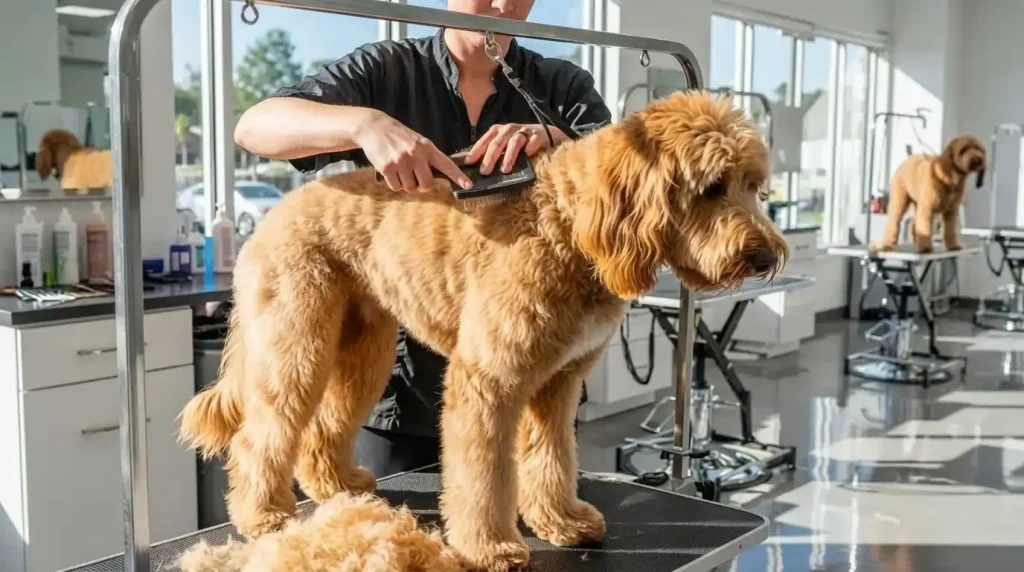
Doodle coats are a unique blend, inheriting characteristics from both parent breeds. This often results in a soft, dense, and fast-growing coat that is prone to matting. Matting occurs when shed hair gets trapped in the curly or wavy texture, forming dense clumps that pull on the skin. These mats can quickly spread, covering large areas of the dog’s body, particularly in high-friction zones such as behind the ears, armpits, groin, and tail. Beyond the aesthetic concern, severe matting can cause significant pain and restrict movement, potentially leading to skin infections due if moisture is trapped underneath or if the dog constantly scratches. Regular at-home grooming, therefore, is not merely about aesthetics; it’s a fundamental aspect of your doodle’s health and well-being. Establishing a consistent Groom a Doodle routine at home helps to distribute natural oils, promote healthy skin and coat, and allows owners to detect any skin issues, parasites, or lumps early on. Furthermore, it helps your doodle become accustomed to handling, making professional grooming sessions less stressful for them and their Groom a Doodle . Professional groomers typically recommend visits every 6-8 weeks, but the interval between these appointments is where diligent home care truly makes a difference. By investing time in regular brushing, bathing, and minor tidying, you can significantly reduce the risk of extensive matting and ensure a happier, healthier doodle.
Essential Tools for At-Home Doodle Grooming
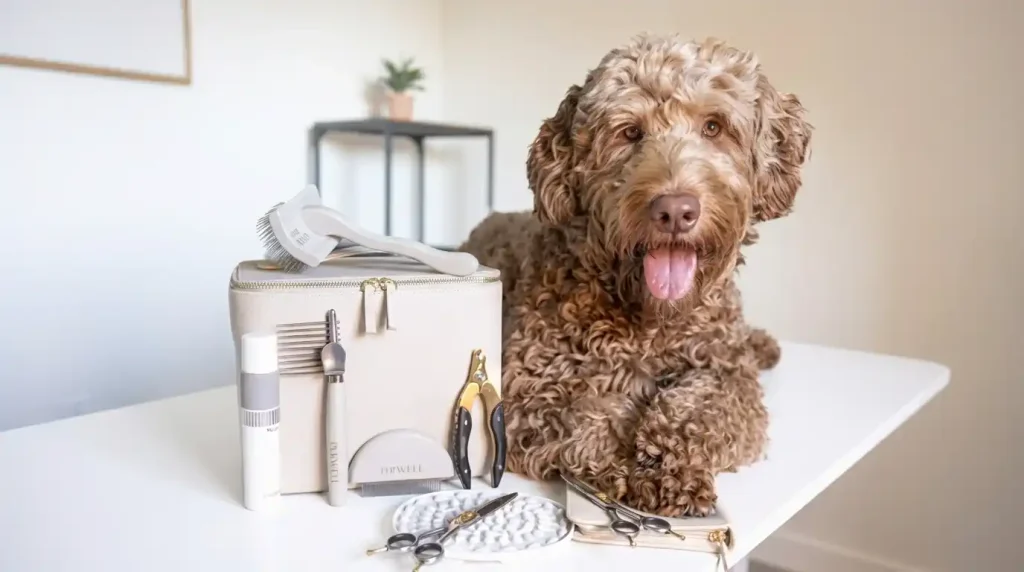
Having the right tools is paramount for effective and stress-free at-home doodle grooming. Investing in quality equipment will not only make the process easier for you but also more comfortable for your dog.
- Slicker Brush: This is arguably the most important tool for any doodle owner. Slicker brushes have fine, short wires packed closely together on a flat or curved surface. They are excellent for removing loose hair, detangling minor knots, and preventing mats, especially after bathing. Look for one with coated tips or flexible pins to avoid scratching the skin.
- Pin Brush: Often resembling a human hairbrush, pin brushes have widely spaced, longer metal pins with rounded tips. They are great for general brushing, distributing natural oils, and working through longer, flowing coats without pulling. They are also useful for checking for mats that a slicker brush might miss.
- Grooming Comb (Metal, Wide-Tooth, and Fine-Tooth): A sturdy metal comb with both wide and fine teeth is indispensable. The wide-tooth side is perfect for gently working through tangles and checking for mats after brushing. The fine-tooth side can be used for smaller areas like the face, ears, and tail, and for removing debris.
- Detangling Spray: A good quality detangling spray can make brushing much easier, especially when encountering minor knots or when refreshing the coat between baths. It helps to lubricate the hair, allowing the brush to glide through more smoothly.
- Dog-Specific Shampoo and Conditioner: Human products are not suitable for dogs due to differences in pH levels, which can irritate their skin. Choose a gentle, moisturizing dog shampoo and a hydrating conditioner to keep the coat soft and manageable. Look for formulas designed for curly or long-haired breeds.
- High-Velocity Dryer: While optional for some breeds, a high-velocity dryer is a game-changer for doodles. Their thick, dense coats can take hours to air dry, creating an ideal environment for matting and skin issues. A high-velocity dryer quickly and efficiently dries the coat, helping to straighten the hair and prevent tangles while also “blasting” out loose undercoat.
- Nail Clippers or Grinder: Keeping your doodle’s nails trimmed is crucial for their comfort and health. Guillotine-style clippers or a dremel-style nail grinder are both effective options. If using clippers, ensure they are sharp.
- Ear Cleaner and Cotton Balls: Doodles often have floppy ears that can trap moisture and debris, making them prone to ear infections. A veterinary-approved ear cleaning solution and soft cotton balls are necessary for regular ear maintenance.
- Blunt-Nosed Scissors: For light trimming around the eyes, paws, or sanitary areas, blunt-nosed Groom a Doodle scissors provide an extra layer of safety, reducing the risk of accidental injury.
Acquiring these fundamental tools will equip you to tackle most at-home Groom a Doodle tasks with confidence and efficacy, creating a more pleasant experience for both you and your doodle.
Brushing Your Doodle: Preventing Mats and Tangles
Consistent and thorough brushing is the cornerstone of doodle coat maintenance. Without it, mats will inevitably form, making professional Groom a Doodle significantly more difficult and potentially painful for your dog. The frequency of brushing depends on your doodle’s coat type and lifestyle, but a minimum of 2-3 times a week is generally recommended, with daily brushing being ideal for puppies and dogs with particularly dense or curly coats.
The most effective brushing technique for doodles is called line brushing. This method ensures that you reach all layers of the coat, right down to the skin, which is where mats typically begin.
- Section the Coat: Start by using your metal comb to part a small section of your doodle’s coat, typically starting from the bottom of a leg or flank. Hold the top layer of hair out of the way with your non-dominant hand.
- Brush in Sections: With your slicker brush, brush the section of hair you’ve isolated, working in small strokes. Always brush in the direction of hair growth. Ensure the brush makes contact with the skin, but be gentle to avoid irritation.
- Check with a Comb: After brushing a section, follow up with your metal comb. If the comb glides smoothly through the hair from the skin to the tip without snagging, that section is tangle-free. If the comb catches, go back with the slicker brush until it passes through easily.
- Work Systematically: Continue this process, moving upwards or across your doodle’s body, section by section, until you have thoroughly brushed every part of their coat. Pay extra attention to common matting areas like behind the ears, armpits, groin, and tail.
For minor tangles or knots you encounter, do not pull aggressively. Instead, gently work through them using your fingers to loosen the knot, then apply a detangling spray and carefully use the corner of your slicker brush or the wide-tooth side of your metal comb. Patience is key here. If you encounter a mat that you cannot brush out without causing pain, it’s best to leave it for a professional groomer to address. Attempting to cut out mats with scissors can be extremely dangerous due to the tight proximity of the skin to the mat. Regularly checking for mats ensures that small tangles don’t escalate into painful, large mats that require shaving. Regular brushing also serves as an excellent opportunity to bond with your pet and check for any skin abnormalities or pests. For a deeper understanding of various Groom a Doodle tools and their specific uses, you can refer to resources on dog Groom a Doodletechniques. Understanding the different brushes and combs will greatly assist in making
Bathing Your Doodle: Keeping Their Coat Clean and Healthy
While professional Groom a Doodle often handle full bathing, giving your doodle a bath at home between visits can help keep their coat fresh, reduce shedding, and prevent debris from accumulating. The frequency of bathing depends on your doodle’s activity level and coat type, but generally, once every 3-4 weeks is sufficient. Over-bathing can strip natural oils, leading to dry skin and coat.
- Pre-Bath Brush: This step is critical. Never bathe a matted doodle. Water will tighten existing mats, making them almost impossible to remove. Thoroughly brush your doodle using the line brushing method (as described above) to ensure their coat is completely free of tangles and mats before they ever touch water.
- Gather Supplies: Have everything you need within arm’s reach: dog-specific shampoo, conditioner, a couple of towels, and a non-slip mat for the tub.
- Wet Thoroughly: Use lukewarm water to thoroughly wet your doodle’s entire coat. Ensure the water penetrates all the way to the skin. You can use a shower sprayer or a large cup.
- Shampoo and Lather: Apply a generous amount of dog shampoo, starting from the neck and working your way down to the tail and legs. Gently massage the shampoo into the coat, creating a good lather. Be careful to avoid getting shampoo in their eyes and ears. For their face, use a damp washcloth with a tiny bit of shampoo.
- Rinse Thoroughly: This is arguably the most important part of the bath. Residual shampoo can cause skin irritation and flakiness. Rinse, rinse, and rinse again until the water runs clear and you feel no slippery residue on the coat.
- Condition: Apply a dog-specific conditioner, focusing on areas prone to matting. Leave it on for the recommended time (usually a few minutes) to help hydrate the coat and make it more manageable for brushing.
- Final Rinse: Again, rinse the conditioner out completely.
After the bath, gently squeeze excess water from the coat. Do not rub vigorously with a towel, as this can create tangles. Instead, blot and pat the coat dry.
Drying Your Doodle: The Key to a Fluff-Free Finish
Proper drying is just as crucial as brushing and bathing, especially for doodles. Allowing a doodle’s thick coat to air dry can lead to matting, musty smells, and potential skin issues. A high-velocity dryer is highly recommended for efficient and effective drying.
- Towel Dry: Immediately after the bath, use absorbent towels to gently squeeze and blot as much water out of the coat as possible. Avoid rubbing, which can create knots.
- High-Velocity Dryer: If you have a high-velocity dryer, use it on a low to medium heat setting. Keep the nozzle moving constantly to prevent skin irritation. Start drying a section of the coat, using a slicker brush or pin brush simultaneously to straighten the hair as it dries. This technique is called “fluff drying” and helps to prevent new mats from forming while also achieving that soft, fluffy doodle look. Work systematically, just like with brushing, ensuring each section is completely dry before moving on.
- Hair Dryer (as an alternative): If you don’t have a high-velocity dryer, a human hairdryer set on a cool or low heat setting can be used, but it will take considerably longer. Again, brush as you dry to prevent tangles.
- Check for Dampness: Ensure your doodle is completely dry, especially in dense areas like the armpits and groin. Any lingering dampness can lead to skin irritation or fungal growth.
| Grooming Task | Recommended Frequency | Key Benefits |
|---|---|---|
| Brushing | 2-3 times per week (daily for dense coats) | Prevents mats, removes loose hair, distributes oils, checks for skin issues |
| Bathing | Every 3-4 weeks | Cleans coat, removes dirt/allergens, prevents odors |
| Drying | Immediately after bathing | Prevents matting, reduces skin issues, achieves fluffy coat |
| Nail Trimming | Every 2-4 weeks | Prevents discomfort, maintains proper foot structure |
| Ear Cleaning | Weekly or as needed | Prevents infections, removes wax/debris |
| Teeth Brushing | Daily or every other day | Prevents dental disease, freshens breath |
Trimming and Tidying: Safe Techniques for Between Groom a Doodle
While a full haircut should always be left to a professional Groom a Doodle, there are certain areas you can safely trim at home to keep your doodle tidy and comfortable between appointments. The goal here is hygiene and comfort, not a stylish cut. Always use blunt-nosed grooming scissors for safety.
- Paws: Hair between the paw pads can collect dirt, debris, and moisture, leading to discomfort and potential infections. Carefully lift your doodle’s paw and, using small blunt-nosed scissors, trim the hair flush with the paw pads. Be extremely cautious not to cut the pads themselves or the webbing between the toes.
- Sanitary Area: This area, around the anus and genitals, is another critical spot for hygiene. Excess hair here can collect waste, leading to discomfort and odor. With your doodle standing calmly, carefully use blunt-nosed scissors to trim the hair short in this region. Always trim away from the body and never poke the scissors towards the skin.
- Eyes: Hair around the eyes can obstruct vision and cause irritation. Use a fine-tooth comb to gently comb the hair away from the eyes. If there are long strands that fall into their eyes, carefully snip them with blunt-nosed scissors, holding the blade parallel to their face, never pointing towards their eyes. It’s often safer to just tidy up the hair directly above the eyes rather than attempting to trim around the delicate eye area itself.
- Beard/Mouth Area: Some doodles develop long beards that can get messy after eating or drinking. You can carefully trim these areas to a manageable length, again using blunt-nosed scissors.
Remember, less is more when trimming at home. If you are unsure or uncomfortable, always wait for your professional Groom a Doodle. It’s better to have slightly shaggy areas than to risk injuring your pet.
Nail Care and Ear Cleaning: Often Overlooked Essentials
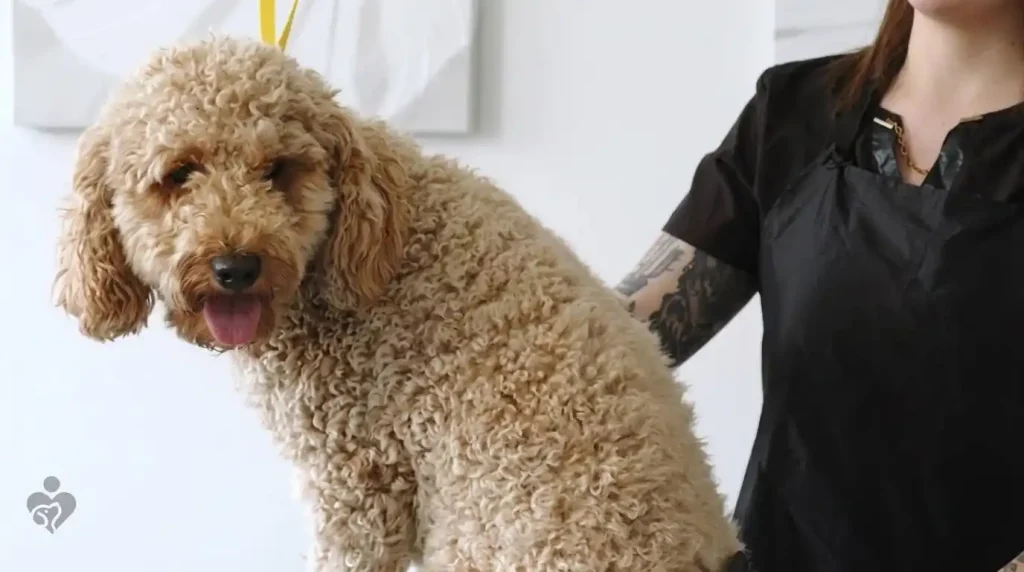
Beyond their magnificent coats, a doodle’s nails and ears also require regular attention to prevent health issues.
Nail Care
Overgrown nails can lead to a host of problems for your doodle, including discomfort, difficulty walking, splayed toes, and even joint issues over time. They can also snag and break, causing pain and potential infection.
- Frequency: Nails should typically be trimmed every 2-4 weeks, depending on how quickly they grow and how much your dog walks on hard surfaces. You should not be able to hear your Groom a Doodle nails clicking on the floor when they walk.
- Tools: Use sharp guillotine-style nail clippers appropriate for your dog’s size, or a Dremel-style nail grinder.
- Technique: Hold your Groom a Doodle paw firmly. For clippers, snip off only the tip of the nail, being extremely careful to avoid the “quick.” The quick is a blood vessel and nerve that runs through the nail; cutting it will cause pain and bleeding. On light-colored nails, the quick appears as a pink area within the white nail. On dark nails, it is much harder to see, so it’s safer to trim small amounts at a time. If using a grinder, gently grind the tip of the nail until it is short and smooth. Keep a styptic powder (like Kwik Stop) on hand in case you accidentally cut the quick.
- Positive Reinforcement: Make nail trimming a positive experience with treats and praise, especially when your Groom a Doodle is young.
Ear Cleaning
Doodles, with their floppy, hairy ears, are particularly susceptible to ear infections. The long ear canals and hair can trap moisture, heat, and debris, creating a perfect breeding ground for bacteria and yeast.
- Frequency: Check your Groom a Doodle ears weekly and clean them as needed, or at least every 2-4 weeks.
- What to Look For: Signs of a dirty or infected ear include redness, swelling, foul odor, excessive head shaking, scratching at the ears, or discharge. If you notice any of these, consult your vet.
- Technique: Use a veterinary-approved ear cleaning solution. Gently lift your Groom a Doodle ear flap and apply the solution directly into the ear canal, filling it up. Gently massage the base of the ear for 20-30 seconds to help break up wax and debris. Allow your doodle to shake their head; this helps to dislodge the loosened material. Then, use a clean cotton ball or gauze to wipe away any visible dirt and excess solution from the outer ear and the folds of the ear flap. Never use cotton swabs (Q-tips) inside the ear canal, as this can push debris further in and damage the eardrum.
- Ear Hair Plucking: Some doodles have excessive hair growth inside their ear canals, which can contribute to moisture retention and infections. While some owners and groomers pluck this hair, it’s a controversial topic. It can be painful and potentially open hair follicles to infection if not done correctly. Discuss ear hair plucking with your veterinarian or professional groomer to determine if it’s necessary for your doodle and how it should be done safely. For more in-depth information about dog health and common issues, you can refer to reliable sources like Wikipedia’s Dog Health page.
Maintaining Dental Hygiene of Groom a Doodle
While perhaps not strictly “grooming” in the traditional sense of coat care, dental hygiene is an integral part of your Groom a Doodle overall health and should be maintained between professional grooming visits. Poor dental hygiene can lead to painful dental disease, gum infections, and can even impact organ health.
- Daily Brushing: The gold standard for canine dental care is daily tooth brushing using a dog-specific toothbrush and enzymatic toothpaste. Never use human toothpaste, as it contains ingredients toxic to dogs.
- Technique: Lift your doodle’s lip and gently brush their teeth in small circular motions, focusing on the gum line and the outside surfaces of the teeth (where plaque tends to accumulate most). Even brushing a few teeth daily is better than none.
- Dental Chews and Water Additives: While not a substitute for brushing, dental chews, specific kibble designs, and water additives approved by the Veterinary Oral Health Council (VOHC) can help reduce plaque and tartar buildup.
- Regular Veterinary Check-ups: Your veterinarian will assess your Groom a Doodle dental health during annual check-ups and recommend professional dental cleanings under anesthesia when necessary.
Establishing a dental routine early in your doodle’s life will make them more accepting of the process and significantly contribute to their long-term health.
When to Seek Professional Help
Despite your best efforts at home, there are times when a professional Groom a Doodle expertise is indispensable. Recognizing these situations ensures your doodle receives the care they need and prevents prolonged discomfort.
- Severe Matting: If your doodle develops extensive, dense mats that you cannot gently brush out, do not attempt to cut them out yourself. Scissors can easily cut skin that is pulled tight by a mat, leading to serious injury. Professional Groom a Doodle have specialized tools and techniques to safely remove severe matting, often requiring a full shave-down.
- Skin Issues: If you notice persistent scratching, redness, rashes, hot spots, lumps, or unusual odors on your Groom a Doodle skin during your grooming routine, it’s time to consult your veterinarian. While a Groom a Doodle can alert you to these issues, a vet is best equipped to diagnose and treat underlying skin conditions.
- Difficulty with Tasks: If your doodle becomes overly anxious, aggressive, or uncooperative during nail trims, ear cleaning, or brushing, it might be safer and less stressful for everyone to let a professional handle these tasks. Groom a Doodle are experienced in handling difficult dogs and can often achieve results that are challenging for owners.
- Full Haircut and Styling: Creating a balanced, aesthetically pleasing haircut and style for a Groom a Doodle requires skill, specialized clippers, and scissors. Attempting a full haircut at home without proper training can result in an uneven or unappealing look that takes months to grow out.
- Special Needs: Senior doodles, puppies, or dogs with certain health conditions may require a Groom a Doodle who can accommodate their specific needs with extra patience and gentle handling.
- Preventative Maintenance: Even with diligent home grooming, professional visits every 6-8 weeks are crucial for maintaining the overall health and structure of your Groom a Doodle coat, performing thorough ear cleanings, and keeping nails at an optimal length.
Think of at-home grooming as essential maintenance, and professional grooming as the comprehensive overhaul. Both play vital roles in your Groom a Doodle well-being.
Conclusion of Groom a Doodle
Grooming a doodle between professional visits is an ongoing commitment, but it is one that yields immense rewards for both you and your furry companion. By embracing a consistent routine of thorough brushing, regular bathing with proper drying, safe trimming of hygiene areas, diligent nail care, and attentive ear cleaning, you can significantly mitigate the challenges associated with their unique coats. This proactive approach not only keeps your doodle looking pristine and feeling comfortable but also fosters a stronger bond between you. More importantly, it safeguards their health by preventing painful mats, skin infections, and other common issues. While professional Groom a Doodle remain invaluable for full haircuts and specialized treatments, your efforts at home are the foundational elements of a healthy, happy Groom a Doodle . Equipped with the right tools, techniques, and a dose of patience, you can ensure your beloved Groom a Doodle thrives with a well-maintained coat and sparkling hygiene, making every day a good hair day for them.
