Deshedding Brush: 9 Best Husky Brushes for Easy Home Grooming
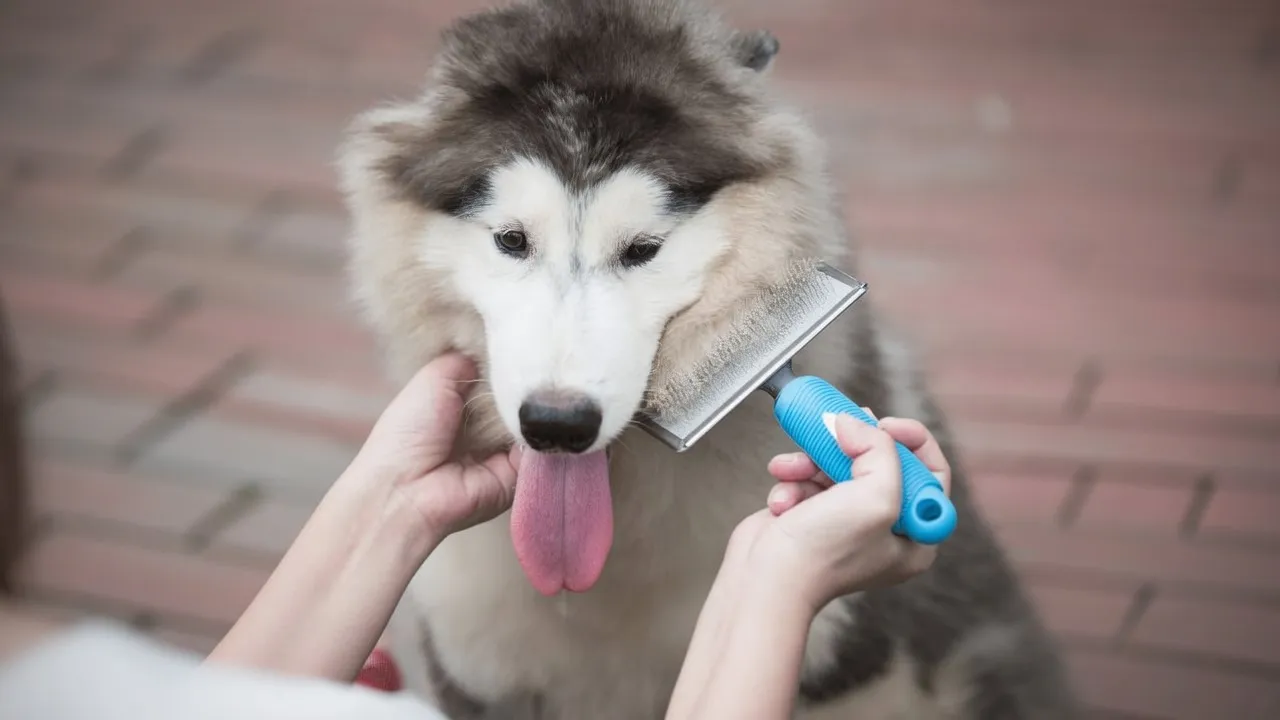
Table of Contents
The best deshedding brush for a Husky at home is an essential tool for any owner looking to manage the remarkable amount of fur these dogs can shed. Siberian Huskies are renowned for their striking appearance and energetic personalities, but their dense double coats also make them prodigious shedders. While all dogs shed to some degree, Huskies experience particularly heavy shedding, often referred to as “blowing their coat,” twice a year, typically in spring and fall. During these periods, which can last for several weeks, they release vast amounts of their soft, woolly undercoat to adapt to changing temperatures. Effective deshedding at home is not just about keeping your living space free from fur; it’s vital for your Husky’s comfort, skin health, and overall well-being. This comprehensive guide will delve into the intricacies of Husky coats, the benefits of regular deshedding, the best tools available, and how to implement an effective grooming routine right in your own home.
Understanding the Siberian Husky Coat
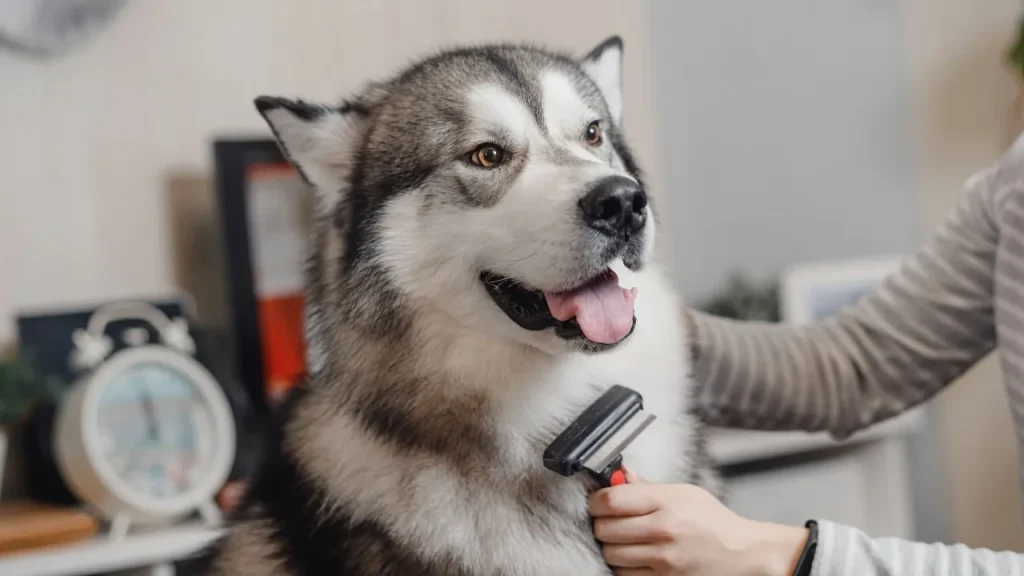
Siberian Huskies boast a magnificent double coat, a natural adaptation to their Arctic origins, designed to protect them from extreme cold and, surprisingly, to help regulate their body temperature in warmer climates. This unique coat consists of two distinct layers:
- The Undercoat: This layer is soft, dense, and woolly, providing exceptional insulation. It traps air close to the body, keeping the dog warm in winter and cool in summer by preventing heat from penetrating the skin. During seasonal changes, this undercoat is “blown out,” meaning large quantities of dead hair are released.
- The Topcoat (Guard Hairs): The outer layer comprises longer, coarser, and straighter guard hairs. These hairs are water-resistant and protect the undercoat and skin from dirt, debris, moisture, and harmful UV rays.
The structure of this double coat means that traditional brushing methods often only address the topcoat, leaving the dense undercoat largely untouched. This is where specialized deshedding tools become indispensable. Huskies do not follow a strict seasonal hair growth schedule; their fur grows continuously year-round, leading to steady shedding of loose hairs at all times, in addition to their dramatic bi-annual “blowouts”.
Why Deshedding is Crucial for Huskies
Regular deshedding goes beyond aesthetic appeal; it’s a critical component of a Husky’s health and comfort regimen. Neglecting to properly deshed a Husky can lead to several problems:
- Matting and Tangling: The loose undercoat, if not removed, can quickly become tangled and matted, especially in areas like behind the ears, under the legs, and around the tail. Mats are not only uncomfortable but can pull on the skin, causing pain and even skin irritation or infections.
- Overheating: During warmer months, a dense, un-shed undercoat can trap heat, making it difficult for your Husky to regulate its body temperature and increasing the risk of overheating.
- Skin Issues: Trapped dead fur can restrict air circulation to the skin, leading to hot spots, dermatitis, and other skin irritations. Regular deshedding promotes better air flow, which is essential for healthy skin.
- Reduced Allergens and Cleaner Home: Deshedding significantly reduces the amount of loose fur and dander in your home, which is beneficial for household cleanliness and can help alleviate allergies in humans.
- Bonding Opportunity: Grooming sessions, when done correctly and gently, can be a valuable way to bond with your Husky and strengthen your relationship.
Key Features to Look for in a Deshedding Brush
When choosing the best deshedding brush for your Husky, it’s important to select tools specifically designed for double-coated breeds. The wrong tools can damage their coat or irritate their sensitive skin. Here are the key features to consider:
- Undercoat Penetration: The brush must be able to reach deep into the dense undercoat without damaging the protective topcoat or scratching the skin.
- Gentle on Skin: Huskies have sensitive skin, so the bristles or teeth should be designed to remove loose hair gently, without pulling or causing discomfort. Look for brushes with rounded pins or teeth.
- Durable Construction: Deshedding a Husky requires a sturdy Deshedding Brush that can withstand frequent use. Stainless steel blades or robust plastic constructions are often preferred.
- Ergonomic Handle: You’ll be spending a fair amount of time brushing, especially during shedding season, so a comfortable, non-slip handle is a must.
- Ease of Cleaning: A Deshedding Brush that is easy to clean of accumulated fur will make the grooming process much more efficient. Many deshedding tools feature a “fur ejector” button for this purpose.
- Appropriate Size: Choose a brush size that is appropriate for your Husky’s size to ensure efficient and comfortable grooming.
Top Deshedding Brushes for Huskies at Home
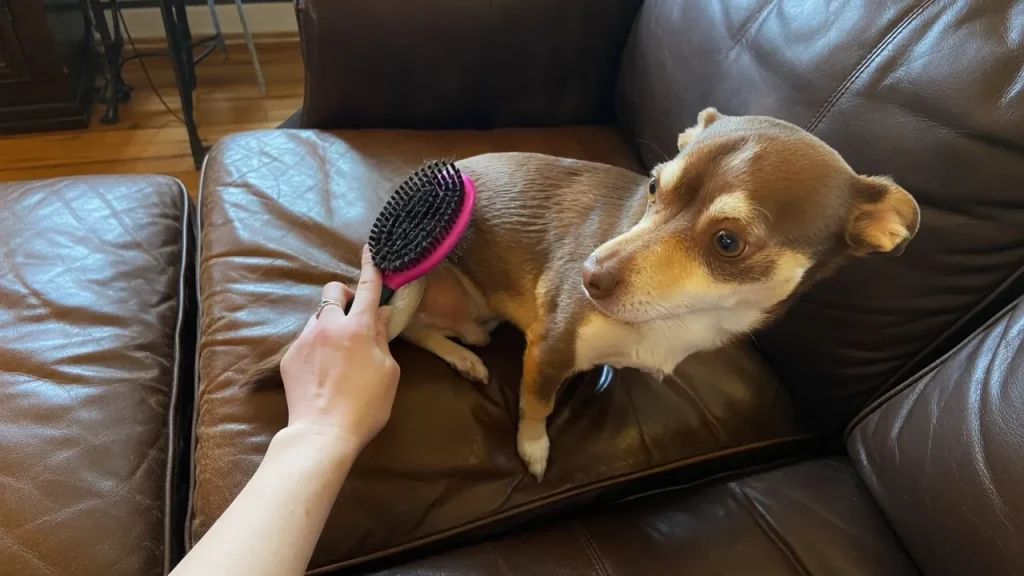
Based on expert recommendations and owner experiences, several types of Deshedding Brush are highly effective for deshedding Huskies. It’s often beneficial to use a combination of tools for the best results.
| Deshedding Brush Type | Key Features for Huskies | Pros | Cons |
|---|---|---|---|
| Undercoat Rake | Long, curved metal teeth that penetrate the topcoat to gently lift out loose undercoat. Some have rotating teeth to prevent pulling. | Excellent for reaching deep into the undercoat. Very effective at removing large amounts of dead fur. Helps prevent matting. | Can be aggressive if used incorrectly or too forcefully. May not remove all surface tangles. |
| Deshedding Tool (e.g., FURminator) | Features a stainless steel edge with fine teeth designed to reach deep into the undercoat and pull out loose hairs. Often includes a fur ejector button. | Highly effective for rapid removal of loose undercoat. Reduces shedding significantly. Quick and efficient for “blowout” periods. | Can damage the topcoat or irritate the skin if overused, used too aggressively, or if it has blades that cut guard hairs. Should not be used daily. |
| Slicker Brush | Fine, densely packed wire bristles, often bent at an angle, mounted on a flat or curved pad. | Good for daily maintenance and removing surface tangles. Helps detangle and smooth out the topcoat, giving a glossy finish. Stimulates skin and distributes natural oils. | May not penetrate the dense undercoat deeply enough on its own. Can cause “Deshedding Brush burn” if used with too much pressure. |
| Wide-Toothed Metal Comb / Greyhound Comb | Sturdy metal comb with varying tooth spacing, ideal for finishing and checking for hidden mats. | Excellent for detangling knots and mats. Helps to separate the coat and ensure all layers are brushed. Good for sensitive areas like behind the ears. | Not a primary deshedding tool; best used in conjunction with others. |
| Rubber Curry Brush / Grooming Glove | Soft rubber nubs or bristles that gently massage the skin and collect loose fur. | Great for bathing to lather shampoo and loosen fur. Gentle for daily touch-ups and bonding. Effective for both double and single-coated dogs. | Less effective for deep undercoat removal compared to rakes or deshedding tools. |
How to Effectively Deshed Your Husky at Home
An effective deshedding routine involves more than just a Deshedding Brush ; it requires technique and consistency. Here’s a step-by-step guide to deshedding your Husky at home:
- Preparation is Key: Choose a well-ventilated area, preferably outdoors during heavy shedding, to minimize fur dispersal in your home. Gather all your tools: undercoat rake, deshedding tool, slicker Deshedding Brush , and a wide-toothed comb. Have treats ready to reward your Husky for good behavior.
- Start with a Dry Coat: Always Deshedding Brush your Husky when their coat is dry, as wet fur can worsen tangles and make deshedding more difficult.
- Initial Raking (Undercoat Rake): Begin with an undercoat rake. Work in sections, starting from the neck and moving towards the tail. Use gentle, long strokes in the direction of hair growth, making sure the rake reaches deep into the undercoat without scratching the skin. This will pull out the bulk of the loose, dead undercoat. Pay extra attention to heavy shedding spots like the neck and hindquarters. If you encounter a snag, do not pull; try to gently work it out with a wide-toothed comb or use a dog-specific hair dryer to loosen the area.
- Targeted Deshedding (Deshedding Tool): After the initial raking, use a deshedding tool. Again, work in sections, using gentle, even strokes. This tool is designed to remove the deeper, more stubborn loose undercoat. Remember the caution: use sparingly and avoid going over the same spot too many times to prevent skin irritation or coat damage. During peak shedding, once or twice a week with this tool is usually sufficient.
- Smooth and Detangle (Slicker Brush and Comb): Follow up with a slicker Deshedding Brush to smooth the topcoat, remove any remaining loose hairs, and detangle surface fur. Then, use a wide-toothed metal comb to check for any missed tangles or mats, especially in sensitive areas like behind the ears, armpits, and feathering on the legs.
- The “Blowout” Bath (during shedding season): A warm bath with a good quality shed control shampoo and conditioner can help loosen and release massive amounts of undercoat during a “blowout”. Ensure you rinse thoroughly to avoid skin irritation. After bathing, use a high-velocity pet dryer (on a cool setting) to blast out any remaining loose undercoat. This is incredibly effective and can significantly reduce the amount of fur you’ll find in your home. If you don’t have a high-velocity dryer, consider a professional grooming appointment during these periods.
- Consistency is Key: Outside of the major shedding seasons, aim to Deshedding Brush your Husky 2-3 times per week. During peak shedding, daily brushing is recommended, sometimes even twice a day, to keep up with the volume of shedding.
Common Mistakes to Avoid When Deshedding
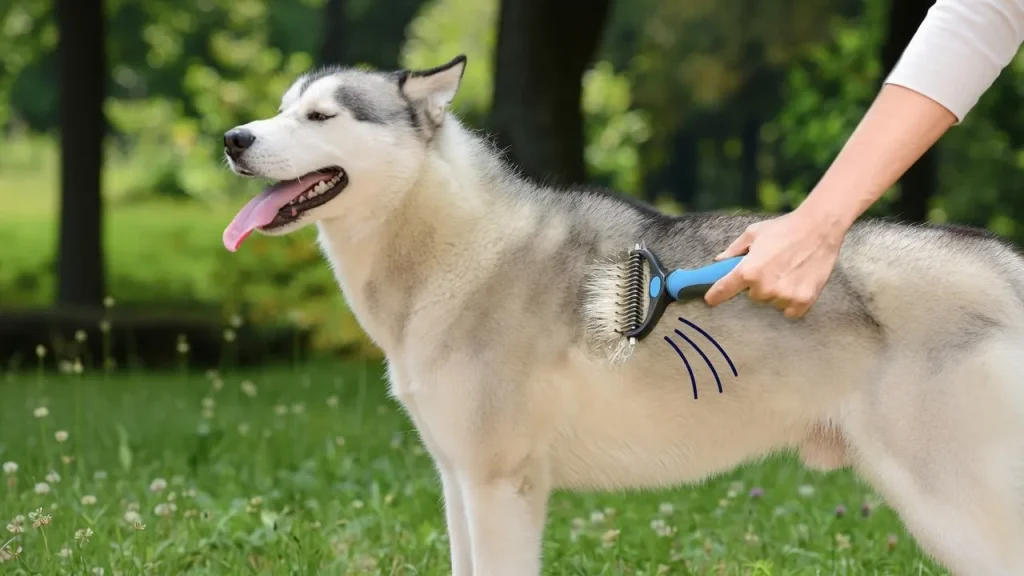
Even with the best intentions, owners can make mistakes that can harm their Husky’s coat or create a negative grooming experience.
- Shaving Your Husky: This is arguably the most critical mistake. A Husky’s double coat acts as natural insulation against both heat and cold, and it protects their sensitive skin from sunburn and harmful UV rays. Shaving can damage their coat, causing it to grow back improperly, or even not at all, compromising their natural temperature regulation and increasing risks of skin issues.
- Using the Wrong Tools: Using brushes not designed for double coats (e.g., a simple bristle Deshedding Brush for deep deshedding) will be ineffective and frustrating. Conversely, using an aggressive tool like a FURminator too often or too hard can cut the guard hairs or irritate the skin.
- Brushing Too Forcefully: Huskies have sensitive skin. Excessive pressure or harsh brushing can cause discomfort, skin irritation, or “brush burn”. Always be gentle.
- Neglecting Regular Brushing: Skipping regular brushing, even outside of peak shedding seasons, allows dead hair to accumulate and mats to form, making subsequent grooming sessions much harder.
- Bathing Too Often or Improperly Drying: While baths can help with shedding, bathing too frequently can strip natural oils, leading to dry skin. When you do bathe, it’s crucial to dry the coat thoroughly, especially the undercoat, to prevent skin irritation, hot spots, or fungal infections. High-velocity dryers are highly recommended for this.
- Not Working in Sections: Trying to Deshedding Brush the entire coat at once will be ineffective and can lead to missed spots and matting. Sectioning the fur ensures thorough grooming.
Beyond the Deshedding Brush: Complementary Grooming Tips
While the right deshedding brush is paramount, a holistic approach to grooming will ensure your Husky’s coat and skin remain in optimal condition.
- Quality Diet: A balanced diet rich in essential fatty acids (like Omega-3 and Omega-6) contributes significantly to a healthy coat and skin, which can, in turn, reduce excessive shedding. Consult your veterinarian for dietary recommendations.
- Regular Baths (with appropriate shampoo): Bathing every 1-2 months, or more frequently during heavy shedding, can help loosen dead hair. Use shampoos specifically formulated for deshedding or for dogs with double coats. Look for oatmeal or aloe-based formulas that nourish the skin without stripping natural oils. Always ensure thorough rinsing and drying.
- High-Velocity Dryer: As mentioned, these are game-changers for double-coated breeds. A high-velocity dryer can effectively “force” out dead undercoat after a bath, significantly reducing shedding and drying time. This is often what professional groomers use.
- Nail, Ear, and Dental Care: Don’t neglect other essential grooming aspects. Regular nail trims, ear cleaning, and dental care are crucial for your Husky’s overall health and comfort.
- Professional Grooming: While at-home deshedding is effective, an occasional visit to a professional groomer can provide an intensive deshedding treatment, especially during extreme “blowout” periods. Professionals have specialized tools and expertise to handle dense coats and can spot potential skin issues you might miss. For more information on professional grooming practices, Wikipedia offers a comprehensive overview of dog grooming.
The Health Benefits of Regular Deshedding
The importance of deshedding cannot be overstated when it comes to the long-term health and well-being of your Siberian Husky. Beyond the immediate relief of less fur in your home, regular deshedding provides a multitude of health benefits for your canine companion. It actively promotes a healthy coat by preventing the accumulation of loose fur that can lead to uncomfortable and potentially painful matting. Mats not only pull on the skin but also create an environment where moisture and bacteria can thrive, increasing the risk of skin infections and hot spots.
Moreover, consistent deshedding improves air circulation to your dog’s skin. This is vital for their comfort, especially during warmer weather, as it helps their natural cooling mechanisms work more efficiently. By removing the insulating dead undercoat, you help regulate their body temperature and prevent overheating, which can be a serious concern for double-coated breeds.
Regular grooming sessions also serve as an opportunity for early detection of potential health issues. As you Deshedding Brush your Husky, you’ll become familiar with their skin and body, making it easier to notice any unusual lumps, bumps, rashes, parasites, or changes in skin condition. Catching these issues early can be crucial for prompt veterinary intervention and can potentially save your pet’s life. In essence, regular deshedding is not just about coat maintenance; it’s a proactive measure that supports your Husky’s overall physical health and ensures they live a more comfortable, happy life.
Conclusion
Choosing the best deshedding brush for your Husky at home is an investment in their health, comfort, and the cleanliness of your living space. Siberian Huskies, with their magnificent double coats and pronounced shedding cycles, require a dedicated grooming routine. By understanding their unique coat structure and utilizing the right tools – primarily an undercoat rake, a quality deshedding tool, and a slicker Deshedding Brush– you can effectively manage their shedding. Remember that consistency, gentle technique, and complementary grooming practices like appropriate bathing and a healthy diet are equally important. Avoiding common mistakes like shaving their coat or using unsuitable tools will ensure a positive and beneficial grooming experience for both you and your beloved Husky. With the right approach, you can keep your Husky’s coat healthy, reduce shedding significantly, and strengthen the bond you share.