Canine Diversity: 3 Amazing Facts About Dog Breeds and Their Unique Traits

Table of Contents
Canine Diversity represent an astonishing testament to selective breeding and the enduring partnership between humans and canines. From the smallest Chihuahua to the colossal Great Dane, the sheer variety in size, shape, coat, and temperament among domestic dogs is unparalleled in the animal kingdom. Understanding this rich tapestry of breeds, from their historical origins and classifications to the unique traits of mixed breeds and specialized guardians, offers profound insights into what makes each dog special. This comprehensive guide will navigate the intricate world of canine diversity , exploring named classifications, the appeal and benefits of mutts, the striking beauty of red-coated canines, the formidable presence of the South African Boerboel, and the spirited nature of terrier mixes. Every aspect of canine diversity reveals something new about our beloved companions.
The Vast World of Dog Breeds: Names and Classifications
The concept of ‘dog breeds’ as we know it today is a relatively recent invention, largely solidified over the last 150 years, although the domestication of dogs began tens of thousands of years ago. Genetic studies suggest that dogs diverged from an extinct wolf population approximately 27,000 to 40,000 years ago. Early humans likely partnered with docile wolves, a relationship that gradually evolved into domestication, making dogs the first domesticated animal. As human societies developed, so did the roles of dogs, leading to intentional breeding for specific tasks like hunting, herding, and guarding. This selective breeding process, often described as a form of rudimentary genetic engineering, has dramatically shaped the hundreds of distinct dog breeds recognized worldwide, contributing to the extraordinary canine diversity we see today.
Today, organizations like the American Kennel Club (AKC) classify nearly 200 recognized breeds into various groups, providing a structured way to understand their original purposes and inherent characteristics. These groups include:
- Sporting Group: Dogs bred to assist hunters in retrieving game, such as Labrador Retrievers and Golden Retrievers. They are known for their athleticism, endurance, and amiable temperaments.
- Hound Group: Characterized by their exceptional sense of smell or sight, hounds like Beagles and Greyhounds were developed for tracking prey.
- Working Group: Comprising breeds like Akitas and Great Danes, these dogs were historically used for tasks such as guarding property, pulling sleds, and water rescue, requiring strength and intelligence.
- Terrier Group: Known for their feisty and energetic personalities, terriers were originally bred to hunt vermin.
- Toy Group: Small companion dogs like the Chihuahua and Pomeranian, primarily bred for companionship.
- Non-Sporting Group: A diverse group of breeds with varied histories and appearances, including Bulldogs and Poodles.
- Herding Group: The newest AKC classification, these dogs, such as German Shepherds and Border Collies, were developed to control the movement of other animals.
This classification helps prospective owners understand a breed’s natural tendencies and compatibility with their lifestyle, though individual temperament and training always play a significant role. The genetic variation between dog breeds is significantly greater than variation within breeds, highlighting the distinct genetic profiles that define each breed and contributing to the overall canine diversity .
The Unsung Heroes: Understanding Mutt Dog Breeds
While purebred dogs capture attention with their standardized appearances and predictable traits, mutts, or mixed-breed dogs, are often celebrated for their unique charm and robust health. A mutt is simply a dog whose parents come from different breeds, resulting in a combination of two or more lineages. Unlike deliberately bred ‘designer hybrids’ (which are often first-generation crosses of two purebreds), true mutts typically have a more unknown or varied genetic background, making each one truly one-of-a-kind. This is a beautiful example of canine diversity .
One of the most significant advantages often attributed to mutts is their potential for better health and longer lifespans. This phenomenon, sometimes referred to as ‘hybrid vigor,’ suggests that a wider gene pool can reduce the likelihood of inheriting breed-specific genetic conditions common in many purebreds, such as hip dysplasia, certain heart diseases, or spinal issues. While mutts are not immune to all ailments, their diverse genetic makeup can offer a buffer against the concentration of specific hereditary conditions often seen in breeds with limited genetic diversity. Studies suggest that while overall medical diagnoses rates are similar, mutts may have a lower risk for certain inherited conditions. Mutts, for instance, typically live an average of 14 years, compared to the 10-year average for purebreds. This genetic canine diversity is a key advantage.
Beyond health, mutts offer unparalleled individuality. Their physical appearance and temperament are less predictable, leading to delightful surprises in terms of coat colors, patterns, sizes, and personalities. Owners often report that mixed breeds have well-rounded and adaptable temperaments, blending desirable traits from their varied ancestries. Adopting a mutt from a shelter not only brings a loving companion into a home but also gives a deserving animal a second chance, addressing pet overpopulation. Every mutt represents the beauty of canine diversity .
A Splash of Color: Exploring Red Dog Breeds
Red coats in dogs encompass a stunning spectrum of shades, from rich mahogany and rust to vibrant chestnut and deep ginger. This striking coloration is a beloved trait in numerous breeds, contributing significantly to their aesthetic appeal and recognition. Many breeds are known for their fiery hues, some even having red as a standard or defining characteristic. This color variation is another facet of canine diversity .
Some of the most popular red dog breeds include:
- Irish Setter: Famous for its luxurious, flowing coat in shades of rich chestnut and mahogany, the Irish Setter is an elegant and energetic gundog.
- Vizsla: Hailing from Hungary, the Vizsla boasts a distinctive rusty gold or red-gold coat that is short, sleek, and low-maintenance. These dogs are known for their affectionate nature and high energy.
- Rhodesian Ridgeback: Recognized by the distinctive ridge of hair along its back, this powerful African breed typically sports a wheaten (light red to golden red) coat.
- Shiba Inu: This spirited Japanese breed often comes in a striking red coat, contrasting beautifully with its alert, fox-like expression and curled tail.
- Golden Retriever: While often thought of as “golden,” this beloved breed’s coat can range from cream to a deep, rich red. They are known for their friendly and intelligent nature.
- Redbone Coonhound: True to its name, this American hunting dog is celebrated for its solid, deep red or reddish-brown coat.
- Cocker Spaniel: Available in various colors, red or “cherry” Cocker Spaniels feature silky, flowing coats in shades from golden-red to mahogany.
- Poodle: Though commonly associated with white, black, or brown, Poodles also come in beautiful shades of red, known for their elegance and intelligence.
- Dachshund: These long-bodied dogs come in many colors, with red being a popular choice, ranging from light to deep reddish-brown.
- Australian Shepherd: Often seen in striking merle patterns, “red” Australian Shepherds showcase vibrant reddish-brown patches.
- Basenji: This unique “barkless” dog from Africa frequently displays a distinctive red and white coat.
The genetic underpinnings of these red hues can vary, but the visual impact is consistently stunning, making these breeds highly sought after by those who appreciate a vibrant canine companion. Many red-coated dogs, especially those historically bred for hunting, are energetic and thrive with active lifestyles. This color variation is a vibrant example of canine diversity .
| Dog Breed Category | Description | Key Characteristics | Predictability (Appearance & Temperament) | Genetic Diversity / Health Outlook |
|---|---|---|---|---|
| Purebred Dog | A dog whose ancestry is officially recorded, belonging to a recognized breed standard. | Conforms to specific breed standards (e.g., appearance, size, certain behavioral tendencies). Bred for specific tasks. | High; physical traits and general temperament are largely predictable. | Lower genetic diversity due to limited gene pool; potentially higher risk of breed-specific genetic diseases. |
| Mutt (Mixed-Breed) | A dog whose parents are of different, often unknown, breeds. | Highly varied appearance and temperament, drawing traits from multiple ancestries. | Low; unique and unpredictable combination of traits. | Higher genetic diversity (“hybrid vigor”); potentially lower risk of breed-specific genetic diseases; generally longer lifespan. |
| South African Boerboel | A specific purebred Mastiff-type dog from South Africa. | Large, muscular, protective, confident, loyal, often with short, dense fawn, red, brown, or black coats. Bred for guarding. | High for breed-specific traits; requires experienced handling due to strong guarding instincts. | Typical for a purebred; potential for breed-specific issues though often known for hardiness. |
| Terrier Mix | A mixed-breed dog with one or more Terrier breeds in its lineage. | Combines the spirited, energetic, and often bold nature of terriers with traits from other breeds. Highly variable. | Moderate; retains some terrier characteristics but influenced by other parent breeds. | Higher than a purebred terrier; benefits from mixed genetic pool. |
The Majestic Guardian: South African Boerboel

Among the world’s powerful working breeds, the South African Boerboel stands out as a magnificent guardian with a rich history deeply intertwined with the landscape of its origin. Hailing from South Africa, the Boerboel, whose name translates to “farmer’s mastiff,” was meticulously developed over centuries by Dutch settlers to protect remote farms and homesteads from dangerous wildlife and intruders. This breed is unique as the only working mastiff in the world bred solely for the purpose of guarding and protecting the family and property. The Boerboel is a testament to canine diversity in its most powerful form.
Physically, the Boerboel is an imposing dog, characterized by its formidable size, robust bone structure, and well-developed muscles. Males typically stand between 25.5 and 27.5 inches tall and can weigh between 154 and 198 pounds, while females are slightly smaller. Despite their substantial build, Boerboels are surprisingly agile and capable of quick movements when necessary. Their short, sleek, and dense coat can come in various shades of fawn, red, brown, or black, often accompanied by a distinctive black mask. Black skin pigmentation is often a required health standard, regardless of coat color.
The temperament of the Boerboel is its most crucial characteristic. They are inherently confident, calm, and reliable dogs, not prone to nervousness or biting out of fear. However, their strong protective instinct means they are fiercely loyal and will defend their family without hesitation against perceived threats. This unwavering loyalty and protective nature make them excellent guardians, but it also means they are not suitable for novice owners. Boerboels require early, consistent socialization and training to manage their powerful protective instincts and ensure they are well-mannered and balanced companions. They thrive in a family environment where they can establish their territory and remain close to their loved ones, rarely wandering or barking without reason. While gentle and playful with their families and older children, their imposing presence and strong will demand a confident and experienced owner who can provide clear leadership and ongoing training throughout their lives.
The Dynamic Blends: Unpacking Terrier Mix Dog Breeds
Terrier mixes represent a fascinating category of mixed-breed dogs that inherit the distinctive traits of terrier breeds combined with the characteristics of other dog types. A terrier mix is essentially any dog that has at least one terrier breed in its lineage, resulting in a wide array of sizes, appearances, and personalities. The American Kennel Club’s Terrier Group itself encompasses a broad spectrum of dogs, all sharing an undeniable zest for life and often a bold, energetic disposition. When a terrier is crossed with another breed, these core terrier traits often shine through, creating unique and dynamic companions. Terrier mixes are a perfect example of canine diversity in action.
Common traits inherited from the terrier side often include a high energy level, intelligence, curiosity, and a tenacious spirit. Many terriers were originally bred for hunting vermin, which can translate into a strong prey drive in their mixed-breed descendants. However, the inclusion of another breed’s genetics can temper or complement these traits, leading to a more varied temperament than a purebred terrier might possess.
The variety among terrier mixes is virtually limitless, but some popular examples include:
- Jack Russell Terrier Mix: Known for their boundless energy and intelligence, mixes like the Jackabee (Jack Russell Terrier x Beagle) often combine playfulness with a strong scent drive.
- Chihuahua Terrier Mix (e.g., Chorkie, Jack Chi/Jackhuahua): These mixes often result in small dogs with big personalities, inheriting the feistiness of a terrier and the spirited nature of a Chihuahua. They can be affectionate lapdogs but may also be temperamental around strangers without proper socialization.
- Rat Terrier Mix: The Rat Terrier’s quickness and alertness, when mixed with other breeds, can produce intelligent and lively dogs, such as the Ratcha (Rat Terrier x Chihuahua).
- Pitbull Terrier Mix: Often combining the strength and loyalty of Pitbull-type dogs with other breeds, resulting in powerful yet potentially gentle and devoted companions, like the Bullboxer (Boxer x Pitbull Terrier).
- Yorkshire Terrier Mix (e.g., Morkie, Shorkie): These mixes typically produce tiny, affectionate, and sometimes vocal dogs, blending the Yorkie’s spirited nature with other small breeds like the Maltese or Shih Tzu. They can be very loyal but prone to separation anxiety.
- Terrier Poodle Mix (e.g., Airedoodle): Combining a terrier’s traits with the Poodle’s intelligence and often hypoallergenic coat, these mixes can be smart, energetic, and sometimes less shedding.
Terrier mixes are often found in shelters, offering prospective owners the chance to adopt a dog with a unique blend of characteristics, embodying the best (and sometimes most challenging) aspects of their diverse heritage. Their adaptability and varied temperaments can make them excellent companions for a wide range of lifestyles, provided their owners understand their potential energy levels and training needs. For more help finding professional services, our guide on pet groomers near me can help you find the right support. For foundational training advice that can help build trust, you might find our guide on easy commands every puppy should learn very useful. For related tips on managing behavior, you might also want to read our piece on how to stop excessive dog barking . To ensure you’re using the best products, see our recommendations for the best dog shampoo for itchy skin .
Choosing Your Canine Companion
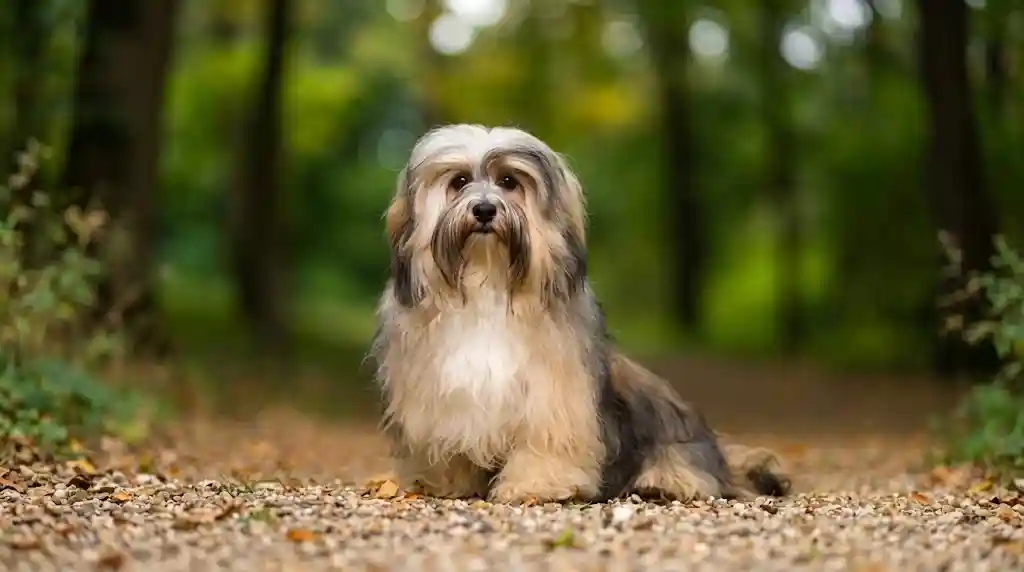
The decision to welcome a dog into your home is a significant one, regardless of whether you choose a purebred or a mixed-breed animal. Responsible dog ownership begins with careful consideration of various factors to ensure a harmonious match between dog and owner. It’s crucial to look beyond a dog’s appearance and delve into aspects such as their energy level, grooming requirements, potential health concerns, and inherent temperament.
For instance, a high-energy breed like a Border Collie or a Jack Russell Terrier mix will require substantial daily exercise and mental stimulation, making them ideal for active individuals or families who can commit to long walks, runs, or dog sports. In contrast, a more laid-back breed or mix, perhaps with Basset Hound or Bulldog lineage, might be better suited for a less active household. Grooming needs also vary dramatically; some breeds, like Poodles or many long-haired mixes, demand regular professional grooming or daily brushing to prevent matting, while short-haired breeds may require minimal maintenance.
Temperament is another critical factor. While every dog is an individual, breed tendencies offer a valuable starting point. Some breeds are known for being naturally friendly and patient, making them excellent companions for families with children or other pets. Others may be more independent, reserved, or possess strong guarding instincts, requiring experienced owners and consistent socialization to thrive. Before committing, it is highly recommended to research breeds thoroughly, speak with breeders, rescue organizations, or current owners, and even visit shelters to interact with dogs. Understanding the history and purpose of different breeds, as championed by organizations like the American Kennel Club, can provide invaluable insight into a dog’s intrinsic motivations and needs. Ultimately, selecting a dog that aligns with your lifestyle, living situation, and capacity for commitment will foster a rewarding and lasting bond. If your dog is excessively itchy, check out our article on why is my dog itching so much for more insights. For more information on skin conditions, our article on dog allergy understanding and managing provides comprehensive information. You can also learn more about dog skin infection a comprehensive guide for deeper understanding of skin health. If you’re just starting out, our dog grooming checklist for first-time owners is a great resource to ensure you have everything you need. You may also find our comprehensive dog grooming tips a comprehensive guide helpful for additional information. You can also explore dog grooming near me finding the perfect for more options.
Conclusion
Dog breeds, in all their myriad forms, stand as a testament to the diverse needs and desires of humankind throughout history, as well as the incredible adaptability of canines. From the ancient lineage of purebreds with their distinct characteristics to the boundless variety and often robust health of mutts, each dog offers a unique set of traits that can enrich human lives. Whether captivated by the vibrant hues of red-coated breeds, impressed by the stoic guardianship of the South African Boerboel, or charmed by the spirited blends of terrier mixes, the journey of understanding and appreciating canine diversity is an endlessly fascinating one. The bond between humans and dogs, cultivated over millennia, continues to evolve, reminding us that every dog, regardless of its pedigree, holds a special place in our hearts and homes. Celebrating canine diversity means celebrating the wonderful variety of dogs that enrich our lives every day.
