Dog Tail Growth: 10 Amazing Facts Every Dog Owner Should Know
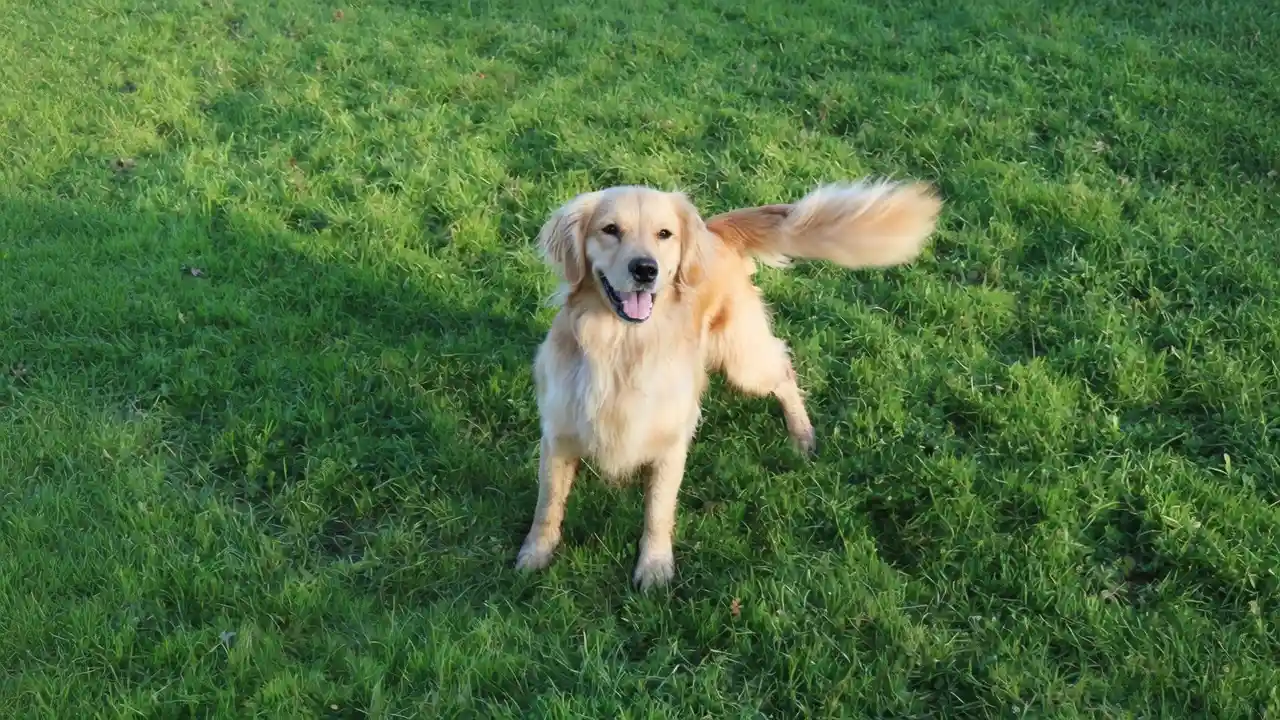
Table of Contents
Dog tail growth is a fascinating aspect of canine development, deeply intertwined with a dog’s overall health, physical capabilities, and even its emotional expression. Far from being a mere appendage, the dog’s tail is a complex anatomical structure that plays crucial roles in balance, communication, and protection. Understanding how a dog’s tail grows, the factors that influence its development, and its various functions can provide valuable insights into canine biology and behavior. This comprehensive article delves into the intricate world of dog tail development, from the early stages of puppyhood to the fully formed tails of adult dogs, exploring the science behind their growth and the significance they hold for our four-legged companions.
The Anatomy and Purpose of a Dog’s Tail
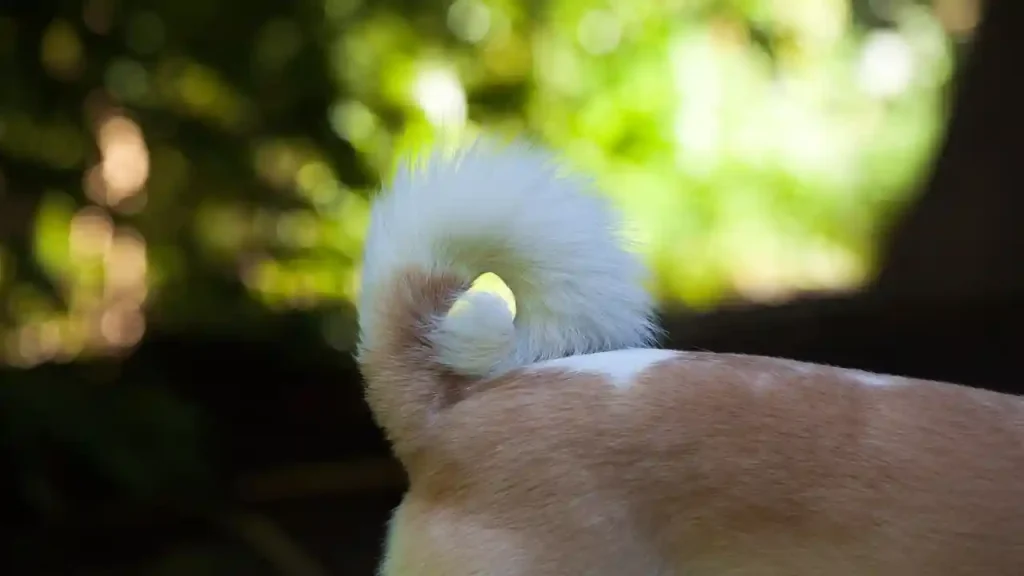
The Dog Tail Growth is an extension of its spine, composed of a varying number of vertebrae, typically ranging from 5 to 23 depending on the breed. These caudal vertebrae decrease in size towards the tip of the tail. Surrounding these bones are an intricate network of muscles, nerves, and blood vessels, all working in concert to allow for a wide range of motion and sensitivity. The powerful muscles at the base of the tail enable it to move with significant force and precision, contributing to its diverse functions.
Beyond its skeletal and muscular components, the tail is also covered in skin and fur, which can vary greatly in length, texture, and density across different breeds. Some breeds possess short, naturally docked tails, while others boast long, feathery plumes or tightly curled appendages. This anatomical diversity reflects centuries of selective breeding and adaptation to various environments and working roles. The tail’s primary purposes extend beyond aesthetics, encompassing vital roles in balance, mobility, and sophisticated communication.
From Puppyhood to Adulthood: The Stages of Tail Growth
The journey of a dog’s tail growth begins even before birth, with the formation of the caudal vertebrae during embryonic development. At birth, a puppy’s tail is already present, though it will undergo significant changes in size and strength as the puppy matures. The growth of a dog’s tail mirrors the overall growth pattern of the dog itself, characterized by rapid development in the early months followed by a gradual slowdown as the Dog Tail Growth approaches adulthood.
Early Development in Puppies
Newborn puppies have tails that are proportionate to their small bodies. These tails are typically soft and flexible, and while puppies can move them, the full muscular control and range of motion develop over time. In the first few weeks, as puppies gain strength and coordination, their tails become more active. They start to wag in response to their mother and littermates, signaling early forms of social interaction. During this period, the bones in the tail are still developing and fusing, and the surrounding muscles are rapidly strengthening. This early stage is crucial for establishing the basic structure and functionality of the tail. Observing a puppy’s tail during this phase can sometimes offer early indications of its eventual size and shape, though significant growth is still to come. Proper nutrition during this critical early development phase is vital for robust bone and muscle formation, not just for the tail but for the entire skeletal system. For more insights into canine health and development, consider exploring comprehensive dog health tips.
Adolescent Growth Spurts
As puppies transition into adolescence, typically between 3 to 12 months of age, they experience significant growth spurts. This period is when the most noticeable lengthening and thickening of the tail occur. The caudal vertebrae continue to ossify and grow, and the muscles surrounding them become more developed and powerful. The tail starts to take on the characteristic shape and length associated with the dog’s breed. For instance, a Labrador Retriever puppy’s tail will begin to thicken into its characteristic “otter tail,” while a Greyhound’s tail will lengthen and become more whip-like. During this adolescent phase, the Dog Tail Growth also gains better control over its tail movements, using it more purposefully for balance during play and for expressing a wider range of emotions. The rate of tail growth, like overall body growth, can vary depending on the breed, individual genetics, and nutritional intake.
Factors Influencing Dog Tail Growth
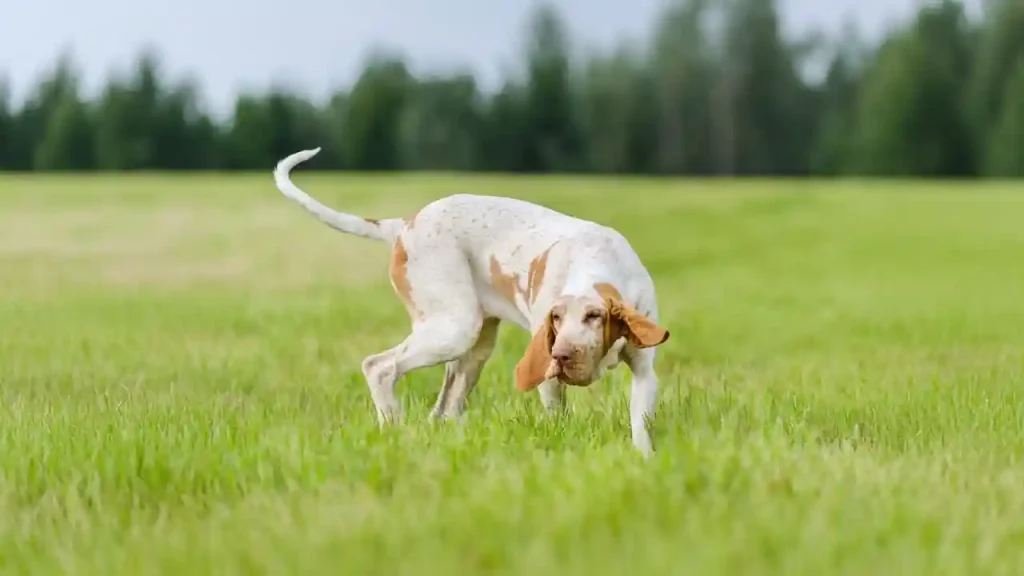
Several factors contribute to the ultimate size, shape, and health of a dog’s tail. These include genetics, breed characteristics, nutrition, and overall health. Understanding these influences can help owners appreciate the natural diversity in canine tails and recognize potential issues.
Breed-Specific Tail Characteristics
Breed is perhaps the most significant determinant of a Dog Tail Growth characteristics. Centuries of selective breeding have resulted in an astonishing variety of tail types, each suited to specific functions or simply valued for their aesthetic appeal. For example, scent hounds like Beagles often have long, saber-like tails that are used to communicate their location to hunters in dense undergrowth. Herding breeds such as Border Collies possess tails that aid in balance and direction changes during strenuous work. Water retrieving breeds like Newfoundlands and Labrador Retrievers have thick, strong tails that act like rudders in the water. Breeds like the Pug and Bulldog famously have tightly curled or corkscrew tails due to specific vertebral malformations that are considered characteristic of the breed. The Wikipedia page on dog tails provides a great overview of these diverse forms and functions. Some breeds, such as the Australian Shepherd and the Brittany, can even be born with naturally short or “bobbed” tails, a genetic trait distinct from tail docking.
Genetics and Nutrition
Beyond breed, an individual Dog Tail Growth genetics play a crucial role. Just like height and coat color, tail length, thickness, and carriage are inherited traits. Even within a single breed, there can be slight variations in tail characteristics due to individual genetic makeup. Nutrition is another critical factor. A balanced diet rich in essential vitamins, minerals (especially calcium and phosphorus for bone development), and proteins is vital for healthy bone, muscle, and cartilage growth, including that of the tail. Malnutrition or deficiencies during critical growth periods can potentially impact the full development of the tail, leading to weaker bones or stunted growth. Conversely, over-nutrition leading to obesity can put undue stress on the skeletal system, though its direct impact on tail length specifically is less pronounced than on overall body size.
Consider the following table detailing common tail types and associated breeds:
| Tail Type | Description | Common Breeds | Primary Function/Characteristic |
|---|---|---|---|
| Saber/Sickle Tail | Carried in a slight curve, often held low when relaxed. | German Shepherd, Akita | Balance, communication, often reflects alertness. |
| Otter Tail | Thick at the base, tapering to a point, rounded appearance. | Labrador Retriever, Newfoundland | Acts as a rudder for swimming, balance. |
| Plume Tail | Long, heavily feathered tail, carried high over the back. | Pomeranian, Siberian Husky, Golden Retriever | Adds to balance, warmth, highly expressive. |
| Corkscrew/Screw Tail | Short, tightly curled due to fused vertebrae. | Pug, French Bulldog, English Bulldog | A breed-specific genetic trait, little functional use beyond breed standard. |
| Whip Tail | Long, thin, tapering to a fine point. | Greyhound, Whippet | Essential for balance and steering at high speeds during pursuit. |
| Bob Tail | Naturally short or absent tail. | Australian Shepherd (can be), Brittany (can be) | Genetic trait, not a result of docking. |
Common Issues and Abnormalities in Tail Growth

While most Dog Tail Growth develop healthy tails, various issues and abnormalities can arise. These can range from genetic conditions to injuries or infections. One common issue is a “kinked” or “bent” tail, which can be present from birth due to a congenital vertebral malformation or result from an injury. While often harmless, severe kinks can sometimes cause discomfort or interfere with movement. “Limber tail” syndrome, also known as acute caudal myopathy or cold water tail, is another condition where the tail becomes painful and limp, often after strenuous activity or exposure to cold water.
Injuries are also a frequent cause of tail problems. Dogs can break their tails, suffer cuts, or experience nerve damage. “Happy tail” syndrome, for example, occurs in Dog Tail Growth with long, strong tails that wag enthusiastically against hard surfaces, leading to repeated trauma, skin breaks, and sometimes severe bleeding. Infections, particularly around the base of the tail or in docked tails, can also occur if hygiene is not maintained. Owners should regularly inspect their dog’s tail for any signs of injury, swelling, pain, or unusual lumps, and consult a veterinarian if concerns arise. Early detection and treatment are key to preventing more serious complications and ensuring the Dog Tail Growth comfort and mobility.
The Role of the Tail in Canine Communication and Balance
Beyond its physical structure, the dog’s tail is an indispensable tool for communication and plays a crucial role in maintaining balance. Dog Tail Growth use their tails to convey a wide spectrum of emotions and intentions, making tail carriage and movement an integral part of their body language. A high, rapidly wagging tail often signifies excitement or happiness, while a tail tucked between the legs typically indicates fear, submission, or anxiety. A slow, gentle wag might suggest curiosity or uncertainty. The height at which the tail is carried, the speed and amplitude of its wag, and the direction of the wag (e.g., more to the right when positive, more to the left when negative) all contribute to a complex language understood by other canines and attentive humans alike.
In addition to communication, the tail serves as a counterbalance, particularly during rapid movements. When a Dog Tail Growth runs, jumps, or makes sharp turns, its tail shifts to help stabilize the body, much like a tightrope walker uses a pole. This function is especially vital for agile breeds used in hunting, herding, or competitive sports, where quick changes in direction and maintaining equilibrium are paramount. For instance, breeds like Greyhounds and Whippets, known for their speed, use their long, flexible tails as rudders to steer and maintain balance during high-speed chases. The muscles and vertebrae of the tail work dynamically with the rest of the dog’s musculoskeletal system to facilitate fluid and controlled motion. Understanding this dual function of the tail—as a communicative device and a balancing aid—highlights its immense importance in a dog’s life.
Caring for Your Dog’s Tail Throughout Its Life
Proper care for your dog’s tail is essential for its health and function. Regular inspection should be part of routine grooming, especially for breeds with long, feathered, or heavily coated tails that can easily accumulate dirt, burrs, or become matted. Brushing these tails can prevent tangles and skin irritations. For active Dog Tail Growth, checking the tail for cuts, scrapes, or “happy tail” injuries is important, particularly after outdoor adventures. If you notice any signs of injury, swelling, or pain, prompt veterinary attention is crucial. Dog Tail Growth with naturally bobbed or surgically docked tails also require care; the stump should be kept clean and dry, especially in the initial healing stages, to prevent infection. Ensuring a balanced diet supports the overall health of bones and muscles, including those in the tail. By being attentive to your Dog Tail Growthtail, you can help prevent issues and ensure this vital appendage remains healthy and functional throughout its life. Learning about various dog breeds and their specific needs can also help in providing tailored care.
Conclusion
The journey of dog tail growth is a testament to the intricate design and adaptability of canines. From the delicate, developing tail of a newborn puppy to the strong, expressive appendage of an adult dog, the tail undergoes significant transformation, influenced by genetics, breed, and environment. Far from being a simple body part, the tail is a sophisticated anatomical structure critical for balance, mobility, and, most notably, communication. Understanding its anatomy, recognizing the stages of its growth, and appreciating its multifaceted roles allows us to better comprehend our canine companions. Owners who pay attention to their dog’s tail health and behavior gain invaluable insights into their pet’s well-being and emotional state, fostering a deeper bond and ensuring a happier, healthier life for their beloved Dog Tail Growth.