Pet Supplement Growth: 10 Amazing Trends Shaping the Market in 2026
Table of Contents
Pet supplement growth is rapidly transforming the global pet care industry, driven by evolving consumer perceptions of pets as integral family members and a heightened focus on preventive healthcare. This market, once a niche segment, has blossomed into a significant contributor to the overall pet economy, reflecting a broader trend of human wellness mirroring in animal care. Owners are increasingly seeking out products that can enhance their pets’ quality of life, longevity, and overall well-being, moving beyond basic nutrition to embrace targeted health solutions. The trajectory of this market indicates a robust future, characterized by innovation, expanding product categories, and increased accessibility.
The Unstoppable Rise of Pet Supplement Growth

The global pet supplement market has witnessed remarkable expansion over the past few years, becoming one of the most dynamic segments within the pet industry. Valued at approximately USD 3.14 billion in 2025, the market is projected to reach USD 5.47 billion by 2034, exhibiting a compound annual growth rate (CAGR) of 6.34% during the forecast period. Other reports indicate the market size was USD 2.8 billion in 2025, with a projected growth to USD 4.6 billion by 2033 at a CAGR of 6.9%. A third source estimates the market at USD 2.81 billion in 2025, reaching approximately USD 6.61 billion by 2035, growing at a CAGR of 8.93% from 2026 to 2035. This consistent upward trend underscores a fundamental shift in how pet owners approach their companions’ health.
The surge in demand is largely attributed to the “pet humanization” trend, where animals are treated with the same care and consideration as human family members. This mindset encourages pet parents to invest significantly in premium products and services, including supplements, to ensure their pets remain active, healthy, and happy throughout their lives. The COVID-19 pandemic further accelerated this trend, as increased time at home with pets led to greater attention to their health and wellness, solidifying the perceived benefits of pet supplements. This proactive approach to pet health, moving from reactive treatment to preventive care, is a crucial element fueling the market’s trajectory.
Key Drivers Fueling the Pet Supplement Boom
Several significant factors are contributing to the accelerated pet supplement growth:
- Pet Humanization: This is arguably the most powerful driver. As pets become integral members of families, owners are increasingly willing to spend on products that mirror human health standards and provide a better quality of life for their companions.
- Increased Pet Ownership: Global pet adoption rates have risen, partly due to demographic changes and the desire for companionship, especially during and after the pandemic. More pets mean a larger consumer base for pet care products, including supplements.
- Focus on Preventive Healthcare: A growing awareness of the importance of preventive health for pets mirrors human wellness trends. Pet parents are using supplements to proactively support joint health, digestion, immunity, skin and coat condition, cognitive health, and emotional well-being, rather than only addressing illnesses.
- Aging Pet Population: Particularly in developed markets, the increasing number of aging pets drives demand for supplements that address age-related issues such as joint problems, cognitive decline, and other senior-specific health concerns.
- Rising Disposable Incomes: As incomes rise, consumers are more likely to spend on premium pet food, supplements, and services.
- E-commerce Expansion: The growth of online retail platforms has significantly improved access to a wide array of pet supplements. E-commerce platforms offer broader product assortments, ease of comparison, home delivery, and subscription models, making purchases more convenient for pet owners. The e-commerce segment is expected to dominate the market, growing at a CAGR of 9.2% from 2025 to 2030.
- Advancements in Veterinary Science and Education: Greater veterinary engagement and increased awareness among pet owners about diet-related health issues also contribute to the rising demand for prescribed and over-the-counter supplements.
Understanding the Pet Parent Demographic: A Shift in Perception
The demographic of pet owners, particularly millennials, plays a crucial role in driving the pet supplement market. Millennial pet owners are highly engaged and often view their pets as children, leading to increased spending on premium and personalized pet products. This generation, along with others, is increasingly conscious of the ingredients in pet supplements and seeks products that address specific health concerns for their animals.
The shift from “pet owner” to “pet parent” signifies a profound change in consumer behavior. This translates into a willingness to invest in supplements that offer targeted benefits, supporting everything from anxiety relief and cognitive function to immune support and eye health. Pet parents are actively seeking out functional ingredients such as glucosamine, chondroitin, omega-3 fatty acids, probiotics, vitamins, and calming botanicals, which are perceived as safe, convenient, and suitable for long-term use. This demographic is also more likely to use premium food formats, be motivated by sustainability, and shop across a range of offline and online channels.
A Deep Dive into Popular Pet Supplement Categories
The diversity of pet supplements available reflects the wide range of health concerns pet parents aim to address. Key categories experiencing significant demand include:
- Hip & Joint Health: These supplements consistently hold the largest market share due to the high prevalence of joint issues in aging pets and active breeds. Ingredients like glucosamine, chondroitin, and MSM are common in these formulations, supporting cartilage and promoting flexibility and mobility.
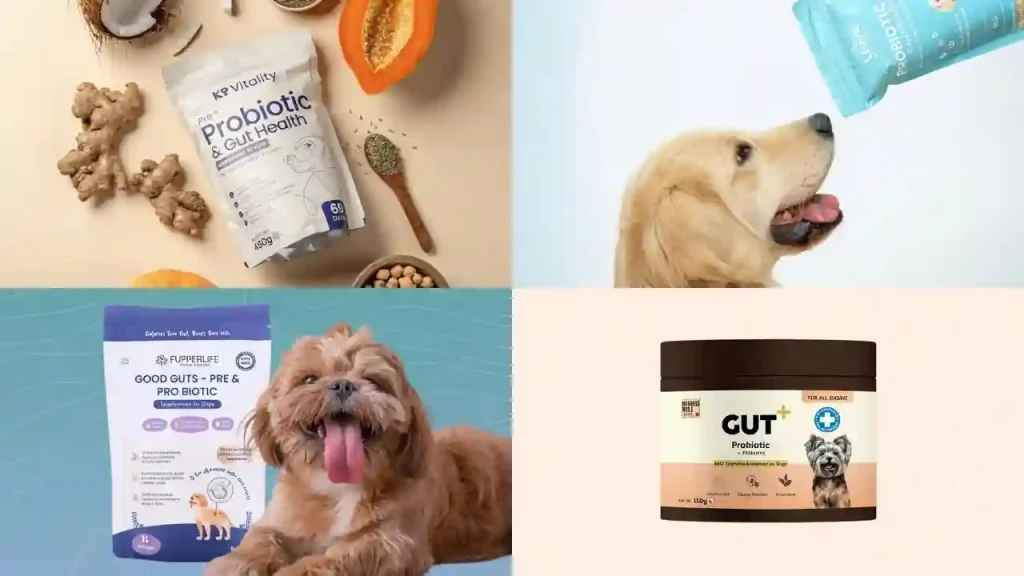
- Digestive Health: Probiotics and prebiotics are highly sought after to support gut health, which is crucial for overall immunity. Digestive issues like diarrhea, constipation, and poor nutrient absorption are common, making these supplements essential for many pets.
- Skin & Coat Health: Omega-3 and omega-6 fatty acids, often derived from fish oil, are popular for promoting a lustrous coat, healthy skin, and reducing shedding. These also offer anti-inflammatory benefits.
- Multivitamins: While less critical for Pet Supplement Growth on a balanced diet, multivitamins are still popular among owners looking for general wellness support, including immune system, heart health, and energy levels.
- Calming & Anxiety Relief: With many pets experiencing stress or anxiety, supplements designed to promote calmness are gaining traction.
- Immune System Support: A strong immune system is vital for Pet Supplement Growth , and supplements targeting this area are increasingly in demand.
- Cognitive Function: Especially for senior pets, supplements aimed at supporting brain health and cognitive function are an emerging area of interest.
Chewable forms currently dominate the market due to their ease of administration and palatability, making them a preferred choice for many Pet Supplement Growth owners. Powders are also growing in popularity for their quick absorption and ease of mixing into food.
Market Size and Future Projections: Where is Pet Supplement Growth Headed?
The global pet supplements market is on a steady growth trajectory, with varying estimates underscoring a consistent positive outlook. North America consistently holds the largest share of the market, representing around 43.37% in 2025 according to one report, and 48.1% according to another. The region’s dominance is attributed to high Pet Supplement Growth ownership rates, significant spending on pet wellness, and a well-developed veterinary infrastructure. The Asia Pacific region is expected to demonstrate the highest growth rate, driven by increasing pet adoption, rising disposable incomes, and expanding online retail channels in countries like China, India, Australia, and Japan.
| Market Metric | 2025 Value (USD Billion) | Projected 2030/2033/2034 Value (USD Billion) | CAGR (Forecast Period) | Key Drivers |
|---|---|---|---|---|
| Global Pet Supplements Market Size | 2.8 – 3.14 | 4.11 (by 2030), 4.6 (by 2033), 5.47 (by 2034), 6.61 (by 2035) | 6.34% (2026-2034), 6.9% (2026-2033), 8.7% (2025-2030), 8.93% (2026-2035) | Pet Humanization, Preventive Care, E-commerce, Aging Pet Population |
| North America Market Share (2025) | 43.37% – 49.1% | High consumer awareness, developed veterinary infrastructure | ||
| E-commerce Growth Rate | 9.0% (2026-2033), 9.2% (2025-2030) | Convenience, wider selection, subscription models | ||
| Hip & Joint Segment Share (2025) | 21.6% (by application) | 6.0% (2024-2034 for dietary supplements) | Prevalence of joint issues in pets, proactive treatment seeking |
Navigating the Regulatory Landscape and Quality Control
Despite the impressive growth, the pet supplement industry faces a complex and often inconsistent regulatory landscape. In the United States, animal supplements are not recognized as a unique category but are typically classified as either food or drugs by the Food and Drug Administration (FDA). This classification significantly impacts manufacturing, marketing, and distribution. Products making claims to diagnose, treat, cure, or prevent diseases are classified as drugs, requiring rigorous evaluation for safety, efficacy, and quality. Those intended for nutritional benefits without disease claims are considered food. The FDA regulates Pet Supplement Growth under the Dietary Supplement Health and Education Act (DSHEA), though it does not explicitly approve Pet Supplement Growth
The lack of a uniform federal framework and the fragmentation between federal and state requirements create challenges for manufacturers, particularly concerning labeling and claims. The American Association of Feed Control Officials (AAFCO), in collaboration with the FDA and state agencies, plays a role in overseeing supplements categorized as food. Organizations like the National Animal Supplement Council (NASC) have emerged to promote self-regulation and quality standards within the industry, including a Quality Seal Program for manufacturers that meet their criteria. However, NASC does not mandate efficacy studies, leaving veterinarians and consumers to navigate product effectiveness with limited verified data. This complex environment underscores the importance of manufacturers performing rigorous testing and maintaining transparency to build consumer trust. For further reading on the regulatory challenges, a detailed analysis can be found on PetfoodIndustry.com’s regulatory overview.
Challenges and Opportunities in the Expanding Pet Supplement Sector
While the pet supplement market is booming, it is not without its challenges. Economic concerns can impact consumer spending, as some pet supplements may be viewed as discretionary items. Surveys indicate that a significant portion of Pet Supplement Growth owners have reduced spending on “extras,” and many are actively seeking discounts and promotions. This economic sensitivity can lead to moderate market expansion compared to the surge seen during the pandemic era. Additionally, competition from functional pet foods and treats that offer similar health benefits presents an ongoing challenge for traditional supplement manufacturers.
However, significant opportunities for further growth exist:
- Preventive Wellness: Positioning supplements as “daily health insurance” can attract a broader base of proactive Pet Supplement Growth parents.
- Cat-Specific Products: While dogs dominate supplement sales, there is an underserved market for cat-specific supplements, especially for concerns like urinary tract health, kidney disease, and hairball control. The cat segment is expected to register a high CAGR of 9.1%.
- Science-Based Formulations: Investing in clinical research to substantiate product claims can build credibility, differentiate brands, and address consumer skepticism about efficacy.
- Personalized Nutrition: The demand for personalized supplements that cater to specific Pet Supplement Growth problems (e.g., anxiety, cognitive function) is growing.
- Omnichannel Marketing: A strong presence across online and offline retail channels is crucial for reaching diverse consumer segments.
- Veterinarian Engagement: Greater collaboration with veterinarians can lead to increased recommendations and acceptance of supplements as part of routine Pet Supplement Growth care.
- Emerging Ingredients: Exploration of new ingredients with proven benefits for Pet Supplement Growth health can unlock new product categories and market segments.
Conclusion: The Future is Bright for Pet Supplement Growth
The pet supplement market is on an undeniable upward trajectory, fueled by the deep emotional bonds between humans and their animal companions, coupled with a growing emphasis on proactive and preventive healthcare. As Pet Supplement Growth humanization continues to evolve, consumers are increasingly seeking sophisticated and targeted solutions to enhance their pets’ health and longevity. While regulatory complexities and economic fluctuations present challenges, the opportunities for innovation, scientific validation, and expanded market reach are vast. Brands that prioritize transparency, efficacy, and cater to the nuanced needs of discerning Pet Supplement Growth parents are well-positioned to capitalize on this enduring trend, ensuring that pet supplement growth remains a cornerstone of the ever-expanding pet care industry for years to come.