Biggest Dog Breed: 10 Amazing Canine Giants You Should Know
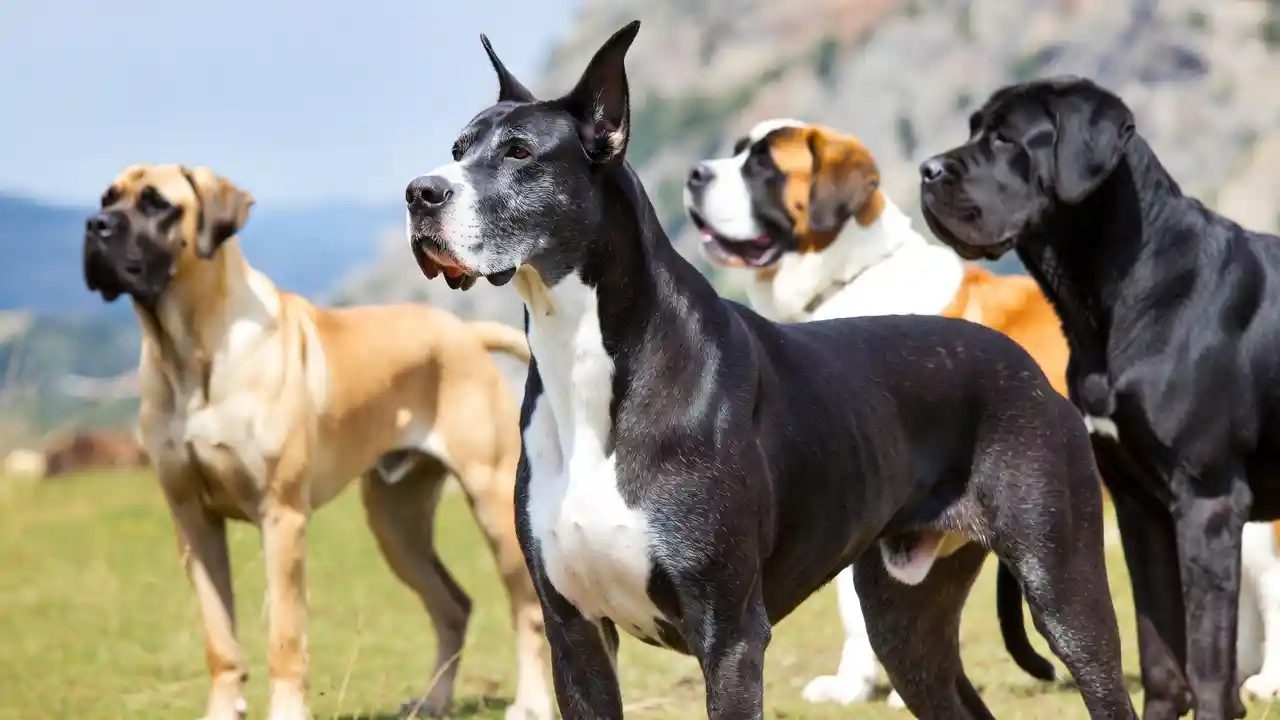
Table of Contents
The biggest dog breed is a title often debated, as “biggest” can refer to a dog’s height, weight, or overall mass. This comprehensive guide delves into the majestic world of canine giants, exploring the breeds that consistently rank among the largest, examining their unique characteristics, histories, and the special considerations involved in their care. From towering sighthounds to massive mastiffs, we uncover what truly makes these dogs stand out in the animal kingdom.
Introduction: Defining “Biggest” in the Canine World
When one considers the “biggest dog breed,” several magnificent contenders immediately come to mind. However, the definition of “biggest” isn’t always straightforward. It often depends on whether you’re prioritizing height, weight, or a combination of both. Some breeds might be exceptionally tall but relatively slender, while others are shorter but incredibly massive and heavy-boned. This article aims to provide a nuanced look at these impressive canines, highlighting the breeds that consistently dominate discussions about sheer size.
Historically, many of these giant breeds were developed for specific demanding tasks, such as guarding livestock, hunting large game, or performing search and rescue operations in treacherous conditions. Their imposing stature was not merely for show but a functional necessity for their roles. Today, while many still possess those strong working instincts, they are more often cherished as loyal, gentle, and affectionate companions, earning them the endearing nickname “gentle giants.” Understanding their origins helps us appreciate their inherent capabilities and the specialized care they require.
Great Dane: The Apollo of Dogs
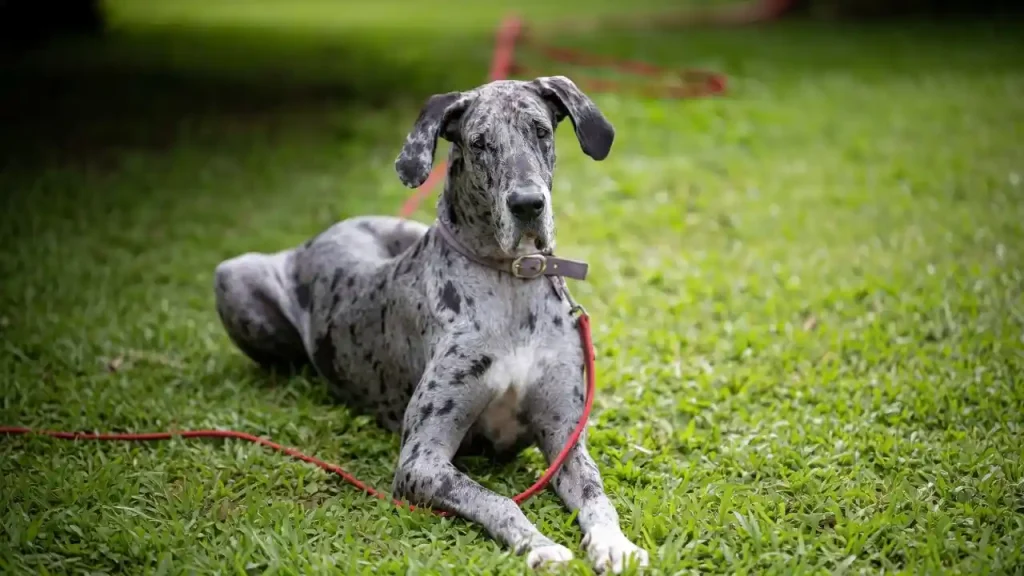
Often dubbed the “Apollo of Dogs,” the Great Dane is widely recognized as one of the Biggest Dog Bree breeds in the world. Their elegance, combined with their formidable size, makes them truly breathtaking. Originating from Germany, Great Danes were historically bred to hunt wild boar and to serve as guardians.
Male Great Danes typically stand between 30 to 32 inches tall at the shoulder, with some individuals reaching even greater heights. Their weight can range from 140 to 175 pounds. Females are slightly smaller, usually measuring 28 to 30 inches tall and weighing between 110 to 140 pounds. The record for the Biggest Dog Breed ever, a Great Dane named Zeus, stood at an astonishing 1.12 meters (44 inches) from foot to withers when on all fours, and an incredible 2.26 meters (7 feet 5 inches) when standing on his hind legs.
Despite their imposing stature, Great Danes are renowned for their friendly, gentle, and affectionate temperament, making them popular family pets. They are known to be good with children and often display a loving and patient demeanor. However, their sheer size means they require ample space and consistent training from a young age to ensure they are well-mannered. Owners should be mindful of their high energy levels and mental stimulation needs, providing them with adequate exercise, such as a daily 30-minute walk.
Irish Wolfhound: The Tallest Sighthound
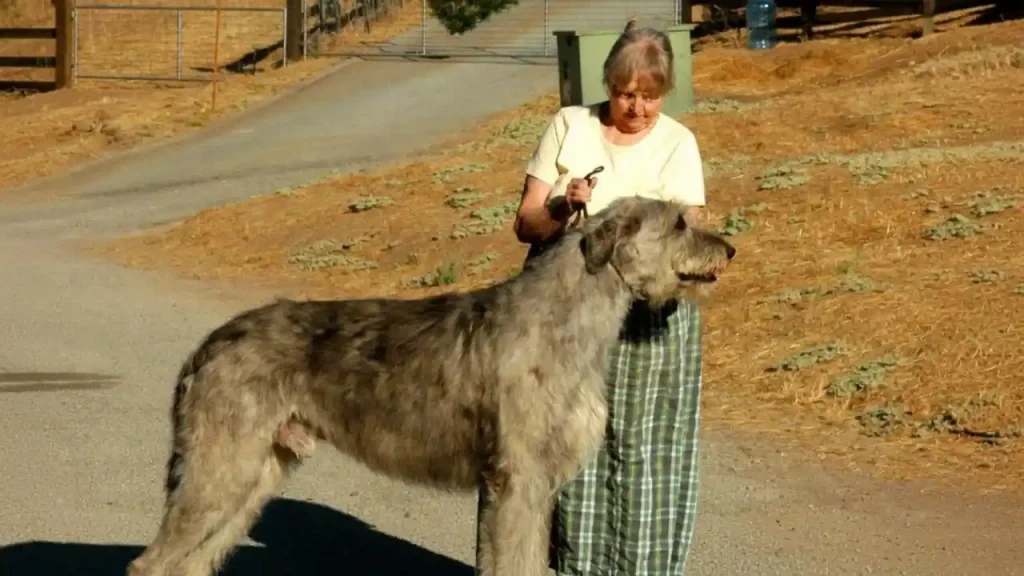
The Irish Wolfhound holds a strong claim to being the Biggest Dog Breed in the world. These majestic sighthounds, with their rough, hard coats and muscular, greyhound-like build, have a rich history dating back to ancient times in Ireland, where they were bred to hunt wolves and other large game.
Male Irish Wolfhounds typically stand at a minimum of 32 inches (81 cm) at the shoulder, often reaching 34-35 inches, and some even exceeding this. They weigh between 140-180 pounds. Females are also impressively tall, with a minimum height of 28 inches (71 cm) and usually standing around 32-34 inches, weighing 115-140 pounds. Their powerful gallop made them exceptionally skilled hunters in their historical role.
Despite their imposing size and formidable hunting lineage, Irish Wolfhounds are famed for their calm, dignified, gentle, and affectionate nature. They are often referred to as “gentle giants” and are known to be very tolerant and good with children, making them excellent family dogs. However, their friendly disposition means they are not ideal guard dogs, as they tend to be amiable even with strangers. Irish Wolfhounds require plenty of space to move around and adequate exercise to maintain their health.
English Mastiff: A Heavyweight Champion
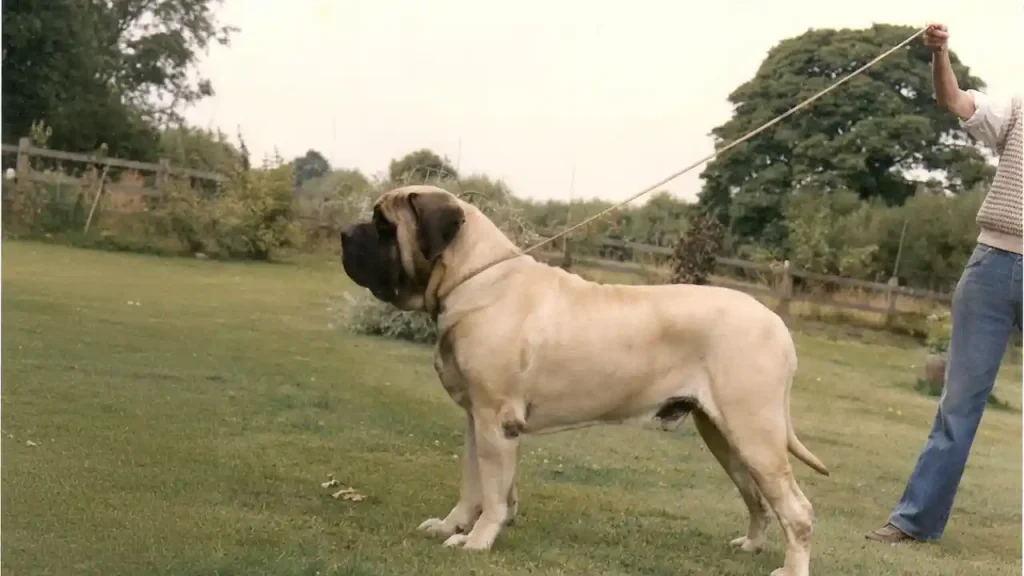
When considering sheer weight and overall mass, the English Mastiff consistently ranks as one of, if not the, biggest dog breed. These noble giants have a long and storied history, tracing their lineage back to ancient Roman times where they were used as war dogs and guardians. Today, they are beloved for their calm and gentle temperament.
Male English Mastiffs can weigh an impressive 150-230 pounds, with some individuals potentially exceeding this. Females typically weigh between 100-160 pounds. While not always the tallest, averaging 27-30 inches at the shoulder, their immense bone structure and muscular build give them an unparalleled presence. In fact, the longest and heaviest dogBiggest Dog Breed on record, Aicama Zorba, was an English Mastiff who weighed 343 pounds (156 kilograms) and stood 37 inches (94 centimeters) at the shoulder.
Despite their intimidating appearance, English Mastiffs are known for their docile, devoted, and loving nature. They are often described as “lap dogs” by their families due to their affectionate disposition, though their idea of a lap dog might be a little oversized. They are generally calm and gentle, even with children. Due to their low-energy personalities in adulthood, they do not require rigorous exercise and can adapt well to various living situations, including apartments, as long as they receive regular, moderate walks.
Saint Bernard: The Mountain Rescue Hero
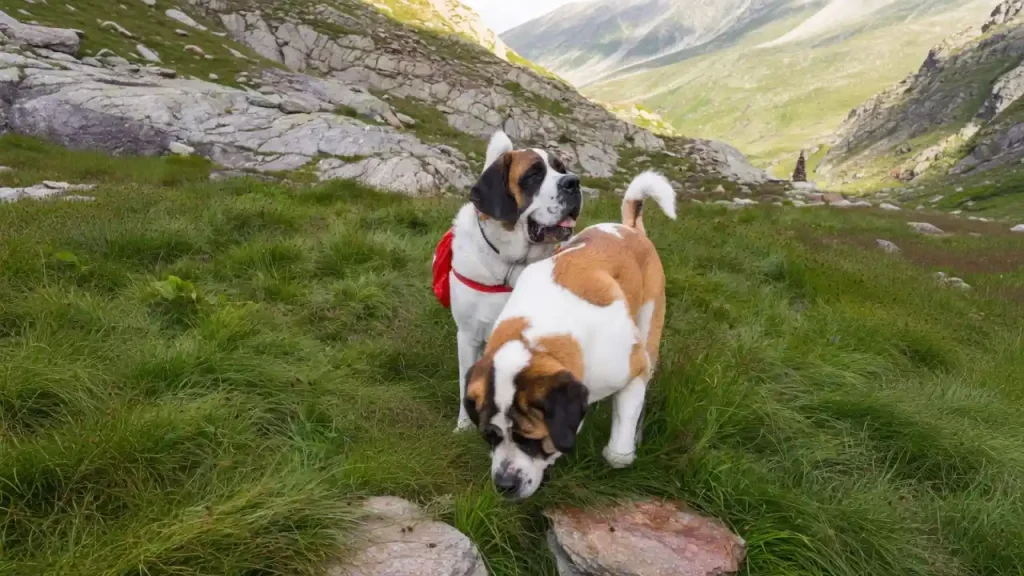
The Saint Bernard is an iconic giant breed, instantly recognizable for its massive size, thick coat, and historical role as a rescue Biggest Dog Breed in the treacherous Swiss Alps. Bred by monks of the Great St. Bernard Hospice, these Biggest Dog Breed were instrumental in saving thousands of lives over centuries.
Male Saint Bernards are typically larger, standing 28 to 30 inches tall at the shoulder and weighing between 140-180 pounds (63 to 81 kilograms). Females range from 26 to 28 inches in height and weigh 120-140 pounds (54 to 63 kilograms). Some males can even exceed 200 pounds.
Saint Bernards are renowned for their loving, placid, and friendly temperament. Their instinctive friendliness often overcomes any initial apprehension a stranger might have due to their size. They are known to be excellent with families and particularly good with well-behaved children due to their gentle and tolerant nature. While they have a calm demeanor, they are also protective of their family members. Proper nutrition and exercise are crucial during their rapid growth phase, as they typically reach their full height by around 12 months, but continue to fill out until they are two years old.
Newfoundland: The Gentle Giant of the Waters
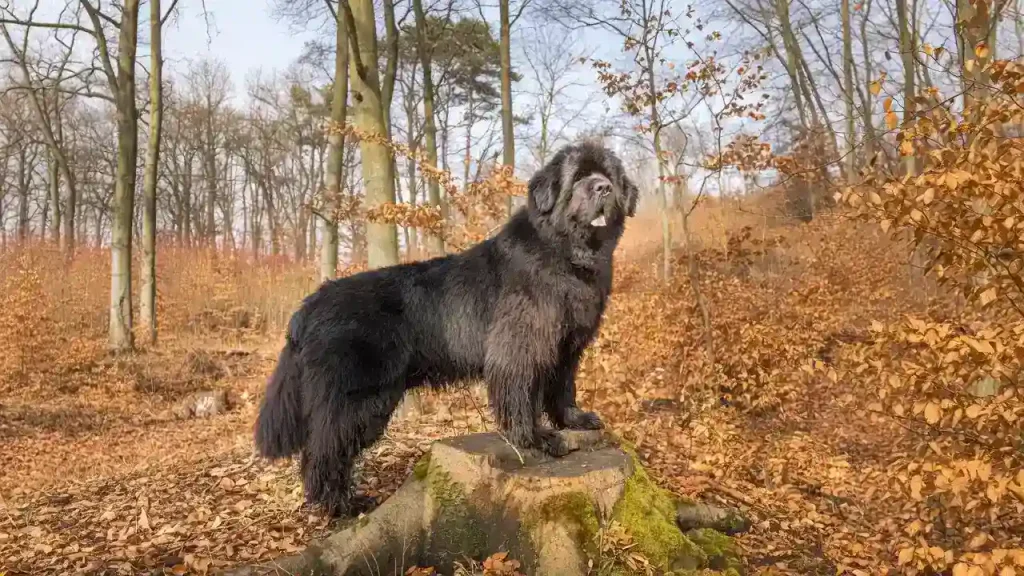
The Newfoundland, affectionately known as “Newfies,” are magnificent working Biggest Dog Breed celebrated for their immense size, intelligence, and exceptional swimming abilities. Originating from Newfoundland, Canada, they were originally bred to work alongside fishermen, performing tasks such as pulling nets and retrieving lost equipment, and are renowned for their water rescue instincts.
Male Newfoundlands typically stand 27-29 inches tall at the shoulder and weigh 130-150 pounds (59-68 kg). Females are slightly smaller, usually 25-27 inches tall and weighing 100-120 pounds (45-54 kg). Some individuals have been known to exceed 200 pounds. Their thick, oily, water-resistant double coat and webbed paws are perfectly adapted for aquatic environments.
Despite their imposing size, Newfoundlands possess a sweet, calm, and docile temperament, earning them a reputation as “gentle giants.” They are known for forming strong bonds with their families and are particularly patient and good with children, often referred to as “nanny dogs.” Their love for water is profound, often seen in puppies trying to get into their water bowls. Regular grooming is essential due to their heavy coat, and while they don’t require intense exercise, consistent physical activity helps maintain their health.
Other Notable Giant Breeds
Beyond the primary contenders, several other breeds command attention for their impressive size and unique characteristics.
Neapolitan Mastiff
The Neapolitan Mastiff, or Mastino Napoletano, is an ancient Italian breed known for its massive, heavy-boned structure and distinctive loose skin, abundant wrinkles, and folds on its face and body. These powerful Biggest Dog Breed were historically bred as guard dogs and war dogs. Males typically range from 26 to 31 inches in height and weigh around 150 pounds, with females slightly smaller at 24 to 29 inches and 110 pounds. Some sources indicate an average weight of 50-70 kg (110-150 lbs) for males and 40-50 kg (88-110 lbs) for females. Their colossal frame gives an impression of great strength, and their demeanor is calm and watchful, always ready to protect their family.
Leonberger
The Leonberger is a majestic and glamorous giant breed, with a striking lion-like mane and a dense double coat. Developed in Leonberg, Germany, these Biggest Dog Breed were originally intended as companion animals fit for royalty, combining the traits of Saint Bernards and Newfoundlands. Males stand an average of 28-31.5 inches tall and can weigh between 110-170 pounds. Females typically range from 25-29.5 inches and 90-140 pounds. Leonbergers are known for their gentle, affectionate, and loyal nature, often described as “gentle giants.” They are playful and good with children, thriving in a peaceful family environment.
Dogue de Bordeaux
Also known as the French Mastiff, the Dogue de Bordeaux is a powerful, muscular Biggest Dog Breed characterized by its massive head, loose skin, and deeply wrinkled forehead. This breed’s lineage can be traced back to the 14th century, and they were historically used for guarding, hunting, and pulling carts. Male Dogues de Bordeaux typically stand 24-27 inches tall and weigh 110-150 pounds (50-68 kg). Females are slightly smaller, at 23-26 inches and 100-120 pounds (45-54 kg). Despite their imposing appearance, they are loyal, affectionate, and gentle, making them good family Biggest Dog Breed when properly socialized. They gained considerable recognition from the 1989 movie “Turner & Hooch.”
Cane Corso
The Cane Corso, or Italian Mastiff, is a large, muscular, and athletic breed with ancient roots in Greece and Rome, where they served as watchdogs, farmhands, and even canine soldiers. They possess a sturdy, rectangular build with a broad chest and powerful legs. Male Cane Corsos are typically 25 to 27.5 inches tall and weigh between 99 and 110 pounds, though some sources indicate up to 140 pounds. Females are 23.5 to 26 inches tall and weigh between 85 and 99 pounds. While impressive in size, they are known for their intelligence, loyalty, and affectionate nature towards their families, making them excellent guardians and companions. However, their size and working instincts mean they require consistent training and socialization.
| Breed | Average Male Height (Inches) | Average Male Weight (Pounds) | Key Characteristics |
|---|---|---|---|
| Great Dane | 30-32 | 140-175 | Tallest breed, elegant, friendly, gentle. |
| Irish Wolfhound | 32-35 (min. 32) | 140-180 (min. 120) | Tallest sighthound, dignified, calm, gentle. |
| English Mastiff | 27-30 | 150-230 | Heaviest breed, massive, docile, loving. |
| Saint Bernard | 28-30 | 140-180 | Mountain rescue hero, placid, friendly, tolerant. |
| Newfoundland | 27-29 | 130-150 | Water-loving, gentle, patient, “nanny dog.” |
| Neapolitan Mastiff | 26-31 | 150 | Heavy-boned, wrinkled face, protective. |
| Leonberger | 28-31.5 | 110-170 | Lion-like mane, gentle, affectionate, playful. |
| Dogue de Bordeaux | 24-27 | 110-150 | Massive head, muscular, loyal, affectionate. |
| Cane Corso | 25-27.5 | 99-110 (up to 140) | Muscular, athletic, intelligent, loyal. |
Living with a Giant Breed: Considerations and Care
Bringing a Biggest Dog Breed into your home is a significant commitment that extends far beyond their impressive size. These magnificent animals, while often gentle and loving, come with a unique set of needs and considerations that prospective owners must carefully evaluate. Understanding these aspects is crucial for providing a healthy, happy, and fulfilling life for both the Biggest Dog Breed and the family.
Space Requirements
It might seem obvious, but giant breeds require substantial living space. While some, like the English Mastiff, can be surprisingly low-energy indoors, a sprawling home with a securely fenced yard is generally ideal. A Great Dane, for instance, needs plenty of room to stretch out and move around without knocking things over, and a secure fence is essential to prevent them from roaming. Overcrowding can lead to discomfort and behavioral issues for these Biggest Dog Breed.
Exercise and Training
Despite their size, many giant breeds do not require intense, prolonged exercise in adulthood. Moderate, regular exercise, such as daily walks, is typically sufficient to keep them healthy and prevent obesity, which can exacerbate joint problems. However, appropriate exercise for puppies of giant breeds is critical, as excessive or vigorous activity during their rapid growth phases can put undue strain on their developing bones and joints, potentially leading to conditions like hip or elbow dysplasia. Owners should consult with their veterinarian or breeder about suitable exercise routines for young Biggest Dog Breed.
Consistent and positive reinforcement training is paramount for giant breeds. Their sheer size means they need to be well-behaved and manageable, especially in public settings. Early socialization is also crucial to ensure they grow into well-adjusted adults who are comfortable around other people and animals. Breeds like the Neapolitan Mastiff, known for their protective instincts, benefit greatly from consistent training to channel their guarding tendencies appropriately.
Dietary Needs
Giant breeds have specific dietary requirements, particularly during their puppyhood. They grow at an incredibly rapid rate, and feeding them a diet formulated for large or giant breeds is essential. These specialized foods are designed to support controlled growth, helping to prevent skeletal problems that can arise from growing too quickly. Adult Biggest Dog Breed also require high-quality, balanced diets to maintain their massive bodies and overall health. Overfeeding can lead to obesity, which puts additional stress on their joints and can shorten their lifespan.
Health Considerations
Unfortunately, many giant breeds have shorter lifespans compared to smaller dogs, often ranging from 7 to 10 years. They are also predisposed to certain health conditions, including hip and elbow dysplasia, bloat (gastric dilatation-volvulus), and various heart conditions. Regular veterinary check-ups are vital for early detection and management of these issues. Pet insurance can be a valuable consideration to help manage potential veterinary costs associated with these larger breeds.
Grooming and Hygiene
Grooming needs vary by breed, but many Biggest Dog Breed, especially those with thick double coats like the Newfoundland or Leonberger, require regular brushing to manage shedding and prevent matting. Breeds with prominent jowls, such as the Saint Bernard and Dogue de Bordeaux, are prone to drooling, which necessitates frequent cleaning to maintain hygiene.
For more detailed information on specific breed care and health, authoritative resources like the American Kennel Club website can provide valuable insights and breed standards.
Conclusion
The world of Biggest Dog Breed is filled with awe-inspiring animals that captivate us with their immense size, noble demeanor, and often surprisingly gentle hearts. Whether it’s the towering height of the Irish Wolfhound, the colossal weight of the English Mastiff, or the impressive overall mass of the Great Dane, each of these breeds brings a unique combination of physical grandeur and endearing personality to the canine kingdom.
Choosing to welcome one of these magnificent creatures into your life is a profound decision that comes with considerable responsibilities. Their specialized needs for space, diet, exercise, and health care demand a dedicated and informed owner. However, for those who are prepared to meet these demands, the rewards are immeasurable. Living with a giant breed means experiencing unparalleled loyalty, affection, and the unique companionship of a truly majestic animal. These “gentle giants” leave an indelible paw print on the hearts of their families, proving that when it comes to love, sometimes bigger truly is better.