Largest Dog Breeds: 10 Amazing Biggest Dogs in the World
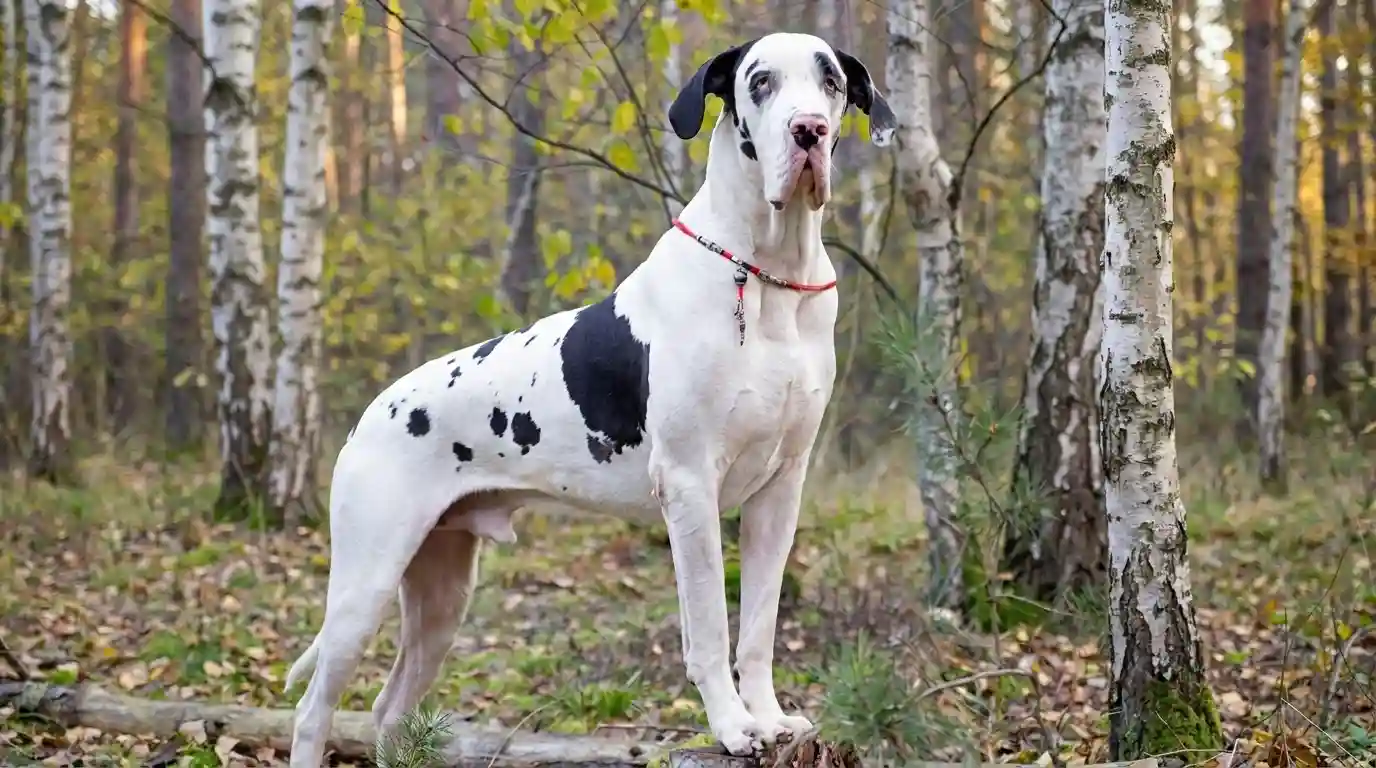
Table of Contents
The largest dog breed in the world is a title often debated, as “largest” can refer to height, weight, or even overall mass. While some breeds consistently impress with their towering stature, others are renowned for their incredible bulk. These magnificent canines, often dubbed “gentle giants,” capture our hearts not only with their imposing physical presence but also with their typically calm, affectionate, and loyal temperaments. Delving into the world of giant dog breeds reveals a fascinating array of histories, characteristics, and unique care requirements that set them apart from their smaller counterparts.
Defining “Largest”: Height vs. Weight
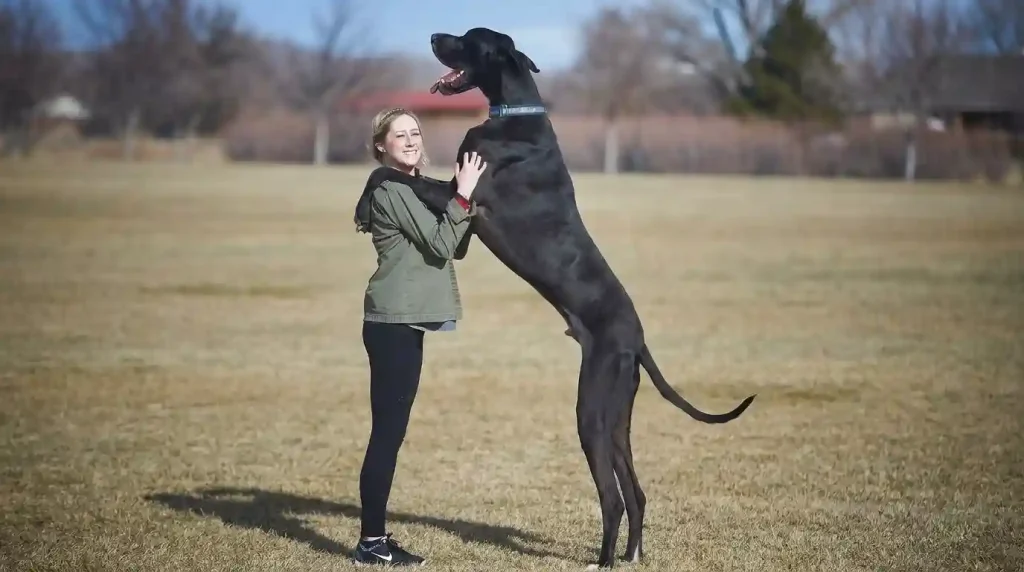
When discussing the largest dog breed, it’s crucial to distinguish between height and weight. A Largest Dog Breeds might be exceptionally tall but relatively slender, while another might be shorter but incredibly muscular and heavy. The Guinness World Records frequently features dogs that excel in one of these categories, highlighting the diversity within the “giant” classification. Generally, breeds like the Irish Wolfhound and Great Dane are often considered the tallest, while the English Mastiff typically holds the title for the heaviest.
These majestic animals, regardless of whether they are the tallest or heaviest, share a common need for proper nutrition, ample space, and specialized veterinary care due to their rapid growth rates and large body mass. Understanding these distinctions is key to appreciating the unique attributes of each giant breed and the commitment required to care for them.
The Great Dane: A Towering Presence
Often referred to as the “Apollo of Dogs,” the Great Dane is perhaps one of the most recognizable giant breeds, consistently ranking among the tallest dogs in the world. Originating in Germany approximately 400 years ago, Great Danes were initially bred for hunting wild boars and deer, and also served as estate guardians.
Male Great Danes typically stand between 30 to 34 inches (76 to 86 cm) at the shoulder, with some individuals exceeding 36 inches (91 cm). They can weigh anywhere from 140 to 175 pounds (64 to 79 kg), while females are slightly smaller, generally ranging from 28 to 32 inches (71 to 81 cm) and weighing 110 to 140 pounds (50 to 64 kg). The world record for the tallest dog ever was held by a Great Dane named Zeus, who measured an astonishing 44 inches (111.8 cm) from paw to shoulder and could reach 7 feet 4 inches (223 cm) when standing on his hind legs. Another Great Dane, also named Zeus, from Texas, was confirmed as the tallest living Largest Dog Breeds in 2022, standing at 3 ft 5.18 inches (1.046 meters).
Despite their imposing size, Great Danes are known for their loving, patient, and gentle demeanor, earning them the nickname “gentle giants.” They are often good with children and generally get along with other pets, especially if socialized from a young age. Their short, sleek coat comes in a variety of colors, including black, fawn, blue, and harlequin. While they may seem to need vast spaces, many Great Danes can adapt to apartment living as they are not overly energetic indoors, but they do require regular exercise to stay healthy.
The Irish Wolfhound: The Tallest of All
When height is the primary metric, the Irish Wolfhound is frequently cited as the Largest Dog Breeds in the world. These majestic sighthounds possess an undeniable grace despite their formidable size. Historically, they were bred in Ireland to hunt wolves, boars, and deer, and even accompanied Celtic warriors in battle.
Male Irish Wolfhounds typically stand a minimum of 32-35 inches (81-89 cm) at the shoulder, with some individuals surpassing this height. Females are slightly smaller, usually at least 30 inches (76 cm) tall. While their height is impressive, their weight generally ranges from 105-120 pounds (48-54 kg) for males and 89-105 pounds (40-48 kg) for females, making them less heavy than some other giant breeds.
Known for their calm, gentle, and friendly nature, Irish Wolfhounds are often described as “gentle giants” despite their history as fierce hunters. They are loyal and patient, making them suitable companions for families, though their sheer size means they thrive in spacious environments and require significant daily exercise, including opportunities for free running. Their rough, wiry double coat can come in various colors such as grey, brindle, red, black, white, and fawn.
The English Mastiff: The Heavyweight Champion
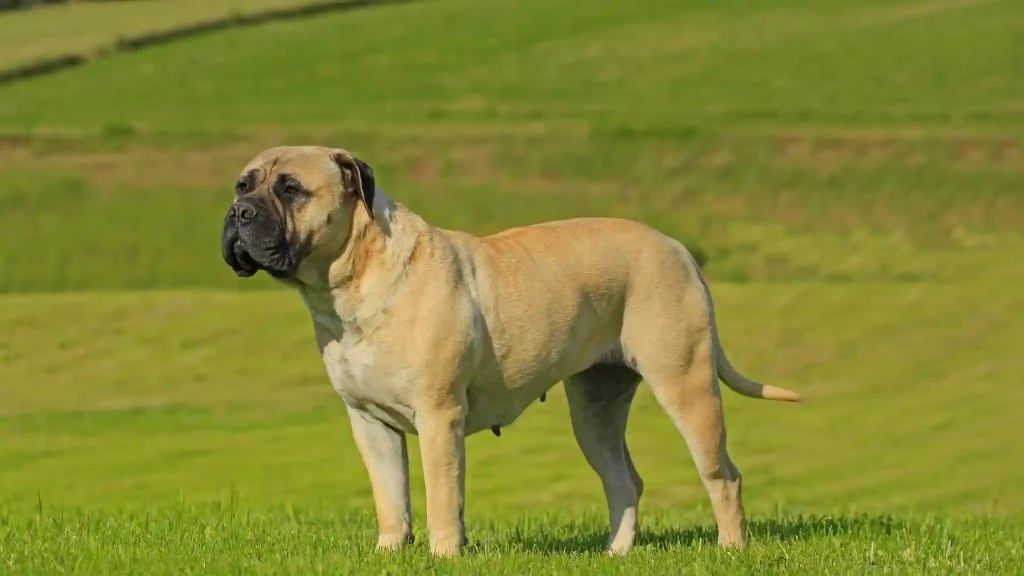
If sheer mass and weight are the measures of “largest,” then the English Mastiff often takes the crown. This ancient breed has a history stretching back over 2,000 years, serving as guard dogs and even war Largest Dog Breeds in medieval England. Today, they are beloved family companions known for their calm and gentle nature.
Male English Mastiffs are truly massive, typically weighing between 160 and 230 pounds (73 to 104 kg), though some individuals can significantly exceed this. Females generally weigh between 120 and 170 pounds (54 to 77 kg). The Guinness World Record for the heaviest dog ever was held by an English Mastiff named Zorba, who weighed a staggering 343 pounds (156 kg) and stood 37 inches (94 cm) at the shoulder.
Despite their intimidating size, English Mastiffs are renowned for their dignified, easygoing, and good-hearted temperament. They are fiercely loyal and protective of their families, making them excellent guardians, but they are equally affectionate and gentle, often seeing themselves as lap Largest Dog Breeds. Proper early training and socialization are essential for these powerful dogs to ensure they are well-mannered companions. Their short, coarse coat comes in fawn, apricot, or brindle, always with a dark mask on their muzzle, eyes, and ears.
Other Notable Giant Breeds
While Great Danes, Irish Wolfhounds, and English Mastiffs often dominate discussions about the largest dog breeds, several other magnificent canines also stand out for their considerable size and unique characteristics. These breeds, too, are often referred to as “gentle giants” and require specialized care to ensure their health and well-being.
| Breed | Average Male Height (at shoulder) | Average Male Weight | Temperament Highlights |
|---|---|---|---|
| Saint Bernard | 28-30 inches (71-76 cm) | 140-180 lbs (63.5-81.6 kg) | Calm, affectionate, friendly, excellent rescue dogs. |
| Newfoundland | 28 inches (71 cm) | 100-150 lbs (45-68 kg) | Gentle, docile, patient, devoted, excellent swimmers and water rescue dogs. |
| Leonberger | 29-31 inches (74-79 cm) | 130-170 lbs (59-77 kg) | Brave, intelligent, steady, affectionate, calm, playful, often described as “lion-like“. |
| Caucasian Shepherd Dog | 29-31 inches (74-79 cm) (Males) | 110-170 lbs (50-77 kg) (Males) | Strong, protective, independent, loyal, often used as livestock guardians. |
| Anatolian Shepherd Dog | 29-31 inches (74-79 cm) | 90-145 lbs (41-66 kg) | Loyal, intelligent, independent, protective, bred as livestock guardians. |
Saint Bernard
The Saint Bernard, a breed synonymous with Alpine rescues, is a powerfully built, muscular Largest Dog Breeds with a massive head and drooping ears. Originating in the Swiss Alps, these Largest Dog Breeds were bred by monks at the Hospice Saint Bernard to assist lost and troubled travelers. Male Saint Bernards stand between 28 and 30 inches (71-76 cm) tall and can weigh 140 to 180 pounds (63.5-81.6 kg), with some even reaching 220 pounds. Despite their imposing stature, Saints are known for their calm, affectionate, and friendly dispositions, making them unsuitable as watchdogs but excellent family companions. They prefer cooler environments and require about an hour of daily exercise.
Newfoundland
The Newfoundland, affectionately known as a “Newfie,” is a giant working Largest Dog Breeds particularly famous for its love of water and exceptional swimming abilities. They were originally bred in Newfoundland, Canada, to assist fishermen with tasks like hauling nets and performing water rescues in icy North Atlantic waters. These Largest Dog Breeds possess a thick, oily, and waterproof double coat and webbed paws, perfectly suited for aquatic environments. Male Newfoundlands typically average 28 inches (71 cm) in height and weigh between 100 and 150 pounds (45-68 kg), though some have been known to exceed 200 pounds.
Newfies are renowned for their gentle, docile, patient, and devoted temperaments, earning them the nickname “nanny dog” due to their excellent nature with children. They thrive on human interaction and, despite their size, are generally well-behaved indoors, though they need adequate space and regular exercise.
Leonberger
The Leonberger is a strong, well-muscled giant working Largest Dog Breeds known for its lion-like appearance, thanks to its golden coat and prominent black mask. This breed was developed in Leonberg, Germany, in the 1830s and 1840s by crossing Saint Bernards, Newfoundlands, and Great Pyrenees, with the goal of creating a Largest Dog Breeds that resembled a lion. Male Leonbergers typically stand between 29 and 31 inches (74-80 cm) tall and weigh 130 to 170 pounds (59-77 kg).
Leonbergers are praised for their intelligence, bravery, affectionate nature, and calm demeanor. They are incredibly loyal to their families and possess a sweet expression, making them wonderful companions. While they are gentle, their deep bark and impressive size serve as an effective deterrent for intruders. Like other large breeds, Leonbergers benefit from proper socialization and training, and require a balanced diet to support their growth and maintain joint health.
Caucasian Shepherd Dog (Ovcharka)
The Caucasian Shepherd Dog, also known as the Caucasian Ovcharka, is a powerful and ancient livestock guardian breed originating from the Caucasus Mountains. These Largest Dog Breeds are renowned for their protective instincts, courage, and formidable presence. Males typically stand between 29 and 31 inches (74-79 cm) tall and can weigh anywhere from 110 to 170 pounds (50-77 kg), often with a dense double coat that adds to their impressive bulk. Their robust build and independent nature make them excellent guardians, but they require experienced owners who can provide consistent training and socialization from a young age.
Anatolian Shepherd Dog
Originating from Turkey, the Anatolian Shepherd Dog is another ancient and powerful livestock guardian breed. These Largest Dog Breeds are not only tall but also incredibly strong and protective. Males typically stand between 29 and 31 inches (74-79 cm) tall and weigh between 90 to 145 pounds (41-66 kg). Anatolian Shepherds are known for their independence, intelligence, and deep loyalty to their families, as well as their ability to adapt to various environments. Their protective nature means they thrive with strong leadership and consistent training.
Caring for the Gentle Giants: Health and Lifestyle
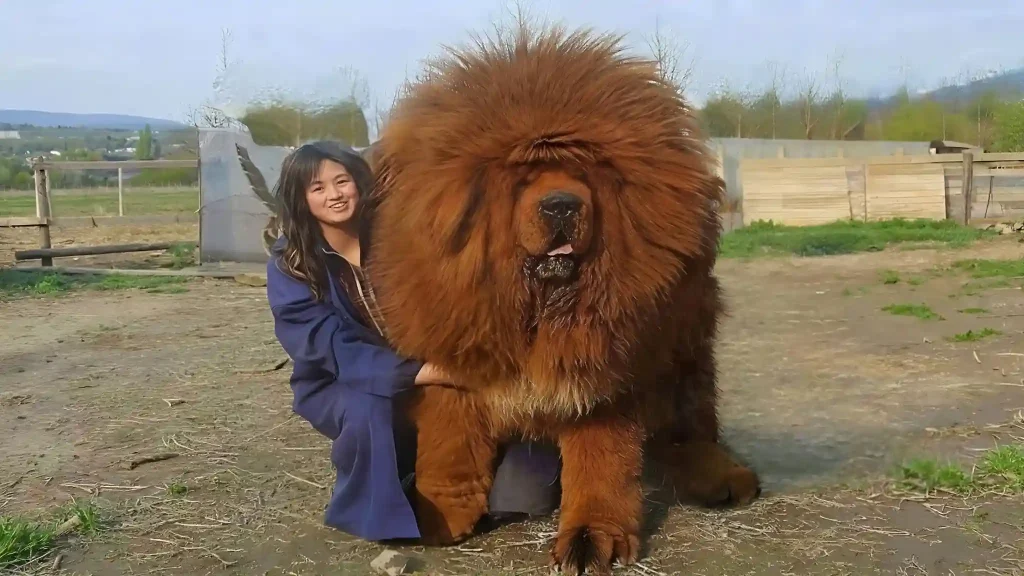
Owning a Largest Dog Breeds is a significant commitment that comes with unique responsibilities, primarily due to their specialized health needs and lifestyle requirements. Their rapid growth and immense size predispose them to certain health issues that are less common in smaller breeds. Proper care from puppyhood through adulthood is crucial for ensuring a long and healthy life for these magnificent animals.
Common Health Issues
- Joint Problems: Hip and elbow dysplasia are prevalent in large breeds, where the joints don’t fit together smoothly, leading to pain, lameness, and eventual arthritis. Rapid growth in puppies and excessive weight can exacerbate these conditions.
- Bloat (Gastric Dilatation-Volvulus – GDV): This life-threatening condition occurs when the stomach fills with air and twists, cutting off blood flow. Deep-chested breeds like Great Danes and Irish Wolfhounds are particularly susceptible. Immediate veterinary attention is critical. Feeding smaller, more frequent meals can help minimize the risk.
- Cardiac Issues: Dilated cardiomyopathy (DCM), where the heart becomes enlarged and weakened, is a common cause of death in giant breeds.
- Cancer: Some large breeds, including Irish Wolfhounds and Saint Bernards, have a higher risk of certain cancers, such as osteosarcoma (bone cancer) and hemangiosarcoma.
- Shorter Lifespan: Unfortunately, giant breeds generally have shorter lifespans compared to smaller dogs, with many living 6-10 years.
- Other Conditions: Entropion (eyelids turning inward), hypothyroidism, and certain neurological conditions can also affect large breeds.
Nutritional Needs
Giant breed puppies have incredibly rapid growth rates, and their nutrition must be carefully managed to prevent developmental orthopedic disorders. They require a specific balance of protein, calcium, and phosphorus to support healthy bone and joint development. Overfeeding or providing diets too high in calcium can lead to uneven bone development and increase the risk of hip dysplasia. Adult Largest Dog Breeds also need high-quality food in appropriate portions to maintain a lean body condition, reducing stress on their joints.
Exercise and Environment
While giant breeds might seem to require enormous amounts of exercise, many are surprisingly low to moderate energy indoors. However, consistent daily exercise is vital to maintain their physical and mental health, prevent obesity, and support joint mobility. A spacious home and a securely fenced yard are generally ideal to accommodate their size and allow for comfortable movement.
Socialization and training are paramount from a young age. Given their size and strength, a well-behaved Largest Dog Breeds is not just a preference, but a necessity. Their gentle nature often makes them trainable, but consistency and positive reinforcement are key.
Many giant breeds, especially those with thick double coats like the Newfoundland and Saint Bernard, can struggle in hot weather and require measures to keep them cool.
For more detailed information on the health of Largest Dog Breeds, Wikipedia’s article on giant dog breeds provides a comprehensive overview of common concerns and care considerations.
Conclusion: More Than Just Size
The quest to identify the largest dog breed in the world ultimately reveals a fascinating array of powerful, majestic, and often incredibly gentle canines. Whether measured by impressive height or substantial weight, breeds like the Great Dane, Irish Wolfhound, and English Mastiff stand out as true titans of the canine kingdom. Beyond their physical grandeur, these Largest Dog Breeds are celebrated for their loyalty, affectionate temperaments, and unique histories, often having served humans in vital working roles for centuries.
Owning one of these magnificent giants is a rewarding experience that comes with a significant commitment to specialized care, including tailored nutrition, consistent training, ample space, and diligent attention to their specific health predispositions. For those prepared to meet their needs, the largest dog breeds offer companionship on an unparalleled scale, filling homes and hearts with their boundless love and dignified presence.