Pet Nutrition: 10 Important Research News Stories for Dogs & Cats

Table of Contents
Pet nutrition research news continues to redefine the landscape of companion animal care, moving beyond generic formulations to embrace a future where diet is a cornerstone of personalized health, longevity, and environmental responsibility. The industry is witnessing a profound shift, driven by scientific advancements, evolving consumer expectations, and a deeper understanding of the intricate relationship between diet and overall pet well-being. From the complexities of the gut microbiome to the exploration of novel and sustainable ingredients, researchers are pushing boundaries to provide more precise, effective, and ethically sound nutritional solutions for dogs and cats worldwide. This comprehensive overview explores the most recent and impactful developments shaping pet nutrition.
The Dawn of Personalized Pet Nutrition

The concept of personalized nutrition, long a focus in human health, has firmly arrived in the pet food industry. This innovative approach recognizes that each pet is unique, with dietary needs influenced by a myriad of factors including age, breed, weight, activity level, health conditions, and even individual genetic predispositions and gut microbiome composition. Companies are now leveraging sophisticated data analysis and veterinary insights to create tailored meal plans, a significant departure from the traditional one-size-fits-all approach to pet food.
Brands like NomNom and The Farmer’s Dog, for instance, are utilizing proprietary algorithms and veterinary expertise to craft customized meal plans that deliver optimal nutrition. These services often operate on a subscription model, bringing convenience to pet owners while ensuring consistent, high-quality dietary provision for their companions. Royal Canin, a long-standing innovator in veterinary nutrition, has also been at the forefront of individualized nutrition, developing solutions that can address multiple health conditions and sensitivities simultaneously. Their approach relies on a concept comparable to an inkjet printer, using “primary kibbles” that encompass specific key nutrients which are then combined based on an algorithm that integrates all of a pet’s unique characteristics. This allows for small production runs of tailored nutritional solutions, moving away from mass production.
The push for personalized nutrition is further propelled by advancements that allow for real-time adjustments based on a pet’s health status, metabolism, and even the analysis of stool imagery to evaluate digestion. This dynamic dietary management aims to promote weight control, enhance digestion, and improve overall wellness, anticipating and addressing individual nuances for timely and effective health interventions. This hyper-personalized approach, driven by biometric data and microbiome testing, represents a pivotal shift towards targeted health optimization, aiming to prevent and manage issues such as obesity, allergies, and digestive disorders, ultimately enhancing the lifespan and quality of life for pets.
Unlocking the Secrets of the Pet Gut Microbiome
Perhaps one of the most exciting frontiers in pet nutrition research is the exploration of the gut microbiome – the vast community of microorganisms residing in the digestive tract. Scientists are increasingly understanding that a healthy gut is not only central to digestion but also profoundly influences immunity, nutrient absorption, and even behavior in pets. Research in this area is revealing how diet can significantly modulate the gut microbiome, offering new avenues for improving pet health.
The Waltham Petcare Science Institute, through landmark studies like one released in January 2026, has created the most comprehensive catalog of the canine gut microbiome. This research identified nearly 1,000 previously unknown bacterial strains and, surprisingly, found that dog guts are dominated by fiber-fermenting bacteria, similar to humans. These findings suggest that dogs are well-equipped to derive nutrition from plant-based ingredients and highlight the individualized responses pets can have to dietary fiber. Prebiotic effects of various plant fibers are also being studied for their beneficial properties in dogs.
Innovations in prebiotic and probiotic formulations are rapidly advancing, with companies developing specialized dietary components to address the unique gut health requirements of pets at various life stages and with differing health conditions. Nestlé’s Petivity Microbiome Analysis Kit, for example, utilizes advanced sequencing technology to analyze a pet’s gut microbiome from stool samples, providing detailed reports that enable personalized nutritional and health management decisions. Hill’s Pet Nutrition is also actively leading in microbiome science, unveiling breakthrough product innovations and even hosting symposiums focused on the gut-skin axis, highlighting the systemic impact of gut health. Furthermore, research suggests that fecal microbiota transplantation (FMT) shows promise in improving gut health in dogs and cats with chronic digestive issues, demonstrating increased beneficial bacteria and microbial diversity. Some studies are even investigating the potential of FMT to slow or reduce cognitive impairment in aging dogs, linking gut health to brain function.
Novel Ingredients: Beyond Traditional Proteins
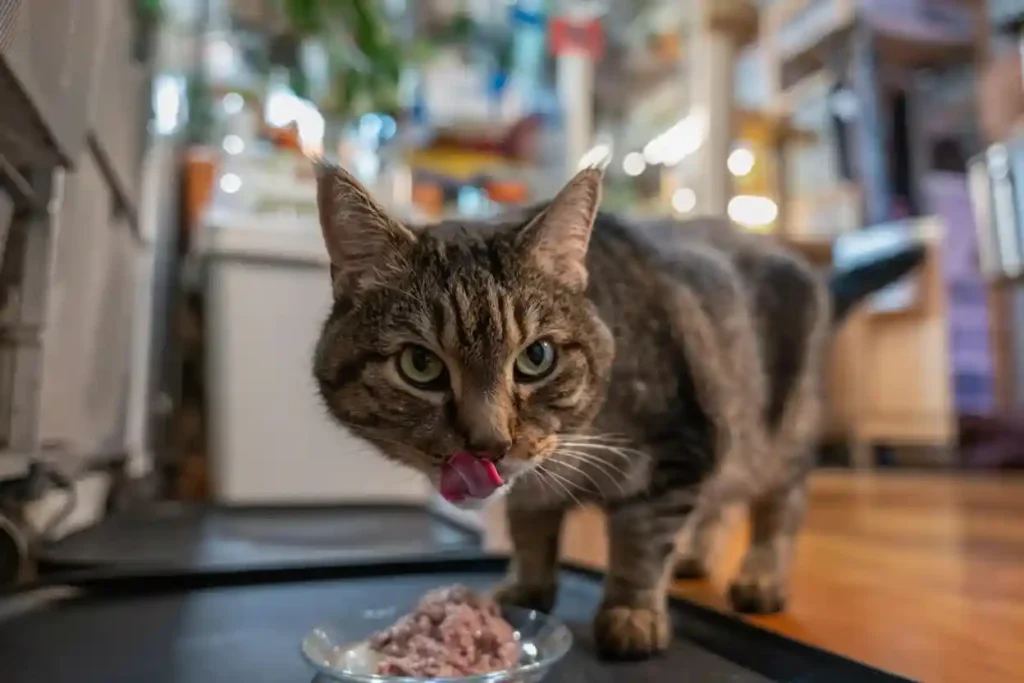
As pet owners increasingly seek diverse, sustainable, and allergen-friendly options, research into novel ingredients is booming. The pet food industry is exploring protein sources beyond conventional chicken and beef, which have been identified as common dietary allergens for pets.
Insect-based proteins, particularly from black soldier fly larvae (BSFL), are gaining significant traction. These insects offer a high-quality, digestible protein rich in essential amino acids, with additional benefits for gut health. Insect oil, derived from BSFL, is also emerging as an alternative to traditional fats, offering functional health benefits through its fatty acid profile, including lauric acid known for its antimicrobial properties. The Association of American Feed Control Officials (AAFCO) approved black soldier fly larvae for use in dog food in August 2021. Beyond insects, other novel proteins include mouse meat for cats, impala, and even bacteria-produced protein.
Plant-based proteins (soy, pea, lentils, faba bean protein), microalgae, and seaweed are also being investigated for their rich nutrient profiles, including omega-3 fatty acids, antioxidants, and bioactive compounds. These alternatives not only provide essential nutrients but also cater to pets with sensitivities and contribute to a reduced environmental footprint. Cultivated meat solutions are also emerging as sustainable protein alternatives, with a growing number of pet owners showing openness to feeding their pets microbially fermented protein. The continuous research and development in this area are expanding the available options for pets with specific dietary needs or owners looking for more diverse protein sources.
| Key Pet Nutrition Trends (2025-2026) | Description | Associated Benefits |
|---|---|---|
| Personalized Diets | Tailored meal plans based on individual pet data (age, breed, health, microbiome, genetics). | Optimal health, disease prevention, enhanced lifespan, customized interventions. |
| Gut Microbiome Focus | Research into prebiotics, probiotics, postbiotics, and microbiome modulation. | Improved digestion, immunity, cognitive function, behavioral regulation. |
| Novel Proteins | Utilization of insect, plant-based, aquatic, and cell-based protein sources. | Reduced allergenicity, sustainability, diverse amino acid profiles. |
| Sustainable Sourcing | Eco-friendly packaging, upcycled ingredients, and low-carbon footprint practices. | Reduced environmental impact, ethical consumption, supply chain resilience. |
| Minimally Processed Foods | Fresh, gently cooked, freeze-dried, and air-dried diets. | Higher nutrient retention, improved digestibility, reduced inflammatory compounds. |
| Functional Ingredients | Addition of superfoods, omega-3s, collagen, antioxidants, adaptogens. | Targeted support for joints, skin, cognition, immunity, and overall vitality. |
The Rise of Sustainable Pet Food Solutions
Environmental concerns are increasingly influencing the pet food industry, driving a demand for sustainable and eco-friendly options. Pet owners are more conscious about the environmental “paw print” of their pets, leading to innovations across ingredients, manufacturing, and packaging. The goal is to reduce waste and environmental impact without compromising nutritional quality.
One significant area of focus is the use of upcycled ingredients. According to the 2025 IFEEDER Report, pet food manufacturers incorporated more than 3 million tons of upcycled ingredients into dog food and over 1 million tons into cat food in 2024. These are nutritious food by-products that would otherwise go to waste, promoting sustainability and reducing food waste. The upcycled pet ingredients market is projected to reach USD 240 million in 2025 and grow to USD 651.4 million by 2035.
Beyond ingredients, sustainable packaging solutions such as biodegradable and compostable materials are becoming more common to reduce plastic waste. Manufacturers are also looking into local farms and suppliers to reduce transportation impact and support local economies, emphasizing responsibly and ethically sourced components like cage-free chickens or grass-fed livestock. The exploration of alternative proteins, such as insects and plant-based options, further aligns with sustainability goals by reducing dependency on traditional livestock farming, which has a substantial environmental footprint. This holistic approach to sustainability reflects a growing commitment within the industry to align pet health with environmental responsibility.
For more detailed information on sustainability initiatives in the pet food industry, you can refer to reports from organizations like the Pet Sustainability Coalition.
Optimizing Nutrition for Senior Pets

With advances in veterinary medicine and nutrition, pets are living longer, bringing the nutritional needs of aging dogs and cats into sharper focus. However, research on the specific requirements for senior pets remains limited, and traditional senior pet food formulations may not always be optimal.
Contrary to a common belief that protein restriction is universally beneficial for older animals, healthy senior dogs actually need higher protein levels – potentially twice that of adult dogs – to combat age-related muscle loss (sarcopenia). Studies indicate that inappropriate low-protein diets can exacerbate muscle loss in aging Pet Nutrition . The “optimal” protein level for older dogs and cats remains a contentious area, underscoring the need for more dedicated scientific investigation into their unique nutritional requirements.
Functional ingredients play a crucial role in supporting healthy aging. Omega-3 fatty acids, for instance, have strong scientific evidence supporting their benefits for mobility in arthritic dogs and cats. Antioxidants, joint-health actives, cognitive-support nutrients, and digestive health solutions are also gaining traction, with an emphasis on evidence-backed ingredients. Research is also exploring the positive effects of fresh, human-grade diets on senior dogs, showing benefits such as more efficient fat burning, stronger muscles due to higher amino acid and creatine levels, reduced compounds linked to aging (AGEs), and increased omega-3s. Ensuring adequate water intake is also critical for senior Pet Nutrition health, as aging can impair thirst response and increase dehydration risk.
The Impact of Processing on Nutrient Integrity
The processing methods used in Pet Nutrition food manufacturing are under increasing scrutiny, with research highlighting their impact on nutrient integrity, digestibility, and overall health outcomes. There’s a growing trend towards minimally processed, fresh, and freeze-dried Pet Nutrition foods, driven by consumer perception that these options are of higher quality and offer superior nutritional benefits.
Traditional kibble, often produced through high-heat extrusion, can create inflammatory compounds called Advanced Glycation End Products (AGEs). In contrast, fresh foods prepared at lower temperatures (e.g., 160–190°F) can preserve anti-inflammatory nutrients and avoid this problem. Studies have shown that minimally processed fresh food diets lead to better nutrient absorption and increased microbiome diversity. Freeze-dried diets, in particular, boast impressive nutrient retention rates, up to 97%, and support better gut microbiota compared to extruded kibble. Dehydrated foods also retain significantly more nutrients (around 75-80%) than traditional kibble.
This shift from commodity-driven mass production to preventative wellness is redefining Pet Nutrition food innovation. The focus is no longer just on meeting nutritional minimums but on optimizing an individual dog’s health at a molecular level, through carefully engineered fresh foods that impact biomarkers like inflammatory proteins, lipid profiles, and microbial diversity. This suggests a future where pet food isn’t just sustenance but a precision tool for promoting healthy aging, joint resilience, and disease prevention.
Therapeutic Diets and Disease Management
Nutritional science continues to play a pivotal role in the prevention and management of various Pet Nutrition diseases. Specialized therapeutic diets are continually being developed and refined to address specific health conditions, offering targeted support that complements veterinary medical treatments.
For conditions like diabetes, kidney disease, allergies, and gastrointestinal sensitivities, specially formulated diets can significantly impact a pet’s quality of life. For example, Royal Canin introduced GLYCOADVANCED™, a feline diet designed to enable safe caloric restriction in overweight diabetic cats, aiming to support healthy blood glucose levels and weight management. Hill’s Pet Nutrition consistently offers therapeutic diets for Pet Nutrition with kidney issues alongside skin or GI sensitivities, emphasizing their science-led approach to nutrition. Research into the gut-kidney axis, for instance, highlights the potential of dietary management, probiotics, and other interventions to restore metabolic balance and support kidney health in cats and dogs with chronic kidney disease (CKD).
The efficacy of these diets is continually being investigated through clinical studies. A study by ADM found digestive health improvements in cats both before and after dietary changes. Furthermore, innovations like the Peptacetobacter hiranonis probiotic have shown promise in improving gut health and bile acid conversion in dogs, particularly after antibiotic use. While interest in homemade diets for specific conditions is also rising, recent research suggests that commercial Pet Nutrition foods remain the dominant choice for most dog owners, often due to cost and effort involved in preparing balanced homemade rations. However, some studies on customized homemade diets have shown promising clinical results for dogs with gastrointestinal and dermatological disorders. The continuous advancements in therapeutic nutrition underscore the veterinary community’s commitment to using diet as a powerful tool in comprehensive disease management.
Conclusion: A Healthier Future for Our Furry Friends
Pet nutrition research news reveals an industry undergoing a profound transformation. The focus has decisively shifted towards a more precise, holistic, and sustainable approach to feeding our companion animals. From the intricate world of the gut microbiome influencing everything from immunity to behavior, to the innovative exploration of novel and upcycled ingredients, the science of pet nutrition is becoming increasingly sophisticated. Personalized diets, tailored to individual needs and health markers, are becoming a reality, moving beyond generic formulas to optimize health and longevity. The growing emphasis on sustainable sourcing and eco-friendly practices also reflects a broader societal consciousness, ensuring that our Pet Nutrition ‘ well-being doesn’t come at the expense of the planet.
While significant strides have been made, particularly in understanding the needs of senior pets and developing targeted therapeutic diets, ongoing research is critical. The aim is to continue bridging knowledge gaps, refining nutritional guidelines, and providing Pet Nutrition owners with the most effective, evidence-backed tools to ensure their furry family members lead long, healthy, and happy lives. The future of pet nutrition promises an exciting era of continuous innovation, driven by science, compassion, and a commitment to overall Pet Nutrition wellness.