How to Stop a Puppy from Biting Hands: 7 Proven Tips That Really Work (2026 Guide)
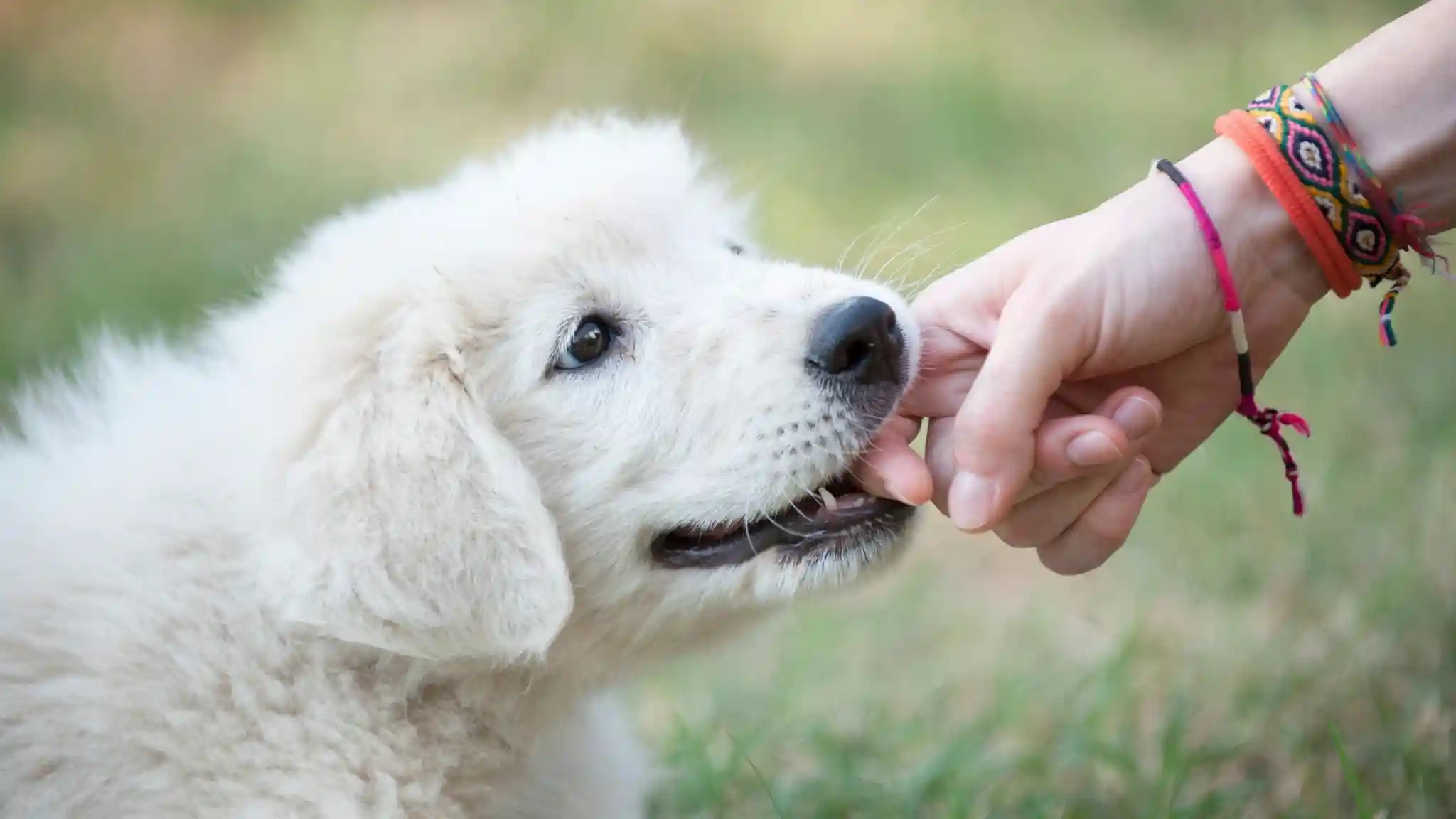
Table of Contents
How to Stop a Puppy from Biting Hands is one of the most common challenges new puppy owners face, yet it’s also one of the most manageable with the right approach. Those sharp, needle-like puppy teeth can turn playful nips into painful encounters, leading to frustration for both the puppy and their human companions. While it might feel like an unending battle, puppy biting is a normal and crucial part of a young dog’s development. This comprehensive guide will delve into the reasons behind puppy biting and provide practical, positive reinforcement techniques to help your furry friend learn gentle mouth manners, ultimately fostering a stronger bond between you and your puppy.
How to Stop a Puppy from Biting Hands: Why Puppies Bite
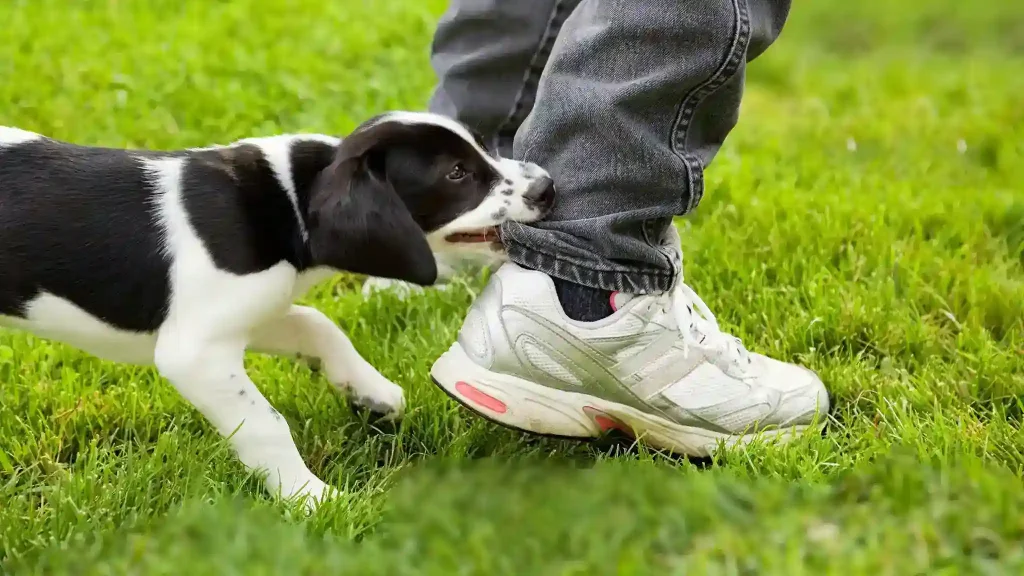
Puppies use their mouths to explore the world around them, much like human babies use their hands. Since they lack opposable thumbs, their mouths become their primary tool for investigation, communication, and play. This natural exploratory behavior is often misinterpreted as aggression, but for the vast majority of puppies, it is simply a normal part of growing up. Understanding the underlying reasons can help you approach the issue with patience and empathy.
Here are the primary reasons why puppies bite hands:
- Exploration: Puppies investigate new objects, textures, and their environment by mouthing and biting. This helps them gather sensory information about their surroundings.
- Teething: As puppies lose their baby teeth and their adult teeth begin to emerge (typically between 3 and 6 months of age), their gums can become sore and uncomfortable. Chewing and biting helps to relieve this discomfort, similar to how human infants use teething rings.
- Play Behavior: In their litter, puppies learn social cues and bite inhibition by playing with their siblings. When one puppy bites another too hard, the bitten puppy will often yelp, causing the play to stop. This teaches the biting puppy to moderate the force of their bite to keep the game going. When they come to a new home, they try to engage with humans in the same way.
- Seeking Attention: Sometimes, puppies learn that biting hands or clothing can get them attention, even if it’s negative attention like a scolding. Any reaction can inadvertently reinforce the behavior.
- Overstimulation or Overtiredness: Just like young children, puppies can become nippy when they are overstimulated, over-excited, or overtired. These moments, often referred to as “zoomies,” can lead to an increase in biting.
- Boredom: A puppy that isn’t receiving enough mental or physical stimulation may resort to biting as a way to relieve boredom and seek engagement.
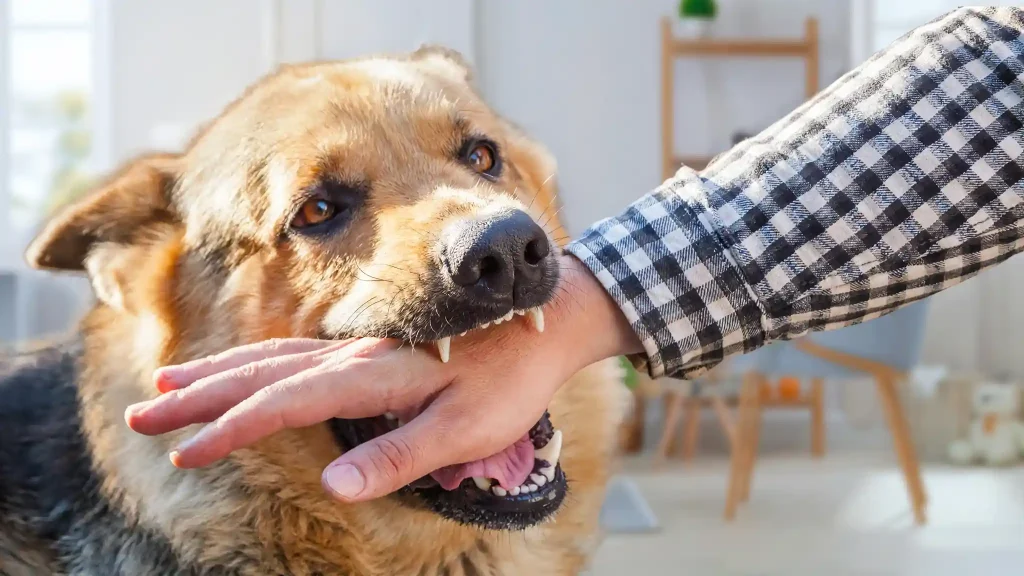
It’s important to differentiate normal puppy mouthing from genuine aggression. Normal puppy biting is usually quick, lacks aggressive postures (like growling or baring teeth before the bite), and is part of play. If your puppy exhibits signs of aggression, such as growling, stiff body posture, or sustained, hard biting, it’s crucial to seek professional help immediately.
How to Stop a Puppy from Biting Hands with Bite Inhibition Training
Bite inhibition is the most critical skill a puppy needs to learn. It refers to a dog’s ability to control the force of their bite, so that if they ever do bite in a situation other than play (e.g., out of fear or pain), the bite is gentle and causes minimal harm. Puppies typically learn this from their littermates. As their new “pack,” it’s your job to continue this education.
Here’s how to teach bite inhibition effectively:
- The “Yelp” Method: When your puppy bites you too hard during play, let out a sharp, high-pitched “ouch!” or “yip!” sound, similar to what a littermate would do. This should startle your puppy and cause them to pause their biting. As soon as they let go or even momentarily stop, praise them calmly and then resume play. If yelping excites your puppy more, try a calm “Ow” or a boring “No bite” instead.
- Freeze and Ignore: If yelping doesn’t work, or if your puppy continues to bite, immediately withdraw all attention. This means letting your hand go limp, turning away from your puppy, folding your arms, or even standing up and walking away from them for 10-20 seconds. The goal is to teach your puppy that hard biting makes the fun stop. Movement can make your hand seem like prey, so freezing is key.
- Gradual Reduction in Bite Pressure: Start by responding to truly hard bites. Once your puppy consistently reduces the force of their hardest bites, begin to react to progressively softer bites, even just light pressure. The ultimate goal is for your puppy to understand that human skin is off-limits for even the gentlest mouthing.
- Positive Reinforcement for Gentle Play: Whenever your puppy plays gently with toys instead of your hands, or when they lick your hands instead of biting, praise them enthusiastically and offer a small treat. This reinforces the desired behavior.
Consistency is paramount. Every family member must apply these rules consistently for the training to be effective.
How to Stop a Puppy from Biting Hands Using Time-Outs and Positive Reinforcement
One of the most effective strategies to stop puppy biting is to redirect their natural chewing and biting urges onto appropriate items.
Keep Toys Handy
Always have a variety of puppy-safe chew toys readily accessible. When your puppy starts to nip at your hands or clothing, immediately offer a suitable toy as a substitute. Wiggle the toy to make it enticing, drawing their attention away from your hands. As soon as they mouth the toy, praise them. This teaches them what is acceptable to bite.
Choosing the Right Toys
The type of toys you offer plays a significant role. Look for a variety of textures and durabilities to keep your puppy engaged and satisfy different chewing needs.
- Teething Toys: During the teething phase, rubber chew toys designed to soothe sore gums are excellent. Some can even be frozen for added relief.
- Tug Toys: Tug-of-war games, when played correctly, can be a fantastic outlet for a puppy’s energy and natural biting instincts. Use long-handled tug toys to keep your hands away from their sharp teeth. Teach your puppy to “drop it” on command to ensure you have control of the game.
- Interactive/Puzzle Toys: Toys that dispense treats or require mental effort can keep your puppy occupied and mentally stimulated, reducing boredom-induced biting.
- Durable Chews: Ensure toys are appropriately sized for your puppy and cannot be easily torn apart or ingested.
Regularly rotate toys to maintain novelty and interest.
How to Stop a Puppy from Biting Hands by Managing Energy and the Environment
When a puppy’s biting becomes excessive or they are too riled up to be redirected, a brief time-out can be a very effective consequence.
| Action | Purpose | Example |
|---|---|---|
| Withdraw Attention (Short Break) | Teaches the puppy that biting stops the fun and interaction. | If puppy nips, stand up, turn your back, and ignore for 10-20 seconds. |
| Physical Time-Out | Removes the puppy from the stimulating environment to calm down. | Gently place the puppy in their crate or a puppy-proofed area (like an X-pen or behind a baby gate) for 30-60 seconds. |
| End Play Session | For persistent biting, ending the game entirely sends a clear message. | If biting resumes after a short break, conclude the play session and walk away. |
It’s crucial that time-outs are not used as punishment in an angry manner, as this can scare the puppy or damage your bond. Instead, they should be calm, brief interruptions designed to teach the puppy that biting results in the loss of something desirable – your attention and play. The crate should be a positive, safe space, so if used for time-outs, ensure it’s still primarily associated with comfort and relaxation.
Common Mistakes When Learning How to Stop a Puppy from Biting Hands
Prevention is often the best cure. By managing your puppy’s environment and ensuring their needs are met, you can significantly reduce instances of biting.
Structured Play and Exercise
Ensure your puppy gets adequate physical and mental exercise throughout the day. A tired puppy is often a well-behaved puppy. This can include:
- Short, frequent play sessions: Puppies have short attention spans. Multiple short playtimes are more effective than one long one.
- Training sessions: Even short, positive reinforcement training sessions can be mentally stimulating and help burn energy.
- Walks: Supervised walks provide opportunities for exploration and exercise.
Scheduled Rest and Downtime
Puppies need a lot of sleep. Overtired puppies are often prone to biting. Provide a predictable daily routine that includes scheduled rest times in a quiet, comfortable space like a crate or an X-pen. This helps them settle and prevents them from becoming overstimulated.
Avoiding Triggers
Pay attention to when your puppy is most likely to bite. Is it when they’re overly excited, during specific games, or when you first come home? Try to avoid situations that consistently lead to biting. For example, if roughhousing makes them nippy, switch to calmer games like fetch. If they bite your ankles when you walk, carry a toy to redirect them.
When to Seek Professional Help to Stop a Puppy from Biting Hands
While trying to stop puppy biting, some common mistakes can inadvertently reinforce the behavior or create new problems:
- Pulling Hands Away Quickly: This can make your hands seem like a toy and trigger a chase and bite response in your puppy. Instead, let your hands go limp.
- Using Hands as Toys: Engaging in rough play with your bare hands teaches your puppy that human skin is an acceptable target for biting. Always use toys for interactive play.
- Physical Punishment: Hitting, swatting, or using other harsh physical corrections can be detrimental. It can make your puppy fearful or defensive, potentially leading to actual aggression, or they might interpret it as rough play and bite harder.
- Yelling or Scolding: While it’s natural to react to pain, yelling can often be interpreted by your puppy as attention, even if it’s negative, and can sometimes escalate their excitement. Keep your voice calm or use a boring “No bite.”
- Inconsistency: If one family member allows biting while another discourages it, your puppy will become confused and training will be ineffective. Everyone must be on the same page.
- Insufficient Stimulation: An under-stimulated or bored puppy is more likely to engage in unwanted behaviors, including biting.
For more detailed information on puppy behavior and training, resources like the American Kennel Club (AKC) provide valuable insights into positive reinforcement techniques. You can find useful articles and guides on their official website, such as this one on Teaching Bite Inhibition.
When to Seek Professional Help
While most puppy biting is a normal developmental phase that can be managed with consistent positive reinforcement, there are instances when professional intervention is necessary. You should consider consulting a certified professional dog trainer or a veterinary behaviorist if:
- Your puppy’s biting is becoming more frequent or intense despite consistent training efforts.
- The biting seems aggressive (accompanied by growling, baring teeth, stiff body, or lunging) rather than playful.
- Your puppy bites hard and holds on, rather than quickly releasing.
- The biting is not improving by the time your puppy is 4-6 months old, or it escalates beyond this age.
- You feel overwhelmed or unsure of how to proceed with the training.
- The biting is associated with pain or fear when certain body parts are touched.
Early intervention is key to preventing small behavioral issues from escalating into larger problems as your puppy grows. A professional can assess your puppy’s specific situation and provide a tailored training plan.
Conclusion
Stopping a puppy from biting hands requires patience, consistency, and a positive approach. It’s a crucial aspect of their early development that teaches them how to interact safely and politely with humans. By understanding why puppies bite, actively teaching bite inhibition, redirecting their mouthing to appropriate chew toys, utilizing effective time-outs, and managing their environment and energy levels, you can transform your “land shark” into a gentle companion. Remember that this phase is temporary, usually subsiding significantly by 3 to 5 months of age, and often completely by 8 to 10 months, especially with dedicated training. Embrace this training period as an opportunity to strengthen your bond and communicate effectively with your new family member, setting them up for a lifetime of good manners and joyful companionship.