Dog Dental Care: 10 Essential Tips for Healthy Teeth at Home (2026 Guide)
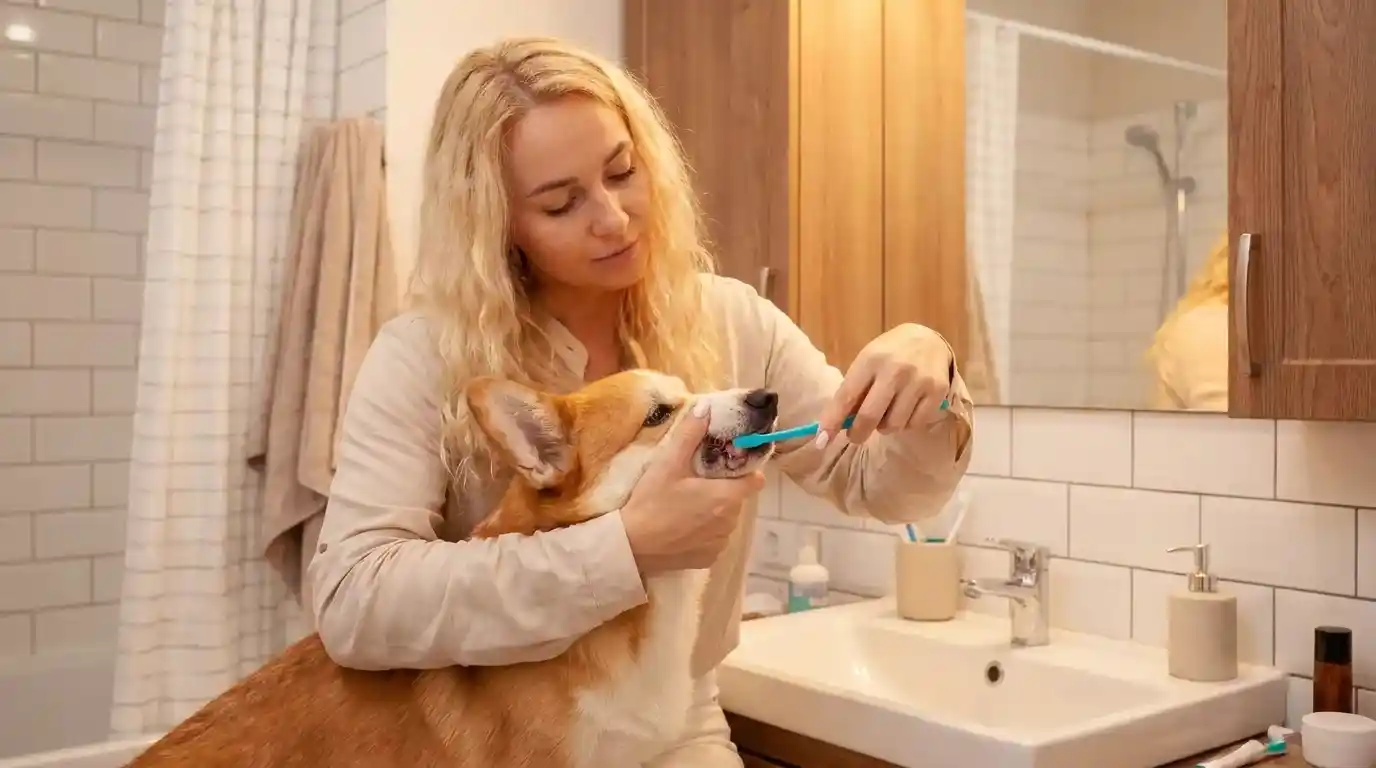
Table of Contents
Dog dental care at home is an often-underestimated but crucial aspect of your canine companion’s overall health and well-being. Just like humans, dogs are susceptible to a range of dental issues, from plaque and tartar buildup to severe periodontal disease, which can significantly impact their quality of life and even lead to systemic health problems affecting vital organs like the heart, kidneys, and liver. Establishing a consistent and effective home dental care routine can prevent discomfort, pain, and costly veterinary procedures down the line. This comprehensive guide will delve into the various methods, products, and best practices for maintaining your dog’s oral health right from the comfort of your home.
The Importance of Canine Dental Hygiene
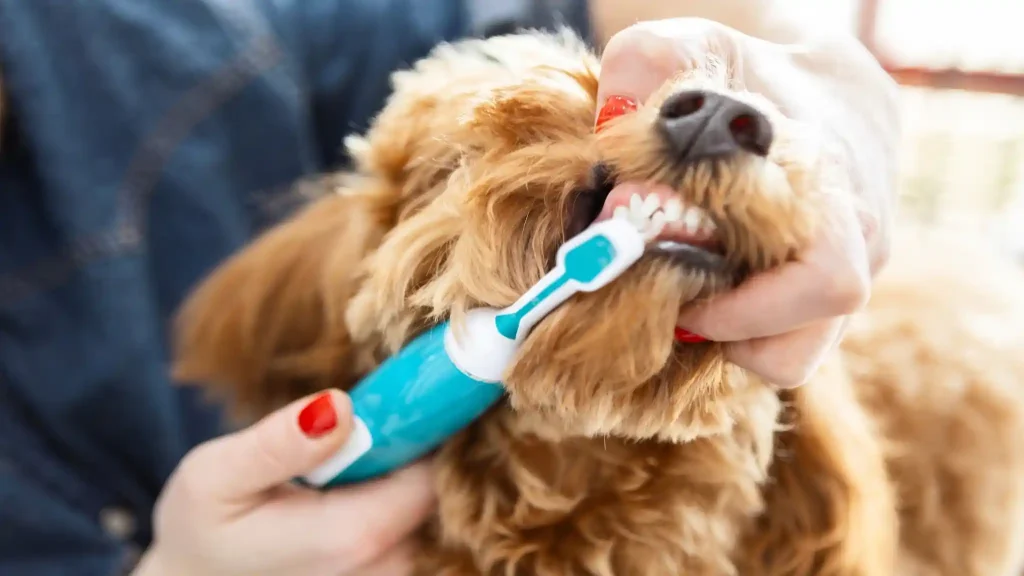
The significance of dental health in dogs extends far beyond fresh breath. Poor oral hygiene is the leading cause of dental disease in dogs, with over 80% showing signs of periodontal disease by the age of three. This disease begins with plaque, a sticky film of bacteria that constantly forms on the teeth. Within as little as 24 hours, minerals in saliva can harden this plaque into tartar (or calculus), which is much more difficult to remove. The accumulation of plaque and tartar leads to gingivitis, an inflammation of the gums. If left unchecked, gingivitis can progress to periodontitis, a more severe condition characterised by bone loss, infection, and eventually, tooth loss.
Beyond the oral cavity, dental disease can have profound effects on a Dog Dental Care general health. Bacteria from mouth infections can enter the bloodstream and spread to other organs, including the heart, kidneys, and liver, potentially leading to serious and life-threatening conditions. Dogs often hide their pain, so dental disease can progress silently, causing significant discomfort that owners may not even notice until the condition is advanced. Regular dental care helps prevent this silent suffering, ensuring your dog can eat, play, and live comfortably.
Understanding Canine Dental Problems
To effectively care for your dog’s teeth at home, it’s essential to understand the common dental problems they face:
- Plaque: A colourless, sticky film of bacteria that forms on teeth after eating. It’s the precursor to more severe dental issues.
- Tartar (Calculus): Hardened plaque that adheres firmly to the tooth surface. It has a yellow or brown appearance, especially near the gumline. Tartar cannot be removed by brushing alone and requires professional cleaning.
- Gingivitis: Inflammation of the gums, often appearing as redness or swelling. It’s an early stage of periodontal disease and is reversible with proper care.
- Periodontal Disease: A more advanced and irreversible stage where infection and inflammation spread below the gumline, leading to bone loss, gum recession, and eventually, tooth loss. This can cause severe pain.
- Bad Breath (Halitosis): Often the first noticeable sign of dental disease, foul breath is caused by bacteria accumulating in the mouth. While some odour is normal, a strong, unpleasant smell indicates an underlying issue.
- Broken or Loose Teeth: These can result from chewing on hard objects or advanced dental disease.
Small dog breeds are particularly prone to dental problems, filing 10% more dental claims than large Dog Dental Care breeds and being more susceptible to periodontal disease, gingivitis, bone loss, and tooth loss.
The Foundation of At-Home Care: Brushing Your Dog’s Teeth
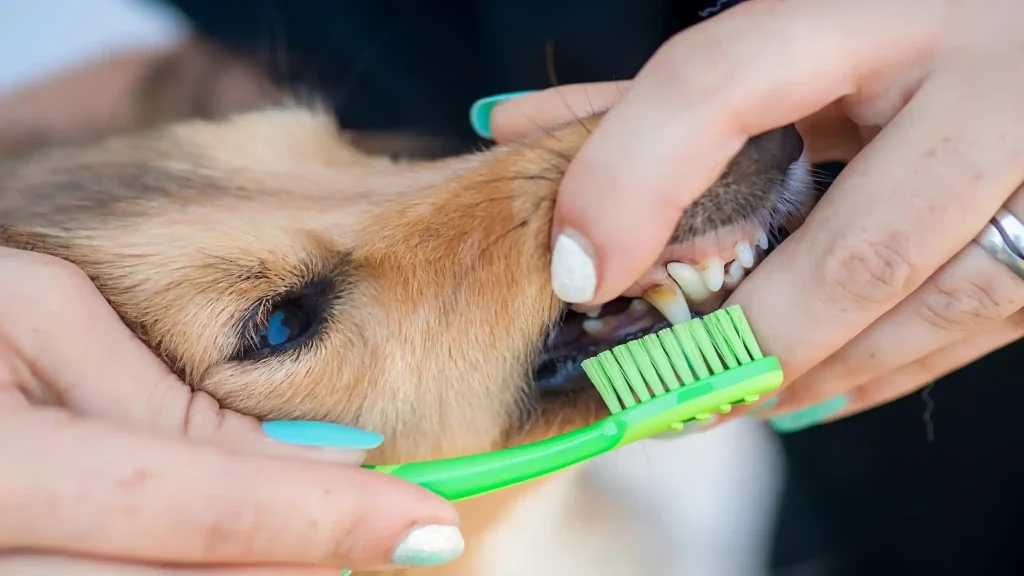
Brushing your Dog Dental Care teeth is widely considered the most effective method of at-home dental care for preventing plaque and tartar buildup and is the “gold standard” of veterinary dental home care. While daily brushing is ideal, even brushing two to three times a week can make a significant difference.
Choosing the Right Tools
- Dog Toothbrush: Use a toothbrush specifically designed for dogs. These often have softer bristles and are angled to reach different areas of your dog’s mouth. Finger brushes can be a good option for beginners or smaller Dog Dental Care, offering more control. For large dogs, a regular human toothbrush or a multi-sided brush designed for larger teeth can be effective.
- Dog Toothpaste: This is crucial. NEVER use human toothpaste, as it contains ingredients like fluoride and xylitol that are toxic if swallowed by dogs. Dog-specific toothpastes are formulated to be safe for ingestion and come in appealing flavours like poultry, beef, or peanut butter to make the experience more enjoyable for your pet. Some enzymatic toothpastes contain enzymes that help break down plaque and reduce bad breath.
Step-by-Step Brushing Guide
Patience and positive reinforcement are key to making toothbrushing a successful and stress-free experience.
- Start Slowly and Create Positive Associations: Begin by creating a calm environment. Introduce your Dog Dental Care to the toothpaste by letting them lick a small amount from your finger or the brush to get them used to the taste. Praise and reward them.
- Get Them Used to Mouth Handling: Gently rub your finger or a soft cloth over their outer teeth and gums in a back-and-forth or circular motion. Gradually increase the time and area you cover.
- Introduce the Toothbrush: Once your dog is comfortable with your finger, apply a small amount of Dog Dental Care toothpaste to the toothbrush.
- Begin Brushing: Gently lift your dog’s lips to expose their teeth. Hold the toothbrush at a 45-degree angle to the gumline and use gentle, circular motions. Focus on the outer surfaces of the teeth, especially the large cheek teeth and canines, where plaque and tartar accumulate most quickly. You don’t necessarily need to brush the inside surfaces, as the dog’s tongue helps clean them.
- Keep Sessions Short and Positive: Especially in the beginning, aim for short sessions (30 seconds to 1 minute) and gradually increase the duration. Always end with praise, a treat, or their favourite game to reinforce good behaviour.
- Consistency: Make it a regular part of your dog’s routine.
Beyond the Brush: Dental Chews and Toys
While brushing is paramount, dental chews and toys can be excellent supplements to a home dental care routine, helping to reduce plaque and tartar buildup. However, it’s important to choose them wisely and understand they are not a replacement for regular brushing.
Selecting Effective Dental Chews
The Veterinary Oral Health Council (VOHC) awards a seal of acceptance to products proven to reduce plaque and/or tartar by at least 20%. Look for this seal when choosing dental chews. Important considerations include:
- Texture: Dental chews should be firm enough to provide abrasive action against teeth but flexible enough to prevent tooth fractures. Avoid excessively hard items like bones, antlers, or hooves, which can damage teeth.
- Size: Ensure the chew is appropriate for your Dog Dental Care size to encourage proper chewing rather than gulping.
- Ingredients: Look for quality ingredients, and be mindful of calorie content to prevent weight gain. Some chews include natural breath fresheners like alfalfa, peppermint, parsley, fennel, and dill.
Popular VOHC-approved dental chews often recommended by vets include Greenies Dental Chews, Oravet Dental Hygiene Chews, Virbac C.E.T. VeggieDent Chews, and Purina DentaLife Daily Oral Care Chews.
Dental Chew Toys
Chew toys designed for dental health can provide entertainment while also helping to scrape plaque from teeth. Rope toys and rubber toys with ridges can be beneficial. However, like chews, they are supplementary and not a standalone solution for oral hygiene.
| Dental Care Method | Benefits | Key Considerations | Frequency (Recommended) |
|---|---|---|---|
| Tooth Brushing | Most effective for plaque/tartar removal, freshens breath, and prevents gum disease. | Requires a pet-specific toothbrush and toothpaste (never human toothpaste). Patience and positive reinforcement are essential. | Daily (ideal), 2-3 times per week (minimum). |
| Dental Chews (VOHC-Approved) | Helps reduce plaque and tartar mechanically, provides enrichment. | Look for the VOHC seal. Choose an appropriate size and texture. Not a replacement for brushing. | As directed by product, typically daily. |
| Water Additives | Reduces bacteria, freshens breath, helps neutralise plaque, and is easy for non-brushing dogs. | Ensure it’s pet-safe, odourless, and tasteless. Look for VOHC-approved. | Daily, added to drinking water. |
| Dental Wipes, Gels & Sprays | It’s convenient for dogs resistant to brushing and helps reduce bacteria and freshen breath. | Not as effective as brushing, but better than nothing. Can be good for initial desensitisation. | Daily application, or as needed. |
Other At-Home Dental Care Solutions
In addition to brushing and dental chews, several other products and practices can contribute to your Dog Dental Care oral health at home:
- Water Additives: These are easy solutions for Dog Dental Care that resist brushing. Many are odourless and tasteless, working by neutralising bacteria and freshening breath with every sip. Look for VOHC-approved products.
- Dental Gels and Sprays: Applied directly to teeth and gums, these products can help reduce bacteria and freshen breath. Some dental gels can be effective without brushing, though brushing may speed up results. Petsmile Professional Dog Dental Care Dental Gel is a VOHC-accepted toothpaste that effectively controls plaque and tartar without the need for brushing.
- Dental Wipes: These are an excellent option for dogs that don’t tolerate a toothbrush. You can wrap a wipe around your finger and gently rub it over your dog’s teeth and gums.
- Dental Powders: Supplements like ProDen PlaqueOff Powder, derived from natural kelp, can be added to food. They work systemically to reduce plaque and tartar and freshen breath, often showing results in a few weeks.
When using any of these products, always ensure they are specifically formulated for dogs and follow the instructions carefully. Consulting your veterinarian for appropriate recommendations tailored to your dog’s specific needs is always advisable.
Dietary Considerations for Optimal Dental Health
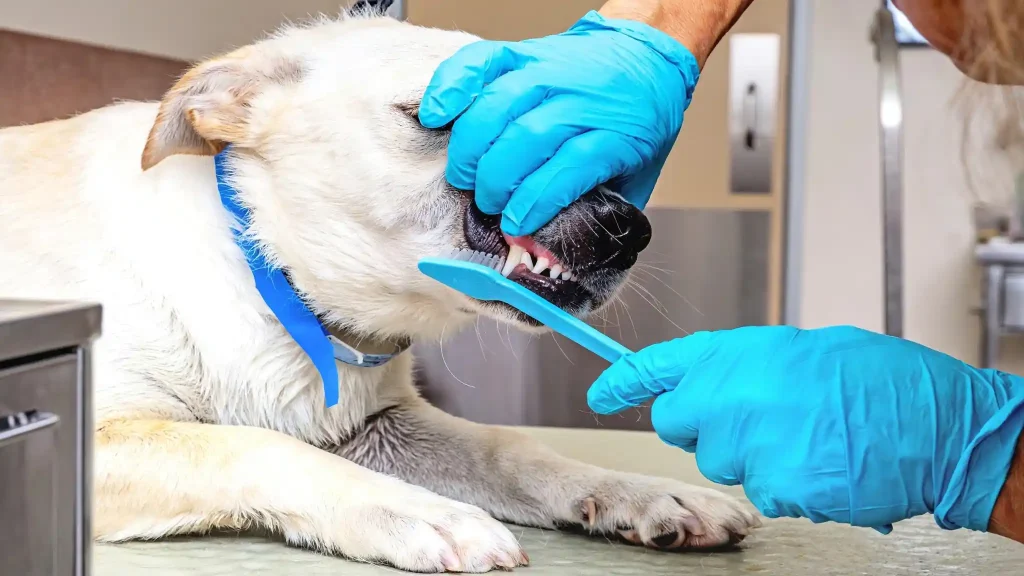
Diet plays a role in supporting your dog’s dental health. While dry kibble can help scrape plaque off teeth better than wet food, its abrasive action alone is not enough to prevent dental disease entirely.
- Dental Diets: Some prescription or veterinary dental diets are specifically formulated with a unique kibble texture and ingredients to support oral hygiene and reduce plaque and tartar formation. These can be a valuable part of a comprehensive dental care plan.
- Crunchy Vegetables and Fruits: Certain raw, crunchy vegetables like carrots and broccoli stalks can act as natural toothbrushes, helping to scrape away plaque as your Dog Dental Care chews. Apple slices and green beans also offer a healthy crunch. However, these should be given in moderation as treats and always supervise your Dog Dental Care to prevent choking hazards, especially with carrots.
- Raw Bones: Raw bones (appropriately sized and never cooked, which can splinter) can provide natural abrasion to help scrape away plaque and tartar and offer mental enrichment. Always supervise your Dog Dental Care when they are chewing raw bones.
- Homemade Dental Treats: Recipes incorporating ingredients like parsley, pumpkin, and yoghurt can promote fresh breath and gut health, which is linked to oral health. Coconut oil is sometimes used as a natural antibacterial agent, though it’s important to be aware of potential effects on cholesterol and weight. Avoid using baking soda, as it can be dangerous for dogs.
- Hydration: Providing fresh, clean water daily is essential for overall health, including oral hygiene, as it helps wash away food debris.
Recognizing Signs of Dental Issues and When to Seek Veterinary Help
Even with diligent at-home care, it’s crucial to be vigilant for signs of developing dental problems and know when to seek professional veterinary attention. Routine examinations by your veterinarian are essential, as they can perform conscious oral exams at annual visits and recommend professional cleanings under anaesthesia when necessary.
Common Warning Signs of Dental Disease:
- Persistent Bad Breath: A strong, foul odour that goes beyond typical “dog breath” is often the first indicator of dental disease.
- Yellow or Brown Tartar Buildup: Visible accumulation on the teeth, especially near the gum line.
- Red, Swollen, or Bleeding Gums: Healthy gums should be light pink. Redness, swelling, or any bleeding indicates inflammation or infection.
- Difficulty Eating or Decreased Appetite: Dental pain can make chewing uncomfortable, leading to a reluctance to eat, chewing on one side, or dropping food.
- Excessive Drooling: Increased drooling can be a sign of oral pain or discomfort.
- Pawing at the Mouth or Face: Dogs may rub their face against furniture or paw at their mouth to trytod alleviate pain.
- Loose or Missing Teeth: A clear sign of advanced dental disease.
- Visible Pain or Irritability: Behavioural changes, lethargy, or reluctance to play with toys can indicate oral discomfort.
- Facial Swelling: Swelling on the jaw or face can indicate an abscess or other serious infection.
- Nasal Discharge: Can sometimes be bloody and is a sign to contact your vet.
If you observe any of these signs, it’s crucial to schedule a veterinary visit immediately. Early intervention can prevent the progression of dental disease and save your Dog Dental Care from unnecessary pain and further health complications. Professional dental cleanings under anaesthesia allow veterinarians to thoroughly clean below the gumline, address hidden root issues with X-rays, and extract infected teeth that cannot be treated with home care alone. For more in-depth information on canine dental health, you can refer to authoritative sources like Wikipedia’s article on dog health.
Conclusion
Dog dental care at home is an ongoing commitment that significantly contributes to your pet’s longevity and quality of life. By understanding the importance of oral hygiene, recognising the signs of dental problems, and implementing a consistent routine of brushing, appropriate dental chews, and other supplementary products, you can actively protect your canine companion’s dental health. While at-home care is foundational, remember that it complements, but does not replace, regular professional veterinary dental check-ups and cleanings. Working closely with your veterinarian and maintaining a proactive approach will ensure your dog Dog Dental Care enjoys a healthy, happy smile for many years to come.