Dog Breeds: 15 Amazing Dogs That Are Easiest to Train (2026 Guide)
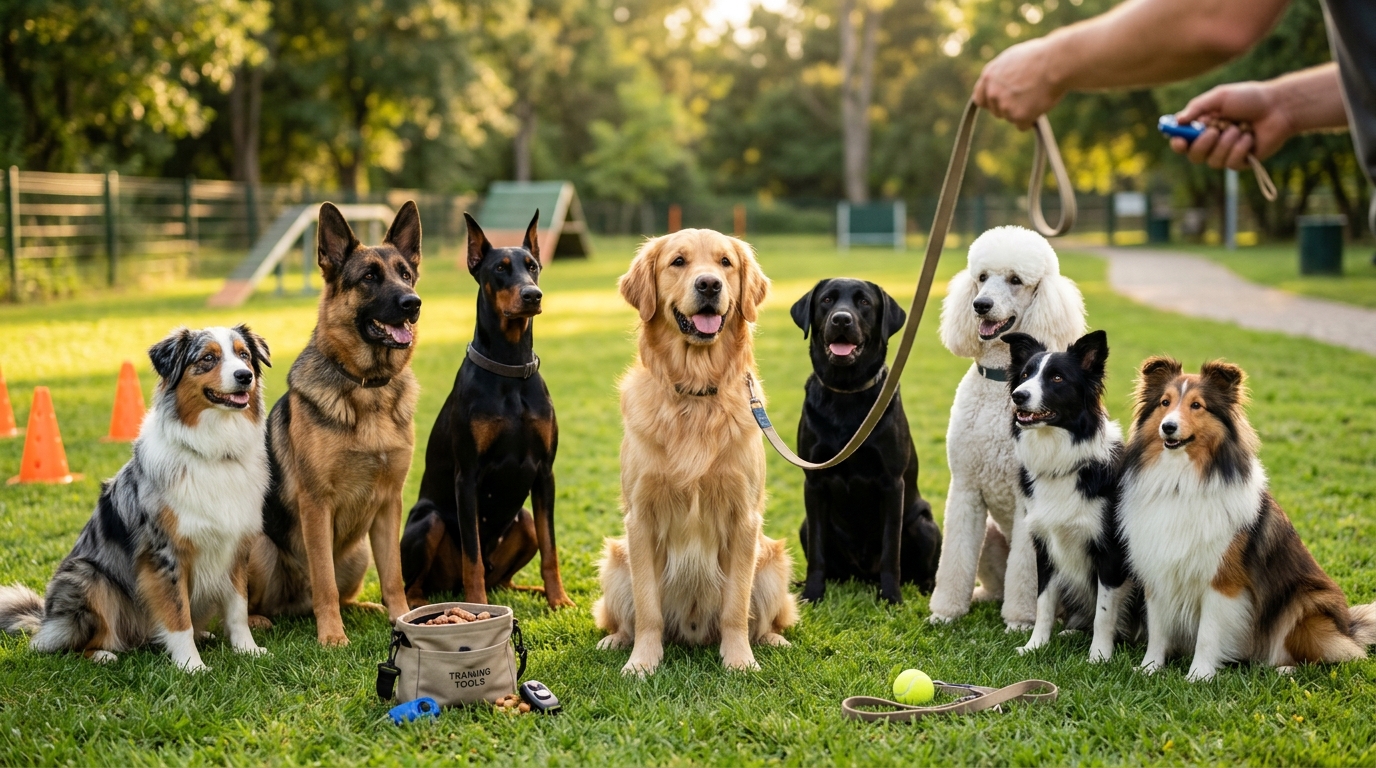
Table of Contents
Dog breeds that are easiest to train often become the most cherished companions, bringing immense joy and a harmonious presence into our homes. While all dogs are capable of learning, certain breeds possess a natural aptitude for obedience and a strong desire to please, making the training process smoother and more rewarding for both the canine and their human counterpart. For first-time dog owners, or those seeking a highly responsive and adaptable pet, selecting a breed known for its trainability can be a significant advantage. This article will delve into what makes a dog easy to train, highlight the top breeds that excel in this area, and provide essential tips to maximize training success.
Understanding Trainability in Dogs: More Than Just Intelligence
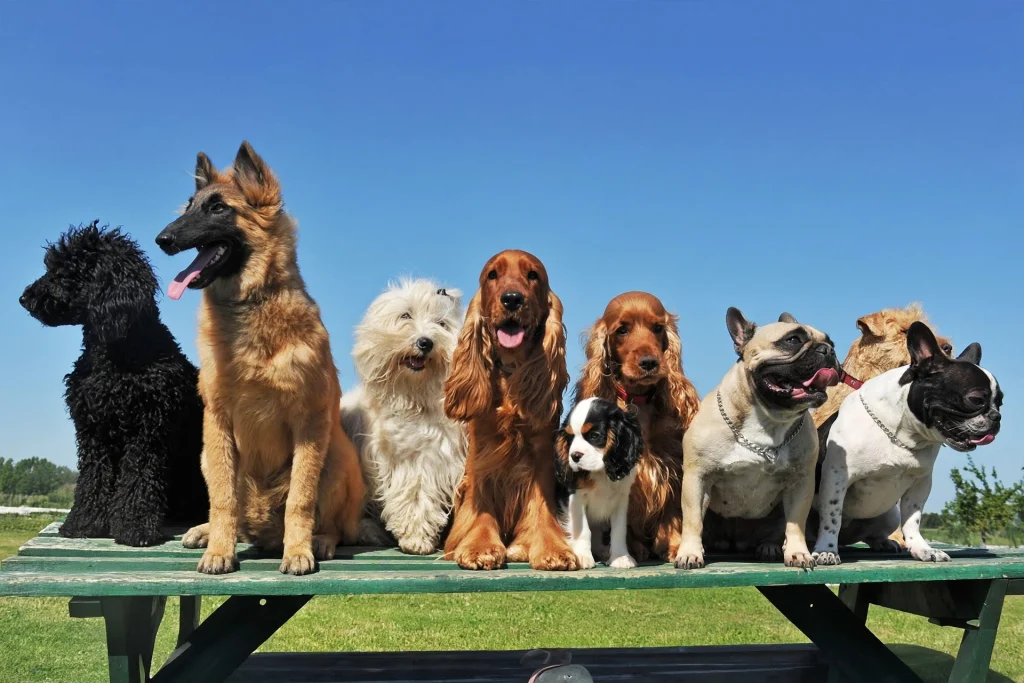
Trainability in dogs is a multifaceted concept that goes beyond mere intelligence. While smart Dog Breeds often pick up commands quickly, true trainability also encompasses factors like temperament, eagerness to please, focus, and biddability. For instance, some intelligent breeds, like certain hounds, can be bright but also stubborn or easily distracted, making them less “easy” to train despite their intellect. On the other hand, breeds that are naturally attentive to their owners, highly food-motivated, and emotionally stable tend to learn faster and retain commands more effectively.
Researchers often describe canine intelligence in several ways:
- Instinctive Intelligence: These are the skills a breed was originally developed for, such as herding, guarding, or retrieving.
- Adaptive Intelligence: This refers to a dog’s ability to solve problems independently.
- Working and Obedience Intelligence: This measures how quickly a Dog Breeds learns commands and how consistently they obey them. This is often the primary metric people consider when talking about “smart” or “trainable” dogs.
A Dog Breeds genetic heritage plays a significant role, as breeds developed for specific working tasks often carry predispositions that enhance their trainability. Their inherent drive and desire to work with humans are crucial aspects.
Key Traits of Easily Trainable Dog Breeds
When considering dog breeds that are easiest to train, several key traits consistently emerge. These characteristics contribute to a dog’s responsiveness and willingness to engage in learning activities:
- Eagerness to Please: Many highly trainable breeds possess an innate desire to make their owners happy. This motivation makes them more receptive to commands and positive reinforcement.
- High Intelligence: Breeds with high working and obedience intelligence tend to grasp new commands quickly, sometimes in fewer than five repetitions, and obey commands over 90% of the time.
- Focus and Attention: Dog Breeds that can maintain focus on their handler, even amidst distractions, are easier to train. This trait is often linked to breeds bred for tasks requiring close human cooperation.
- Calm Temperament and Emotional Stability: Dogs that remain calm and focused in new or distracting environments are generally more effective in training sessions.
- Food Motivation: While not exclusive to trainable breeds, dogs that are highly motivated by treats or toys often learn faster because rewards are powerful motivators for desired behaviors.
- Biddability: This refers to a dog’s willingness to learn for its own sake and to cooperate with humans, a trait particularly strong in breeds like Labrador Retrievers.
- Work Ethic: Many of the easiest-to-train breeds were originally bred for specific jobs, leading to a strong work ethic and a desire for mental and physical engagement.
Top Dog Breeds That Are Easiest to Train
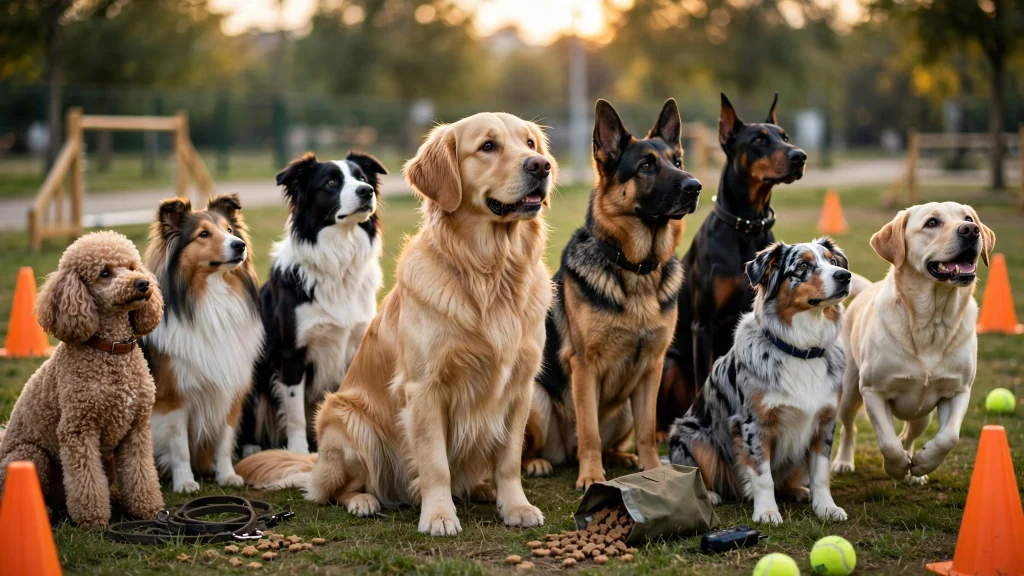
Based on expert consensus and common experience, several dog breeds consistently rank high for their trainability. These breeds often combine intelligence with a cooperative spirit, making them ideal partners for various training endeavors.
Border Collie: The Canine Einstein
Consistently ranked as the most intelligent dog breed, the Border Collie is renowned for its exceptional learning speed and problem-solving abilities. Originally bred for herding livestock, they possess an intense focus and a strong work ethic, thriving when given a “job” to do. Border Collies excel in advanced obedience, agility, and complex task learning. However, their high intelligence means they require significant mental and physical stimulation to prevent boredom and potential behavioral issues. They are extremely responsive to positive reinforcement and enthusiastic learners, but need regular, varied training to stay engaged.
Poodle: Brains and Beauty
Often recognized for their elegant appearance, Poodles (Standard, Miniature, and Toy) are incredibly intelligent and versatile dogs. They are quick learners, possess strong memory, and are eager to please their owners, making them highly receptive to training. Poodles excel in obedience, agility, and even therapy work. Their hypoallergenic coats are an added bonus for many owners. They thrive on structured training and mental challenges, defying the perception of being mere “accessory Dog Breeds.”
German Shepherd: Loyal, Protective, and Intelligent
German Shepherds are widely acclaimed for their intelligence, loyalty, and courageous nature, making them a popular choice for police, military, and service roles. They quickly learn commands, have a strong work ethic, and exhibit protective instincts. With consistent training and strong leadership, German Shepherds become incredibly devoted and well-behaved companions. They require significant activity and exercise to prevent boredom, and their guarding nature needs confident management.
Golden Retriever: The Eager-to-Please Companion
Golden Retrievers are consistently among the most popular dog breeds, thanks to their gentle temperament, friendly disposition, and high trainability. They are intelligent, eager to please, and highly responsive to positive reinforcement, making them ideal for both basic obedience and more advanced tasks, including therapy and service work. Their affectionate and patient nature makes them excellent family pets, thriving on human interaction and motivated by connection.
Labrador Retriever: America’s Sweetheart
Labrador Retrievers are celebrated for their friendly, outgoing personalities and their exceptional trainability. Like Golden Retrievers, Labs are eager to please and quick to learn, responding very well to positive reinforcement and thriving with structure and mental stimulation. They were originally bred for tasks requiring close human cooperation and reliability under distractions, making them highly biddable. Their adaptable and loyal nature makes them superb family pets and excellent candidates for service work.
| Breed | Key Trainability Traits | Ideal Owner Type | Energy Level |
|---|---|---|---|
| Border Collie | Exceptional intelligence, strong work ethic, high focus, eager to please. | Active, experienced owners who can provide ample mental and physical challenges. | Very High |
| Poodle | High intelligence, quick learner, strong memory, eager to please, adaptable. | Owners who appreciate mental stimulation and regular grooming; suitable for various households. | Medium to High |
| German Shepherd | High intelligence, loyalty, protective instincts, strong work ethic, adaptable. | Confident, experienced owners providing structured training and plenty of activity. | High |
| Golden Retriever | Eager to please, intelligent, gentle temperament, responsive to positive reinforcement. | Families, first-time owners, individuals seeking an affectionate and trainable companion. | Medium to High |
| Labrador Retriever | Friendly, eager to please, quick learner, biddable, adaptable, food-motivated. | Active families, first-time owners, those looking for a versatile and outgoing Dog Breeds. | High |
| Doberman Pinscher | Alert, intelligent, loyal, eager to please, strong protective instincts. | Experienced owners who can provide consistent training and early socialization. | High |
| Shetland Sheepdog | Intelligent, keen to please, responsive, good problem-solvers. | Owners who enjoy active training and mental games, good for agility. | Medium to High |
Doberman Pinscher: Noble and Attentive
Doberman Pinschers are highly alert, intelligent, and powerful working Dog Breeds known for their exceptional obedience and loyalty. They excel in various roles, from guard duties to advanced skill learning, and form deep bonds with their families. With proper training and early socialization, Dobermans can be sensitive, eager-to-please companions, debunking their often-misunderstood reputation. Their protective nature and strong athletic build mean they require clear guidance and plenty of directed activity.
Shetland Sheepdog: Small but Mighty Intelligent
Often affectionately called “Shelties,” Shetland Sheepdogs are extremely intelligent herding dogs that are keen to please their owners. Despite their smaller size, they possess excellent trainability and enjoy having a “job” to do. Shelties are playful, responsive, and excel in obedience and agility competitions, making them fantastic companions for active individuals or families who enjoy engaging in Dog Breeds sports. Their intelligence and desire for activity make training a mutually enjoyable experience.
Factors Influencing Dog Trainability Beyond Breed
While breed plays a significant role in a dog’s predisposition to trainability, it’s crucial to remember that it’s not the only factor. Several other elements profoundly influence a dog’s learning potential and the ease with which they can be trained:
- Individual Temperament: Even within the same breed, individual Dog Breeds can have varying personalities. Some may be more confident, curious, or independent than others, which can affect their responsiveness to training.
- Age: Puppies, particularly during their critical socialization window (3-16 weeks), are highly adaptable and eager to learn basic commands. Adolescent dogs might present challenges due to hormonal changes, while older dogs can still learn, though they may require shorter, more frequent sessions due to decreased energy and attention spans.
- Early Socialization: Proper and early socialization is paramount. Puppies exposed positively to a variety of sights, sounds, people, and other animals grow into more confident, less fearful, and more adaptable adult dogs, which directly supports training success. It helps prevent behavioral issues like aggression, fearfulness, and reactivity.
- Trainer Skill and Consistency: The human factor is immense. A confident, calm, and kind pet parent who employs consistent training methods and clear communication will achieve better results regardless of the breed. Inconsistency can confuse dogs and hinder progress.
- Training Methods Used: Positive reinforcement techniques, which involve rewarding desired behaviors with treats, praise, or toys, are widely considered the most effective and humane methods. They build a stronger bond and lead to better obedience and fewer behavioral problems than punishment-based methods.
- Environment: A calm and controlled training setting helps dogs focus, while loud or chaotic surroundings can cause distractions and make learning harder. Gradually introducing training in different environments helps Dog Breeds generalize commands.
- Diet and Health: A dog’s overall health and nutrition can impact their energy levels, focus, and general well-being, all of which contribute to their ability to learn. For more information on canine nutrition, you can explore resources on canine nutrition guides.
- Mental and Physical Stimulation: High-energy and highly intelligent breeds require adequate physical exercise and mental challenges to prevent boredom and destructive behaviors. A tired dog is often a well-behaved and more receptive student.
Effective Training Strategies for Easily Trainable Breeds
Even with a naturally trainable breed, employing effective training strategies is crucial for success. These methods not only facilitate faster learning but also strengthen the bond between you and your dog.
- Start Early: Begin basic commands and socialization as early as 8-10 weeks old. The critical socialization period for puppies is between 3 and 16 weeks, during which they are most receptive to new experiences.
- Use Positive Reinforcement: This is the cornerstone of effective dog training. Reward good behavior immediately with high-value treats, praise, or toys. This reinforces the association between the action and a positive outcome, motivating your dog to repeat the desired behavior.
- Keep Sessions Short and Fun: Dogs have limited attention spans. Short, frequent training sessions (5-15 minutes) are more effective than longer, drawn-out ones. Keep them engaging and end on a positive note. Incorporate play breaks to maintain enthusiasm.
- Be Consistent: Consistency is key. Everyone in the household should use the same commands, hand signals, and expectations. A structured routine limits confusion and helps your Dog Breeds learn commands faster.
- Build Up in Stages: Break down complex behaviors into smaller, manageable steps. For instance, when teaching “stay,” start with a few seconds and gradually increase the duration and distance.
- Practice in Various Environments: Dog Breeds often struggle to generalize commands. Practice training in different locations, with varying levels of distraction, so your Dog Breeds learns to respond reliably everywhere, not just at home.
- Utilize the Right Tools: Having appropriate training tools like a comfortable harness and leash, or a clicker, can make training more effective. For example, a front-clip harness can help control pulling during leash training.
- Understand Breed-Specific Needs: Tailor your training approach to your dog’s breed characteristics. A Border Collie, for example, will need more complex mental challenges than a less driven breed.
- Be Patient and Celebrate Progress: Dog training requires patience. Not every session will be perfect. Celebrate small wins and avoid frustration, as Dog Breeds can pick up on your emotions.
Remember, effective training is a continuous process that builds trust and a strong bond. Even with the most trainable breeds, dedication and understanding are paramount.
The Importance of Early Socialization and Consistent Training
Beyond selecting an easily trainable breed, early socialization and consistent training form the bedrock of a well-adjusted and obedient canine companion. Socialization is the process of exposing a young Dog Breeds to a variety of experiences, environments, and interactions during a critical developmental period, typically between 3 and 16 weeks of age. This exposure helps puppies learn how to respond appropriately to new situations, build confidence, and develop healthy social skills.
The benefits of proper socialization are extensive:
- Prevents Behavioral Issues: Many adult Dog Breeds behavior problems, such as aggression, fearfulness, and reactivity, can be traced back to insufficient early socialization. By providing positive early experiences, you can prevent these issues from developing.
- Improves Adaptability and Confidence: Well-socialized dogs are more confident and less fearful in unfamiliar situations, making them adaptable to new places, people, and noises. This adaptability reduces stress for both the Dog Breeds and owner.
- Supports Training Success: Puppies who are calm and confident in new environments are more focused and responsive to training. Socialization lays the groundwork for obedience and other important skills. It helps training “stick” by ensuring puppies feel comfortable and safe enough to learn without distraction or fear.
- Enhances Bonding: A confident, socialized Dog Breeds tends to form stronger connections with their owners, leading to a more harmonious relationship.
Consistency in training, as highlighted throughout this article, goes hand-in-hand with socialization. It means regular practice, using the same commands and rewards, and ensuring all family members are on the same page. This creates a predictable and secure learning environment for your dog. Even an older dog can benefit from socialization and training, although it may require more patience and professional guidance for pre-existing issues. The long-term investment in early socialization and consistent, positive reinforcement training will yield a confident, well-behaved, and happy dog. For further reading on effective dog training principles, consider consulting reputable sources like Wikipedia’s Dog Training page.
Conclusion: A Rewarding Journey for Both Dog and Owner
Choosing a dog breed that is naturally easy to train can significantly enhance the experience of dog ownership, particularly for those new to canine companionship or seeking a highly responsive pet. Breeds like the Border Collie, Poodle, German Shepherd, Golden Retriever, Labrador Retriever, Doberman Pinscher, and Shetland Sheepdog consistently demonstrate the intelligence, eagerness to please, and focus necessary to excel in training. However, it’s vital to remember that breed is just one piece of the puzzle. Individual temperament, early socialization, consistent positive reinforcement training, and a supportive environment are equally crucial. By understanding these factors and dedicating time and patience, any owner can unlock their dog’s full potential, fostering a deep bond and enjoying the myriad rewards of a well-trained and beloved canine family member. The journey of training is an ongoing dialogue, a commitment to understanding and guiding your dog, and ultimately, a path to a more joyful and enriched life together.