Dog Period: 12 Proven Signs, Stages & Heat Cycle Tips
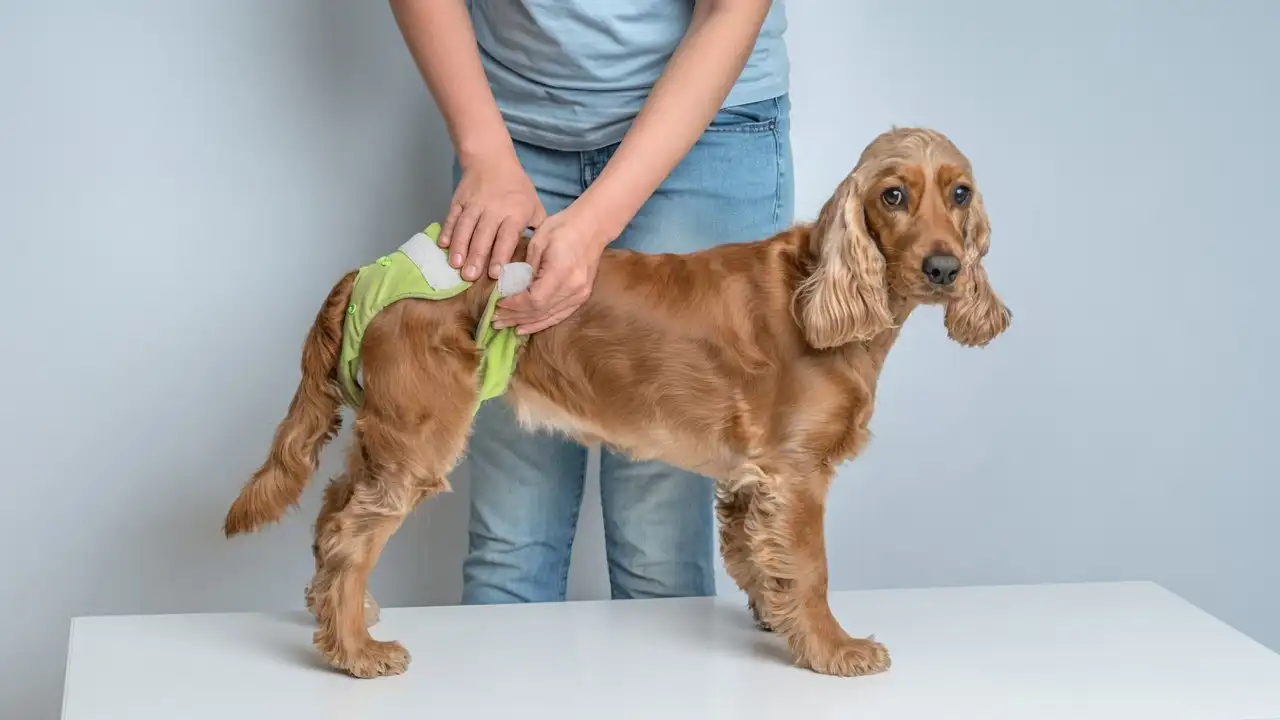
Table of Contents
Dog period how long is a common question among owners of unspayed female dogs, and understanding the nuances of their reproductive cycle is crucial for responsible pet care. Unlike humans who experience a monthly menstrual period, dogs undergo an “estrus cycle,” more commonly known as a “heat cycle.” This cycle is a complex biological process that prepares a female dog’s body for potential pregnancy. It’s not just about the visible bleeding; it involves significant hormonal shifts and behavioral changes that owners need to recognize and manage effectively.
The entire heat cycle is significantly longer than a human menstrual cycle and consists of four distinct phases: proestrus, estrus, diestrus, and anestrus. While the entire cycle can span several months, the observable “period” where signs like vulvar swelling and discharge are prominent, typically lasts for a few weeks. The duration of each phase, and the cycle as a whole, can vary considerably based on factors such as breed, age, and individual physiology. Being well-informed about these stages and their typical timelines helps prevent unplanned pregnancies, ensures the comfort of your dog, and allows for proactive health management.
The Four Stages of the Canine Estrus Cycle
A female dog’s reproductive journey is divided into four distinct stages, collectively known as the estrus cycle. Each stage is characterized by unique hormonal changes, physical signs, and behavioral patterns. Understanding these stages is fundamental to grasping how long a “dog period” actually lasts and what to expect throughout the entire process. The full cycle length is much longer than just the visible signs of heat.
Proestrus: The Initial Phase
Proestrus marks the beginning of the observable heat cycle, often lasting an average of 7 to 10 days, though it can range from a few days up to four weeks in some individuals. During this phase, the dog’s body begins to prepare for potential mating. The most noticeable physical sign is the swelling of the vulva, which becomes more prominent. Simultaneously, a blood-tinged vaginal discharge typically appears. The color and volume of this discharge can vary from dog to dog; some may bleed heavily, while others have very little, or are so meticulous in grooming that owners barely notice it.
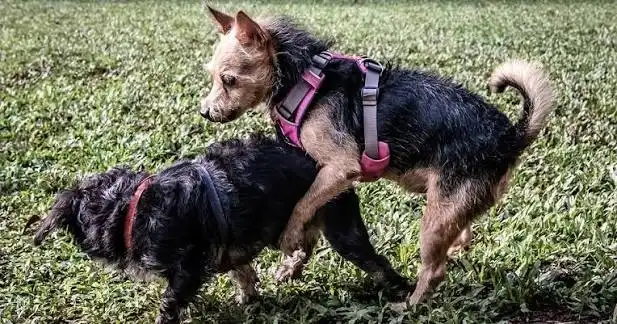
Behaviorally, a female dog in proestrus will often attract male dogs, but she will not yet be receptive to mating. She might flirt with males but will usually refuse their advances, often sitting down or moving away if a male attempts to mount her. Owners might also observe increased urination, restlessness, or a more affectionate or sometimes even aggressive demeanor. It’s crucial during this stage to be vigilant, as male dogs will be highly attracted to her scent, even if she’s not yet willing to mate.
Estrus: The Fertile Window
Following proestrus, estrus is the most critical phase for reproduction, as this is when the female dog is fertile and willing to mate. This stage is often referred to as “standing heat” or being “in season.” Estrus typically lasts around 5 to 14 days, though it can range from 3 to 21 days depending on the individual dog. During estrus, the vulva usually remains swollen, but the vaginal discharge often changes, becoming lighter in color—from bloody to pinkish or straw-colored, and sometimes even clear.
Ovulation generally occurs during the early part of estrus, making this the peak fertile period. A key behavioral indicator of estrus is a female dog’s receptivity to male dogs. She will often stand still, hold her tail to one side (known as “flagging”), and allow mating. Owners might also notice increased licking of the vulva, decreased appetite, or increased nervousness. It’s during this phase that preventing an unplanned pregnancy requires the strictest supervision.
Diestrus: Post-Estrus Period
Diestrus begins immediately after estrus and typically lasts for about 60 to 90 days, or approximately two months. During this stage, the dog’s body either continues with pregnancy if mating was successful or returns to its normal hormonal state if she is not pregnant. Regardless of pregnancy status, the hormone progesterone remains elevated, mimicking the hormonal state of pregnancy.
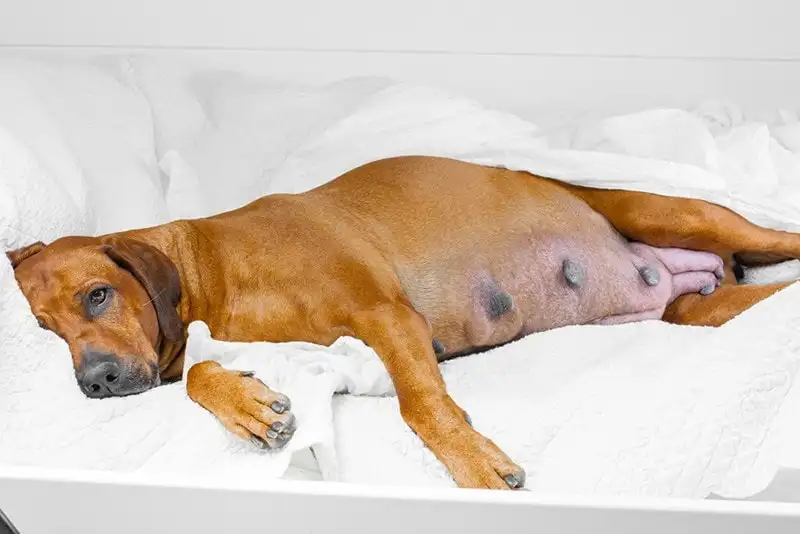
Physical signs of heat, such as vulvar swelling and discharge, will gradually subside during diestrus, and the dog will no longer be receptive to mating. If she is pregnant, this phase encompasses the gestation period. If she is not pregnant, she may still exhibit signs of a “false pregnancy” (pseudopregnancy) due to the hormonal changes, such as nesting behaviors, mammary gland development, or even producing milk.
Anestrus: The Resting Phase
Anestrus is the longest phase of the canine reproductive cycle and is essentially a period of reproductive rest. It typically lasts for about 4 to 6 months, or 100-150 days, before the next proestrus phase begins. During anestrus, hormonal activity is minimal, and there are no outward signs of sexual activity. The uterus repairs itself and prepares for the possibility of another cycle.
This resting phase allows the Dog Period body to fully recover and normalize between heat cycles. The entire duration of the heat cycle, from the beginning of proestrus through anestrus, can range from 5 to 11 months, with most dogs experiencing heat approximately every six months. Smaller breeds tend to cycle more frequently, sometimes every 4-6 months, while larger breeds may cycle only once every 8-12 months.
Factors Influencing Heat Cycle Length and Frequency
The duration and frequency of a Dog Period heat cycle are not set in stone; they can be influenced by a variety of factors. Understanding these variables can help owners anticipate and better manage their dog’s reproductive health.
| Factor | Influence on Heat Cycle | Typical Impact |
|---|---|---|
| Breed Size | Smaller breeds generally mature earlier and may cycle more frequently. Larger and giant breeds tend to have their first heat later and may cycle less often, sometimes only once a year. | Small dogs: 4-6 months between cycles. Large dogs: 8-12 months between cycles. |
| Age | A dog’s first heat cycle can occur anywhere from 6 to 24 months of age, with smaller breeds usually starting earlier. Young Dog Period , especially during their first few cycles, may have irregular or “split” heats due to an immature endocrine system. As Dog Period age, the frequency of cycles may slow down, but they do not go through menopause and can still get pregnant. | First heat: 6-24 months. Irregularity in young Dog Period , longer intervals in older dogs. |
| Individual Variation | Just like humans, every Dog Period is an individual. There can be natural variations in cycle length and duration between Dog Period of the same breed and age. | Some Dog Period may have slightly shorter or longer phases without any underlying issue. |
| Health and Nutrition | A dog’s overall health and nutritional status play a significant role. Obesity or being underweight can affect the regularity and intensity of heat cycles. Poor health or underlying medical conditions can also disrupt the cycle. | Irregular cycles or missed heats if health is compromised. |
| Environmental Factors & Stress | Environmental stressors, changes in routine, or the presence of other dogs can potentially affect the timing of a heat cycle. Some research suggests light exposure might influence cycles. | Stress can lead to delayed or irregular cycles. |
Managing Your Dog During Her Heat Cycle
Caring for a dog in heat requires attention to both her physical and emotional well-being, as well as measures to prevent unwanted pregnancies. The primary goals are to keep her comfortable, maintain cleanliness, and ensure she is safely managed around other Dog Period .
One of the most immediate concerns for owners is managing the vaginal discharge. Doggy diapers or washable pads are highly effective at containing discharge and maintaining hygiene in the home. These can be purchased commercially or fashioned from baby diapers with a tail hole. While some dogs may initially resist wearing them, most adjust quickly.
During walks, it is absolutely paramount to keep your dog on a leash at all times. Even in a fenced yard, an unspayed female in heat can become incredibly resourceful in her attempts to escape and find a mate, and male Dog Period are highly attracted to her scent, often going to extreme lengths to reach her. Avoiding dog parks or areas with unneutered male Dog Period is a wise precaution to prevent accidental breeding.
Behavioral changes are also common. Your Dog Period might be more restless, anxious, clingy, or even moody. Providing extra comfort, a quiet environment, and reassurance can help her navigate these hormonal shifts. Exercise needs might also change; some dogs become more lethargic, while others are more energetic. Observe your Dog Period cues and adjust activity levels accordingly. Ensuring she has a comfortable, clean resting area is also beneficial.
The only guaranteed way to prevent pregnancy and eliminate heat cycles entirely is through spaying (ovariohysterectomy). Spaying not only prevents heat cycles and pregnancy but also significantly reduces the risk of mammary tumors, uterine infections (pyometra), and other reproductive health issues. For comprehensive information on spaying and its benefits, resources like Wikipedia’s article on spaying offer valuable insights into the procedure and its implications for canine health.
When to Consult Your Veterinarian
While the heat cycle is a natural physiological process, certain signs and symptoms warrant a consultation with your veterinarian. It’s important to differentiate between normal variations and potential health concerns.
You should contact your vet if:
- Your Dog Period has not had her first heat by 18-24 months of age, especially if she is a smaller breed.
- Heat cycles are inconsistent in timing or length after the initial few cycles, or if they suddenly become irregular in a mature dog.
- The heat cycle seems unusually long (e.g., beyond 3-4 weeks for the proestrus/estrus phases).
- The vaginal discharge is excessive, has a foul odor, or your Dog Period shows signs of pain, lethargy, or decreased appetite beyond normal behavioral shifts.
- She is displaying severe discomfort, excessive licking, or straining to urinate.
- You suspect she might have a “silent heat,” where physical signs are minimal but hormonal changes are occurring, especially if she’s been around intact males.
- You are considering breeding and need guidance on timing, or if you wish to discuss spaying and its optimal timing for your dog.
Regular veterinary check-ups are always recommended to monitor your Dog Period overall reproductive health and address any concerns promptly.
Conclusion
The question of “dog period how long” reveals a common misunderstanding of the canine estrus cycle. While there are observable signs like bleeding and vulvar swelling that typically last for about 2-4 weeks, this is only a part of the much longer, multi-phase reproductive cycle. Most Dog Period experience their heat cycles approximately every six months, but this can vary significantly based on individual factors such as breed, age, and health. Smaller breeds may cycle more frequently, while larger breeds might do so less often, sometimes even once a year.
Throughout the proestrus and estrus phases, which together constitute the most visible “period,” owners must be diligent in managing their dog’s hygiene and preventing unwanted pregnancies through strict supervision and physical barriers like doggy diapers. Recognizing the signs of each stage and understanding the factors that influence the cycle’s duration empowers owners to provide the best care for their unspayed female Dog Period. Ultimately, while it’s a natural part of an intact female dog’s life, thoughtful management and regular veterinary consultation ensure her health, comfort, and safety throughout her reproductive years.