Dog Show: 15 Amazing Facts Every Dog Lover Should Know
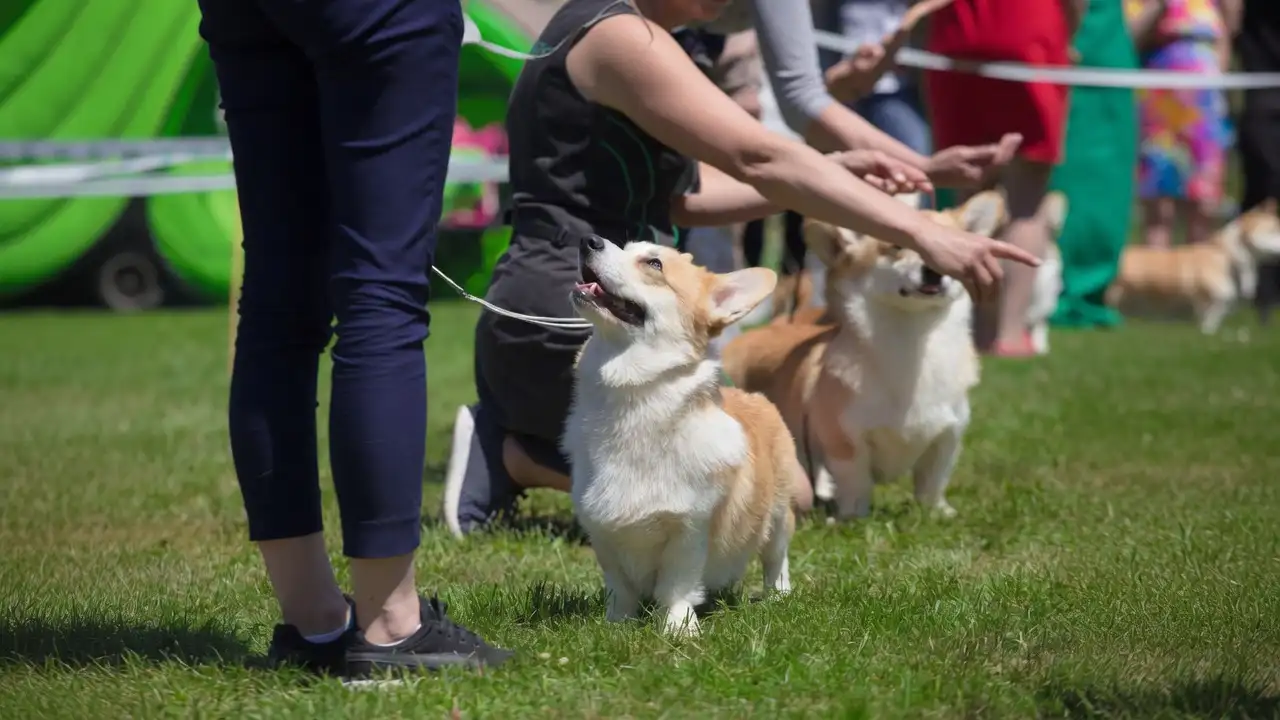
Table of Contents
Dog shows are organized events where canines are evaluated, celebrated, and showcased, reflecting a rich history of human-animal partnership and selective breeding. These competitions are far more than mere beauty pageants; they serve as crucial platforms for assessing breeding stock, preserving breed integrity, and fostering a community of dedicated dog enthusiasts. From the meticulously groomed purebreds in conformation rings to the athletic marvels navigating agility courses, dog shows highlight the diverse capabilities and inherent beauty of our canine companions. They are an opportunity for breeders to demonstrate the success of their breeding programs, for handlers to showcase their training prowess, and for the public to witness the incredible potential of well-bred and well-trained dogs.
The Rich History and Evolution of Dog Shows
The origins of competitive canine evaluation can be traced back to ancient civilizations, where dogs were judged not on their appearance but on their practical skills in hunting and guarding. These early forms of dog competitions were akin to “canine Olympics,” focusing on raw, practical ability.
The concept of modern dog shows, however, began to take shape in the 19th century in England, fueled by a growing societal interest in pedigree dogs. The first organized dog show, featuring only pointers and setters, took place in Newcastle-on-Tyne, England, in June 1859. This initial event was small and primarily intended for sportsmen, with prizes often consisting of hunting gear. Its success quickly led to a second show in Birmingham the following year, which expanded to include more breeds and a greater level of organization and public attention. Suddenly, the focus began to shift from purely utilitarian assessment to an appreciation of a dog’s physical attributes and adherence to a developing breed standard.
The establishment of The Kennel Club in the United Kingdom in 1873 was a pivotal moment, as it formalized breed standards, created a registry for pedigrees, and set forth rules and regulations for dog shows. This laid the groundwork for the rapid global expansion of dog shows. The United States saw its first formal dog show in Chicago in 1874, followed by the prestigious Westminster Kennel Club Dog Show in 1877, which quickly became one of the oldest and most esteemed dog shows worldwide. France also held its first show in 1863.
Over time, dog shows evolved beyond mere field trials and guarding tests. While these ancestral instincts still find expression in performance events, the modern conformation show emerged, emphasizing a dog’s posture, coat, movement, and overall adherence to its breed standard.
Types of Dog Shows and Their Distinct Formats
Dog shows encompass a variety of competitive events, each designed to highlight different aspects of a dog’s abilities and characteristics. While conformation shows are perhaps the most widely recognized, a broader spectrum of events allows dogs and their handlers to participate in diverse challenges.
Conformation Shows: The Pursuit of the Perfect Breed Standard
Conformation shows are the most traditional and frequently televised type of dog show. Their primary purpose is to evaluate breeding stock, assessing how closely a dog conforms to the written “breed standard” established by its national breed club. These standards are detailed descriptions of the ideal specimen for each breed, covering aspects such as overall appearance, structure, movement, temperament, coat type, color, and specific physical traits.
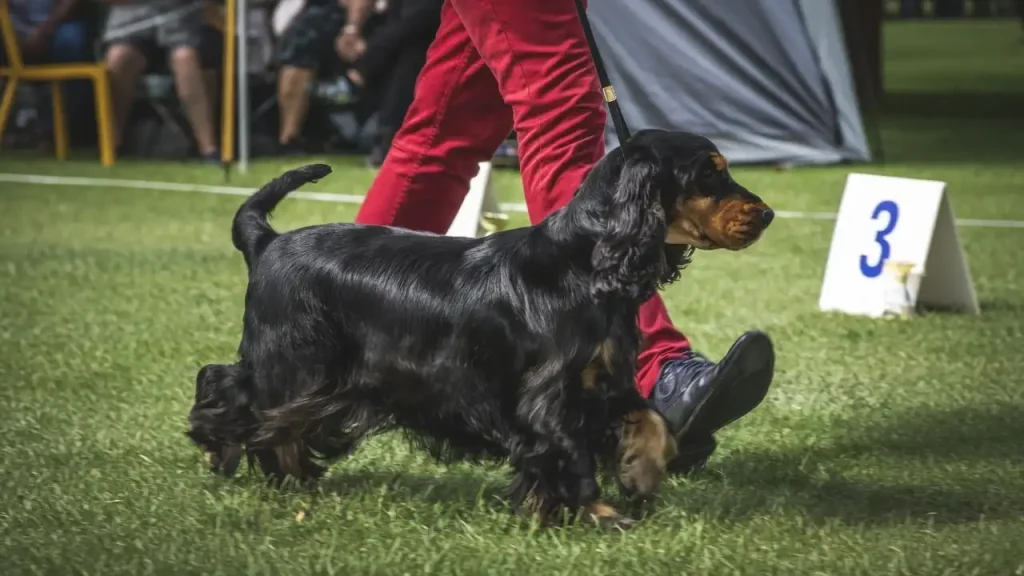
In a conformation show, dogs compete first within their own breed, often divided by age and sex. Judges meticulously examine each dog, both by hand and by observing its gait, to determine how well it matches the breed standard. The winning dogs are those that, in the judge’s opinion, most closely exemplify their breed’s ideal. Spayed or neutered dogs are generally not eligible to compete in conformation classes, as the focus is on evaluating potential breeding animals.
Conformation shows typically progress through several stages:
- Breed Judging: Dogs compete against others of the same breed, first in classes based on age and previous wins (e.g., Puppy, Novice, Open). Winners Dog (best male) and Winners Bitch (best female) are chosen from these classes and earn championship points.
- Best of Breed: The Winners Dog and Winners Bitch then compete against champion dogs of the same breed for Best of Breed. The judge also selects a Best of Opposite Sex, and potentially Select Dog and Select Bitch, which can earn Grand Championship points.
- Group Judging: Best of Breed winners from different breeds are then grouped by their historical function (e.g., Sporting, Hound, Working, Terrier, Toy, Non-Sporting, Herding). The best dog from each group is chosen as the Group Winner.
- Best in Show: The winners of all the groups compete for the ultimate title of “Best in Show.”
Types of conformation shows include all-breed shows (open to all recognized breeds), specialty shows (restricted to a single breed or varieties of one breed), and group shows (limited to breeds within a specific group).
Obedience and Rally: Showcasing Canine Discipline and Teamwork
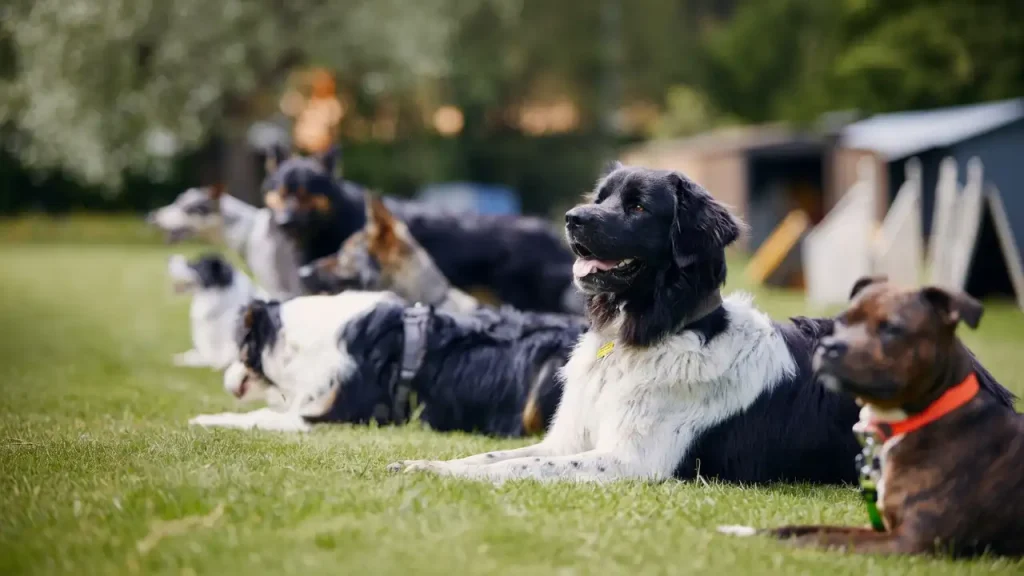
Obedience trials assess a dog’s ability to follow commands and perform a set routine of exercises accurately and willingly. These events demonstrate the dog’s training and the handler’s ability to communicate effectively. Exercises typically include heeling, coming when called, staying in position, and retrieving. Points are deducted for errors, and the dog with the highest score wins.
Rally obedience, often referred to as “Rally-O,” is a more relaxed and interactive form of obedience. In Rally, dog and handler navigate a course with numbered stations, each displaying a sign with an instruction to perform a specific exercise (e.g., “sit-stay,” “figure eight”). Unlike traditional obedience, handlers are allowed to encourage their dogs verbally throughout the course. The emphasis is on teamwork and the dog’s willingness to work with its handler.
Agility Trials: The Thrill of Speed, Skill, and Precision
Agility trials are dynamic and fast-paced events that showcase a dog’s athletic prowess, speed, and intelligence. Dogs, guided by their handlers, navigate an obstacle course that includes jumps, tunnels, weave poles, and seesaws. The goal is to complete the course accurately and within a set time, with penalties for faults like knocking down bars or refusing obstacles. Agility requires exceptional communication between dog and handler and is a popular spectator sport.
| Dog Show Type | Primary Focus | Key Evaluation Criteria | Typical Dog Entry |
|---|---|---|---|
| Conformation | Evaluation of breeding stock against breed standard | Physical appearance, structure, movement, temperament | Purebreds (unaltered) |
| Obedience | Dog’s ability to follow commands accurately | Precision, willingness, performance of specific exercises | Purebreds and sometimes mixed-breeds |
| Rally Obedience | Teamwork and dog’s willingness to follow commands | Completing a course of stations with verbal encouragement | Purebreds and sometimes mixed-breeds |
| Agility | Athletic ability, speed, and precision over obstacles | Navigating a course accurately and quickly | Purebreds and sometimes mixed-breeds |
| Junior Showmanship | Handler’s skill in presenting a dog | Handling technique, presentation, sportsmanship | Young handlers (9-18 years old) with their dogs |
Understanding the Judging Process and Criteria
The judging process across various dog show disciplines is designed to be systematic and fair, though it retains an element of subjective interpretation, especially in conformation.
In conformation shows, judges are experts in the breeds they evaluate. They meticulously assess each dog against its specific written breed standard. This involves a hands-on examination to check teeth, muscles, bone structure, and coat texture, followed by observing the dog’s profile and gait (movement). Judges look for how well all these features align with the ideal described in the standard, not necessarily how one dog compares to another. The judge’s opinion on how closely a dog fits this ideal on “the day” of the show is paramount.
For obedience and rally trials, judging is more objective, with scores awarded based on the accuracy and execution of prescribed exercises. In obedience, specific points are deducted for each fault, such as a crooked heel or a slow retrieve. In rally, while teamwork is emphasized and handlers can offer encouragement, judges still evaluate how well the dog performs at each station according to the regulations, deducting points for significant errors.
Agility trials are primarily judged on speed and accuracy. Time faults are incurred for exceeding the course time, and course faults are given for knocking down bars, missing obstacles, or taking the wrong path. The dog-and-handler team with the fewest faults and the fastest time wins.
Regardless of the discipline, judges must adhere to the rules and regulations set by national kennel clubs, such as the American Kennel Club (AKC) or The Kennel Club (UK). They receive extensive training and must be familiar with the breed standards or trial regulations for the events they officiate.
Preparing a Dog for the Ring: Training, Grooming, and Handling
Success in any dog show discipline is the culmination of dedicated effort in training, grooming, and handler skill. This preparation often begins early in a dog’s life and continues throughout its show career.
Training: For conformation, a dog must learn to stand politely for examination by a judge (stacking), move correctly at various paces (gaiting), and be comfortable with being touched by strangers. Socialization is crucial, ensuring the dog is confident and comfortable in busy, unfamiliar environments with other dogs and people. For performance events like obedience, rally, and agility, training focuses on mastering specific commands, obstacle negotiation, and developing a strong, responsive working relationship with the handler. Consistent, positive reinforcement methods are key to building confidence and enthusiasm.
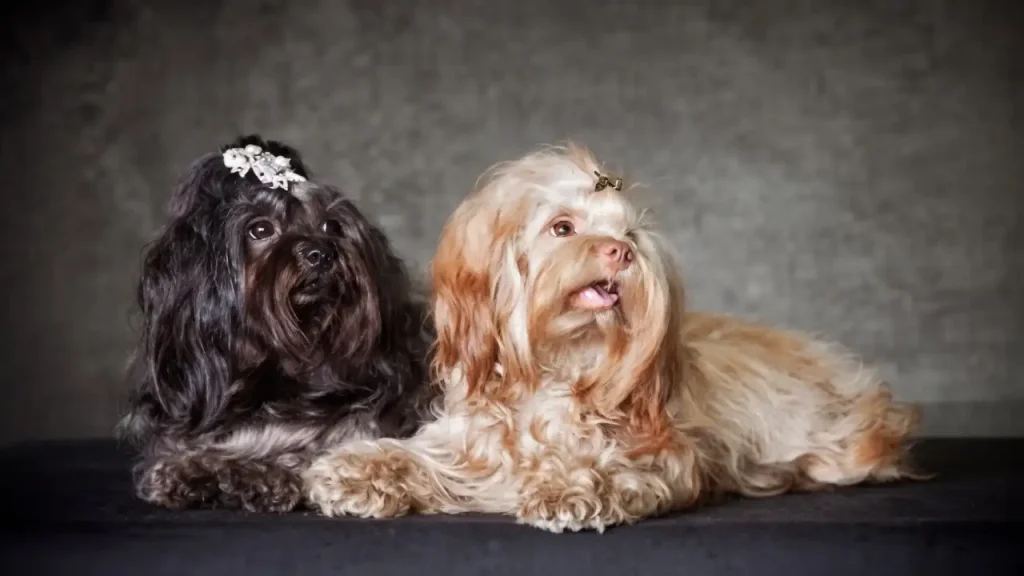
Grooming: Presentation is vital, particularly in conformation shows. Each breed has specific grooming requirements that highlight its unique features and conformation. This can range from intricate trims and coat preparations to meticulous brushing and nail care. Proper grooming not only enhances a dog’s appearance but also contributes to its overall health and comfort.
Handling: The handler’s role is equally important. In conformation, the handler must skillfully present the dog to the judge, accentuating its strengths and minimizing any weaknesses. This involves knowing how to stack the dog, execute gaiting patterns, and maintain the dog’s focus and enthusiasm. In performance events, the handler must guide the dog through the course or routine with clear cues and encouragement, demonstrating effective teamwork. Junior Showmanship classes specifically judge the handler’s skill rather than the dog’s conformation, providing a platform for young enthusiasts to hone their abilities.
Major Dog Show Events Around the Globe
Several dog shows have achieved international renown, attracting thousands of entries and spectators, and representing the pinnacle of canine competition.
The Westminster Kennel Club Dog Show
Held annually in New York City, the Westminster Kennel Club Dog Show is one of the oldest and most prestigious dog shows in the United States, second only to the Kentucky Derby in longevity. Established in 1877, it is a benched show, meaning dogs are on display in assigned locations for the public throughout the event, except when competing or being groomed. Westminster features conformation events, culminating in the highly coveted “Best in Show” title. In recent years, it has also incorporated agility and obedience championships as part of “Westminster Week,” showcasing a broader spectrum of canine talents. The event draws global attention and features thousands of champion dogs representing a vast array of breeds.
Crufts: The World’s Largest Dog Show
Originating in the United Kingdom, Crufts is widely recognized as the largest dog show in the world, attracting hundreds of thousands of visitors and dogs from various countries. Charles Cruft staged his first show in Islington, England, in 1891. Organized by The Kennel Club, Crufts celebrates all things canine, featuring not only conformation judging but also extensive competitions in agility, obedience, flyball, and heelwork to music, alongside numerous trade stands and educational displays. It is a major highlight in the international dog show calendar, emphasizing responsible dog ownership and the celebration of dogs.
Benefits and Challenges of Participating in Dog Shows
Participating in dog shows offers a unique blend of rewards and demands for both dogs and their owners.
Benefits for Dogs and Owners
Dog shows provide a vital platform for evaluating breeding stock and promoting the preservation of distinct breed characteristics. They encourage responsible breeding practices by identifying dogs that closely adhere to established breed standards, thereby contributing to the health and integrity of purebred lineages.
For owners, dog shows can be an incredibly rewarding hobby. They offer an opportunity to deepen the bond with their dog through shared training and goals. Dogs learn to behave calmly in busy environments, and owners gain valuable experience in training, grooming, and handling. The dog show community is often supportive, providing a network for learning and sharing a passion for dogs. Beyond competition, shows serve as educational hubs, allowing the public to learn about different breeds, their histories, and purposes.
For serious breeders, these events are essential for networking, comparing breeding lines, gaining feedback from judges, and continually striving for breed improvement.
Challenges and Criticisms
Despite their benefits, dog shows also face challenges and criticisms. One significant aspect is the financial commitment required. High-level competition can be expensive, involving costs for entry fees, travel, professional handlers, and specialized grooming products.
Critics sometimes argue that the intense focus on breed standards in conformation can encourage selective breeding of traits that might prioritize aesthetics over health or function, potentially leading to lower genetic diversity or exaggerated features in some breeds. However, kennel clubs and breeders increasingly emphasize health testing and responsible breeding to mitigate these concerns.
Another challenge is the time and dedication required. Training a show dog, especially for conformation, demands consistent effort and patience. The competitive nature of the sport, while exhilarating, can also be demanding, and handlers must be prepared for both wins and losses. Despite these challenges, the passion for purebred dogs and the desire to contribute to their preservation and improvement continue to drive participation in dog shows worldwide. The importance of these events in maintaining canine heritage and fostering responsible ownership remains a key aspect of the dog world. For further insights into the global scope and impact of dog shows, one can consult resources like Wikipedia’s entry on Dog Shows.
Conclusion
Dog shows, with their rich history stretching from utilitarian evaluations to sophisticated multi-discipline competitions, represent a cornerstone of the purebred dog world. They are intricate events that highlight the beauty, intelligence, and athletic capabilities of dogs while fostering a dedicated community of owners, breeders, and enthusiasts. Whether it’s the meticulous adherence to breed standards in conformation, the precise execution in obedience, or the exhilarating speed of agility, each type of show contributes to the ongoing preservation and appreciation of canine diversity. While demanding in terms of time and resources, the benefits of participating in dog shows—including strengthened bonds, educational opportunities, and the advancement of responsible breeding practices—underscore their enduring value in celebrating our beloved four-legged companions.