Dog Teeth: A Comprehensive Guide to Canine Oral Health
Table of Contents
Dog teeth are fundamental to a canine’s ability to eat, play, groom themselves, and even interact with their environment. Far more than just tools for chewing, the health of a dog’s teeth and gums is intricately linked to their overall well-being. Pet parents often focus on diet, exercise, and routine veterinary check-ups, but overlook the critical role dental care plays in their furry friend’s longevity and quality of life. Unfortunately, dental disease is remarkably common in dogs, with over 80% showing signs of it by the age of three. This alarming statistic highlights the urgent need for a deeper understanding of canine oral health, its potential issues, and the proactive steps owners can take to safeguard their dog’s smile. Neglecting dental hygiene can lead to painful conditions, systemic health problems, and a diminished quality of life for our beloved companions. This comprehensive guide will delve into the intricate world of dog teeth, exploring their anatomy, the significance of proper dental care, common ailments, recognition of symptoms, and effective prevention and treatment strategies.
The Anatomy of Dog Teeth
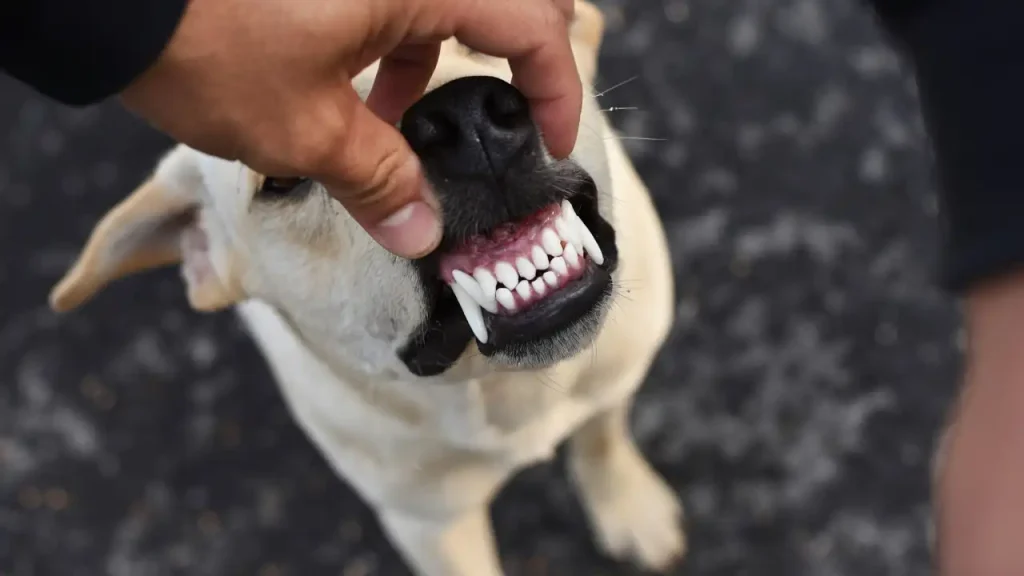
Understanding the basic anatomy of dog teeth is the first step towards appreciating their function and identifying potential problems. Like humans, dogs are diphyodonts, meaning they develop two sets of teeth during their lifetime: deciduous (baby or milk) teeth and permanent (adult) teeth.
Puppy Teeth
Puppies are born without teeth, with their first deciduous teeth typically erupting around three to four weeks of age. By the time they are six to eight weeks old, most puppies will have a full set of 28 baby teeth. These small, sharp teeth include 12 incisors, 4 canines, and 12 premolars. Puppies do not have molars in their deciduous set. The teething process, usually occurring between three to six months of age, involves these baby teeth falling out to make way for the adult set, often leading to increased chewing behavior as puppies seek relief from discomfort.
Adult Teeth
By around seven months of age, most dogs have a complete set of 42 permanent adult teeth, which is ten more than the average adult human. These permanent teeth are distributed with 20 in the upper jaw and 22 in the lower jaw. The adult dentition is comprised of four distinct types of teeth, each with a specialized function:
- Incisors (12 total): These are the small teeth located at the very front of the mouth, six on the top and six on the bottom. Incisors are used for nibbling, grooming, scraping meat from bones, and picking up objects.
- Canines (4 total): Often referred to as “fangs,” these are the long, pointy teeth situated next to the incisors, two on the top and two on the bottom. Canine teeth are essential for gripping, puncturing, holding onto objects, and tearing flesh.
- Premolars (16 total): Found behind the canine teeth, there are typically eight premolars on the top and eight on the bottom. These teeth are primarily used for shearing, slicing, and cutting food into smaller, manageable pieces.
- Molars (10 total): Located at the very back of the mouth, dogs have four molars on the top and six on the bottom. Molars are the heavy-duty teeth designed for crushing and grinding tougher foods.
Tooth Structure
Each dog tooth, whether deciduous or permanent, is composed of several layers:
- Crown: The visible portion of the tooth above the gum line.
- Root: The part of the tooth embedded within the jawbone, typically longer than the crown.
- Enamel: The hardest substance in the body, covering the crown of the tooth and protecting it from wear and decay.
- Dentin: Located beneath the enamel, dentin makes up the bulk of the tooth structure, extending from the crown to the apex. It is softer than enamel and continuously formed throughout life, providing support to the tooth.
- Pulp: The innermost chamber of the tooth, containing blood vessels, nerves, lymphatics, and connective tissue. The pulp is vital for the tooth’s vitality and sensation.
- Cementum: A bone-like tissue that covers the root surface, binding the tooth into place within the jaw.
- Periodontal Ligament: A specialized ligament that attaches the cementum of the tooth root to the alveolar bone (bone in the socket), acting as a shock absorber.
- Gingiva: Commonly known as the gums, this soft tissue surrounds the teeth and protects the underlying structures.
The Importance of Dental Hygiene for Dogs
The significance of maintaining good dental hygiene for dogs cannot be overstated. Beyond simply ensuring fresh breath, canine oral health is a cornerstone of their overall systemic health. Poor dental hygiene can initiate a cascade of health issues that extend far beyond the mouth, potentially impacting vital organs and diminishing a dog’s quality of life.
The primary instigator of dental problems in dogs is the accumulation of bacteria in the mouth, which forms a sticky film called plaque. If left unchecked, plaque combines with minerals in saliva and hardens into tartar (calculus), a yellowish or brownish deposit that adheres firmly to the teeth. Tartar buildup acts as a rough surface, encouraging further bacterial accumulation and making it even more challenging to clean.
The presence of plaque and tartar irritates the gums, leading to gingivitis, which is characterized by red, swollen, and sometimes bleeding gums. This early stage of periodontal disease is reversible with proper treatment. However, if gingivitis is left untreated, the infection and inflammation can progress below the gum line, leading to the more severe and irreversible condition known as periodontal disease. In this advanced stage, the supporting structures of the tooth—including the periodontal ligament, cementum, and alveolar bone—begin to deteriorate. This destruction can result in painful gum recession, the formation of deep pockets around the teeth where bacteria thrive, bone loss, and eventually, the loosening and loss of teeth.
Furthermore, the bacterial infection associated with periodontal disease can enter the bloodstream through diseased gums, a condition known as bacteremia. Research indicates that this can lead to serious health complications in other parts of the body, including damage to the kidneys, liver, and heart. Therefore, proactive and consistent dental care is not merely about preventing bad breath; it is a crucial component of preventive healthcare that contributes significantly to a dog’s long-term health and well-being.
Common Dental Problems in Dog Teeth
Dog Teeth are susceptible to a range of dental problems, many of which mirror human oral health issues. Understanding these common conditions is key to early detection and intervention, which can prevent significant pain and more extensive treatments.
Plaque and Tartar Buildup
As mentioned, plaque is a sticky, colorless film of bacteria that constantly forms on teeth. If not removed daily, it mineralizes into tartar (calculus), a hard, rough deposit that cannot be removed by brushing alone. Tartar accumulation is a precursor to more severe dental diseases.
Gingivitis and Periodontal Disease
Gingivitis is the inflammation of the gums, often appearing as redness, swelling, and bleeding, primarily caused by plaque and tartar buildup. It is the initial stage of periodontal disease and is reversible with professional cleaning and consistent home care. If gingivitis is left untreated, it progresses to periodontal disease, where the infection spreads below the gum line, damaging the tooth’s supporting structures, leading to bone loss, gum recession, and ultimately tooth loss. In small and toy breeds, advanced periodontal disease can even lead to jaw fractures.
Broken or Fractured Teeth
Dog Teeth , especially those with powerful jaws or those that chew aggressively on hard objects like bones, antlers, or ice, are prone to fractured teeth. Fractures can expose the sensitive pulp chamber, leading to extreme pain and infection (abscess) if not treated promptly. These often occur in the premolars and molars.
Retained Deciduous Teeth
Also known as retained baby teeth or persistent deciduous teeth, this condition occurs when puppy teeth do not fall out as the adult teeth erupt. This is particularly common in small and toy breeds. When both the baby and adult teeth try to occupy the same space, it causes crowding and misalignment, leading to increased plaque accumulation, gum irritation, and a higher risk of periodontal disease. The most commonly retained teeth are the canine and incisor teeth. Early veterinary intervention to extract retained baby teeth is crucial to allow adult teeth to grow into their proper positions.
Abscesses
A tooth abscess is a painful infection that develops when bacteria invade the pulp of a tooth, often as a result of a deep fracture or severe periodontal disease. The infection leads to a buildup of pressure and pus within the tooth root or surrounding tissues, causing swelling, tenderness, and significant pain. Abscesses can manifest as facial swelling near the eye or jawline, and even cause a draining tract on the cheek.
Malocclusion (Misalignment)
Malocclusion refers to an improper bite, where teeth do not align correctly when the mouth closes. This can include overbites, underbites, or individual teeth growing in twisted or displaced positions. Malocclusion is often seen in brachycephalic (flat-faced) breeds due to their compact jaw structure, which can lead to crowded and misaligned teeth. These conditions can cause soft tissue injuries, abnormal wear on teeth, and make cleaning difficult, predisposing the Dog Teeth to other dental problems.
Dental Resorptive Lesions
While more commonly associated with cats, some Dog Teeth can also develop dental resorptive lesions, where the body begins to break down the tooth structure from the inside, often starting below the gum line. These lesions are incredibly painful and can be difficult to detect without dental X-rays.
Recognising Signs of Dental Issues
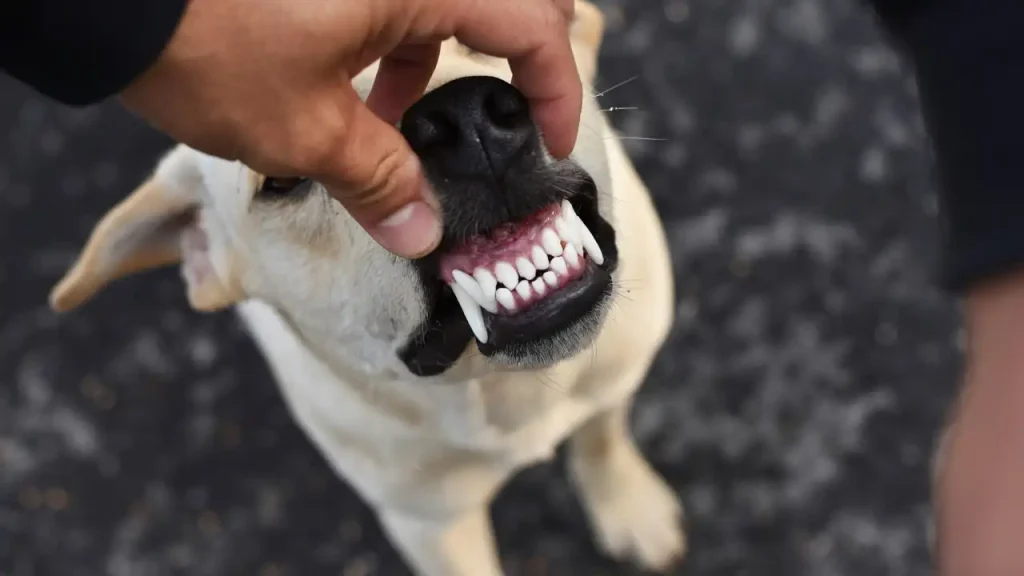
Dogs are masters at hiding pain, so it is essential for owners to be vigilant for subtle signs of dental problems. Regular observation of your Dog Teeth behavior and oral cavity can help identify issues before they become severe.
- Bad Breath (Halitosis): While “doggy breath” is common, an unusually strong or sudden foul odor can be a primary indicator of bacterial infection, plaque, tartar buildup, or an abscess.
- Difficulty Eating or Chewing: Dog Teeth with dental pain may show reluctance to eat, chew more slowly, drop food from their mouth, favor one side of their mouth, or exhibit a reduced appetite.
- Pawing at the Mouth or Rubbing Face: Persistent pawing at the mouth or rubbing their face against furniture or the ground can indicate oral discomfort or pain.
- Excessive Drooling: An increase in drooling, especially if it’s bloody or accompanied by other symptoms like bad breath, can be a sign of dental pain or infection.
- Swollen or Bleeding Gums: Healthy gums are typically pink and firm. Redness, swelling, or bleeding of the gums—especially after eating or chewing—are clear signs of gingivitis or more advanced periodontal disease.
- Loose or Missing Teeth: As periodontal disease progresses, teeth can become loose or even fall out. Owners might notice this while playing or inspecting their Dog Teeth mouth.
- Visible Tartar and Discoloration: Yellowish or brownish deposits on the teeth, particularly near the gum line, are visual cues of tartar buildup.
- Facial Swelling: Swelling around the face, particularly under the eye or along the jawline, is a serious sign often indicating a tooth root abscess or a severe infection. This often requires immediate veterinary attention.
- Behavioral Changes: Pain from dental issues can make Dog Teeth irritable, withdrawn, less playful, or reluctant to have their mouth touched. Lethargy can also be a symptom of an abscess.
| Condition | Common Symptoms | Potential Interventions |
|---|---|---|
| Plaque & Tartar Buildup | Yellow/brown deposits on teeth, mild bad breath | Regular brushing, dental chews, professional cleaning |
| Gingivitis | Red, swollen, bleeding gums, bad breath | Professional dental cleaning, improved home care |
| Periodontal Disease | Severe bad breath, gum recession, loose/missing teeth, pain, difficulty eating, facial swelling (advanced stages) | Professional scaling, root planing, extractions, periodontal surgery |
| Broken/Fractured Teeth | Visible crack, pain on chewing, pawing at mouth, sensitivity | Dental repair (root canal) or extraction |
| Retained Deciduous Teeth | Baby tooth present alongside adult tooth, crowded teeth, gum inflammation | Surgical extraction of retained tooth |
| Tooth Abscess | Facial swelling (often below eye/jaw), pain, reluctance to eat, lethargy, discharge | Root canal therapy or extraction, antibiotics |
Maintaining Your Dog’s Dental Health at Home
Proactive home dental care is the most effective way to prevent the onset and progression of dental disease in Dog Teeth . While professional cleanings are essential, daily or regular home care forms the backbone of good oral hygiene.
Brushing Your Dog’s Teeth
Brushing is considered the gold standard for at-home dental care. It mechanically removes plaque and food debris before it can harden into tartar. To make the experience positive, introduce brushing gradually and use Dog Teeth -specific toothpaste (never human toothpaste, which contains xylitol and fluoride that are toxic to dogs) and a Dog Teeth toothbrush or finger brush.
Tips for Effective Brushing:
- Start Early: Begin brushing when your dog is a puppy to get them accustomed to the routine.
- Make it Positive: Use praise, treats, and a gentle approach.
- Choose the Right Tools: Select a toothbrush appropriate for your Dog Teeth size. Enzymatic Dog Teeth toothpastes often come in flavors appealing to dogs.
- Technique: Gently lift your dog’s lips and brush the outer surfaces of the teeth using circular motions, focusing on the gum line at a 45-degree angle. The dog’s tongue usually cleans the inner surfaces.
- Frequency: Ideally, brush daily. A minimum of three to four times a week is good, but even twice a week is better than nothing.
- Troubleshooting: If your Dog Teeth resists, start with shorter sessions, allow them to lick the toothpaste from the brush, or use dental wipes before progressing to a brush. For Dog Teeth that bite the brush, try a finger brush or distracting them with peanut butter on the opposite end of the handle.
Dental Chews and Toys
Dental chews and toys can be a valuable supplement to brushing, providing mechanical abrasion to help reduce plaque and tartar. It’s crucial to select products that are safe and effective. The Veterinary Oral Health Council (VOHC) seal of acceptance is a reliable indicator that a product has been scientifically proven to reduce plaque or tartar by at least 10%.
Examples of VOHC-accepted products include certain Greenies, Purina Pro Plan Dental Chews, Virbac C.E.T. VeggieDent Chews, and Milk-Bone Brushing Chews. Always supervise your Dog Teeth with dental chews to prevent choking hazards, and ensure the chew is appropriate for their size and chewing style. Some hard objects like antlers, hooves, or hard manufactured toys can cause tooth fractures and should be avoided. Durable rubber toys, such as KONGs, can also provide safe chewing opportunities. For more details on choosing the right dental products and supporting your Dog Teeth overall health, you might find our guide on Optimizing Your Dog’s Nutrition helpful.
Dental Diets
Some prescription and over-the-counter Dog Teeth foods are specifically formulated to help reduce plaque and tartar. These diets often feature larger kibble sizes, unique textures, or contain special ingredients that mechanically clean teeth as the Dog Teeth chews or chemically prevent tartar formation. Look for diets with the VOHC seal of acceptance.
Water Additives, Oral Gels, and Sprays
These products contain ingredients that help reduce bacteria in the mouth or prevent plaque adhesion. While they are not as effective as brushing, they can be a beneficial addition for Dog Teeth who resist brushing or as part of a multi-modal approach to dental care. Always consult your veterinarian before introducing new dental products to ensure they are safe and appropriate for your Dog Teeth .
Professional Dental Care: When to See the Vet

Even with diligent home care, professional veterinary dental cleanings are an indispensable part of maintaining your Dog Teeth oral health. These procedures address issues that cannot be managed at home and are crucial for preventing the progression of dental disease.
Regular Veterinary Check-ups
Your veterinarian will perform a conscious (awake) oral examination during routine annual visits. This allows them to assess the general state of your dog’s teeth and gums, identify any visible problems like tartar buildup, gingivitis, or obvious fractures, and determine if a professional cleaning is needed. Depending on your Dog Teeth age, breed, and dental history, more frequent check-ups may be recommended.
Professional Dental Cleanings (Dental Prophylaxis)
A thorough professional dental cleaning (often called a COHAT – Comprehensive Oral Health Assessment and Treatment) is performed under general anesthesia. Anesthesia is essential for several reasons: it ensures the Dog Teeth remains still and pain-free, allowing for a comprehensive examination of every tooth surface and beneath the gum line; it allows for dental X-rays; and it protects the Dog Teeth airway from bacteria-laden water and debris.
The procedure typically includes:
- Oral Examination and Charting: A detailed assessment of each tooth and surrounding structures, with findings recorded in a dental chart.
- Dental Radiographs (X-rays): Essential for evaluating the health of the tooth roots, jawbone, and detecting issues below the gum line that are not visible to the naked eye, such as abscesses, bone loss, or unerupted teeth.
- Scaling: Using ultrasonic and hand scalers to remove plaque and tartar from above and, critically, below the gum line. This is vital for addressing periodontal disease.
- Polishing: After scaling, the teeth are polished to smooth the enamel surface, making it more difficult for new plaque to adhere.
- Fluoride Treatment (Optional): Some veterinarians apply fluoride to strengthen enamel and reduce sensitivity.
- Extractions: If severe periodontal disease, fractures, or other irreversible damage is found, tooth extractions may be necessary to alleviate pain and prevent further infection.
Cost Considerations
The cost of a professional dog teeth cleaning can vary significantly based on location, the severity of dental disease, the procedures needed (e.g., extractions, X-rays, bloodwork), and whether a general veterinarian or a board-certified veterinary dentist performs the cleaning. Routine procedures might range from $300 to $700, while more advanced care, especially with extractions and full diagnostics, can exceed $1,200 or even $1,500. It’s important to understand that comprehensive care includes anesthesia monitoring, pre-anesthetic bloodwork (to ensure the Dog Teeth is a good candidate for anesthesia), full-mouth X-rays, and extensive scaling and polishing. Pet owners should discuss a detailed estimate with their vet to understand what is included.
Breed Predispositions and Age-Related Considerations
While all Dog Teeth can develop dental problems, certain breeds and age groups are more predisposed to specific issues due to genetic factors, jaw structure, and lifestyle. Understanding these predispositions allows for more targeted preventive care.
Small and Toy Breeds
Small and toy breeds, such as Chihuahuas, Yorkshire Terriers, Maltese, Pomeranians, and Shih Tzus, are highly prone to dental disease. Their compact jaws often mean their teeth are crowded, leaving less space between them. This crowding makes effective cleaning difficult, leading to rapid plaque and tartar buildup and early-onset periodontal disease, often starting as young as two to three years of age. These breeds are also more likely to experience retained deciduous teeth, further exacerbating crowding and contributing to gum infections and bone loss.
Brachycephalic (Flat-Faced) Breeds
Breeds with short, flat faces and compressed jaws, including Bulldogs (English and French), Pugs, Boxers, and Boston Terriers, face unique dental challenges. Their skull shape often results in significant dental misalignment and crowded, rotated teeth (malocclusion). This creates tight spaces where food and bacteria can easily become trapped, increasing the risk of plaque accumulation, decay, and gum disease. For instance, boxers are known for an overgrowth or thickening of the gums, known as gingival hyperplasia, often caused by inflammation in response to plaque. Some brachycephalic breeds may also have lower canine teeth that point inward, causing soft tissue injuries to the roof of the mouth.
Long-Nosed Breeds
Breeds with elongated, narrow jaws, like Greyhounds and