Dog Paws: 10 Best Ways to Remove Tar Safely and Easily
Table of Contents
How to remove tar from dog paws is a common concern for many pet owners, especially those living in areas with road construction or near beaches where oil spills can occur. Stepping in tar can be an alarming experience for both you and your canine companion. Tar is a sticky, black substance that not only creates a messy situation but can also pose significant health risks to your dog if not addressed promptly and correctly. This comprehensive guide will walk you through the safest and most effective methods for tar removal, ensuring your furry friend’s paws are clean, comfortable, and healthy.
Understanding the Dangers of Tar on Dog Paws
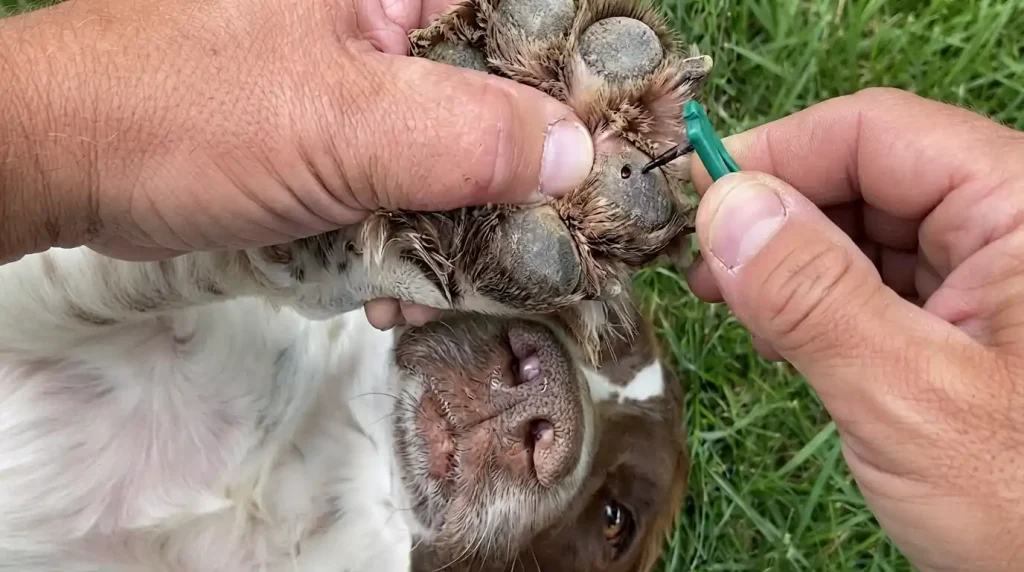
Tar on dog paws is more than just an inconvenience; it can be genuinely hazardous. The primary dangers stem from its sticky nature and the chemical compounds it contains. Firstly, tar can be intensely irritating to a dog’s sensitive paw pads and the skin between their toes. It can cause discomfort, redness, and even chemical burns, particularly if the tar was hot when your dog stepped in it. If left untreated, the stickiness of the tar can lead to matting of the fur, making it even harder to remove and potentially causing further skin irritation or infection. The rough and porous nature of tar can also provide a breeding ground for bacteria if it becomes deeply embedded or causes cuts in the skin.
Beyond local irritation, the most significant risk comes from ingestion. Dogs naturally lick their paws to clean themselves, and if they have tar on their feet, they will likely try to lick it off. Tar contains toxic substances such as phenols, cresol, and pitch, which are poisonous if ingested. Phenols, in particular, are highly toxic to dogs and can cause serious, even fatal, health issues. Ingesting tar can lead to chemical burns in the mouth and esophagus, as well as damage to the nervous system, kidneys, liver, blood, and heart. Symptoms of tar ingestion can include excessive drooling, vomiting, loss of appetite, lethargy, chemical burns around the mouth or paws, difficulty breathing, jaundice (yellowing of gums and eyes), tremors, seizures, pale or discolored gums, and severe weakness or collapse. Prompt removal and preventing ingestion are crucial to mitigate these risks.
Dogs can encounter tar in various environments. Common sources include freshly paved roads or parking lots, construction sites, and even beaches where oil spills or natural tar deposits might be present. Hot asphalt can be particularly dangerous as the tar melts under heat and can burn a dog’s paw pads, leading to painful injuries. Therefore, it’s essential to be vigilant about where your dog walks, especially during warmer weather or in areas undergoing road work.
Gathering Your Supplies: What You’ll Need
Before you begin the tar removal process, it’s crucial to gather all necessary supplies. Having everything readily available will help make the process smoother and less stressful for both you and your dog. Patience and a gentle approach are key, as your dog may be anxious or uncomfortable.
- Pet-Safe Oil-Based Products: Vegetable oil, olive oil, mineral oil, or even smooth peanut butter (ensure it’s xylitol-free) are excellent choices. These oils help to break down the sticky compounds in tar, making it easier to remove. Petroleum jelly can also be used to soften the tar.
- Mild Dish Soap or Dog Shampoo: After the tar has been loosened, you’ll need a mild cleanser to remove the oily residue and any remaining tar. Some experts suggest using a mild dish soap like Dawn, known for its degreasing properties, but a gentle dog shampoo is also suitable.
- Warm Water: For rinsing and cleaning the paws.
- Soft Cloths or Cotton Balls: Multiple soft cloths, old towels, or cotton balls will be needed for applying oil and wiping away tar and residue.
- Old Towels: To protect your work area and dry your dog’s paws afterward.
- Gloves (Optional but Recommended): To protect your hands from the tar.
- Comb or Blunt-Nosed Scissors: For carefully trimming any fur matted with tar, if necessary.
- Dog Treats and a Helper: Keeping your dog calm and distracted with treats is vital. A second person to help hold and soothe your dog can make a significant difference.
- Pet-Safe Paw Balm or Moisturizer (Optional): To soothe and rehydrate paw pads after cleaning.
Important Note: Never use harsh chemicals like gasoline, paint thinner, turpentine, mineral spirits, or Goo Gone (unless it’s a specific pet-safe formulation from a vet, as many general-purpose Goo Gone products contain harmful chemicals) on your dog’s paws. These substances are highly toxic, can cause severe chemical burns, and are extremely dangerous if licked or absorbed through the skin. Stick to the pet-safe options listed above.
Pre-Cleaning Steps: Preparing Your Dog for Tar Removal
Proper preparation is essential to ensure the tar removal process is as stress-free and effective as possible. Approaching the situation calmly and systematically will benefit both you and your dog.
- Stay Calm and Reassure Your Dog: Your dog can sense your anxiety. Speak in a calm, soothing voice and offer comfort. Ensure they feel safe and secure, as they may already be distressed by the tar on their Dog Paw.
- Secure Your Dog: If your dog is anxious or prone to wiggling, having a helper is highly recommended. You can also use a leash to keep them gently restrained or a bathtub to contain them, especially for smaller dogs. Offering high-value treats or a lick mat can provide a distraction and help keep them still during the process.
- Inspect the Paws Thoroughly: Carefully examine all affected paws. Note how much tar is present, if it’s soft or hardened, and if there are any cuts, abrasions, or underlying skin irritation. Hardened tar can be more challenging to remove and may have caused raw spots or cuts by pressing into the Dog Paw pads.
- Trim Excess Fur (if necessary): If the tar is heavily matted in the fur around the Dog Paw pads, carefully use blunt-nosed scissors or clippers to trim away the tar-laden fur. Be extremely cautious not to cut the delicate skin of the paw pads. For longer-haired breeds, keeping the hair between the pads short can help prevent debris accumulation in the future.
- Set Up Your Work Area: Choose a well-lit area where you can comfortably work, such as a bathroom or laundry room. Lay down old towels to protect surfaces from tar and oil. This will help with cleanup later.
Safe and Effective Tar Removal Methods
The key to removing tar from dog paws is patience and using agents that safely dissolve or loosen the tar without harming your dog’s skin or being toxic if ingested. Oil-based products are generally the safest and most effective.
Oil-Based Methods (Vegetable Oil, Olive Oil, Mineral Oil, Petroleum Jelly)
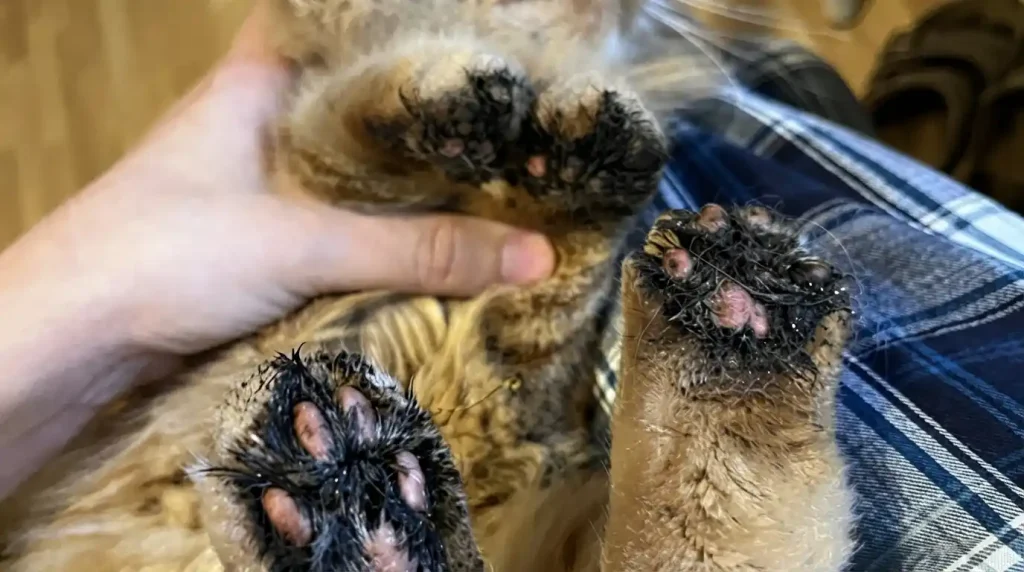
These are widely recommended for their ability to break down the sticky bonds of tar.
- Apply Generously: Saturate a soft cloth or cotton ball with vegetable oil, olive oil, or mineral oil. Apply a generous amount directly onto the tar-covered areas of the Dog Paw pads and between the toes. If using petroleum jelly, apply a thick layer over the tar.
- Allow to Soak: Let the oil sit on the tar for several minutes, ideally 5-15 minutes, to allow it to penetrate and soften the tar. For very stubborn or hardened tar, a longer soaking time might be beneficial. You might need to distract your dog with treats during this time.
- Gently Rub and Wipe: After soaking, gently rub the tar with a fresh, oil-soaked cloth or cotton ball. The tar should begin to loosen and lift away. Avoid harsh scrubbing or pulling, as this can injure your Dog Paw. Repeat the application of oil and gentle wiping as needed until the tar is removed. You may find it helpful to use your fingers to gently work the oil into the tar and massage it off.
Peanut Butter Method
Peanut butter can be surprisingly effective due to its oil content and sticky consistency, which can help lift the tar.
- Choose the Right Peanut Butter: Ensure you use natural, unsweetened peanut butter that does NOT contain Xylitol (birch sugar), which is highly toxic to dogs.
- Apply and Distract: Apply a thick layer of xylitol-free peanut butter to the tar. The strong smell and taste can also serve as an excellent distraction for your dog while the oils work to loosen the tar.
- Gently Remove: After a few minutes, once the tar has softened, use a cloth or paper towel to gently wipe away the peanut butter and tar mixture.
| Removal Agent | How it Works | Pros | Cons |
|---|---|---|---|
| Vegetable/Olive Oil | Dissolves tar’s sticky compounds and acts as a lubricant. | Readily available, generally safe if ingested in small amounts, effective for softening tar. | Can be messy, requires thorough rinsing to remove residue. |
| Peanut Butter (Xylitol-free) | Oils (natural fats) help break down tar; thick consistency helps lift it. | Palatable, can distract dog, widely available. | Messy, MUST be xylitol-free, may require multiple applications. |
| Petroleum Jelly | Softens and lubricates the tar, aiding in gentle wiping. | Soothing, widely available, less prone to dripping. | Can be greasy, may require more effort for full removal compared to liquid oils. |
| Mineral Oil | Lubricates and helps separate tar from fur and skin. | Effective for stubborn tar, less sticky than some other oils. | Less common in households than cooking oils, ensure it’s pure and pet-safe. |
Post-Removal Care: Soothing and Protecting Your Dog Paw
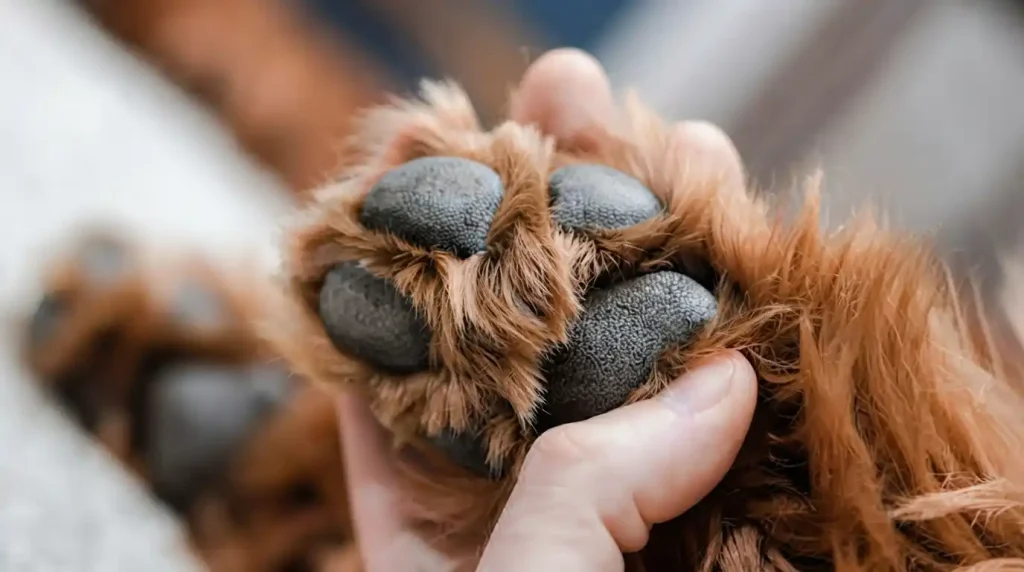
Once the tar is successfully removed, proper post-cleaning care is essential to ensure your dog’s Dog Paw heal and remain healthy.
- Wash Paws Thoroughly: After the tar has been removed, wash your dog’s paws with warm water and a mild dog shampoo or mild dish soap to remove any oily residue and remaining tar particles. Ensure you clean gently between the toes.
- Rinse Completely: Rinse the Dog Paw thoroughly to remove all soap and oil, as any residue can irritate the skin or be ingested when your dog licks its paws.
- Dry Completely: Gently pat the paws dry with a clean, soft towel. Ensure the Dog Paw pads and areas between the toes are completely dry to prevent moisture-related skin issues or infections.
- Inspect for Irritation: Once the paws are clean and dry, carefully inspect them again for any signs of redness, swelling, cuts, blisters, or irritation. Even with gentle removal, the tar itself or the removal process can sometimes cause minor skin reactions.
- Apply Paw Balm (Optional but Recommended): If your dog’s Dog Paw appear dry or irritated, apply a thin layer of pet-safe paw balm or moisturizer to help soothe and rehydrate the pads. This can help restore their natural moisture barrier.
- Monitor Your Dog: Continue to monitor your dog’s Dog Paw over the next few days for any signs of discomfort, limping, excessive licking, or worsening irritation. If you notice any concerning symptoms, contact your veterinarian.
When to Seek Veterinary Attention
While many tar incidents can be handled at home with patience and the right supplies, there are situations where immediate veterinary attention is crucial. Knowing when to call a professional can prevent more serious health complications for your dog.
You should seek veterinary assistance immediately if:
- Tar Ingestion: If you suspect your dog has licked or swallowed any tar, even a small amount, contact your vet or an animal poison control center right away. Tar contains toxic phenols and other compounds that can cause chemical burns, organ damage, and be fatal. Do NOT induce vomiting, as this can cause further corrosive burns to the esophagus.
- Large Amount of Tar or Deeply Embedded: If your dog has a large amount of tar on its Dog Paw or body, or if the tar is deeply embedded in the fur or Dog Paw pads and you cannot remove it safely, a vet can use specialized products and techniques to help.
- Skin Irritation or Injury: If you notice significant redness, swelling, blistering, cuts, or open wounds on your dog’s Dog Paw either before or after attempting removal, a vet should examine them. Hot tar can cause burns, and hardened tar can create abrasions or cuts.
- Pain or Limping: If your dog is showing signs of pain, limping, refusing to put weight on a Dog Paw , or excessively licking/chewing at their paws, it indicates a level of discomfort or injury that warrants a vet visit.
- General Distress or Sickness: If your dog becomes lethargic, vomits, has diarrhea, drools excessively, experiences tremors, seizures, or shows any other signs of illness after encountering tar, it could indicate systemic toxicity from absorption or ingestion. These are emergency situations.
- Inability to Remove All Tar: If you’ve tried the home methods and still can’t remove all the tar, or if your dog is uncooperative, a veterinarian or professional groomer can safely complete the task. Removing road tar yourself might sometimes damage your dog’s paws and lead to more veterinarian bills.
It’s always better to err on the side of caution. When in doubt, call your veterinarian or an emergency animal hospital for advice. For example, the ASPCA Animal Poison Control Center is a valuable resource for immediate guidance regarding potential toxic exposures.
Preventative Measures: Avoiding Tar Encounters
The best way to deal with tar on dog paws is to prevent it from happening in the first place. Incorporating a few preventative measures into your routine can significantly reduce the risk of your dog stepping in tar.
- Avoid Hazardous Areas: Be mindful of your walking routes. Avoid areas under construction, recently paved roads, or parking lots. Pay attention to signage indicating fresh asphalt or road work. Similarly, if you are near a beach, be aware of any advisories regarding oil or tar contamination.
- Keep Your Dog Leashed: When walking in unfamiliar or potentially risky areas, keep your dog on a short leash. This allows you to have better control and guide them away from hazards like sticky tar.
- Regular Paw Checks: Make a habit of checking your dog’s Dog Paw regularly, especially after walks. This allows you to spot any sticky substances, cuts, or irritation early, making removal and treatment easier.
- Use Dog Paw Protectors (Boots): Dog boots or Dog Paw protectors can be an excellent barrier against tar, hot pavement, harsh chemicals, and rough terrain. If your dog tolerates them, they provide a physical shield for their delicate paw pads. Ensure the boots fit properly to prevent discomfort or rubbing.
- Keep Fur Trimmed: For dogs with long fur between their Dog Paw pads, regularly trimming this hair can help prevent sticky substances from becoming matted and harder to remove. This also reduces the surface area for tar to adhere to.
- Maintain a Clean Yard: If you have a yard, ensure it’s free of any construction materials or debris that could contain tar or other sticky substances.
Conclusion
Finding tar on your dog’s paws can be a distressing discovery, but with the right knowledge and a calm approach, you can safely and effectively remove it. Remember that patience, gentleness, and the use of appropriate pet-safe oil-based products are paramount. Always prioritize your dog’s comfort and health throughout the process. Be vigilant about preventing future encounters by avoiding hazardous areas and considering Dog Pawprotection. Most importantly, do not hesitate to seek veterinary attention if the tar is extensive, if your dog shows any signs of distress or ingestion, or if you are simply unsure about the best course of action. Your veterinarian is your best resource for ensuring your beloved companion’s well-being.