Dogs Have COVID: 8 Surprising Truths About Canine Coronavirus Safety
Table of Contents
Did dogs have COVID? The question of whether our beloved canine companions could contract the virus that caused the global COVID-19 pandemic, SARS-CoV-2, was a significant concern for pet owners worldwide. Early in the pandemic, as human cases surged, anxieties naturally extended to the health of household pets. While COVID-19 primarily spreads from person to person, scientific research and real-world observations have confirmed that dogs, along with other animal species, can indeed be infected with SARS-CoV-2. However, it’s crucial to understand the nuances of canine infection, including how they contract the virus, the typical severity of their symptoms, and the minimal role they play in transmitting it back to humans. This comprehensive article delves into the various facets of SARS-CoV-2 in dogs, offering insights into its prevalence, clinical manifestations, diagnostic approaches, and the necessary precautions pet owners should consider to protect their furry family members.
Dogs Have COVID: How Dogs Can Contract SARS-CoV-2 From Humans

The primary route of SARS-CoV-2 infection in dogs has consistently been identified as human-to-animal transmission. Most infected animals have acquired the virus after close contact with people who had COVID-19. This means that if a household member tests positive for COVID-19, their pets are at a higher risk of also becoming infected. The virus, primarily spread through respiratory droplets, can transfer to pets through direct contact, such as petting, snuggling, or even sharing saliva if a pet licks an infected person.
Studies have indicated that while dogs are susceptible, they appear to be less so than cats and ferrets in experimental settings. However, natural infections in dogs living with COVID-19 positive individuals have been well-documented. For instance, a surveillance survey found an almost 70% elevated prevalence of SARS-CoV-2 antibodies in the blood of pet dogs exposed to the virus in their homes. Another study involving households with confirmed COVID-19 cases in Texas revealed that 4.8% of dogs and 13.4% of cats tested positive by RT-qPCR, and a higher percentage showed neutralizing antibodies, with a total of 29% of pets being positive by molecular and/or serological tests. These findings underscore the direct link between human infection and subsequent canine exposure.
The virus enters the dog’s body, much like humans, by binding to specific receptors on cells. While the exact efficiency of this binding and replication process can vary between species, dogs possess the necessary cellular machinery, making them susceptible hosts for SARS-CoV-2. It’s important to note that while human-to-animal transmission is established, the risk of animals, including Dogs Have COVID , spreading the COVID-19 virus to people is thought to be low. There is no proof that viruses can spread to people or other animals from a pet’s skin, fur, or hair.
Recognizing the Signs: Symptoms of COVID-19 in Dogs
When dogs do get infected with SARS-CoV-2, their symptoms are generally mild or, in many cases, they remain asymptomatic. This often makes it challenging for owners to identify an infection without veterinary testing. However, some Dogs Have COVID can exhibit clinical signs that resemble human COVID-19 or other common canine illnesses. The American Veterinary Medical Association (AVMA) and other health organizations have compiled a list of potential symptoms, which may include a combination of the following:
- Fever
- Coughing
- Difficulty breathing or shortness of breath
- Lethargy or unusual tiredness
- Sneezing
- Discharge from the nose or eyes
- Vomiting
- Diarrhea
It’s crucial to remember that these symptoms are not unique to COVID-19 and can be indicative of various other canine health issues, such as kennel cough, allergies, or gastrointestinal problems. Therefore, if a dog displays these signs, particularly after known exposure to a human with COVID-19, it’s advisable to consult a veterinarian. Most pets that become ill tend to have mild symptoms that can be managed at home, and severe illness is rare. For example, in a study of companion animals with confirmed SARS-CoV-2 infections, clinical signs were present in 74% of pets identified through passive surveillance, with respiratory signs like sneezing and cough being the most common. The average duration of illness in Dogs Have COVID was reported to be around 12 days.
Diagnosing SARS-CoV-2 in Canines: When and How to Test
Given that many symptoms of COVID-19 in Dogs Have COVID overlap with other common ailments, diagnosis typically involves a combination of factors: clinical signs, a history of exposure to an infected person, and specific laboratory tests. Routine testing of animals for SARS-CoV-2 is generally not recommended. Instead, veterinarians usually advise testing only for pets that exhibit symptoms after being around someone with COVID-19.
If a veterinarian suspects SARS-CoV-2 infection, they may collect samples such as oral, nasal, or rectal swabs for RT-PCR testing, which detects the presence of viral RNA. Serological tests, which look for antibodies in the blood, can also indicate past exposure and infection. It’s important to note that unlike humans, there are no in-home tests for SARS-CoV-2 in animals. If your pet becomes sick and you have or suspect you have COVID-19, you should contact your veterinarian first for advice rather than bringing your pet to the clinic yourself, as they may suggest a virtual visit or other arrangements to prevent potential exposure to clinic staff.
Preventing Transmission: Safeguarding Your Pet and Household
Preventing SARS-CoV-2 transmission to Dogs Have COVID primarily revolves around minimizing their exposure to infected humans. The Centers for Disease Control and Prevention (CDC) and other health organizations recommend several precautions for pet owners, especially if a person in the household has COVID-19:
- Restrict Contact: If you are sick with COVID-19, limit contact with your pets, just as you would with other people. This includes avoiding petting, snuggling, being kissed or licked, and sharing food or sleeping in the same bed.
- Designated Caregiver: If possible, have another member of your household care for your pets while you are sick.
- Practice Hygiene: If you must care for your pet while ill, wear a face mask and wash your hands thoroughly before and after interacting with them, their food, dishes, waste, or bedding.
- Outdoor Precautions: Keep cats indoors when possible to prevent them from interacting with other animals or people. When walking Dogs Have COVID , keep them on a leash and at least 6 feet away from other people and animals, avoiding dog parks or public gatherings.
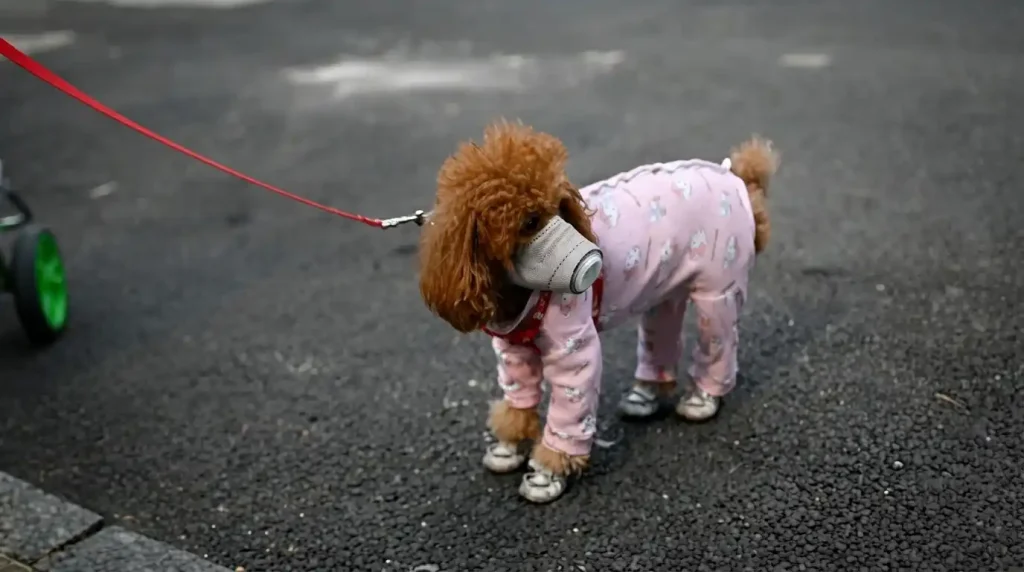
- Avoid Harsh Cleaners: Do not put face masks on pets, as this could harm them. Also, avoid wiping or bathing your pet with chemical disinfectants, alcohol, hydrogen peroxide, or other products not intended or approved for use on animals, as these can be harmful.
These measures are largely proactive and are designed to protect pets from human-to-animal spillover, considering the low risk of animal-to-human transmission. The emphasis is on treating pets as members of the family and applying similar safety measures as recommended for people within the household.
The table below summarizes key differences and similarities in COVID-19 aspects between humans and dogs:
| Aspect | Humans | Dogs |
|---|---|---|
| Primary Transmission | Person-to-person | Human-to-dog |
| Susceptibility | High | Lower than humans, but can be infected |
| Symptom Severity | Ranges from asymptomatic to severe/fatal | Typically mild or asymptomatic; severe illness is rare |
| Common Symptoms (if present) | Fever, cough, fatigue, loss of taste/smell, etc. | Fever, cough, sneezing, lethargy, nasal/ocular discharge, vomiting, diarrhea |
| Risk of Animal-to-Human Transmission | N/A | Thought to be low; no evidence of significant role in spread |
| Testing Availability | Widespread home and lab tests | Veterinary lab tests for symptomatic pets with exposure |
| Vaccines Available | Yes, widely available | Species-specific vaccines (e.g., Carnivac-Cov), but not widely available or necessary for all pets |
The Broader Picture: SARS-CoV-2 in Other Animal Species
While this article focuses on Dogs Have COVID , it’s important to acknowledge that SARS-CoV-2 has been detected in a variety of other animal species worldwide. The virus, which likely originated in bats, has shown the ability to infect numerous mammals. Companion animals such as cats, ferrets, and hamsters have been reported to be infected. Cats, in particular, appear to be more susceptible to the virus than Dogs Have COVID and can shed higher amounts of virus in experimental settings. There have even been instances of cat-to-cat transmission and, in rare cases, possible cat-to-human transmission.
Beyond household pets, SARS-CoV-2 has also been identified in farmed animals like mink, leading to significant outbreaks on mink farms in several countries, including Europe and the United States. These mink farms raised concerns due to documented mink-to-human transmission events, highlighting the potential for zoonotic spillback. Additionally, wildlife such as white-tailed deer have shown widespread SARS-CoV-2 infection, suggesting the virus has established reservoirs in certain wild populations. Zoo animals, including big cats (lions and tigers), otters, and non-human primates, have also tested positive, usually after exposure to infected human caretakers. This broad susceptibility across different animal species underscores the complex nature of the virus and the importance of a One Health approach, considering the interconnected health of people, animals, and our shared environment.
Insights from Research: Case Studies and Prevalence Findings
Numerous studies and case reports have contributed significantly to our understanding of SARS-CoV-2 in Dogs Have COVID . Early in the pandemic, the first confirmed cases of SARS-CoV-2 in companion animals in the United States were two domestic cats in New York, both with mild respiratory illness and suspected exposure to infected owners. These initial reports set the stage for broader surveillance and research.
A study compiling national surveillance data in the United States between March 2020 and December 2021 identified 204 companion animals (109 cats, 95 Dogs Have COVID ) with confirmed SARS-CoV-2 infections across 33 states. A significant finding was that 94% of these passively surveilled pets had reported exposure to a person with COVID-19 before their own infection. The average time between human and pet symptom onset was around 10 days. These findings strongly support the human-to-animal transmission pathway. Interestingly, while viral nucleic acid was detected early, neutralizing antibodies were present in many infected animals, demonstrating an immune response.
Research has also explored the prevalence of the virus in Dogs Have COVID within various populations. Studies have shown varying seroprevalence rates, ranging from very low in Dogs Have COVID without known exposure to COVID-19 positive persons (e.g., 0.2% in Dutch dogs) to significantly higher rates (e.g., 68% seroprevalence in Dogs Have COVID exposed to COVID-positive household members in a Pennsylvania study). Another study in French regions observed seroprevalence rates between 21% and 53% in domestic carnivores from COVID-19 positive households. These variations are often attributed to differences in the targeted animal population, diagnostic tests used, and the timing of sample collection relative to human outbreaks.
One notable case involved the detection of the SARS-CoV-2 B.1.1.7 variant of concern (Alpha variant) in a pet dog and cat from the same household in Texas, sampled just two days after their owner tested positive. The viral sequences from the pets were 100% identical to each other and matched the variant in their owner, further solidifying the human-to-pet transmission concept. Despite such infections, consistent research indicates that Dogs Have COVID rarely develop severe illness, and there is a very low risk of pet-to-human transmission, suggesting that pets do not play a substantial role in spreading SARS-CoV-2 to people. A good external resource for further reading on pet health and COVID-19 can be found on the CDC’s website.
Managing a Positive Diagnosis: What to Do If Your Dogs Have COVID
If your dog tests positive for SARS-CoV-2, the primary recommendation from veterinary and public health experts is to manage their care similar to how you would for a human family member infected with the virus. The good news is that most Dogs Have COVID experience mild or no symptoms and can recover at home.
Here are key steps to take:
- Isolate Your Pet: Keep your infected dog at home and restrict their contact with other people and animals in the household. If possible, separate them into a designated room.
- Monitor Symptoms: Closely observe your dog for any changes in their condition or worsening symptoms. Report any concerns to your veterinarian immediately.
- Practice Strict Hygiene: Wear gloves when handling your pet, their food, dishes, waste, or bedding. Wash your hands thoroughly after any contact with your dog or their belongings.
- Avoid Public Outings: Do not take your dog to public places, dog parks, or areas where they might interact with other animals or people outside the household.
- Veterinary Consultation: Maintain communication with your veterinarian. They can provide guidance on supportive care, symptom management, and advise on when your pet can safely resume normal interactions. Do not take your pet to the clinic without prior arrangement if you or your pet are symptomatic.
It’s vital not to panic or consider abandoning your pet if they test positive. Experts emphasize that the risk to human health from infected pets is low, and the human-animal bond is incredibly important for well-being. Instead, focus on providing compassionate care and following veterinary advice to ensure a full recovery for your dog. For additional guidance on caring for pets during illness, consider resources such as this pet health guide.
Exploring Animal Vaccines for SARS-CoV-2
The development of vaccines for animals against SARS-CoV-2 has been a topic of scientific interest, though it differs significantly from human vaccination efforts. While human vaccines were a global priority, animal vaccines primarily target specific high-risk populations or species vital to public health or economic stability (e.g., mink farms where zoonotic spillback was a concern).
One notable example is Carnivac-Cov, developed in Russia, which was reported to be the world’s first COVID-19 vaccine for animals. This inactivated virus vaccine has shown to elicit robust immune responses in animals vulnerable to SARS-CoV-2, including Dogs Have COVID, cats, foxes, and mink, with immunity lasting at least six months. In the United States, a mink coronavirus vaccine was conditionally licensed by the USDA during the pandemic.
However, for the general pet dog population, widespread vaccination against SARS-CoV-2 is not currently a standard recommendation. This is largely due to several factors: the typically mild or asymptomatic nature of the disease in Dogs Have COVID , the low risk of severe illness, and the minimal evidence of pet-to-human transmission. Resources such as veterinary infectious disease updates can provide further context on animal vaccine research. While animal research played a crucial role in the development of human COVID-19 vaccines, the need for widespread SARS-CoV-2 vaccination in companion animals remains under evaluation and is often species-specific, focusing on epidemiological risks rather than universal prevention.
Conclusion: A Balanced Perspective on Dogs Have COVID
In conclusion, the question “Did dogs have COVID?” can definitively be answered with a “yes.” Dogs can and have been infected with SARS-CoV-2, primarily through close contact with infected humans. While this fact initially caused alarm, extensive research and global surveillance have provided a more reassuring understanding. Most infected dogs either show no symptoms or develop only mild, transient signs that typically resolve with supportive home care. Severe illness or fatalities in Dogs Have COVID due to COVID-19 are extremely rare.
Crucially, current evidence strongly suggests that the risk of Dogs Have COVID transmitting SARS-CoV-2 back to humans is low, and pets are not considered a significant driver of the pandemic. Human-to-human transmission remains the main mode of spread. Pet owners are encouraged to practice responsible pet ownership and basic hygiene, especially if a household member is sick with COVID-19. By limiting close contact with infected individuals, ensuring proper handwashing, and consulting with veterinarians for any concerning symptoms, we can continue to protect both our beloved canine companions and our families, maintaining the invaluable human-animal bond without undue fear regarding SARS-CoV-2 transmission.