10 Dog Breeds: Exploring Legality, Popularity, Traits, and Unique Characteristics
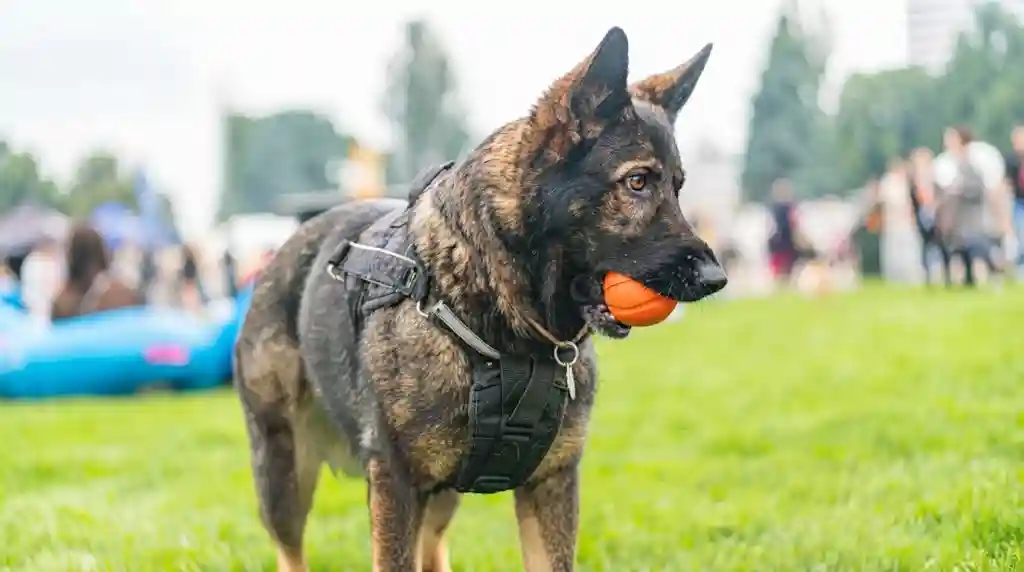
Table of Contents
Dog breeds represent an astonishing spectrum of physical characteristics, temperaments, and histories, shaped by centuries of selective breeding. From companions to working animals, each dog breed offers a unique set of traits that appeal to diverse human preferences and needs. However, the world of dog breeds is not solely about aesthetics or companionship; it is also influenced by legal restrictions, health considerations, and cultural perceptions. Understanding the nuances of breed-specific legislation, the genetic predispositions to certain conditions, and the fascinating variations in canine intelligence or appearance is crucial for responsible ownership and appreciation of these incredible animals. Every one of the dog breeds has its own unique story.
Dog Breeds and Breed-Specific Legislation (BSL)
The concept of breed-specific legislation (BSL) targets specific dog breeds or types believed to be dangerous. These laws vary significantly by jurisdiction, often leading to confusion and controversy among dog owners and animal welfare advocates alike. BSL can range from outright bans on certain dog breeds to strict regulations regarding their ownership, such as mandatory muzzling, sterilization, or specific insurance requirements. Proponents argue that BSL enhances public safety by reducing bites and attacks, while opponents contend that it unfairly punishes responsible owners and that a dog’s behavior is more a product of its training and environment than its dog breed alone. Numerous organizations, including the American Veterinary Medical Association (AVMA) and the American Kennel Club (AKC), generally oppose BSL, advocating instead for dangerous dog laws that focus on individual animal behavior regardless of dog breed .
Banned Breeds in Canada, Germany, and California
The legal landscape surrounding certain dog breeds differs considerably across various regions. In Canada, for instance, there isn’t a nationwide ban on specific dog breeds ; however, individual provinces and municipalities have enacted their own BSL. Ontario, for example, has a provincial ban on Pit Bull Terriers, including American Pit Bull Terriers, Staffordshire Bull Terriers, American Staffordshire Terriers, and any dog that has an appearance and physical characteristics substantially similar to those dog breeds . Manitoba also has a provincial ban on “Pit Bull” type dogs, which includes Pit Bull Terriers, Staffordshire Bull Terriers, and American Staffordshire Terriers. Other cities and towns across Canada may have their own unique restrictions or outright bans on various dog breeds .
Germany also implements strict regulations concerning certain dog breeds . According to German law, dog breeds like Pit Bull Terriers, American Staffordshire Terriers, Staffordshire Bull Terriers, and Bull Terriers are classified as dangerous dogs. Their import into Germany is generally prohibited, and ownership within the country is subject to stringent conditions, including specific permits, behavioral tests, and sometimes muzzling requirements. Some German states also include dog breeds like the Rottweiler, Dogo Argentino, and Fila Brasileiro in their dangerous dog lists, with varying levels of restrictions.
In the United States, there are no statewide breed bans in California, but many individual cities and counties have enacted their own breed-specific ordinances. These can include restrictions on dog breeds like Pit Bulls, Rottweilers, and Doberman Pinschers, often requiring special permits, leashing, or muzzling in public. For example, some Californian cities have historically had bans or restrictions on dog breeds like Pit Bulls, though the trend in many areas is shifting towards behavioral-based dangerous dog laws rather than breed-specific ones. It is crucial for prospective dog owners to research the specific ordinances of their local municipality before acquiring certain dog breeds .
Popular Dog Breeds in the UK

The United Kingdom boasts a long and rich history with dog breeding and ownership, with certain dog breeds consistently topping the popularity charts. The Kennel Club, the official kennel club of the UK, provides registration data that reflects these trends. While specific rankings can fluctuate annually, some dog breeds consistently remain favorites among British dog lovers. For instance, the French Bulldog has seen a significant surge in popularity in recent years, often vying for the top spot. Labrador Retrievers also remain perennial favorites, cherished for their friendly temperament and versatility as family pets and working dogs.
Other consistently popular dog breeds include the Cocker Spaniel, known for its cheerful disposition and compact size, and the English Springer Spaniel, prized for its energetic nature and hunting prowess. The German Shepherd Dog continues to be a respected dog breed , valued for its intelligence and loyalty, often serving in police and assistance roles. Bulldogs, Golden Retrievers, and Dachshunds are also frequently found among the most popular choices, reflecting a diverse preference for various sizes, temperaments, and appearances within the UK.
Understanding Dog Importation Regulations
Importing dog breeds into a new country involves navigating a complex web of regulations designed to protect public health and prevent the spread of diseases, particularly rabies. These regulations are typically governed by national agricultural or health agencies and can vary significantly depending on the origin country of the dog, the destination country, and even the specific dog breed . Generally, requirements include up-to-date vaccinations (especially rabies), microchipping for identification, health certificates issued by a licensed veterinarian, and sometimes blood tests to confirm adequate antibody levels for certain diseases.
Many countries, including those in the European Union, Canada, and the United States, have specific protocols for pet travel, often requiring animals to be quarantined or to undergo a waiting period after vaccinations before entry. Certain dog breeds may also face additional scrutiny or be outright banned from importation due to breed-specific legislation in the destination country, as seen with some “dangerous” dog breeds in Germany. Prospective importers must meticulously research the specific requirements of their destination country well in advance of travel to ensure a smooth and compliant process. Resources like the USDA APHIS (Animal and Plant Health Inspection Service) for the US, CFIA (Canadian Food Inspection Agency) for Canada, and relevant government websites for European nations provide comprehensive guidelines. For a detailed overview of international pet travel, individuals can refer to reputable sources such as Wikipedia’s guide on Pet travel.
| Category | Key Characteristics | Example Breeds |
|---|---|---|
| Banned/Restricted Breeds | Subject to breed-specific legislation due to perceived aggression. | Pit Bull Terriers, American Staffordshire Terriers, Rottweilers (in some regions) |
| Hypoallergenic Breeds | Produce less dander, minimizing allergic reactions. | Poodle, Bichon Frise, Portuguese Water Dog, Miniature Schnauzer |
| Small Breeds | Typically weigh under 20 lbs (9 kg); suitable for smaller living spaces. | Chihuahua, Pomeranian, French Bulldog, Shih Tzu |
| Large Breeds | Often weigh over 50 lbs (23 kg); require ample space and exercise. | Great Dane, Mastiff, Irish Wolfhound, Newfoundland |
| High IQ Breeds | Known for trainability, problem-solving, and quick learning. | Border Collie, Poodle, German Shepherd, Golden Retriever |
| Ivermectin Sensitive | Genetic mutation (MDR1) causes adverse reactions to certain drugs. | Collie, Australian Shepherd, Shetland Sheepdog, Old English Sheepdog |
Hypoallergenic, Small, and Large Dog Breeds
The vast diversity among dog breeds extends to their suitability for various lifestyles and specific needs, such as those of allergy sufferers. Hypoallergenic dog breeds are those that are believed to produce fewer allergens, primarily dander, which is shed skin cells. While no dog is 100% hypoallergenic, dog breeds that shed less hair and dander, or have hair instead of fur, are often better tolerated by individuals with allergies. Popular examples include the Poodle, with its curly, non-shedding coat, the Bichon Frise, known for its soft, cotton-like hair, and the Portuguese Water Dog. Other dog breeds often recommended for allergy sufferers include the Miniature Schnauzer, Soft Coated Wheaten Terrier, and the Maltese.
On the other end of the spectrum are classifications based on size. Small dog breeds are often preferred by individuals living in apartments or those seeking a lap companion. These dog breeds typically weigh under 20 pounds and include well-known examples such as the Chihuahua, Pomeranian, Shih Tzu, and French Bulldog. Their compact size often makes them easier to travel with and manage in urban environments. However, small dog breeds can still have big personalities and require adequate exercise and training.
Conversely, large dog breeds command a significant presence due to their stature and weight, often exceeding 50 pounds, with some reaching well over 100 pounds. Dog breeds like the Great Dane, Irish Wolfhound, Newfoundland, and Mastiff are imposing yet often gentle giants. These dog breeds require substantial space, both indoors and outdoors, and their exercise needs can vary from moderate to high. Due to their size, early socialization and training are particularly crucial for large dog breeds to ensure they are well-mannered and safe companions. For foundational training advice that can help build trust, you might find our guide on easy commands every puppy should learn very useful.
Diversity in Canine Coats: Notable Black Dog Breeds
The aesthetic variety among dog breeds is immense, with coat color being a prominent feature. Black dog breeds stand out for their striking and often sleek appearance. This uniform coloration can be found across a wide range of dog breeds , each with its unique characteristics. Some of the most recognizable and beloved black dog breeds include the Labrador Retriever, which is popular in black, yellow, and chocolate variations. The Black Russian Terrier is another notable dog breed , known for its powerful build and dense, dark coat, originally bred as a military dog.
Other dog breeds predominantly or exclusively found in black include the Flat-Coated Retriever, celebrated for its cheerful demeanor and lustrous black coat, and the Schipperke, a small, agile Belgian barge dog with a distinctive all-black coat. The Scottish Terrier, with its wiry black coat, and the Newfoundland, a large, gentle dog breed often seen in solid black, further exemplify the diversity within this color group. Even dog breeds like the Poodle and the German Shepherd Dog can be found in striking black variations, adding to the rich tapestry of canine appearances.
Canine Intelligence: IQ, Highest, and Lowest Scoring Breeds
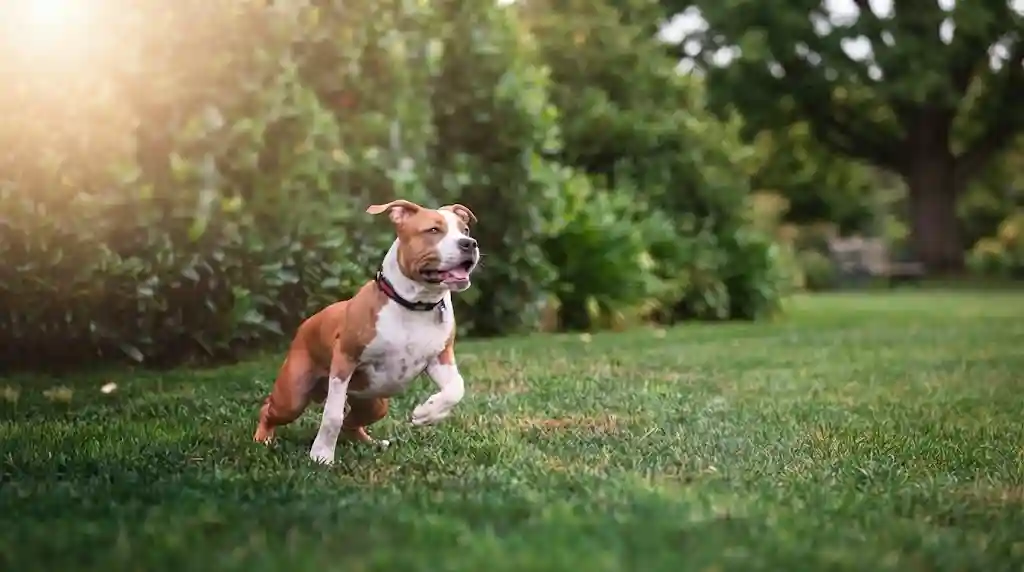
The concept of “dog IQ” is often discussed in terms of trainability, problem-solving abilities, and obedience. While intelligence in dogs can be multifaceted, Stanley Coren’s research, notably in his book “The Intelligence of Dogs,” has provided a widely cited ranking of dog breeds based on working and obedience intelligence. This ranking categorizes dog breeds by their ability to learn new commands and respond to them consistently.
According to Coren’s rankings, the dog breeds with the highest IQ or working intelligence are:
- Border Collie
- Poodle
- German Shepherd Dog
- Golden Retriever
- Doberman Pinscher
- Shetland Sheepdog
- Labrador Retriever
- Papillon
- Rottweiler
- Australian Cattle Dog
These dog breeds are known for their ability to understand and execute commands quickly, often with fewer repetitions, and demonstrate strong problem-solving skills.
Conversely, dog breeds ranked among the lowest IQ in terms of working and obedience intelligence (meaning they require more repetitions to learn and are less reliable in obeying commands) include:
- Afghan Hound
- Basenji
- Bulldog
- Chow Chow
- Borzoi
- Bloodhound
- Pekingese
- Mastiff
- Beagle
- Basset Hound
It’s important to note that “lower intelligence” in this context does not mean these dog breeds are unintelligent; rather, they may be less inclined to obey human commands due to their independent nature, strong instincts (like scent hounds), or lower motivation for human-directed tasks. Their intelligence might manifest in different ways, such as independent thinking or specialized sensory abilities, which were often valued in their original working roles. If your dog is excessively itchy, check out our article on why is my dog itching so much for more insights.
Wolf Hybrids and Breeds with Wolf Ancestry
The allure of the wild often leads to fascination with dog breeds with wolf in it, commonly referred to as wolf-dog hybrids or wolfdogs. These are direct crosses between a domestic dog (Canis familiaris) and a wolf (Canis lupus). The behavior and temperament of wolf-dog hybrids can be highly unpredictable, varying widely depending on the percentage of wolf blood and the individual animal’s upbringing. They are often challenging to train and manage, and their ownership is restricted or illegal in many jurisdictions due to safety concerns and their unique needs that are difficult to meet in a domestic setting.
Distinct from true wolf-dog hybrids are certain ancient dog breeds with wolf ancestry, where the connection to wolves is much more distant and has been refined through centuries of domestication and selective breeding. These dog breeds retain some primitive traits but are fully domesticated dogs. Examples include the Alaskan Malamute, Siberian Husky, and Samoyed, all of which are Arctic dog breeds known for their endurance and resilience, sharing some genetic similarities with ancient wolf populations. Other dog breeds like the Akita and Shiba Inu also have ancient lineages, indicating a closer genetic relationship to the early domesticated canids that diverged from wolves. These dog breeds , while resembling their wild ancestors in some ways, are distinct domestic dogs with predictable temperaments when properly socialized and trained. For related tips on managing behavior, you might also want to read our piece on how to stop excessive dog barking .
Specific Breed Considerations: Ivermectin Sensitivity and IVDD
Beyond temperament and appearance, certain dog breeds are predisposed to specific health concerns. Two notable examples are ivermectin sensitivity and Intervertebral Disc Disease (IVDD).
Dog breeds sensitive to ivermectin are those that carry a genetic mutation in the MDR1 (multi-drug resistance 1) gene. This mutation impairs the dog’s ability to effectively pump certain drugs, including ivermectin (a common anti-parasitic medication), out of the brain. When these dogs are given standard doses of such drugs, the medications can accumulate to toxic levels in the central nervous system, leading to severe neurological symptoms, including tremors, seizures, coma, and even death. Dog breeds most commonly affected by the MDR1 mutation include:
- Collie
- Australian Shepherd
- Shetland Sheepdog (Sheltie)
- Old English Sheepdog
- English Shepherd
- German Shepherd Dog (less common but still occurs)
- Long-haired Whippet
- Mackenzie River Husky
Genetic testing is available to identify dogs with the MDR1 mutation, allowing veterinarians to adjust drug protocols accordingly.
Dog breeds prone to IVDD (Intervertebral Disc Disease) are typically those with chondrodystrophic characteristics, meaning they have abnormally short legs and long backs. This body structure makes them more susceptible to disc degeneration and herniation in the spine, which can lead to pain, nerve damage, and even paralysis. The most commonly affected dog breeds include:
- Dachshund
- Basset Hound
- Beagle
- Corgi (Pembroke Welsh and Cardigan Welsh)
- French Bulldog
- Shih Tzu
- Pekingese
Responsible owners of these dog breeds often take preventative measures, such as avoiding activities that strain the back, maintaining a healthy weight, and providing ramps or steps to prevent jumping from high places. For more information on skin conditions, our article on dog allergy understanding and managing provides comprehensive information. You can also learn more about dog skin infection a comprehensive guide for deeper understanding of skin health. To ensure you’re using the best products, see our recommendations for the best dog shampoo for itchy skin .
Unique Dog Breed Facts and Trivia
The vast world of dog breeds is filled with fascinating facts and unique characteristics that often surface in quizzes or trivia challenges. For example, when considering dog breeds for letters, one might think of the Xoloitzcuintli, an ancient Mexican hairless dog (often shortened to Xolo), or the Zuchon, a designer dog breed . The diversity is endless, with dog breeds like the Airedale Terrier, Basset Hound, and countless others starting with every letter of the alphabet.
Regarding numerical curiosities, while there aren’t specific “dog breeds 4” or “dog breeds 9” categories, we can observe patterns. For instance, the Fédération Cynologique Internationale (FCI), the largest international canine organization, organizes dog breeds into 10 groups based on shared characteristics or purpose. Many popular dog lists often feature a “top 4” or “top 9” based on registration numbers, highlighting their enduring appeal.
To touch on dog breeds in Iran, indigenous dog breeds such as the Persian Greyhound (Saluki), an ancient sighthound known for its speed and elegance, and the Sarabi Dog (Iranian Mastiff), a powerful livestock guardian dog breed , have deep roots in the region. These dog breeds reflect the historical needs of the people and the environment in which they evolved.
For those interested in challenging their knowledge on platforms like Jetpunk or Jeopardy, trivia often revolves around dog breeds with unusual features, rare origins, or unique historical roles. Examples include the Azawakh, an African sighthound known for its slender build; the Bergamasco Sheepdog, with its distinctive matted coat; or the Löwchen, meaning “little lion dog” in German, known for its playful nature. Such facts underscore the incredible genetic and historical diversity encapsulated within the domestic dog species. For more help finding professional services, our guide on pet groomers near me can help you find the right support. If you’re just starting out, our dog grooming checklist for first-time owners is a great resource to ensure you have everything you need. You may also find our comprehensive dog grooming tips a comprehensive guide helpful for additional information. You can also explore dog grooming near me finding the perfect for more options.
Conclusion
Dog breeds offer a kaleidoscope of companionship, utility, and aesthetic appeal, each with its own story, challenges, and charm. From the complexities of breed-specific legislation in Canada, Germany, and California, designed to enhance public safety, to the delightful popularity of certain dog breeds in the UK, the human-canine bond is constantly evolving. Understanding breed-specific traits, whether it’s the minimal dander of a hypoallergenic Poodle, the imposing size of a Great Dane, or the striking black coat of a Flat-Coated Retriever, is key to responsible ownership. Moreover, delving into canine intelligence, recognizing the unique needs of dog breeds sensitive to certain medications, or appreciating the ancient lineage of wolf-like dogs enriches our appreciation for these incredible animals. The world of dog breeds is a testament to natural evolution and human influence, continually offering new insights into genetics, behavior, and the enduring partnership between humans and their canine companions.
