Dog Breeds: 7 Fascinating Facts About Size, Temperament, and Care
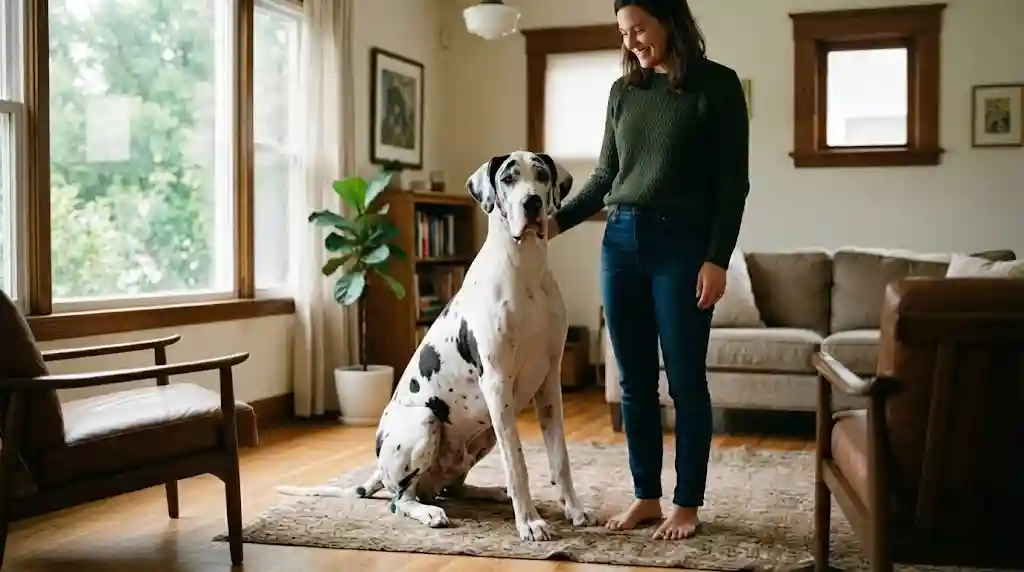
Table of Contents
Dog breeds exhibit an astonishing diversity in size, temperament, and care requirements, reflecting centuries of selective breeding for various purposes, from hunting and guarding to companionship. Whether considering a towering giant or a tiny lapdog, understanding the unique characteristics of each dog breed is paramount for responsible pet ownership. This comprehensive guide delves into the fascinating world of dog breeds , with a particular focus on the grandeur of big and huge dog breeds , the distinct elegance of the Greyhound, and the charming contrast offered by the Havanese, highlighting the crucial aspects of their care and well-being. Jede Hunderasse hat ihre eigenen Besonderheiten.
Understanding Dog Breed Sizes: From Huge to Havanese
The canine kingdom is a testament to natural and artificial selection, resulting in an incredible spectrum of sizes among dog breeds . From the smallest Chihuahua to the largest Great Dane, each size category brings with it a unique set of needs and considerations for prospective owners. Large and giant dog breeds , for instance, often command attention with their imposing stature, while smaller dog breeds charm with their portability and often vibrant personalities. The physical scale of a dog directly influences everything from their dietary needs and exercise requirements to potential health concerns and even their expected lifespan. Typically, large dogs are defined as those weighing between 57 to 97 pounds, while giant dog breeds can exceed 99 pounds, or stand taller than 70 centimeters at the shoulder. Understanding these distinctions is the first step in appreciating the complexities of dog breed ownership.
The Majestic World of Big Dog Breeds
Big dog breeds encompass a wide array of magnificent canines, many of which are known for their strength, stamina, and often protective instincts. Dog breeds like the Labrador Retriever, Golden Retriever, Rottweiler, and Bernese Mountain Dog are popular choices, known for their friendly, outgoing, and often gentle dispositions despite their substantial size. These dogs frequently form strong bonds with their human families, making them loyal and protective companions. Their impressive stature often belies a calm and affectionate nature, with many being described as “gentle giants” who thrive on companionship and can be quite sensitive. For example, Newfoundlands are celebrated for their “nanny dog” reputation due to their patience and love for children, while Great Danes, despite their towering height, are often seen as “couch potatoes” who crave affection. Diese Hunderassen sind wahre Gentlemen.
However, owning a big dog breed is a significant commitment. While they are often surprisingly calm indoors, they still require regular, moderate exercise to maintain their health and happiness. Early socialization and training are especially crucial for large dog breeds . Considering some can reach weights of 230 pounds or more, proper manners and polite interactions must be instilled while they are still puppies and a more manageable size. This ensures they grow into well-behaved adults who understand their place within the family and interact safely with others. Beyond training, the financial aspect is also a key consideration; big dogs naturally require more food, and veterinary medications are often dosed by weight, leading to higher overall costs compared to smaller dog breeds . Für grundlegende Trainingsratschläge, die Vertrauen aufbauen können, könnte unser Leitfaden easy commands every puppy should learn sehr nützlich sein.
Exploring the Biggest Dog Breeds
When discussing the biggest dog breeds , we often refer to those that achieve colossal proportions in terms of both height and weight. These giant dog breeds are true heavyweights of the canine world, with some pushing far beyond 90 kilograms. Some of the most notable include:
- Irish Wolfhound: Often cited as the tallest dog breed , some Irish Wolfhounds can stand up to 3 feet (measured at the shoulder). Despite their hunting heritage, modern Irish Wolfhounds are often surprisingly gentle and prefer a quiet life.
- English Mastiff: Also known simply as the Mastiff, this dog breed is considered one of the largest overall due to its sheer mass, with some individuals weighing over 200 pounds. They are known for their calm and courageous demeanor.
- Great Dane: Dubbed the “Apollo of dogs,” Great Danes are among the tallest dog breeds , renowned for their elegant appearance and often gentle, affectionate nature.
- Saint Bernard: These powerful dogs, historically used for rescue in the Alps, are known for their placid temperament and immense patience, making them wonderful family pets.
- Newfoundland: Massive, friendly dogs with a sweet temperament, Newfoundlands are excellent family companions, often exhibiting a protective instinct.
- Anatolian Shepherd: A large, independent, and reserved dog breed , originally bred for guarding livestock.
These dog breeds typically take longer to mature, often not reaching full physical development until 18 to 24 months of age, and mental maturity even later. This extended puppyhood means that giant dog breed puppies require significant patience and a slower approach to training and exercise. Für weitere Hilfe bei der Suche nach professionellen Dienstleistungen kann unser Leitfaden pet groomers near me Ihnen helfen, die richtige Unterstützung zu finden.
The Graceful Greyhound: A Breed Apart
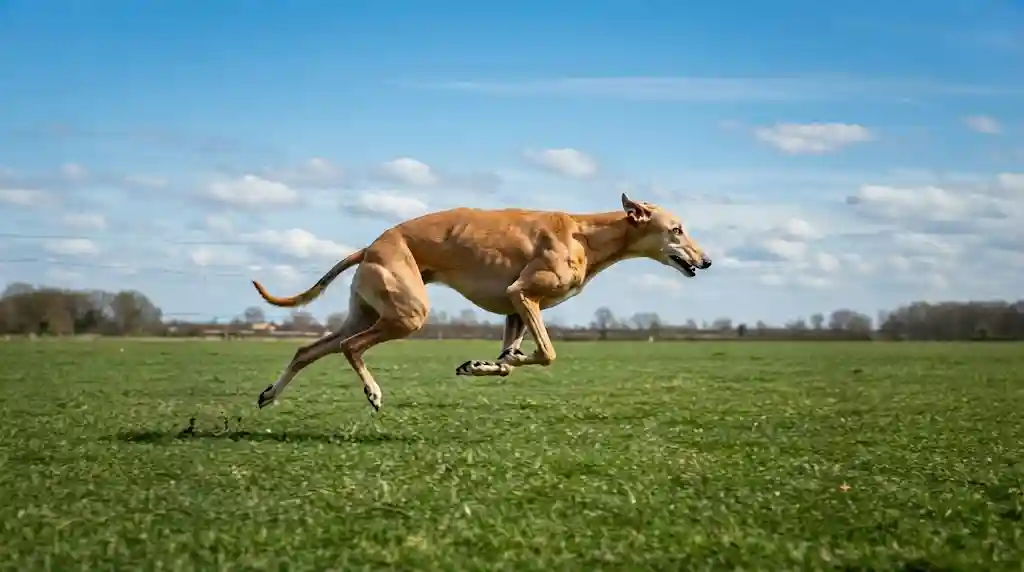
The Greyhound stands out among dog breeds for its unparalleled speed and elegant, aerodynamic physique. Renowned as the “champion sprinter of dogdom,” these sighthounds can reach speeds of up to 45 miles per hour. Historically developed for hunting by sight and speed, Greyhounds have a rich history tracing back thousands of years, where they were revered for their hunting prowess and noble symbolism. Diese Hunderasse ist einzigartig in ihrer Geschwindigkeit.
Physically, the Greyhound is a masterpiece of biological engineering. They are tall, slender dogs, with males typically standing 71 to 76 cm (28 to 30 inches) tall and weighing 27 to 40 kg (60 to 88 lbs), while females are slightly smaller. Their build is characterized by a deep chest, which houses a massive heart and powerful lungs essential for high-speed sprints, long and muscular legs, a long tail, and tough feet. Their distinctive flexible, “S-shaped” outline is typical of sighthounds, and their narrow head provides a wide field of peripheral vision. Im Gegensatz zu vielen anderen Hunderassen ist der Greyhound für seine Geschwindigkeit bekannt.
Despite their athletic capabilities, Greyhounds are often described as docile “couch potatoes” once their exercise needs are met. They possess a calm, affectionate, and intelligent temperament, making them wonderful companion animals. Many Greyhounds have a stoic personality, not easily agitated, which contributes to their ease of living with. They are known for being gentle around children and enjoy snuggling with their owners, adapting well to various living environments, including apartments. A healthy Greyhound can be expected to live between 10 to 13 years. Für verwandte Tipps zum Umgang mit Verhalten lesen Sie vielleicht auch unseren Beitrag über how to stop excessive dog barking .
Caring for Huge Dog Breeds: Unique Considerations
Caring for huge dog breeds involves specific considerations due to their size, rapid growth rate, and predisposition to certain health issues. While their gentle nature often makes them ideal family pets, their substantial needs demand attentive and informed ownership. Diese Hunderassen benötigen besondere Aufmerksamkeit.
Health Concerns: Large and giant dog breeds are unfortunately prone to a range of health problems that smaller dogs often avoid. These include:
- Hip and Elbow Dysplasia: These are degenerative conditions resulting from the malformation of the hip or elbow joints, leading to pain, stiffness, and eventually arthritis. Genetics play a significant role, but rapid growth from excessive nutritional intake can complicate development.
- Bloat (Gastric Dilatation-Volvulus – GDV): A life-threatening condition where the stomach fills with air and twists, cutting off blood flow to vital organs. Deep-chested dog breeds like Great Danes, Irish Setters, and Gordon Setters are particularly at risk.
- Arthritis and Joint Degeneration: Almost inevitable in many large dog breeds as they age, due to the stress placed on their large joints.
- Heart Disease: Some large dog breeds are genetically predisposed to conditions like dilated cardiomyopathy (DCM), where the heart becomes enlarged and weakens.
- Cancer: Large and giant dog breeds have a higher risk of certain cancers, including osteosarcoma (bone cancer), hemangiosarcoma, and lymphoma. Cancer is a significant factor in the shorter lifespans of large dogs.
- Entropion: A condition where the eyelids turn inward, causing eyelashes to irritate the cornea, potentially leading to painful ulcers.
Lifespan: A notable and often counter-intuitive fact is that large and giant dog breeds generally have shorter lifespans than smaller dogs. On average, small dog breeds live 12–16 years, while many large-breed dogs live 8–12 years, and giant dog breeds may only live 7–10 years. This phenomenon is linked to their rapid growth rate, which increases oxidative stress, speeds up cellular division, and puts strain on developing bones and joints, potentially accelerating biological aging. Higher levels of growth hormones and IGF-1 (insulin-like growth factor) in large dogs, while promoting size, are also associated with faster aging. It is essential for owners to be aware of these predispositions and provide appropriate veterinary care and a carefully managed diet throughout their dog’s life. For more detailed information on canine health and wellness, consider visiting a reputable resource like the Wikipedia page on Dog Health. Wenn Ihr Hund übermäßig juckt, lesen Sie unseren Artikel why is my dog itching so much für weitere Einblicke.
Diet and Exercise: Giant dog breeds require significantly more food than their smaller counterparts, and their diet must be carefully controlled, especially during puppyhood, to prevent growth rates that outpace what their developing skeletal systems can handle. Exercise needs vary; while some, like the Irish Wolfhound, benefit from off-lead running, others, such as the Neapolitan Mastiff, are content with moderate daily walks.
Preventive care, including regular veterinary check-ups, maintaining an ideal weight, and potentially using supplements like glucosamine for joint health, can help manage some of these challenges.
The Charming Havanese: A Small Dog with a Big Personality
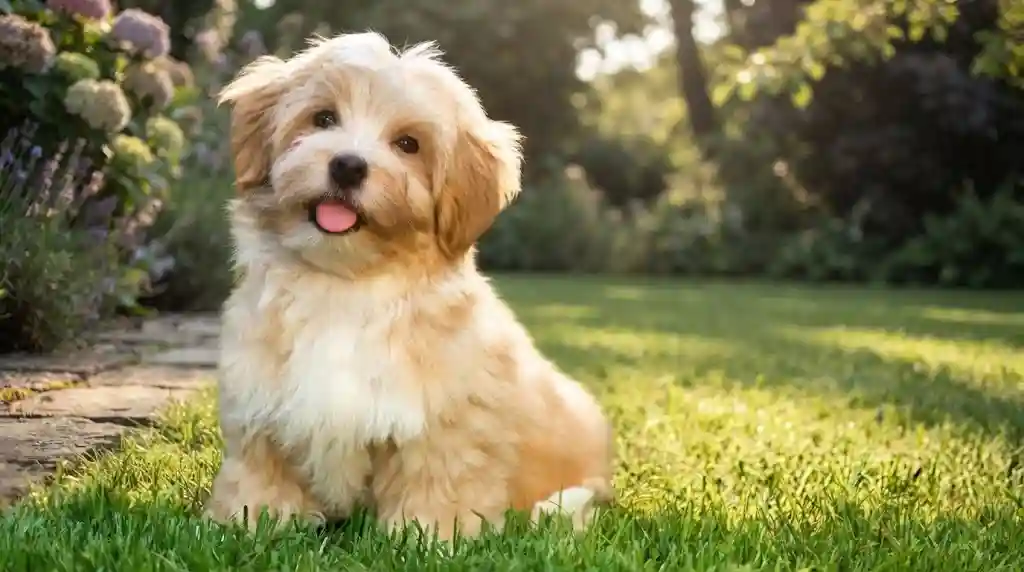
In stark contrast to the colossal dog breeds , the Havanese offers a delightful example of a small dog breed , brimming with personality and charm. The Havanese is the national dog of Cuba, cherished as a friendly, intelligent, and playful companion. They are small but sturdy, typically weighing between 7 to 13 pounds and standing 8.5 to 11.5 inches at the shoulder. Their body is slightly longer than it is tall, and they are easily recognized by their long, silky double coat, which comes in a vast array of colors, and a tail that curls over their back. Some owners choose to cord their coats, while others prefer to clip them short for easier grooming. Diese Hunderasse ist ein wahres Juwel.
Havanese are known for their humorous, loving, and affectionate personalities. They thrive on companionship and are happiest when they are part of family activities. Their intelligence makes them highly trainable, and their playful nature ensures they are always ready for a game or an adventure. While generally healthy, small dog breeds like the Havanese can be prone to certain health issues, such as patellar luxation, dental disease, and obesity if not properly managed. Their lifespan is typically longer than that of large dog breeds , with many living 14 to 16 years. Due to their small size, Havanese puppies and adults often benefit from small breed-specific dog food, with kibble sizes that are easier for them to chew and formulated to meet their unique nutritional needs. Um sicherzustellen, dass Sie die besten Produkte verwenden, lesen Sie unsere Empfehlungen für das best dog shampoo for itchy skin .
For those interested in canine care beyond just dog breeds , our Dog Nutrition Guide offers invaluable insights into feeding practices for dogs of all sizes and life stages.
Comparing Large and Small Breeds: A Summary
The differences between large and small dog breeds extend far beyond their physical dimensions, impacting nearly every aspect of their lives and care. Here’s a summary of key comparative points:
| Characteristic | Large/Giant Breeds | Small Breeds (e.g., Havanese) |
|---|---|---|
| Average Lifespan | Shorter (7-12 years, giants 7-10 years) | Longer (12-16 years, Havanese 14-16 years) |
| Growth Rate | Very rapid, reaching full size at 18-24 months | Slower, reaching full size around 6-8 months for Havanese |
| Common Health Issues | Hip/elbow dysplasia, bloat (GDV), arthritis, heart disease (DCM), cancer, entropion | Tracheal collapse, patellar luxation, dental disease, pancreatitis, brachycephalic airway syndrome (for flat-faced breeds), hypoglycemia |
| Food Requirements | Significant caloric intake, specialized large breed formulas | Small caloric intake, small breed formulas with smaller kibble |
| Exercise Needs | Moderate to high, depending on breed; requires sufficient space | Moderate, often adaptable to indoor play and shorter walks |
| Temperament (General) | Often gentle giants, calm indoors, loyal, protective, can be sensitive | Lively, intelligent, affectionate, playful, thrive on companionship |
Choosing the right dog breed involves carefully considering these factors in relation to your lifestyle, living space, and ability to meet the specific demands of each size category. For advice on choosing a canine companion that fits your household, explore our guide on Choosing the Right Breed for Your Family. Für weitere Informationen zu Hauterkrankungen bietet unser Artikel dog allergy understanding and managing umfassende Informationen. Sie können auch mehr über dog skin infection a comprehensive guide für ein tieferes Verständnis der Hautgesundheit erfahren.
Conclusion
The world of dog breeds offers an incredible array of choices, each with its unique characteristics and requirements. From the imposing presence of big and huge dog breeds like the English Mastiff and Great Dane, to the sleek athleticism of the Greyhound, and the charming companionship of the Havanese, there is a canine companion suited for nearly every preference. Understanding the distinct needs regarding size, temperament, and care—including specific health predispositions and lifespan variations—is crucial for fostering a happy and healthy relationship with your dog. Responsible ownership means being prepared for the commitment these animals require, ensuring they receive appropriate nutrition, exercise, training, and veterinary care throughout their lives. By educating ourselves on these diverse aspects of dog breeds , we can provide our beloved dogs with the best possible environment to thrive. Wenn Sie gerade erst anfangen, ist unsere dog grooming checklist for first-time owners eine großartige Ressource, um sicherzustellen, dass Sie alles haben, was Sie brauchen. Vielleicht finden Sie auch unseren umfassenden dog grooming tips a comprehensive guide hilfreich für zusätzliche Informationen. Sie können auch dog grooming near me finding the perfect für weitere Optionen erkunden.
