Walker Hounds: 7 Amazing Facts, Traits, and Care Tips You Need to Know
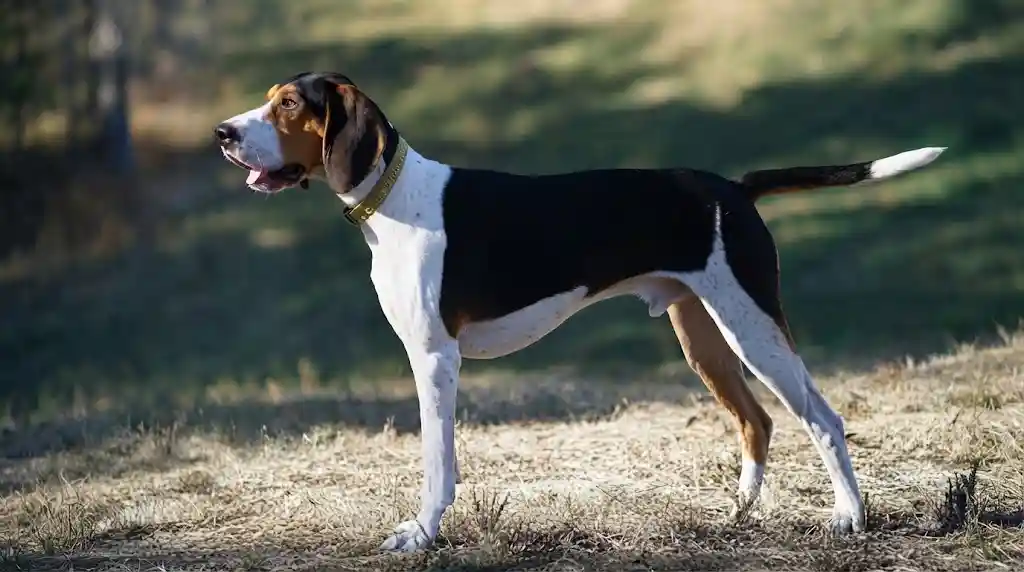
Table of Contents
Walker Hounds , Australian Kelpies, Chinese Cresteds, Blue Heelers, and Borzois present an astonishing array of shapes, sizes, temperaments, and histories, each meticulously developed for specific purposes or companionship. From the rugged landscapes of Australia to the opulent estates of Russian nobility and the ships traversing ancient trade routes, various breeds have emerged, each leaving an indelible mark on human history and hearts. This comprehensive guide delves into five distinct and fascinating dog breeds: the Australian Kelpie, the Treeing Walker Coonhound (commonly known as Walker Hounds ), the Chinese Crested, the Blue Heeler (Australian Cattle Dog), and the Borzoi. Understanding their origins, physical characteristics, unique temperaments, and care requirements is crucial for anyone considering welcoming one of these remarkable canines into their life. Walker Hounds , in particular, have a rich American history worth exploring.
The Australian Kelpie: Tireless Herder from the Outback
The Australian Kelpie is a highly regarded and versatile herding dog breed, celebrated for its intelligence, agility, and natural instinct to control livestock. Originating in Australia during the 1800s, Kelpies were specifically developed to manage large herds of sheep and cattle across the country’s vast and challenging terrain. Early breeders crossbred British sheepdogs, and notably, some reports suggest an incorporation of wild Australian Dingoes, to produce a resilient, loyal, and tireless herder. This crossbreeding aimed to create a dog capable of making independent decisions in the field, a trait that proved indispensable to farmers.
Characteristics and Temperament
Kelpies are medium-sized, athletic dogs with a sleek, muscular build, designed for endurance and agility. They typically stand around 43-51 cm at the shoulder and weigh between 14-21 kg. Their short, dense, weather-resistant coat comes in various colors, including black, chocolate, red, fawn, and blue, often with tan markings. Physically, they possess strong, muscular legs and a well-developed chest, enabling them to run, jump, and herd tirelessly.
Temperamentally, Australian Kelpies are known for their intelligence, loyalty, and strong work ethic. They form close bonds with their families and exhibit a natural desire to please, making them highly trainable and responsive. These dogs are confident and independent thinkers, often displaying strong problem-solving abilities. However, their exceptionally high IQ and need for mental engagement mean they can become bored or mischievous if left without sufficient exercise and tasks. Kelpies thrive on routine and clear guidance from their owners and excel in various dog sports, obedience training, and even roles like search and rescue. They are best suited for experienced dog owners who can meet their considerable physical and mental demands. For more foundational training advice that can help build trust, you might find our guide on easy commands every puppy should learn very useful.
The Treeing Walker Coonhound (Walker Hounds): The Hunter with a Distinctive Bay
The Treeing Walker Coonhound, often simply called Walker Hounds , is a distinct American breed with a rich history rooted in hunting. Descended primarily from English and American Foxhounds, the breed was developed in the United States in the 19th century, particularly influenced by a stolen dog known as “Tennessee Lead”. John W. Walker and George Washington Maupin of Kentucky are credited with their initial development through selective breeding of foxhounds. The United Kennel Club officially recognized the Treeing Walker Coonhound in 1945, followed by the American Kennel Club in 2012.
Characteristics and Temperament
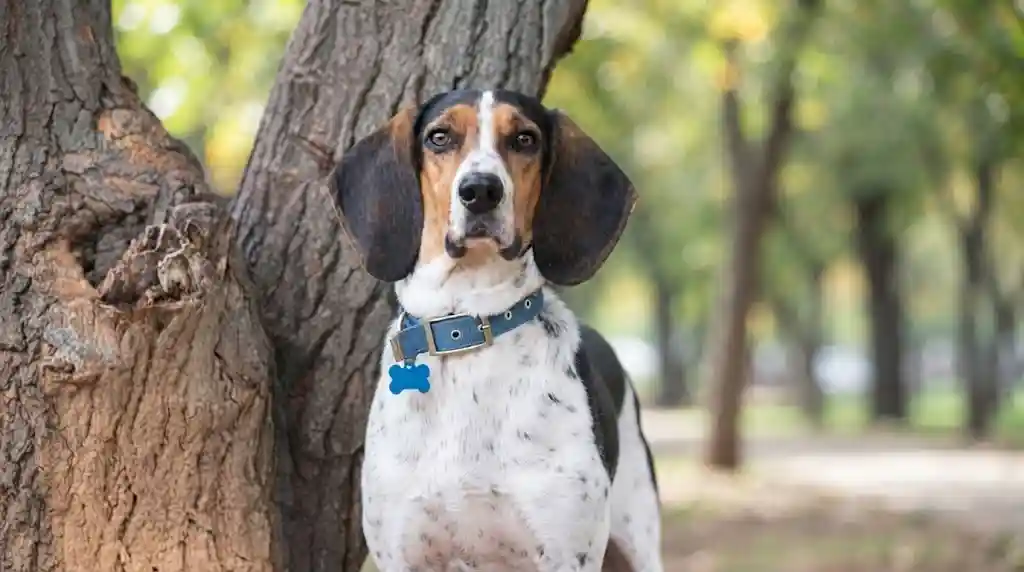
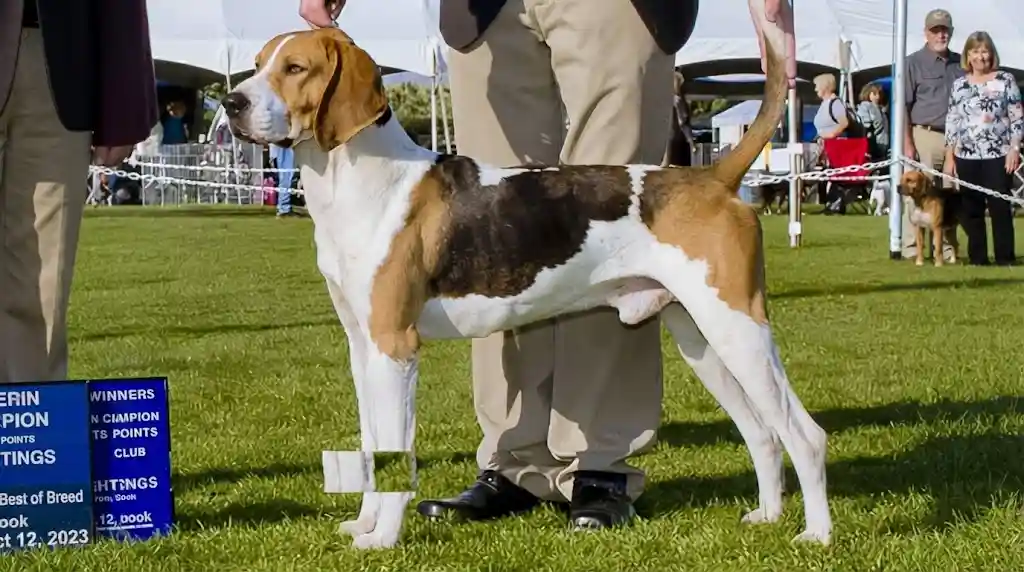
Walker Hounds are medium to large-sized dogs, with males typically standing 22-27 inches (56-69 cm) and females 20-25 inches (51-64 cm) tall, weighing between 50-70 lbs (23-32 kg). They possess a lean, muscular, and athletic build, ideal for speed, stamina, and agility in the field. Their smooth, glossy coat is short, dense, and weather-resistant, often appearing in a tricolor pattern of white, black, and tan, or a bicolor of black and white or tan and white. They are characterized by broad, slightly domed heads, long muzzles, dark brown expressive eyes, and long, pendant ears.
These Walker Hounds were primarily bred for hunting raccoons, but are also adept at tracking other game like squirrels, deer, bears, bobcats, or cougars. Their strong tracking instincts and a keen nose, combined with superior speed and endurance, make them excellent hunters, even at night. On the hunt, Treeing Walkers are alert, intense, and vocal, known for their distinctive “bawl” that changes to a steady “chop” when prey is “treed”. Despite their intensity in the field, they are described as calm, affectionate, and even-tempered at home, forming strong bonds with their families. They are highly intelligent, making them fast learners, but can have a stubborn, independent streak, requiring consistent positive reinforcement in training. Daily vigorous exercise is essential to prevent anxiety and destructive behaviors. Walker Hounds are wonderful companions for active families. For related tips on managing behavior, you might also want to read our piece on how to stop excessive dog barking .
The Chinese Crested: An Elegant and Affectionate Companion
The Chinese Crested is one of the most visually distinctive dog breeds, renowned for its unique appearance and charming personality. Despite its name, the exact origin of the Chinese Crested is not definitively Chinese; genetic evidence suggests possible roots in African hairless dogs or even the Mexican Hairless Dog (Xoloitzcuintli). It is believed that Chinese sailors adopted these hairless dogs during their travels, particularly from African ports, using them as ratters on ships to control vermin. Over centuries, the breed was refined, with Chinese breeders emphasizing temperament and size, eventually becoming prized companions and even believed to possess healing powers. The breed became established in the Western world in the 1950s, largely due to breeders like Debora Wood who founded Crest Haven Kennel in the US.
Characteristics and Temperament
Chinese Cresteds come in two distinct varieties, both born in the same litter: the Hairless and the Powderpuff. The Hairless variety is famed for being mostly free of hair, with a distinctive “crest” of hair on its head, “socks” of fur on its feet, and a “plume” on its tail. Their exposed skin is fine and smooth, often spotted, and requires significant care, including sunscreen and moisturizers, as well as protection from cold. The Powderpuff, conversely, has a soft, silky double coat covering its entire body. Both varieties are fine-boned, elegant, and graceful, typically standing 11-13 inches tall and weighing 8-12 pounds.
Temperamentally, Chinese Cresteds are sweet-natured, loving, and playful companions, highly attuned to their owners’ moods. They are often described as “Velcro dogs” due to their strong desire to stay close to their humans and do not thrive in isolation. While they can be shy around strangers, they usually warm up once familiar. Despite their delicate appearance, they are surprisingly athletic and enjoy activities like agility training. They are intelligent and eager to please, making them generally easy to train, though they can have a stubborn streak that requires patience and consistency. Grooming for the Hairless involves skin care, while Powderpuffs need regular brushing. Both varieties require attention to their unique dental health, as hairless dogs, in particular, may have genetically related dental vulnerabilities. To ensure you’re using the best products, see our recommendations for the best dog shampoo for itchy skin .
The Blue Heeler (Australian Cattle Dog): A Loyal and Intelligent Drover
The Blue Heeler, officially known as the Australian Cattle Dog (ACD), is a robust and intelligent breed developed in Australia in the 19th century. These dogs were specifically bred by pastoralists like Thomas Simpson Hall to herd cattle over vast distances and across rough terrain, a task for which existing European herding dogs were not well-suited. The breed’s origins trace back to crosses between imported British droving dogs, notably blue-speckled Highland Collies, and native Australian Dingoes. This infusion of Dingo genetics contributed to their stamina, silent working style, and characteristic nipping at the heels of cattle, earning them the “Heeler” moniker. Further development in the 1880s and 1890s by breeders like Jack and Harry Bagust involved crosses with other breeds such as Kelpies and Dalmatians, leading to the modern Australian Cattle Dog. The American Kennel Club recognized the ACD in 1980.
Characteristics and Temperament
Australian Cattle Dogs are medium-sized, sturdy, and muscular dogs, typically weighing 35-50 pounds (15-22 kg) and standing 17-20 inches (43-51 cm) tall. They possess a distinctive short, double coat that is weather-resistant, occurring in two main color forms: “blue” (blue, blue mottled, or blue speckled, often with black or tan markings) and “red” (red mottled or red speckled). Their muscular build, strong broad head, and alert expression give them an impression of power and speed.
As working dogs, ACDs are renowned for their high energy levels, intelligence, and independent streak. They are intensely devoted to their owners and form strong attachments, often exhibiting protective instincts towards their family and possessions. Their intelligence makes them highly trainable and responsive to structured, challenging tasks, excelling in dog agility and obedience work. However, their heritage as heelers means they have a natural tendency to nip, which needs careful management, especially around children. Blue Heelers require extensive exercise and mental stimulation; without it, their boundless energy can lead to boredom and destructive behaviors. They are easy to groom, requiring weekly brushing and more frequent brushing during their biannual shedding periods. Common health concerns include hereditary deafness and progressive blindness.
| Breed | Origin | Primary Purpose | Size (Approx.) | Key Temperament Traits | Grooming Needs |
|---|---|---|---|---|---|
| Australian Kelpie | Australia | Herding Livestock | Medium (14-21 kg) | Intelligent, loyal, high-energy, independent, eager to please | Low (short, dense coat) |
| Treeing Walker Coonhound (Walker Hounds) | United States | Hunting Raccoons & Game | Medium-Large (23-32 kg) | Intense hunter, affectionate at home, intelligent, vocal | Low (short, smooth coat) |
| Chinese Crested | Uncertain (Africa/Mexico, refined in China) | Companion, Vermin Control | Small (3.5-6 kg) | Affectionate, playful, sensitive, “Velcro dog,” adaptable | High (skin care for Hairless, brushing for Powderpuff) |
| Blue Heeler (Australian Cattle Dog) | Australia | Droving Cattle | Medium (15-22 kg) | Intelligent, devoted, high-energy, protective, independent | Low-Moderate (short double coat, sheds seasonally) |
| Borzoi (Russian Wolfhound) | Russia | Wolf & Game Hunting | Large-Giant (27-48 kg) | Dignified, gentle, calm, independent, strong prey drive | Moderate (long, silky coat requires regular brushing) |
The Borzoi (Russian Wolfhound): Grace and Speed of the Aristocracy
The Borzoi, historically known as the Russian Wolfhound, is an exceptionally elegant and swift sighthound with a captivating history intertwined with Russian aristocracy. Dating back to at least the 17th century, the breed was meticulously developed by Russian nobility for the thrilling purpose of hunting wolves, foxes, and hares across the vast, open steppes. The name “Borzoi” itself derives from the Old Russian word “borzyi,” meaning “swift” or “fast,” a testament to their remarkable speed and agility. These dogs were often used in pairs or packs to chase down and hold prey until hunters arrived, requiring not only incredible speed but also strength and courage. The breed’s development involved crosses between Arabian Greyhounds, Russian herding breeds, and other sighthounds. The Borzoi’s status as a symbol of nobility meant it was almost exclusively owned by the aristocracy, frequently depicted in Russian art and literature. The Russian Revolution of 1917 nearly led to the breed’s extinction, but enthusiasts and expatriates who had exported Borzois to other countries were instrumental in its preservation.
Characteristics and Temperament
Borzoi are large to giant dogs, with males standing 28 inches (71 cm) or more and females 26 inches (66 cm) or more at the shoulder. They typically weigh between 75-105 pounds (34-48 kg) for males and 60-85 pounds (27-39 kg) for females. Their most striking feature is their long, silky coat, which can be flat, wavy, or even slightly curly, coming in a variety of colors including black, white, cream, tan, gold, red, brindle, and sable. Their lanky, aristocratic build, long snout, and graceful movement epitomize the sighthound type.
Temperamentally, Borzoi are often described as quiet, dignified, and somewhat cat-like. While reserved and sometimes aloof with strangers, they are gentle, loyal, and very affectionate with their families, often displaying a unique sense of humor. Despite their calm indoor demeanor, their deep-seated hunting instincts mean they possess an incredibly strong prey drive and love to run and chase. They require daily exercise in a securely fenced area where they can stretch their legs at full speed, as their sighthound nature predisposes them to chase anything that moves quickly. Borzois can be independent thinkers, requiring patient and consistent positive training. Their long, silky coat necessitates regular brushing to prevent mats, though frequent bathing is generally unnecessary. Due to their sensitive nature and strong bond with their human companions, they are not suited to being left alone for extended periods. For further reading on the unique history and elegance of sighthounds, one can explore comprehensive resources such as Wikipedia’s article on Sighthounds. You may also find our comprehensive dog grooming tips a comprehensive guide helpful for additional information. For more help finding professional services, our guide on pet groomers near me can help you find the right support.
Conclusion
The world of dog breeds offers an incredible spectrum of canine companions, each with its own story, purpose, and set of needs. From the indefatigable Australian Kelpie and the melodious Treeing Walker Coonhound ( Walker Hounds ), bred for demanding working roles, to the uniquely elegant Chinese Crested and the powerful, devoted Blue Heeler, and finally, the majestic and graceful Borzoi, these five breeds exemplify the diversity found within our canine friends. Understanding the historical context behind their development helps shed light on their inherent characteristics and temperaments. While some are tireless workers requiring immense physical and mental stimulation, others are more suited to being devoted, if distinctive, lap companions. Walker Hounds , in particular, offer a unique blend of hunting prowess and affectionate companionship. Prospective owners must carefully consider their lifestyle, experience, and ability to meet the specific requirements of any of these breeds to ensure a harmonious and fulfilling relationship. Each of these dogs, in its own way, offers a profound connection and a unique set of challenges and joys, enriching the lives of those who choose to welcome them into their homes. If you’re just starting out, our dog grooming checklist for first-time owners is a great resource to ensure you have everything you need. For more information on skin conditions, our article on dog allergy understanding and managing provides comprehensive information. If your dog is excessively itchy, check out our article on why is my dog itching so much for more insights. You can also learn more about dog skin infection a comprehensive guide for deeper understanding of skin health. For foundational training advice that can help build trust, you might find our guide on easy commands every puppy should learn very useful.
