7 Safe Ways to Trim Hair Around Dog Eyes Without Stress
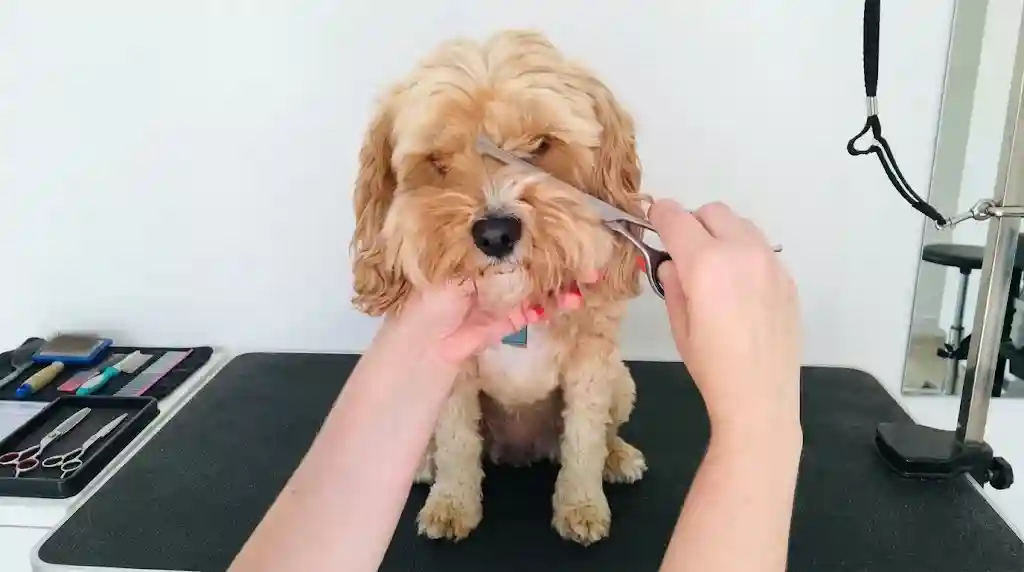
Table of Contents
How to trim hair around dog eyes safely is a skill that many dog owners can master with patience, the right tools, and a clear understanding of proper techniques. Trimming the hair around your dog’s eyes is not just about aesthetics; it’s a critical part of their overall health and well-being. Overgrown fur can obstruct vision, cause irritation, trap debris, and even lead to painful eye infections or corneal scratches. Breeds like Shih Tzus, Lhasa Apsos, Poodles, Bichons, Maltese, and other long-haired varieties are particularly prone to these issues if their facial hair is left untended. Regular grooming around this sensitive area helps ensure your canine companion can see clearly, remains comfortable, and avoids potential health problems.
Why Trim Hair Around Dog Eyes is Essential
The hair around a dog’s eyes serves no functional purpose if it’s constantly falling into their eyes. In fact, long hair in this area can become a significant nuisance and health risk. When fur covers a dog’s eyes, it can block their vision, making it difficult for them to navigate their environment, recognize commands, and interact socially. This can lead to stress, anxiety, and even accidental collisions.
Beyond simply obstructing sight, overgrown hair can trap moisture, dirt, and discharge, creating a breeding ground for bacteria and yeast. This accumulation can result in painful tear stains, skin inflammation, and serious eye infections such as conjunctivitis. In severe cases, the constant rubbing of long hairs against the eye surface can cause corneal ulcers, a very painful condition that requires immediate veterinary attention and can lead to permanent damage if left untreated. Regular trimming, therefore, is a preventative measure that significantly contributes to your dog’s comfort and long-term eye health. For more on skin infections, see this guide on dog skin infections.
Gathering Your Essential Grooming Tools
Before you begin the trimming process, ensure you have all the necessary tools at hand. Using the right equipment is paramount for safety and effectiveness.
- Blunt-Tip/Rounded-End Grooming Scissors: These are the most critical tools. Unlike sharp-pointed household scissors, blunt-tip scissors have rounded ends that significantly reduce the risk of accidentally poking your dog’s eye if they make a sudden movement. Look for high-quality stainless steel blades that are sharp and cut cleanly to avoid pulling or tearing the hair. Scissors between 4 to 5 inches offer optimal control for this delicate area.
- Fine-Tooth Metal Comb: A small, fine-toothed comb (a flea comb can work well) is essential for separating the hair, removing tangles, and lifting the fur away from the skin before you cut. This allows you to see the natural hairline clearly and ensures an even trim.
- Pet Wipes or Damp Cloth: Use a clean, soft cloth moistened with warm water or pet-safe eye wipes to clean away any discharge, crust, or tear stains around the eyes before trimming. This provides a clean canvas and helps prevent bacteria from being pushed into the eye.
- High-Value Treats: Positive reinforcement is key. Have plenty of your dog’s favorite treats readily available to reward them for good behavior and help them associate grooming with a positive experience.
- Good Lighting: Adequate lighting is crucial to ensure you can clearly see what you are doing and minimize the risk of accidents.
- Non-Slip Surface: A sturdy table with a non-slip mat, a yoga mat, or even a towel can provide a secure surface, especially for smaller dogs, preventing them from slipping and potentially injuring themselves.
Preparing Your Dog and Workspace for a Safe Trim
Preparation is vital for a stress-free and safe grooming experience for both you and your dog.
- Choose the Right Time: Select a moment when your dog is calm and relaxed, not energetic or playful. A tired dog, perhaps after a long walk or play session, is often more cooperative.
- Create a Calm Environment: Move to a quiet room where there are no distractions or loud noises that might startle your dog. A calm atmosphere helps keep your dog relaxed. For anxious dogs, this guide on dog grooming tips for anxious dogs can be very helpful.
- Acclimate Your Dog to the Tools: Before you even think about cutting, let your dog sniff and get used to the scissors and comb. Gently touch the tools to their body and face, away from the eyes, offering praise and treats. This desensitization process is crucial, especially for puppies or dogs new to grooming.
- Elevate and Secure Your Dog (if needed): For smaller dogs, a sturdy, elevated surface with a non-slip mat can make it easier for you to reach and control them. For larger dogs, sitting on the floor with them or having a helper hold them might be more suitable. Never leave your dog unattended on an elevated surface.
- Clean the Eye Area: Before trimming, gently clean away any gunk, crust, or discharge from around your dog’s eyes using a damp cloth or pet-safe wipe. Soften any dried matter first, and use a separate clean cloth or part of the cloth for each eye to prevent spreading bacteria.
The Step-by-Step Guide to Trimming Hair Around Dog Eyes
Once your dog and workspace are prepared, you can proceed with the trimming. Remember to take your time, be patient, and prioritize your dog’s safety above all else.
Holding Your Dog Steady and Calm
This is perhaps the most critical part of the process. Your dog must remain as still as possible to prevent accidents.
- One Hand for Support: Use your non-dominant hand to gently but firmly hold your dog’s muzzle or the top of their head. Your hand acts as a barrier and helps keep their head steady. Some groomers suggest resting the hand holding the scissors gently against your dog’s head so your hand moves with the dog.
- Consider a Helper: If your dog is particularly squirmy or anxious, enlist a friend or family member to help. One person can hold and distract the dog with treats and praise, while the other focuses on trimming.
- Short Sessions: Especially when first introducing trimming, keep sessions very short, just a few minutes at a time. End on a positive note, even if you only manage a few snips.
Combing the Hair Before You Cut
Proper combing ensures you cut only the hair that needs to be removed.
- Brush Up and Out: Use your fine-tooth comb to gently brush the hair around the eyes upwards and outwards, away from the eyeball. This helps you see the true length and direction of the hair and identifies any tangles or mats that need to be carefully worked out.
- Isolate the Hair to be Trimmed: Focus on the hair that falls over the eyes, obstructs vision, or collects debris in the inner corners. You’ll typically be trimming the fringe directly above the eyes and the hair in the inner corners.
Mastering the Trimming Technique
Safety is paramount here. Always keep the rounded tips of your scissors pointed away from the eye.
- Trim the Fringe (Above the Eyes): Comb the hair straight down over the eyes to form “bangs.” Place your non-cutting hand over your dog’s eyes, under the hair to be trimmed. Using your blunt-tip scissors, trim a small amount of hair straight across, just above the eye line, creating a “visor”. Aim to keep the hair short enough so it doesn’t fall into the eyes. Remember, you can always take off more, but you can’t put it back on, so trim conservatively.
- Trim the Inner Corners: This area often collects discharge and tear stains. Use your fine comb to carefully lift the hair away from the inner corner of the eye. With the blunt-tip scissors, trim the hair at an angle, like an upside-down V, being extremely careful not to touch the skin or the eye itself. A small comb can be placed between the skin and the shears to add an extra layer of protection.
- Blend the Sides (if needed): For some breeds, you may need to blend the hair on the sides of the eyes into the rest of the facial fur. Use the thinning shears or gently snip small amounts with your blunt-tip scissors, blending the lines for a natural look.
- Check Your Work: After each small snip, comb the hair again to check for missed pieces and ensure an even cut. Stop immediately if your dog becomes restless or stressed.
Dealing with Tear Stains and Excess Moisture
Tear stains are common, especially in light-colored breeds, and can be managed with consistent care.
Tear stains are caused by porphyrins, iron-rich pigment molecules in tears and saliva that oxidize and turn a reddish-brown color when exposed to air and light fur. While often a cosmetic issue, persistent staining can indicate underlying health problems. If your dog is itching or scratching excessively around the eyes, this guide on why your dog is itching so much may be helpful.
To manage tear stains:
- Daily Wiping: Use a soft, damp cloth with warm distilled or filtered water, or vet-approved tear stain wipes, to gently clean the stained fur below the eye. Wipe away from the eye, not towards it. Use a separate part of the cloth or a new wipe for each eye.
- Soften Dried Crusts: Do not pull aggressively at dried crusts. Moisten them first with a warm, damp cloth and allow them to soften before gently wiping away.
- Keep the Area Dry: After cleaning, gently pat the area dry to prevent moisture from sitting against the skin, which can worsen staining.
- Consider Clippers for Stubborn Stains: For very stubborn, deeply stained fur, some owners use small clippers to carefully remove the affected hair, especially on breeds like Maltese. However, this should be done with extreme caution, and many professionals recommend leaving this to a groomer. For professional help, see this guide to the best local grooming services near you.
- Address Underlying Causes: If tear staining is sudden, severe, on only one side, or accompanied by redness, squinting, or discharge, consult your veterinarian. It could be a sign of allergies, blocked tear ducts, ingrown lashes, or an infection. For allergies, see this guide on dog allergies.
| Aspect of Eye Grooming | Importance | Key Action/Tool | Frequency |
|---|---|---|---|
| Vision Obstruction | Prevents accidents and improves quality of life. | Blunt-tip grooming scissors to trim fringe. | As hair contacts eyes/blocks vision. |
| Eye Irritation/Scratching | Avoids pain, inflammation, and potential corneal damage. | Careful trimming of inner corner hair; blunt-tip scissors. | As hair contacts eyes/causes irritation. |
| Debris/Discharge Accumulation | Prevents infections, matting, and discomfort. | Regular cleaning with damp cloth/wipes; fine-tooth comb. | Daily or several times a week, especially in small, big-eyed breeds. |
| Tear Staining | Maintains hygiene and aesthetic appearance; signals potential health issues. | Daily wiping; trimming stained fur. | Daily wiping. |
| General Eye Health Checks | Early detection of redness, swelling, discharge, or injury. | Visual inspection in good light. | During each grooming session and regularly. |
Crucial Safety Tips and Precautions
Safety should always be your top priority when trimming hair around your dog’s eyes.
- Always Use Blunt-Tip Scissors: This cannot be stressed enough. Sharp-pointed scissors are extremely dangerous near a dog’s eyes.
- Never Point Scissors Towards the Eye: Always angle the scissors with the tips pointing away from the eyeball.
- Cut Small Amounts: Trim tiny bits of hair at a time. This gives you more control and reduces the chance of making a mistake.
- Stop if Your Dog Moves: The moment your dog jerks their head, stops still, or shows signs of discomfort, stop cutting immediately. Take a break, calm your dog, and only resume when they are settled again. Trying to rush or force the trim can lead to injury.
- Avoid Whiskers: Be mindful of your dog’s whiskers, as they are important sensory organs. Do not cut them.
- Keep Your Fingers as a Guard: When trimming hair from the top fringe, you can use the fingers of your non-dominant hand as a guide and a barrier between the scissors and your dog’s eyes.
- Regularity Over Perfection: It’s better to trim frequently in short, safe sessions than to let hair get excessively long and then attempt a complex trim.
Recognizing When Not to Trim and When to Seek Professional Help
While home grooming can be beneficial, there are situations where a professional groomer or veterinarian is the best option.
- Dog Will Not Stay Still: If your dog is overly anxious, aggressive, or simply won’t tolerate being handled around their eyes, it’s best to consult a professional groomer. Forcing the issue can lead to serious injury. In some cases, a vet might recommend mild sedatives for extremely anxious dogs undergoing grooming.
- Severe Matting: If the hair around the eyes is severely matted and pulling against the eyelid, attempting to cut it yourself can be painful and dangerous. A professional groomer has the experience and specialized tools to safely remove mats.
- Signs of Eye Issues: If you notice any redness, swelling, excessive tearing, cloudiness, squinting, discharge (especially yellow or green), or if your dog is rubbing or pawing at their eyes, do not attempt to trim. These are signs of a potential eye infection or injury that requires veterinary attention before any grooming takes place. A sudden, worsening, or one-sided stain can also signal a serious eye problem.
- Brachycephalic Breeds: Breeds with prominent eyes and short noses (brachycephalic breeds) can be at higher risk of ocular injury during grooming due to the position of their eyes. Consider professional grooming for these breeds.
For general guidance and to see what a professional groomer does, you can watch videos or ask your groomer for a demonstration. For example, the American Kennel Club (AKC) often provides valuable resources and advice on dog care and grooming, including when professional intervention is advisable for specific health or behavior concerns.
What to Do if You Accidentally Nick Your Dog
Even with the utmost care, accidents can happen. If you accidentally nick your dog’s skin while trimming:
- Stay Calm: Your dog will pick up on your anxiety. Remain calm to prevent them from becoming more agitated.
- Apply Pressure: Use a clean cloth or gauze to apply gentle, direct pressure to the cut.
- Assess the Injury: For minor nicks, applying pressure for a few minutes should stop the bleeding. Clean the area with a mild antiseptic solution safe for pets (like diluted Betadine, not alcohol or hydrogen peroxide). Monitor the wound for signs of infection (redness, swelling, pus) over the next few days.
- Seek Veterinary Care for Serious Cuts: If the bleeding doesn’t stop, the cut is deep, or it’s very close to the eye, contact your veterinarian immediately. Any injury to the eyeball itself requires urgent veterinary attention.
Maintaining Eye Hygiene Between Trims
Trimming is one aspect of eye care; daily hygiene is another important part that helps prolong the time between trims and prevents issues.
- Daily Cleaning: Make it a habit to gently wipe around your dog’s eyes daily with a warm, damp cloth or pet-safe eye wipes to remove any fresh discharge or debris before it dries and accumulates.
- Brush Regularly: For long-haired breeds, regular brushing of the facial hair can help prevent tangles and mats that can pull on the delicate skin around the eyes. For a complete grooming routine, see this dog grooming checklist for first-time owners.
- Check for Irritation: During your daily checks, look for any signs of redness, irritation, or foreign objects in the eye. Early detection can prevent more serious problems.
- Diet and Water: Some sources suggest that a high-quality diet and filtered water can help reduce tear staining, although this is not a guaranteed solution for underlying medical causes. For a complete nutrition overview, see this ultimate pet nutrition guide.
- Stainless Steel/Ceramic Bowls: Plastic bowls can harbor bacteria that may contribute to eye irritation and staining. Stainless steel or ceramic bowls are often recommended.
The frequency of trimming depends largely on your dog’s breed and coat type. Breeds with continuously growing hair, like Poodles and Shih Tzus, may need trims every 4-6 weeks. Medium-haired dogs might need trims every few months, and short-haired dogs often require minimal or no trimming around the eyes. However, if hair is contacting the eye surface, blocking vision, or accumulating discharge, it’s time for a trim, regardless of breed. For Poodle-specific care, see this comprehensive guide to Poodles. For grooming double-coated breeds, this guide on how to groom a double-coated dog at home is helpful. For drying techniques after a bath, this guide on the best drying technique for long-haired dogs is useful. And for a complete grooming schedule, see this grooming schedule by coat type. If your dog has a sensitive stomach, this guide to the best dry dog food for sensitive stomachs can help. For puppies, this guide to the best puppy food for large breed puppies is valuable.
Conclusion
Safely trimming the hair around your dog’s eyes is an act of responsible pet ownership that contributes significantly to their health, comfort, and happiness. By understanding why it’s necessary, gathering the correct blunt-tip tools, preparing your dog and workspace, and following a careful step-by-step process with an emphasis on safety, you can confidently perform this grooming task at home. Remember to prioritize your dog’s comfort and cease trimming if they become stressed. Consistent cleaning and vigilance for any signs of eye issues are equally important in maintaining optimal eye hygiene. While it takes practice and patience, mastering this skill will allow you to keep your dog’s eyes clear, healthy, and expressive for years to come.