10 Best Dog Breeds for Anxiety Support (2026 Guide)
Table of Contents
Best dog breeds for anxiety support can offer profound comfort and companionship to individuals navigating mental health challenges. Dogs, particularly those with calm, affectionate, and intuitive temperaments, have long been recognized for their ability to provide emotional relief and a sense of security. While any dog can potentially offer emotional support, certain breeds possess inherent qualities that make them exceptionally well-suited to this vital role, often demonstrating an innate understanding of human emotions and a desire to be close to their owners.
Understanding Anxiety Support Dogs
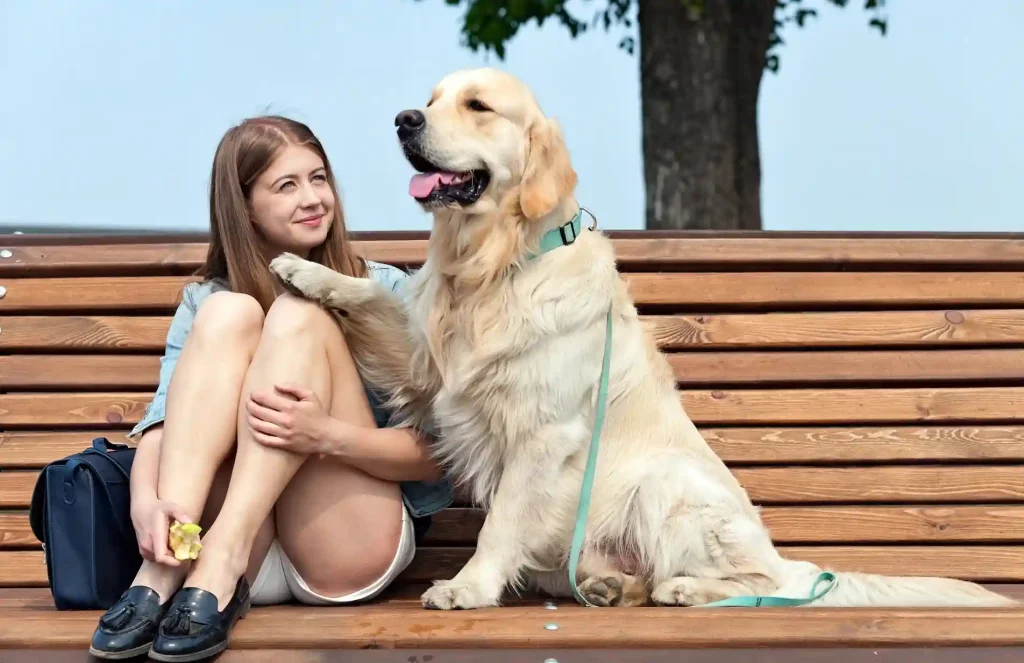
Anxiety support dogs, often referred to as Emotional Support Animals (ESAs), are companions that provide therapeutic benefits to their owners through their presence and affection. Unlike service dogs, which are specifically trained to perform tasks for individuals with disabilities, ESAs do not require specialized task-oriented training. Their primary role is to offer comfort, reduce feelings of loneliness, and help alleviate symptoms of mental health conditions such as anxiety and depression. The bond formed with an emotional support dog can significantly enhance an individual’s emotional well-being, providing a stable and loving presence that encourages routine and social interaction.
The concept of pet therapy, where trained animals engage in guided interactions for healing and companionship, has shown remarkable benefits. Dogs, in particular, have been relied upon for centuries as therapy and companion animals. Their unconditional love and support can be a powerful antidote to anxious feelings, helping individuals manage stress and find a sense of calm in their daily lives.
Qualities of an Ideal Anxiety Support Dog
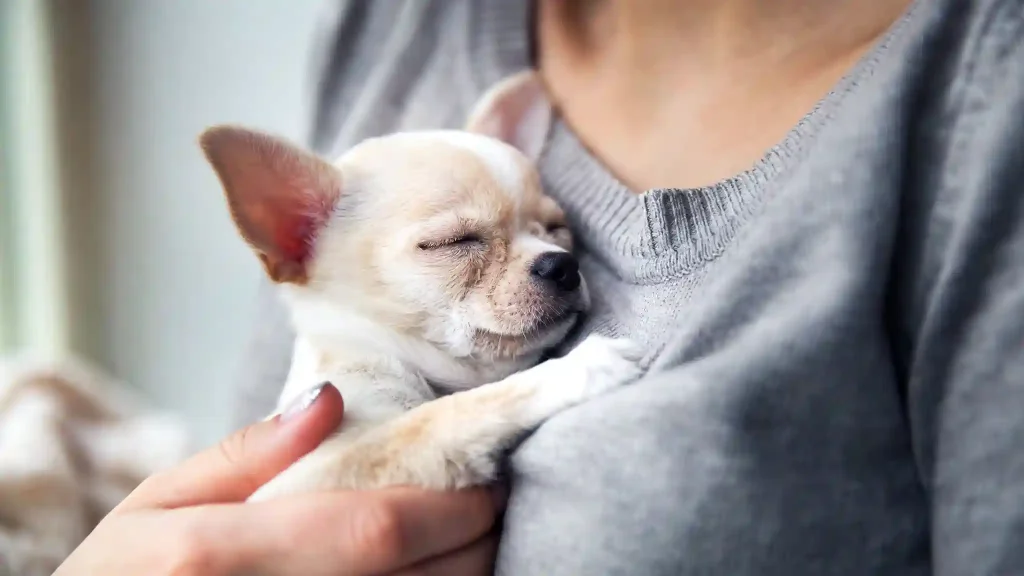
When selecting a dog breed for anxiety support, several key characteristics are paramount. The most successful anxiety support dogs are typically:
- Calm and Gentle: A dog with a naturally placid and gentle demeanor is less likely to add to an owner’s stress. They should be able to remain composed in various environments.
- Affectionate and Loyal: Dogs that form strong bonds with their owners and enjoy close physical contact can provide immense comfort and reduce feelings of isolation.
- Emotionally Intuitive: The best emotional support dogs can often sense changes in their owner’s mood or emotional state, offering comfort when it’s most needed.
- Trainable: While extensive service dog training isn’t required, basic obedience training is crucial for an anxiety support dog to ensure good behavior and manageability, making life easier for both the dog and owner.
- Adaptable: An ideal anxiety support dog should be able to adjust to different living environments and changes in routine, as mental health symptoms can sometimes disrupt plans.
Consideration should also be given to the dog’s exercise needs, grooming requirements, and size, as these factors should align with the owner’s lifestyle and capacity for care.
Top Breeds for Anxiety Support: Large and Medium
Golden Retriever
Golden Retrievers are consistently ranked among the best breeds for emotional support and therapy work due to their gentle temperament, intelligence, and affectionate nature. They are renowned for their friendly disposition, kindness, and eagerness to please, making them highly responsive to their owners’ emotional needs. Goldens are particularly adept at reading human emotions and can seamlessly shift from playful to placid. They thrive on human companionship and are excellent with children and other animals, making them ideal family companions. Their loyalty and comforting presence have even been utilized in assisting individuals, including children, recovering from trauma.
Labrador Retriever
Labrador Retrievers are another top contender, widely recognized for their calm, friendly, and gentle nature. They form strong bonds with their owners and are known for their intelligence and trainability. Labs are highly adaptable and their energetic, happy approach to life can be incredibly uplifting for those struggling with anxiety. They are often used as guide dogs for the visually impaired and excel in various service roles due to their dependable temperament. Their love for the outdoors can also encourage owners to engage in physical activity, which is beneficial for mental well-being.
Poodle (Standard and Miniature)
Poodles, in all their sizes, are incredibly intelligent, adaptable, and affectionate, making them excellent candidates for emotional support. Standard and Miniature Poodles, in particular, are praised for their perceptive nature and ability to detect subtle shifts in an owner’s mood. Their eager-to-please personality makes them highly trainable, and their hypoallergenic coats are a significant advantage for individuals with allergies. Poodles are known for forming deep bonds and providing a calming presence, making them reliable companions in stressful situations.
Top Breeds for Anxiety Support: Small and Toy
| Breed | Key Traits for Anxiety Support | Exercise Needs | Grooming Requirements |
|---|---|---|---|
| Cavalier King Charles Spaniel | Affectionate, gentle, thrives on companionship, adaptable. | Moderate daily exercise. | Regular brushing to maintain silky coat. |
| French Bulldog | Calm, soothing, loyal, adaptable, intuitive. | Minimal exercise, ideal for apartment living. | Low-maintenance short coat. |
| Bichon Frise | Cheerful, affectionate, gentle, adaptable, hypoallergenic. | Moderate exercise. | Regular brushing to prevent matting. |
| Maltese | Playful yet gentle, devoted, forms strong bonds. | Moderate exercise, enjoys indoor play. | Daily brushing for their long, silky coat. |
| Shih Tzu | Affectionate, gentle, good at forming connections, adaptable. | Minimal exercise. | Luxurious coats require regular grooming. |
Cavalier King Charles Spaniel
Cavalier King Charles Spaniels are renowned for their gentle disposition and affectionate nature, making them exceptional companion dogs. Bred specifically for companionship, they thrive on human interaction and love being close to their owners. Their calm temperament makes them adaptable to various lifestyles, including apartment living, and they are known to be patient with children. However, their strong attachment can also make them prone to separation anxiety, emphasizing the need for consistent training and a safe space.
French Bulldog
French Bulldogs are gaining popularity as emotional support animals due to their calming demeanor, loyalty, and affectionate nature. These “Frenchies” are intelligent and easily trained, adapting well to different environments. They have a unique ability to sense mood changes in their humans, offering comfort through their quiet presence and cuddles. Their minimal exercise needs and compact size make them ideal for apartment dwellers and individuals seeking a low-key companion.
Bichon Frise
The Bichon Frise is a cheerful, affectionate, and gentle breed, known for its ability to provide comfort and companionship. Their friendly and outgoing nature allows them to form strong bonds with owners and thrive in social environments. Bichons are also celebrated for their hypoallergenic coats, making them suitable for individuals with allergies. Their emotional intelligence and adaptability enable them to perceive human emotions and respond appropriately, offering a calming presence when needed.
Maltese
Maltese dogs are gentle, affectionate, and intelligent companions, making them excellent emotional support animals. They are known for their playful yet gentle temperament and tend to form strong bonds with their owners. Their small size and adaptability make them suitable for various living situations, from urban apartments to larger homes. However, like Cavaliers, Maltese can be prone to separation anxiety if left alone for extended periods, highlighting the importance of early socialization and creating a secure environment.
Shih Tzu
Shih Tzus are cherished for their charming personalities, affectionate nature, and ability to form strong connections with people. These small dogs are gentle and thrive on companionship, making them excellent therapy dogs. They are skilled at sensing their owner’s moods and are adaptable to various activities, from playtime to relaxation. Originally bred as royal companions, Shih Tzus were developed to provide comfort, a role they continue to excel in today.
Special Considerations for Anxiety Support Dogs
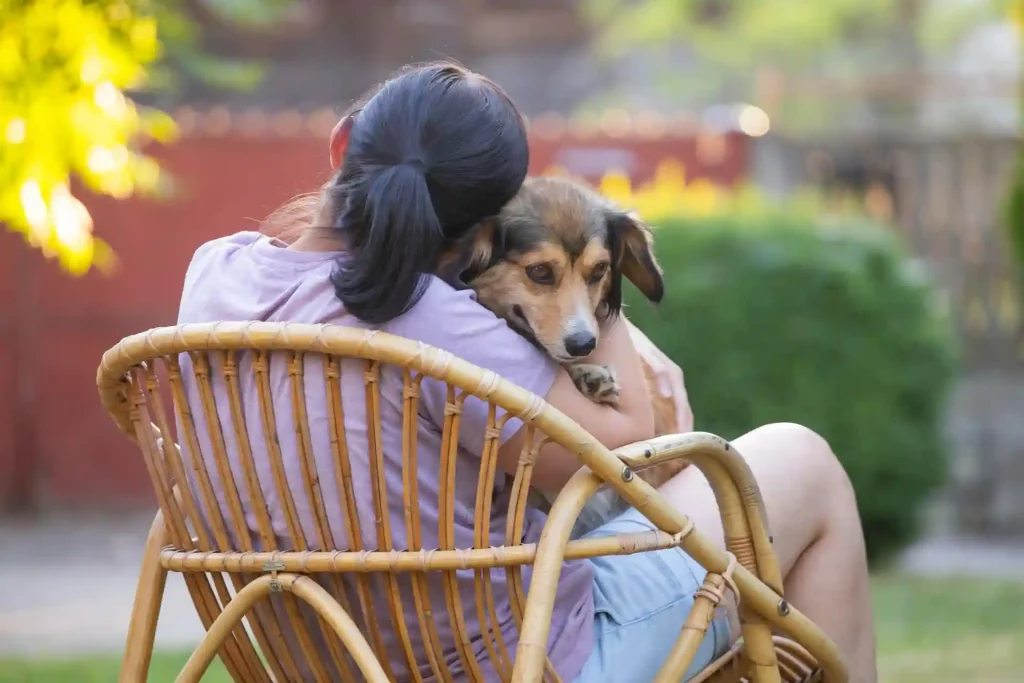
While breed characteristics provide a good starting point, several individual factors also influence a dog’s suitability for anxiety support. These include:
- Individual Temperament: Even within a breed known for calmness, individual dogs can vary. It’s crucial to select a puppy or adult dog with a naturally mellow and stable disposition.
- Early Socialization: Proper socialization from a young age helps dogs develop confidence and adapt to various environments, sounds, and people, which is vital for an emotional support role.
- Health and Lifespan: Consider the potential health issues associated with specific breeds and their typical lifespan. A healthy dog ensures a longer, more consistent period of support. For example, Bernese Mountain Dogs, while calm and affectionate, have a shorter lifespan of 7-10 years and are prone to certain health conditions.
- Grooming Needs: Some breeds, like the Golden Retriever and Bernese Mountain Dog, have thick coats that require regular grooming and can shed heavily. Others, like Poodles and Bichon Frises, have hypoallergenic coats with less shedding, which can be beneficial for owners with allergies.
- Energy Levels: While many anxiety support dogs are calm, some breeds still require moderate to high levels of exercise to remain balanced. Breeds like Labradors and Golden Retrievers need regular physical activity, whereas French Bulldogs and Shih Tzus have lower exercise demands.
Choosing a dog is a long-term commitment, and careful consideration of these factors will help ensure a successful partnership. For additional resources on responsible pet ownership and animal welfare, consult reputable organizations like the World Animal Foundation: World Animal Foundation.
Training and Socialization for Anxiety Support
Effective training and socialization are fundamental for any dog, but especially for those intended to provide anxiety support. Even naturally calm breeds benefit immensely from structured training and exposure to diverse situations.
- Basic Obedience: Commands like “sit,” “stay,” “come,” and “leave it” are essential for a well-behaved dog. Positive reinforcement methods, such as treats and praise, are most effective.
- Socialization: Exposing puppies to various people, places, sounds, and other animals in a positive and controlled manner helps them grow into confident, well-adjusted adults. This is particularly important for breeds prone to shyness around strangers, like some Bernese Mountain Dogs.
- Managing Separation Anxiety: Many companion breeds, such as Cavalier King Charles Spaniels and Maltese, can be prone to separation anxiety due to their strong bond with owners. Strategies include gradually increasing alone time, creating a safe and comfortable space, maintaining a consistent routine, and using puzzle toys or companion toys.
- Calming Techniques: Techniques such as providing a designated safe space, regular exercise, mental stimulation through puzzle toys, and even calming music or aromatherapy can help anxious dogs feel more secure.
- Professional Guidance: If a dog exhibits severe anxiety or behavioral issues, consulting a veterinarian or a certified animal behaviorist is recommended. They can provide personalized guidance and, if necessary, recommend behavioral therapy or medication.
The goal is to foster a dog’s natural inclination to comfort while ensuring they are confident, well-adjusted, and responsive companions.
Conclusion
The journey to finding the best dog breed for anxiety support is a deeply personal one, requiring careful consideration of both breed characteristics and individual needs. Breeds like Golden Retrievers, Labrador Retrievers, Poodles, Cavalier King Charles Spaniels, French Bulldogs, Bichon Frises, Maltese, and Shih Tzus stand out for their inherent qualities that make them exceptional emotional companions. Their calm temperaments, affectionate natures, intelligence, and adaptability offer a unique blend of comfort and support to individuals grappling with anxiety. While breed is a significant factor, the ultimate success of an anxiety support dog lies in consistent training, early socialization, and the profound bond shared with its owner. By choosing wisely and providing a loving, supportive environment, these remarkable canine companions can truly transform lives, offering unwavering comfort and a path toward greater emotional well-being. Ultimately, the best choice is a dog that fits your life, brings you comfort, and is manageable for you to care for every day.