Small Dogs: 15 Adorable Breeds That Stay Tiny Forever (2026 Guide)
Table of Contents
Small Dogs make wonderful companions thanks to their compact size, loving personalities, and easy adaptability. Explore 15 adorable breeds that stay tiny forever, along with expert care tips, health insights, and grooming advice in this 2026 guide. While their small stature might suggest fewer needs, these tiny companions often come with big personalities and specific care requirements that prospective owners should understand to ensure a happy, healthy life together. This comprehensive guide will explore the many facets of owning a small dog, from the undeniable benefits to the specific breeds that remain perpetually petite, alongside essential care and health considerations.
Why Choose a Small Dog?
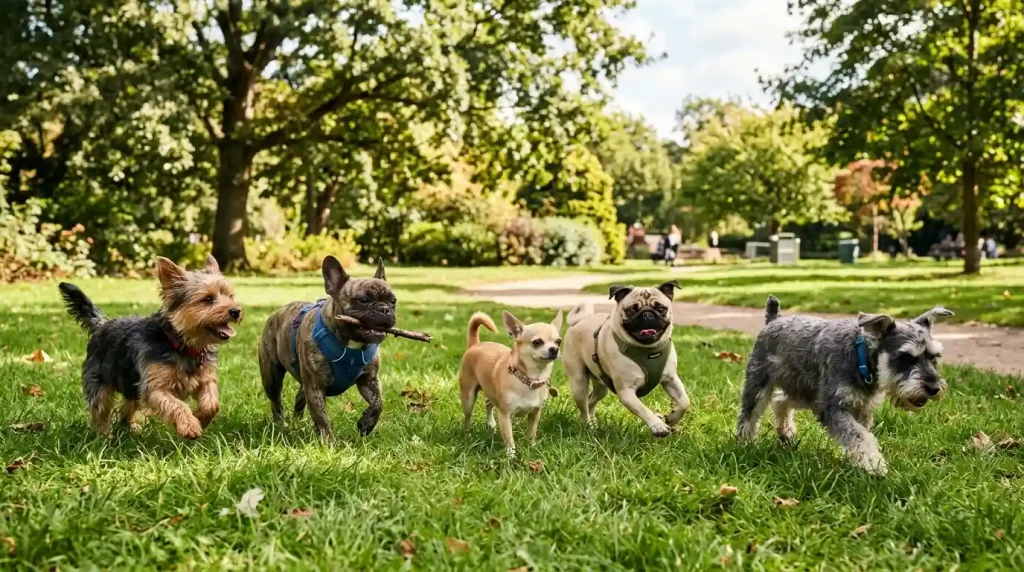
The appeal of small dog breeds extends far beyond their adorable appearance. Their compact size offers a multitude of practical and emotional advantages that resonate with many pet parents. One of the most significant benefits is their exceptional portability and adaptability to diverse living environments. Small dogs can thrive comfortably in apartments, condos, or homes with limited outdoor space, making them ideal companions for city dwellers or those without large backyards. Their manageable size also means they are often easier to transport, whether you’re taking a short trip to the park, visiting friends, or traveling by car or plane. They typically fit into carriers suitable for cabin travel on airlines, offering more flexibility for owners who enjoy bringing their furry friends along on adventures.
Furthermore, small dogs generally have lower exercise requirements compared to their larger counterparts. While all Small Dogs need regular physical activity, short daily walks and indoor playtime are often sufficient to meet the energy needs of many small breeds. This makes them suitable for individuals or families with less active lifestyles, or those who may have physical limitations. Additionally, the cost of feeding a small dog is typically lower, as they consume less food than medium or large breeds, leading to potential savings on pet expenses. Small dogs are also often easier to handle during routine care, such as bathing, brushing, and veterinary visits.
Perhaps one of the most heartwarming advantages is the strong bond small dogs often form with their owners. Many small breeds were originally developed as companion animals, fostering an inherent desire for closeness and affection. They are known for their loyalty and often enjoy being “lap Small Dogs,” providing constant companionship and emotional support. Interestingly, small dogs also tend to have longer lifespans than larger breeds, with many living well over a decade, and some even reaching 15-20 years. This extended companionship is a significant factor for many choosing a petite canine friend.
Understanding the Traits of Small Breeds
Despite their diminutive size, many small dog breeds possess remarkably bold and confident personalities, often behaving as if they are much larger than they actually are. This phenomenon, sometimes playfully referred to as “Small Dog Syndrome,” describes tiny pups who exhibit disproportionately assertive behaviors, such as barking at larger dogs, being territorial, or demanding attention. While this can be endearing, it’s crucial for owners to understand that small dogs still require consistent training and socialization, just like any other breed. Neglecting these aspects because of their size can lead to behavioral issues such as excessive barking, possessiveness, or even aggression.
It is a common misconception that small dogs do not need much exercise or training. In reality, many small breeds, particularly those from terrier or toy groups, are full of energy and require regular mental and physical stimulation to prevent boredom and destructive behaviors. Providing appropriate outlets for their energy, even if it’s through indoor games or short, frequent walks, is essential for their well-being. Furthermore, small dogs are not automatically child-friendly. Due to their delicate nature and potential for fear-based defensive reactions, many small breeds are better suited to homes with older, more considerate children or adult-only households. Proper introductions and supervised interactions are always necessary to ensure the safety and comfort of both the Small Dogs and children.
Popular Dog Breeds That Stay Small Forever
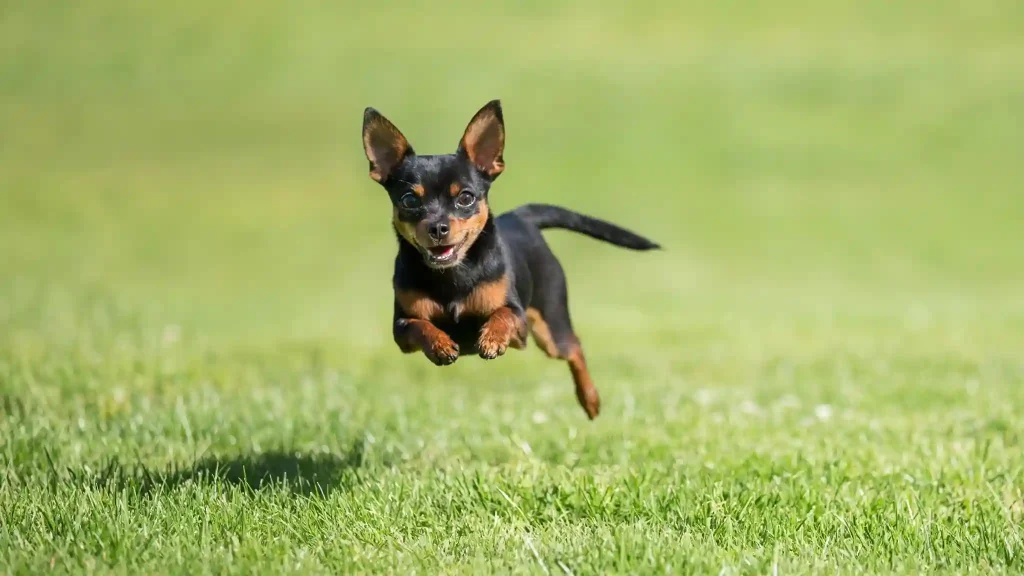
For those seeking a canine companion that remains petite throughout its life, there’s a diverse array of breeds to consider, each with its own unique charm, personality, and care requirements. The following are some of the most beloved Small Dogs breeds known for their consistently small stature:
Chihuahua
Renowned as the smallest dog breed in the world, the Chihuahua undeniably packs a powerful personality into its tiny frame. Typically weighing no more than 6 pounds and standing 5-8 inches tall, these alert and graceful dogs are known for their loyalty, enthusiasm, and confidence. Chihuahuas form strong bonds with one or two people and can be quite sassy and protective of their chosen humans. They adapt exceptionally well to apartment living and have relatively low exercise needs, often satisfied with indoor play and short strolls. However, early socialization is crucial to prevent them from becoming overly anxious or aggressive towards strangers or other dogs.
Pomeranian
The Pomeranian is a fluffy, cheerful, and highly popular small dog breed originating from Germany. Weighing between 3-7 pounds and standing 8-11 inches tall, Poms are recognized by their thick, luxurious double coat and often teddy bear-like appearance. They are intelligent, spirited, and loyal companions who make excellent watchdogs, often alerting their owners to any perceived newcomers. Despite their small size, Pomeranians are quite active and enjoy daily walks and playtime. Their beautiful coat requires regular grooming to prevent matting and maintain its pristine condition.
Yorkshire Terrier
Affectionately known as “Yorkies,” Yorkshire Terriers are lively, playful Small Dogs that retain many of their feisty terrier characteristics despite their tiny size. They typically weigh no more than 7 pounds and stand about 7-8 inches tall, sporting a long, silky, hypoallergenic coat. Yorkies are known for their bravery and willingness to protect their beloved families. They are intelligent and enjoy interactive play, but their luxurious coat demands consistent daily brushing and professional grooming to keep it healthy and tangle-free.
Shih Tzu
The Shih Tzu, meaning “little lion,” is an ancient breed originally bred to be lap dogs for Chinese royalty. These charming dogs typically weigh 9-16 pounds and stand 9-11 inches tall. They are renowned for their affectionate, outgoing, and playful personalities, making them ideal apartment dwellers. Shih Tzus adore curling up on their owners’ laps and thrive on companionship. Their lustrous, long coat requires substantial daily grooming, including brushing and occasional professional trims, to prevent matting and maintain their distinguished appearance.
Maltese
With their flowing white coats and aristocratic bearing, Maltese dogs are undeniably elegant and affectionate companions. These energetic Small Dogs typically weigh 4-7 pounds and stand 7-9 inches tall. Don’t let their dainty appearance fool you; Maltese dogs have a spirited and playful nature, making friends wherever they go. They are surprisingly good watchdogs, often barking to alert their owners to visitors. Their long, silky coat is non-shedding but requires daily brushing and regular grooming to prevent tangles and keep it pristine.
Dachshund
Miniature Dachshunds, known for their distinctive long bodies and short legs, are playful, curious, and affectionate dogs. They typically weigh under 11 pounds and stand about 5-6 inches at the shoulder. Dachshunds come in various coat types (smooth, wirehaired, and longhaired) and are known for their engaging personalities. They can be good with children and possess strong watchdog instincts. However, their unique body structure makes them prone to back problems, so careful handling and avoiding jumping are crucial for their health.
| Breed | Approx. Adult Weight | Approx. Adult Height | Average Lifespan | Temperament Snapshot |
|---|---|---|---|---|
| Chihuahua | 2-6 lbs (1-3 kg) | 5-8 inches (13-20 cm) | 14-16 years | Sassy, loyal, confident |
| Pomeranian | 3-7 lbs (1.4-3.2 kg) | 8-11 inches (20-28 cm) | 12-16 years | Cheerful, intelligent, active |
| Yorkshire Terrier | Up to 7 lbs (3.2 kg) | 7-8 inches (18-20 cm) | 13-16 years | Lively, protective, bold |
| Shih Tzu | 9-16 lbs (4-7.3 kg) | 9-11 inches (23-28 cm) | 10-18 years | Affectionate, playful, outgoing |
| Maltese | 4-7 lbs (1.8-3.2 kg) | 7-9 inches (18-23 cm) | 12-15 years | Gentle, playful, energetic |
| Toy Poodle | 4-6 lbs (1.8-2.7 kg) | Under 10 inches (25 cm) | 14-18 years | Intelligent, affectionate, active |
Toy Poodle
Toy Poodles are celebrated for their intelligence, elegance, and affectionate nature. Standing under 10 inches tall and weighing 4-6 pounds, they are the smallest variety of the Poodle breed. These highly intelligent dogs are eager to please, making them exceptionally trainable and capable of excelling in obedience and dog sports. Toy Poodles thrive on human interaction and form strong bonds with their families, often described as social butterflies. Their distinctive curly, non-shedding coat requires regular grooming, including daily brushing and professional trims, to prevent matting. While energetic, their exercise needs are moderate, easily met with daily walks and playtime.
Cavalier King Charles Spaniel
The Cavalier King Charles Spaniel is a beloved toy breed known for its friendly, gentle, and adaptable temperament. Weighing between 13-18 pounds and standing 12-13 inches tall, Cavaliers possess soulful eyes and a charming, affectionate demeanor. They were bred to be devoted companions and thrive on close family bonds, making them excellent choices for families, seniors, and first-time owners. Cavaliers are typically patient and tolerant with children and other pets. While they enjoy cuddling, their sporting heritage means they also appreciate moderate daily exercise and outdoor activities. They can adapt well to various living situations, including apartments, as long as they receive ample companionship and daily walks.
Pug
Pugs are known for their distinctive wrinkled faces, short snouts, and charming, often comical personalities. These sturdy little dogs typically weigh 14-18 pounds and stand 10-13 inches tall. Pugs were originally bred to be lap dogs and excel at being affectionate, loyal, and social companions. They are generally very quiet and happy to lounge around the house with their families, making them well-suited for apartment living. While they don’t require extensive exercise, regular short walks are important to prevent obesity, as Pugs can be prone to weight gain. Their flat faces (brachycephalic) mean they can be sensitive to heat and require careful monitoring in warm weather.
Bichon Frise
The Bichon Frise is a cheerful, playful, and loving bundle of fun. These dogs typically weigh 12-18 pounds and stand 9-12 inches tall. They are recognizable by their fluffy, white, powder-puff coats and bright, inquisitive eyes. Bichons form strong ties with their people and thrive on companionship, making them prone to separation anxiety if left alone for extended periods. Their low-shedding coat makes them a good option for some allergy sufferers, but it requires regular professional grooming and daily brushing to prevent matting. Bichon Frise dogs are generally long-lived and make delightful, affectionate family pets.
Caring for Your Small Companion
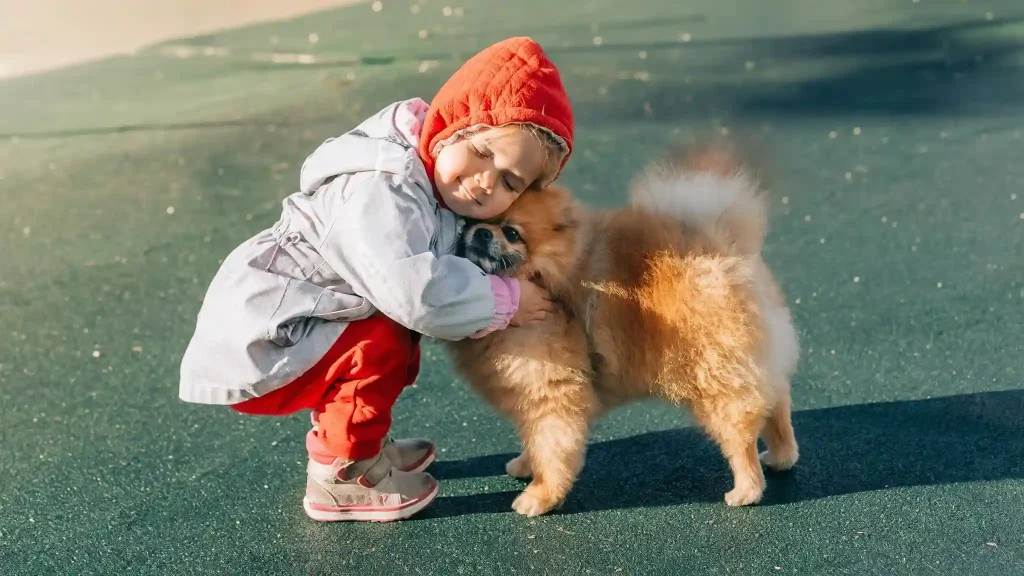
Owning a small dog comes with unique responsibilities, and understanding their specific care needs is paramount to ensuring their health and happiness. Proper care for these delicate yet spirited companions covers various aspects, from exercise and nutrition to grooming and safety.
Exercise and Mental Stimulation
While small dogs generally require less strenuous activity than larger breeds, it’s a misconception that they don’t need exercise. Daily physical activity and mental stimulation are crucial for all dogs, regardless of size, to maintain a healthy weight, prevent boredom, and curb destructive behaviors. Short, regular walks (15-30 minutes, once or twice a day) combined with indoor play sessions, such as fetch or hide-and-seek, are often sufficient. Interactive toys and puzzle feeders can also provide excellent mental enrichment. You can learn more about general canine care on PetMD’s Dog General Health Guide.
Nutrition
Small dog breeds have a faster metabolism than larger dogs and, therefore, often require more calories per pound of body weight. They may also benefit from more frequent, smaller meals throughout the day to maintain stable blood sugar levels, especially as puppies. It’s crucial to feed them a high-quality diet specifically formulated for small breeds, which typically comes in smaller kibble sizes that are easier for their tiny mouths to chew. Despite their higher metabolic rate, small dogs are susceptible to obesity if overfed, which can put undue stress on their delicate joints and organs. Portion control and monitoring their weight are vital.
Grooming
Many small breeds, particularly those with long or curly coats like the Yorkshire Terrier, Shih Tzu, Maltese, or Toy Poodle, require significant grooming to prevent matting, skin issues, and to keep their coats healthy and clean. This often involves daily brushing, regular bathing, and professional grooming every 4-8 weeks. Even short-haired small breeds benefit from regular brushing to remove loose hair and keep their skin healthy. Regular nail trims and ear cleaning are also essential components of their grooming routine. You can find out more about specific grooming needs for toy poodles on this guide to Toy Poodle grooming.
Training and Socialization
Just like large dogs, small dogs require consistent training and early socialization to become well-adjusted companions. Owners should resist the urge to “spoil” them or overlook undesirable behaviors due to their size. Puppy classes are highly recommended for early socialization with other dogs and people. Obedience training not only teaches manners but also strengthens the bond between dog and owner. Housetraining may sometimes take longer for small dogs due to their smaller bladders, requiring more frequent potty breaks.
Safety
Due to their delicate bone structure, small dogs are more prone to injuries from falls, accidental stepping, or rough play. Creating a safe home environment is essential: using baby gates to block access to stairs, providing pet stairs or ramps for furniture, and supervising playtime with children or larger pets can help prevent accidents. When out in public, especially in crowded areas, it’s advisable to carry very small dogs or use a sturdy stroller to protect them from accidental injury. Furthermore, small dogs can be sensitive to extreme weather conditions, particularly cold temperatures, and may require protective clothing like sweaters or coats during chilly outings.
Health Considerations for Small Breeds
While small dogs generally boast longer lifespans compared to their larger counterparts, they are predisposed to certain health conditions due to their unique physiology and genetic influences. Awareness of these potential issues is crucial for proactive care and early intervention.
One of the most common problems in small dog breeds is dental disease, including gingivitis and periodontal disease. Their small mouths can lead to crowded teeth, making them more prone to plaque and tartar buildup at a young age. Regular at-home dental care, such as brushing, and professional dental cleanings recommended by a veterinarian, are vital for preventing pain, tooth loss, and systemic health issues.
Another prevalent orthopedic issue is patellar luxation, where the kneecap dislocates from its normal position. This inherited condition can cause pain, limping, and lameness, particularly affecting breeds like Boston Terriers, Yorkshire Terriers, Maltese, Bichon Frise, Chihuahuas, Pomeranians, and Toy Poodles. In some cases, surgery may be required. Similarly, Legg-Calve-Perthes disease, which affects the hip joint, is more common in small dogs under 20 pounds, causing breakdown of the femur head.
Small breeds can also be prone to certain respiratory and cardiac conditions. Tracheal collapse, a weakening of the windpipe, is observed in many small dogs and can lead to a characteristic honking cough. Mitral valve disease, a common heart condition where the mitral valve deteriorates, allowing blood to flow backward, can lead to heart murmurs and potentially congestive heart failure. Breeds like the Cavalier King Charles Spaniel are particularly predisposed to this.
Neurological issues such as intervertebral disc disease (IVDD), where spinal discs herniate and press on the spinal cord, can cause pain and even paralysis, especially in breeds with long backs like Dachshunds. Furthermore, hypoglycemia (low blood sugar) is a serious concern, particularly in toy breed puppies due to their high metabolic rate and low body fat. Regular, small meals are crucial to prevent episodes. Flat-faced (brachycephalic) breeds like P