Dog Food Expire: 10 Best Safety Tips to Keep Your Pet’s Food Fresh
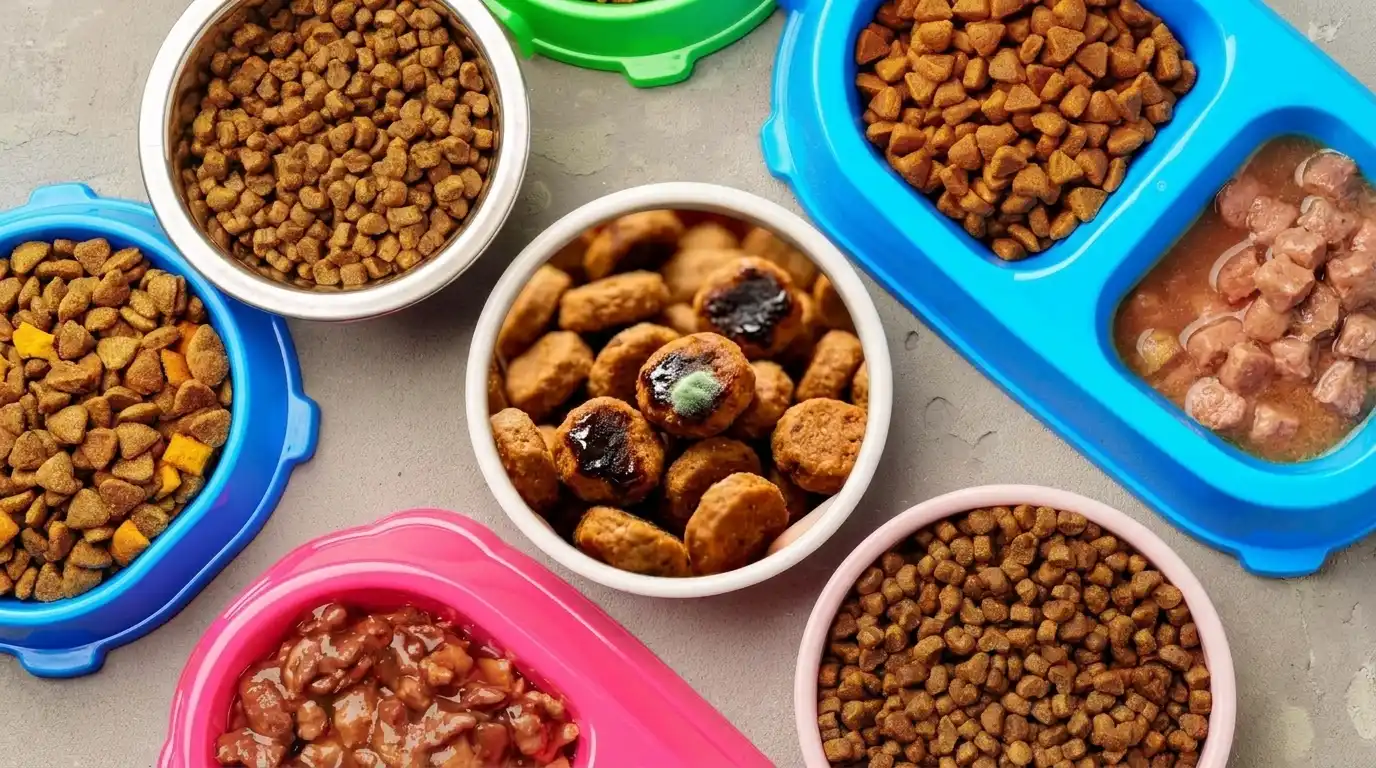
Table of Contents
Does dog food expire? This fundamental question is one that every responsible pet owner should not only ask but fully understand. Much like human food, dog food is perishable and possesses a finite shelf life, designed to retain its nutritional value and palatability for a specific period. Overlooking the freshness of your dog’s meals can lead to a variety of issues, ranging from decreased nutritional intake to serious health complications caused by spoilage and harmful bacteria. Pet food manufacturers invest significant resources into formulating and packaging products to ensure their safety and nutritional integrity up to a certain point. However, this carefully engineered longevity is heavily reliant on proper storage and adherence to recommended consumption guidelines. This comprehensive guide delves into the nuances of dog food expiration, helping you safeguard your beloved companion’s health by ensuring every meal is as fresh and safe as possible.
“Best By,” “Best Before,” and Expiration Dates: What Do They Really Mean for Dog Food?
Deciphering the dates stamped on dog food packaging is the first crucial step in understanding its shelf life. While the terms “expiration date,” “best by,” “best before,” and “use by” are often used interchangeably by consumers, they carry distinct meanings in the pet food industry. In the United States, pet food manufacturers are not explicitly mandated by the U.S. Food and Drug Administration (FDA) to print expiration dates on their products, though most choose to do so.
- “Best By” or “Best Before” Dates: These dates are the most common you’ll encounter on dry kibble and many treats. A “best by” date indicates the period during which the manufacturer guarantees the food will maintain its peak flavor, texture, and nutritional value. After this date, the food may gradually begin to lose its optimal palatability and some nutrient potency, particularly vitamins and minerals, though it might still be safe to consume for a short period if stored correctly. Think of it as a recommendation for optimal quality, rather than a strict safety cutoff.
- “Use By” Dates: This term is a stricter guideline, often found on more perishable items such as wet or fresh dog food. A “use by” date focuses on safety, signifying the point after which the food may pose a risk due to potential bacterial growth or degradation of moisture-rich ingredients. Foods past their “use by” date should generally be discarded, as the risk of harmful pathogens increases significantly.
- Expiration Dates: While less common, some manufacturers do use a straightforward “expiration date,” which unequivocally advises when the product should be discarded because it is no longer considered safe to eat. It’s essentially the most definitive marker for food safety.
It is vital to remember that these dates apply to unopened packages. Once a bag or can of dog food is opened, its exposure to air, moisture, and potential contaminants dramatically accelerates the degradation process, shortening its viable lifespan regardless of the printed date.
Factors Influencing Dog Food Shelf Life: A Detailed Look
The longevity of dog food is not a one-size-fits-all metric. Several key factors contribute to how long a particular product remains fresh, nutritious, and safe for consumption. Understanding these elements can help pet owners make informed choices and implement effective storage strategies.
Dry Kibble: Considerations for Longevity
Dry dog food, or kibble, generally boasts the longest shelf life among commercial dog food types due to its low moisture content. Unopened bags of dry kibble typically last between 12 to 18 months from the date of manufacture, and sometimes up to two years. However, this can be influenced by:
- Ingredients: Foods high in natural fats and oils, especially those without adequate natural preservatives like Vitamin E (tocopherols), are more susceptible to rancidity over time.
- Preservatives: Both natural and artificial preservatives are used to inhibit oxidation and microbial growth, thereby extending shelf life.
- Packaging: High-quality packaging, often multi-layer barrier films, is engineered to reduce oxygen and water vapor transmission, protecting the kibble from environmental degradation.
- Processing: The extrusion process used to create kibble reduces moisture, a primary factor in spoilage.
Wet or Canned Dog Food: A Different Set of Rules
Wet dog food, available in cans, pouches, or tubs, has a significantly different shelf life profile. Unopened canned wet dog food can last for two to three years, and sometimes up to five years, from the manufacturing date due to the sterilization process it undergoes during canning. This hermetic sealing prevents external contamination. However, once opened, the rules change drastically:
- Sterilization: The canning process eliminates bacteria, making unopened cans very stable.
- Moisture Content: The high moisture content that gives wet food its palatability also makes it highly susceptible to bacterial growth once exposed to air.
- Ingredients: Meats and other perishable ingredients, once exposed to oxygen, begin to degrade rapidly.
Raw and Fresh Dog Food: High Stakes for Freshness
Raw and fresh dog foods, including freeze-dried and frozen varieties, have the shortest shelf lives and require the most stringent storage practices. These diets are minimally processed and retain natural moisture or are rehydrated, making them prime environments for bacterial proliferation if not handled correctly.
- Frozen Raw: Can last 6-12 months in a freezer at 0°F (-18°C) or below if properly packaged to prevent freezer burn. Once thawed, it should be treated like any raw meat and consumed within a few days.
- Refrigerated Fresh: Typically has a very short shelf life, often only a few weeks unopened, and must be consumed within a few days once opened.
- Freeze-Dried: Offers a longer shelf life, often 12-18 months unopened, and retains much of its nutritional value. Once opened, it should be used within about 30 days for optimal freshness.
The absence of extensive processing and the presence of raw ingredients mean that meticulous temperature control and hygienic handling are paramount for these food types. Cross-contamination with human food is a significant concern that demands careful attention.
Telltale Signs Your Dog Food Has Gone Bad
Even with “best by” dates, your senses are powerful tools in determining if dog food has spoiled. Dogs also have an incredibly sensitive sense of smell, often detecting issues long before humans do.
Here are the key indicators to watch for:
- Odor: A primary sign of spoilage is an unpleasant, sour, rancid, or unusual smell. Dry kibble may develop a stale or oily odor due to fat oxidation, while wet or raw food will likely have a distinctly foul or rotten smell. If it smells “off,” it probably is.
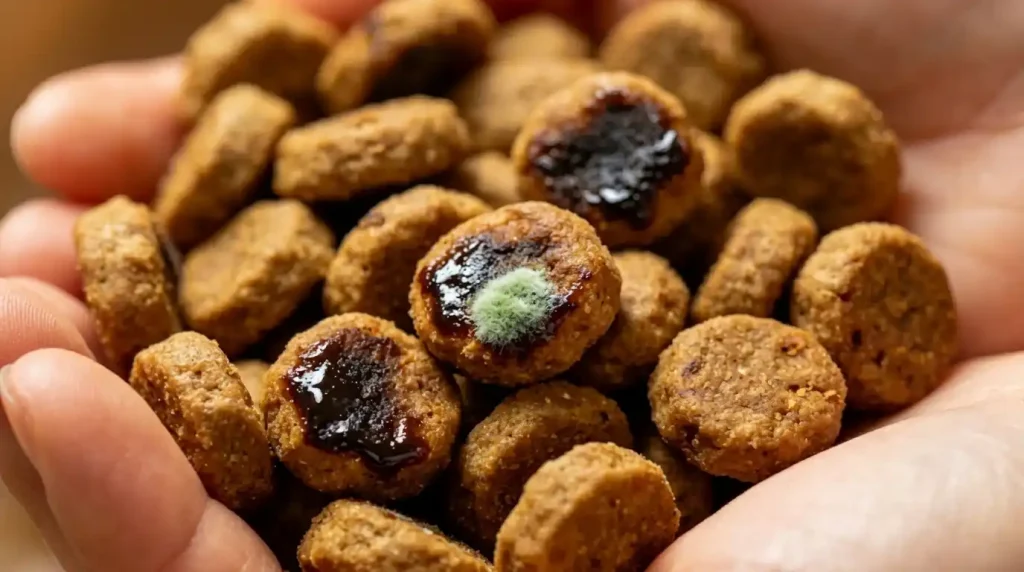
- Appearance and Color Changes: Look for visible mold or mildew, which can appear as fuzzy blue, green, white, or black patches on the food. Discoloration, such as dark spots or a noticeable change from its original color, can indicate oxidation or bacterial growth.
- Texture Changes: Dry kibble should be firm and crunchy. If it feels moist, sticky, slimy, or unusually soft, it may have absorbed moisture, leading to spoilage. Conversely, extremely crumbly or dusty kibble might be past its nutritional peak. Wet food should not appear overly dry, hard, or separated in an unusual way.
- Pest Infestation: The presence of insects, larvae, or rodent droppings is a clear sign that the food is compromised and unsafe, even if the “best by” date is still valid. Pests can introduce bacteria and other contaminants.
- Packaging Damage: Swollen or dented cans, especially along the seams, can indicate bacterial contamination and should be discarded immediately. Rips or holes in bags expose the food to air, moisture, and pests, accelerating spoilage.
- Your Dog’s Reaction: Dogs often refuse spoiled food or eat only a few bites before turning away. They might sniff excessively, sneeze, or show a general lack of enthusiasm for mealtime if the food is no longer palatable. Watch for digestive upset like vomiting or diarrhea after eating, which can signal consumption of bad food.
The Dangers of Feeding Expired or Spoiled Dog Food
Feeding your dog food that has gone bad carries significant health risks, ranging from mild gastrointestinal upset to severe, life-threatening conditions. The primary dangers stem from bacterial contamination, mold growth, rancid fats, and nutrient degradation.
Bacterial and Mold Contamination:
Expired or improperly stored dog food can become a breeding ground for harmful bacteria such as Salmonella, E. coli, and Staphylococcus. These pathogens can cause acute gastrointestinal issues in dogs, including vomiting, diarrhea, abdominal pain, and lethargy. In severe cases, bacterial infections can lead to dehydration, fever, and even systemic illness. Mold growth is another serious concern, as some molds produce mycotoxins, which are toxic compounds that can cause liver damage, neurological problems, and other long-term health issues.
Rancid Fats (Oxidation):
Dog food often contains fats and oils, which provide essential fatty acids and enhance palatability. Over time, and especially with exposure to oxygen, heat, or light, these fats can oxidize and turn rancid. Rancid fats not only make the food unappetizing but can also lead to digestive upset, inflammation, and even liver damage due to the production of harmful free radicals. They can also interfere with the absorption of fat-soluble vitamins, potentially leading to deficiencies.
Nutrient Degradation:
Beyond immediate safety concerns, expired dog food often experiences a decline in its nutritional value. Vitamins, particularly heat-sensitive ones like Vitamins A, D, E, and K, can degrade over time, as can essential minerals and proteins. While a single meal of slightly expired food might not cause immediate deficiencies, consistently feeding nutritionally compromised food can lead to long-term health problems and inadequate dietary intake for your dog.
Other Concerns:
Consuming spoiled food can also result in a general loss of appetite, as dogs may find the taste or smell unpleasant. In extreme cases, if a dog consumes a large quantity of highly contaminated food, the outcome can be severe or even fatal.
| Dog Food Type | Unopened Shelf Life (Typical) | Opened Shelf Life (Properly Stored) | Key Storage Recommendations |
|---|---|---|---|
| Dry Kibble | 12-18 months (up to 2 years) | 4-6 weeks (up to 3 months) | Original bag in airtight container, cool, dry place (<80°F / 26°C), off floor |
| Wet/Canned Food | 2-3 years (up to 5 years) | 3-7 days (refrigerated) | Transfer to airtight container, refrigerate promptly, use within 2-3 hours if left at room temp |
| Raw/Fresh (Refrigerated) | Few weeks | 3-4 days (refrigerated) | Airtight container, constant refrigeration (34-40°F / 1-4°C), separate from human Dog Food Expire |
| Raw/Fresh (Frozen) | 6-12 months (frozen at 0°F / -18°C or below) | N/A (thaw only portions needed, consume within 2-3 days after thawing) | Airtight, freezer-safe containers, portioned, labeled, designated freezer section |
| Freeze-Dried | 12-18 months | Around 30 days | Reseal original packaging, cool, dark place, away from moisture |
Optimizing Storage: How to Maximize Dog Food Freshness and Safety
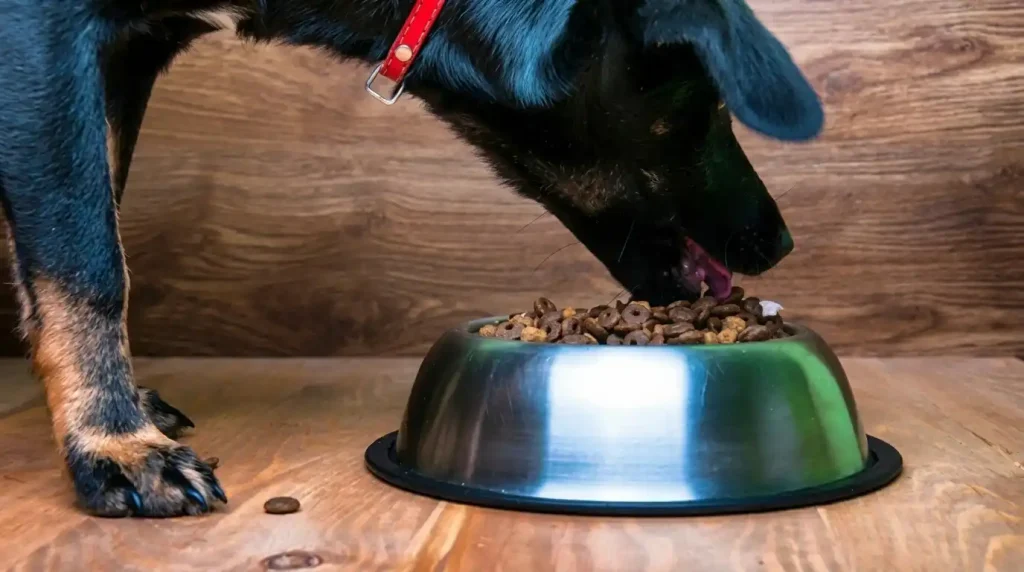
Proper storage is the most effective way to extend the shelf life of your dog’s Dog Food Expire and protect its nutritional integrity and safety. Different types of dog Dog Food Expire require specific handling protocols.
Best Practices for Dry Dog Food Storage
For dry kibble, maintaining freshness involves protecting it from air, moisture, heat, and pests.
- Keep in Original Packaging: Many experts recommend keeping dry dog food in its original bag, as manufacturers design these bags with special linings to protect the Dog Food Expire from fat oxidation and light. These bags also contain crucial information like lot numbers and “best by” dates for tracking purposes.
- Use an Airtight Container: Place the entire original bag into a sturdy, airtight storage container made of metal, glass, or Dog Food Expire -grade plastic. This provides an additional barrier against air, moisture, and pests. If you must pour kibble directly into a container, ensure it is thoroughly washed and dried between refills to prevent residual fats from going rancid and contaminating new Dog Food Expire . Some sources advise against pouring directly into plastic as plastic containers can draw oils from the kibble, potentially causing it to go stale faster.
- Cool, Dry Place: Store dry food in a cool, dry area where temperatures remain consistent and below 80°F (26°C). Pantries or laundry rooms away from direct sunlight, ovens, or heat-generating appliances are ideal. Avoid storing Dog Food Expire in garages or outdoors where temperature fluctuations and humidity are common.
- Off the Floor: Keeping Dog Food Expire containers off the floor helps minimize the risk of pest infestation.
Once opened, dry dog food should ideally be consumed within 4 to 6 weeks for optimal freshness, though some sources suggest up to 2 to 3 months if stored perfectly. Purchasing smaller bags if your dog doesn’t finish Dog Food Expire quickly can help ensure freshness.
Handling and Storing Wet Dog Food
Wet dog food requires careful handling once opened due to its high moisture content.
- Before Opening: Store unopened cans or pouches in a cool, dry place away from direct sunlight and extreme temperatures.
- After Opening: Any uneaten wet Dog Food Expire should be transferred from the original can into an airtight container, such as glass or a plastic container with a tight-fitting lid. This prevents exposure to air and odors.
- Refrigeration: Promptly refrigerate opened wet Dog Food Expire at temperatures between 34-40°F (1-4°C). It typically remains safe for 3 to 7 days in the refrigerator.
- Room Temperature Limit: Wet Dog Food Expire should not be left at room temperature for more than two to four hours, as bacterial growth accelerates rapidly in warm, moist environments. Discard any food left out longer than this timeframe.
Critical Storage for Raw and Fresh Dog Food
Raw and fresh dog food demands the strictest storage and handling to prevent bacterial contamination and maintain safety.
- Freezer Storage (Raw Frozen): Keep raw frozen food in the freezer at 0°F (-18°C) or below until ready to use. Use airtight, freezer-safe containers or vacuum-sealed bags, ideally portioned for individual meals to minimize waste and ensure even thawing. Label packages with the date of freezing and contents. Store separately from human Dog Food Expire in the freezer to prevent cross-contamination.
- Thawing: Thaw raw food slowly in the refrigerator (0-4°C) for 12-24 hours. Never thaw raw food on the kitchen counter at room temperature. If needed quickly, sealed packs can be thawed in a bowl of cold water. Once thawed, raw food should be used within 2-3 days and kept refrigerated. Do not refreeze thawed raw Dog Food Expire .
- Refrigeration (Fresh): Store refrigerated fresh dog food in airtight containers in the fridge, ideally between 35-40°F (1-4°C). It should be consumed within 3-4 days of opening. Freezing can extend its life for up to three months.
- Hygiene: Always wash your hands thoroughly with soap and water before and after handling raw food. Use separate utensils, cutting boards, and bowls for raw pet Dog Food Expire and sanitize all surfaces that come into contact with it immediately after use. The FDA also provides guidelines for proper pet food handling and storage, emphasizing cleanliness to prevent contamination. For more detailed insights into general Dog Food Expire safety, you can refer to resources like the FDA’s Proper Storage of Pet Food & Treats.
When in Doubt: A Practical Guide to Discarding Dog Food
When it comes to your dog’s health, it is always better to err on the side of caution. If you suspect that your dog’s Dog Food Expire has gone bad, or if you simply can’t remember how long it’s been open, the safest course of action is to discard it. Here are some practical guidelines for when to throw out dog food:
- Past the “Use By” or Expiration Date: For wet and raw Dog Food Expire , strictly adhere to the “use by” or expiration date. For dry food, while a few days past the “best by” date might not immediately be toxic if stored perfectly, regularly feeding such food is discouraged due to nutrient loss and increased spoilage risk. After an extended period past the “best by” date, even dry food should be discarded.
- Visible Signs of Spoilage: Any visual indication of mold, mildew, discoloration, or foreign objects like insects necessitates immediate disposal of the entire batch.
- Offensive Odor: Trust your nose. If the Dog Food Expire smells rancid, sour, metallic, or otherwise unusual and unpleasant, it’s a clear sign of spoilage.
- Texture Alterations: If dry kibble feels sticky, oily, damp, or unusually soft, or if wet Dog Food Expire has an unusual consistency, it’s best to discard it.
- Opened Past Recommended Times: Once opened, dry dog food should be used within 4-6 weeks (maximum 2-3 months). Opened wet food should be refrigerated and used within 3-7 days. Raw Dog Food Expire , once thawed, must be used within 2-3 days. If these windows are exceeded, throw the food out.
- Temperature Abuse: If dry dog food has been exposed to consistently high temperatures or humidity, or if wet/raw Dog Food Expire has been left out at room temperature for more than 2-4 hours, it should be discarded.
- Compromised Packaging: Denting or bulging on canned Dog Food Expire , or torn bags of dry Dog Food Expire , means the integrity has been breached and the food is at risk of spoilage or contamination.
- Your Dog’s Refusal: Sometimes, your dog’s keen senses will detect spoilage before you do. If your dog suddenly refuses to eat their familiar food or shows hesitation, investigate the Dog Food Expire freshness before simply dismissing their behavior as pickiness.
If your dog accidentally consumes spoiled Dog Food Expire and shows signs of illness such as vomiting, diarrhea, lethargy, or loss of appetite, contact your veterinarian immediately.
Dog Food Expire Conclusion: Vigilance for Your Canine Companion’s Well-being
The question “does dog food expire” is unequivocally answered with a resounding yes. While manufacturers go to great lengths to ensure the quality and safety of their products, the ultimate responsibility for maintaining the freshness and nutritional value of your dog’s Dog Food Expire rests with you, the pet owner. By understanding the distinctions between “best by” and “use by” dates, recognizing the various factors that influence shelf life, and diligently observing the signs of spoilage, you can make informed decisions that directly impact your dog’s health.
Implementing proper storage techniques—whether it’s keeping dry kibble in its original bag within an airtight container, promptly refrigerating opened wet food, or meticulously handling and freezing raw diets—is paramount. These practices not only preserve the food’s palatability and nutritional potency but, more critically, protect your canine companion from potentially harmful bacteria, molds, and rancid fats. Prioritizing freshness is a small effort that yields significant rewards in your dog’s overall well-being and longevity. Be vigilant, trust your instincts (and your dog’s!), and never hesitate to discard Dog Food Expire if there’s any doubt about its safety. Your furry friend relies on you to provide safe, nourishing meals every day, making smart Dog Food Expire management an essential part of responsible pet ownership.
