Chinese Origins: 7 Fascinating Dog Breeds to Discover
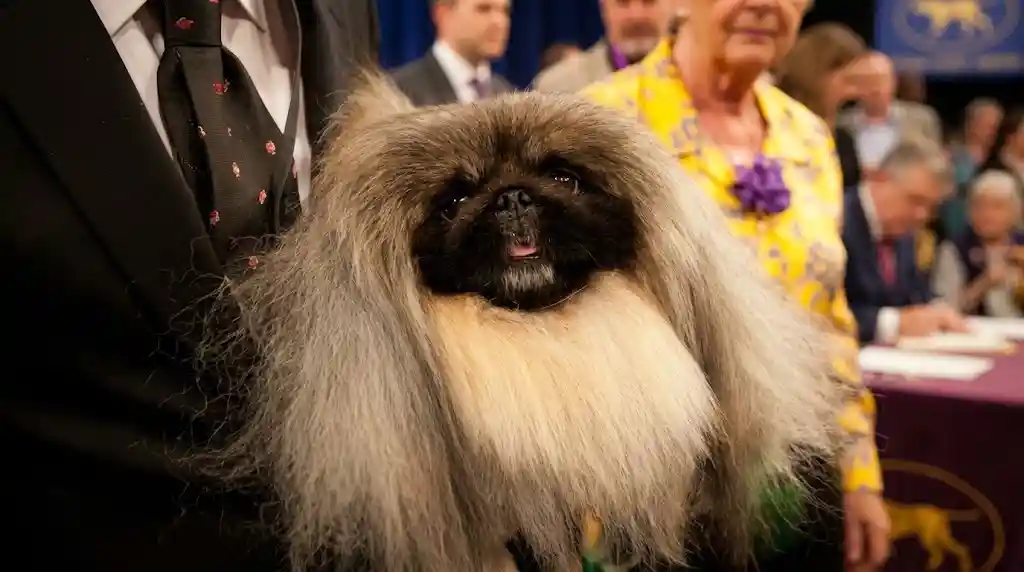
Table of Contents
Chinese Origins exhibit an astonishing array of physical traits and personalities, each captivating dog lovers with their unique charm. From the playful curl of a tail to the luxurious softness of a fluffy coat, and the striking appearance of hairless varieties, the diversity within the canine world is truly remarkable. This comprehensive article delves into specific categories of dog breeds, exploring those with distinctive curly tails, the irresistible appeal of small and fluffy companions, the fascinating characteristics of hairless dogs, and the rich history of breeds with Chinese origins , offering insights into their origins, temperaments, and care requirements. Understanding Chinese origins is key to appreciating several beloved breeds.
Dog Breeds with Characteristically Curly Tails
Many dog breeds are distinguished by their charming curly tails, a feature that often adds to their irresistible appeal and can hint at their history and temperament. This unique characteristic is primarily the result of a genetic mutation affecting the tail’s vertebrae structure, causing it to develop in a wedge shape, which typically results in a tight curl without significant health issues in the tail region. These tails can range from a loose curl that arches over the back to a tightly coiled “corkscrew” shape.
Among the most recognized curly-tailed breeds are several Spitz-type dogs, known for their thick coats, prick ears, and tails that curl up over their backs. Examples include the Alaskan Malamute, often mistaken for Huskies, with their thick coats and similar body types. The Siberian Husky also commonly features a curled tail, which can help regulate body temperature in cold climates. Samoyeds, known as “smiling sled dogs” from Siberia, boast stunning white coats and tails typically curled over their backs, contributing to their friendly demeanor.
Other notable breeds with curly tails include the Akita Inu from Japan, celebrated for loyalty and a distinctively curled tail that rests over its back, adding to its dignified look. The smaller Japanese counterpart, the Shiba Inu, also sports a fluffy, ring-like curled tail and is known for its spirited personality. The Chow Chow, originating from China, is recognizable by its lion-like mane, unique blue-black tongue, and a fluffy, curled tail that usually sits on its back. The Pug, a beloved companion dog with a wrinkled face, also has a tightly curled tail, often described as a “corkscrew” tail. Basenjis, referred to as the “barkless dog” from Central Africa, have sleek bodies and tightly curled tails, and are known for their cat-like grooming habits and unique yodel-like vocalizations.
The American Eskimo Dog (Eskie) is another breed with a loosely curled, fuzzy tail. Originally from Germany, these smart and energetic pups come in toy, mini, and standard sizes. Other curly-tailed breeds include the Pomeranian, with its plumed tail curling over its back; the Norwegian Elkhound, a historic hunting dog with a dense coat and strongly curled tail; the Keeshond; the Finnish Spitz; the Norwegian Buhund; and the Tibetan Mastiff. Several of these breeds have Chinese origins or are closely related to breeds from China.
The Allure of Small, Fluffy Dog Breeds
Small and fluffy dog breeds are undeniably adorable, captivating hearts with their plush fur, diminutive size, and teddy bear-like charm. These “little fluffballs” often possess a friendly and affectionate nature, making them excellent companions for families and individuals alike. Their compact size also makes them well-suited for apartment living and travel. Many small, fluffy breeds have Chinese origins .
One of the most iconic small fluffy breeds is the Pomeranian, with its distinctive lion’s mane of long, poofy hair and a plumed tail that curls over its back. Pomeranians are known for their spirited personalities, intelligence, and outgoing nature, though their beautiful double coat requires daily brushing.
The Bichon Frise is another popular choice, a small white fluffy dog often referred to as a “powder puff.” Bichons are happy, playful, and sociable companion dogs, renowned for their sweet, teddy bear-like appearance. They require regular grooming, including brushing several times a week and biweekly baths to maintain their pristine white coats.
The Shih Tzu, whose name means “little lion,” originated in ancient China as a royal pet and is celebrated for its long, flowing coat and friendly disposition. These affectionate dogs thrive on human companionship and are one of the more popular small and fluffy breeds in the United States. The Chinese origins of the Shih Tzu are well-documented. Similarly, the Maltese is a sweet, smart, and adorable fluffy dog that requires significant grooming and attention.
Other small, fluffy breeds include the American Eskimo Dog (Toy and Mini varieties), known for their distinctive white long coats and wagging, curled tails. They are generally friendly and happy, though they need regular brushing to keep their coats healthy. The Havanese, Lhasa Apso, and Coton de Tulear also fit this charming category, each bringing their unique blend of cuteness and companionship. The Lhasa Apso has Chinese origins as well.
| Breed Trait | Examples of Breeds | Key Characteristics |
|---|---|---|
| Curly Tail | Akita Inu, Shiba Inu, Chow Chow, Pug, Basenji, Samoyed, Siberian Husky, Alaskan Malamute, American Eskimo Dog, Pomeranian | Tails curl tightly or loosely over the back; can be thick or thin; often associated with Spitz-type dogs. |
| Small & Fluffy | Pomeranian, Bichon Frise, Shih Tzu, Maltese, American Eskimo Dog (Toy/Mini), Havanese, Lhasa Apso | Luxurious, soft coats; compact size; often affectionate and playful; require regular grooming. |
| Hairless | Chinese Crested, Xoloitzcuintli, American Hairless Terrier, Peruvian Inca Orchid | Minimal to no fur; skin exposed to elements; unique care requirements for skin protection and moisturizing. |
| Chinese Origins | Chow Chow, Pekingese, Shih Tzu, Pug, Chinese Shar-Pei, Tibetan Spaniel, Chinese Crested, Tibetan Mastiff, Lhasa Apso, Tibetan Terrier | Ancient lineages; many bred for royalty; diverse roles from companions to guardians; often have distinctive features like blue-black tongues or wrinkled skin. |
Exploring the Unique World of Hairless Dog Breeds
Hairless dog breeds offer a distinctive appeal for those seeking a unique canine companion, often favored by individuals with allergies due to their minimal shedding. It’s important to note that while some breeds are almost entirely bald, most hairless dogs do have at least a small amount of short hair on certain parts of their bodies, such as their heads, paws, and tails. Their skin, being exposed to the elements, requires specific care, including protection from sunburn and extreme cold.
The Chinese Crested Dog is perhaps one of the most well-known hairless breeds. It comes in two varieties: the Hairless, which has soft, human-like skin with tufts of hair (a “crest”) on its head, “socks” on its paws, and a “plume” on its tail; and the Powderpuff, which has a full, soft coat. Both varieties can be born in the same litter. Chinese Cresteds are small, affectionate, playful, and loyal companions, often attuned to their owners’ moods. Despite its name, the exact Chinese origins of the Chinese Crested are debated, with some theories linking it to African or Mexican hairless dogs.
Another ancient hairless breed is the Xoloitzcuintli (Xolo), also known as the Mexican Hairless Dog. Dating back over 3,500 years to the Aztecs, Xolos are naturally evolved hairless dogs with tough, smooth skin that may form wrinkles on their heads. They are generally not timid or aggressive with familiar faces but can be wary of strangers, requiring socialization and exercise. Xolos come in three sizes and also have a coated variety.
The Peruvian Inca Orchid (Peruvian Hairless Dog) is considered a national symbol of Peru. These agile sighthounds come in small, medium, and large sizes and are known for being close with their humans but standoffish with strangers. Like other hairless breeds, they also have coated counterparts.
The American Hairless Terrier is a more recently developed hairless breed, bred from the Rat Terrier in the 1970s. These intelligent, inquisitive, and playful dogs share many traits with their terrier cousins, minus the fur. They are friendly, easy to train, and adaptable, making them ideal for busy families, though care must be taken to protect their skin from sun exposure and extreme temperatures. To ensure you’re using the best products for your hairless dog, see our recommendations for the best dog shampoo for itchy skin .
While only about eight dog breeds worldwide are hairless, some are quite rare, such as the Argentine Pila Dog, Hairless Khala, and Jonangi.
A Glimpse into Chinese Dog Breeds: Ancient Companions with Chinese Origins
China holds one of the world’s oldest dog breeding traditions, with many indigenous breeds boasting impressive backstories and deep roots in Chinese history and culture. For millennia, imperial Chinese courts maintained refined companion breeds, while rural populations developed working dogs. Many of these breeds were once reserved for nobility, with severe punishments for harming or stealing an imperial dog. Chinese breeds often have ancient lineages and distinctive features like deeply pigmented tongues or unique coat textures. The Chinese origins of these breeds are a source of national pride.
The Chow Chow is one of the oldest dog breeds, believed to be over 2,000 years old. They are thought to be relatives of Tibetan Mastiffs and Nordic Spitz dogs. Chows are instantly recognizable by their lion-like ruff, a blue-black tongue, and a curled tail. Historically, they served as guard dogs, hunting dogs, and even pulled sledges. Their personalities are typically calm, serious, loyal, and somewhat aloof. The Chinese origins of the Chow Chow are well-established.
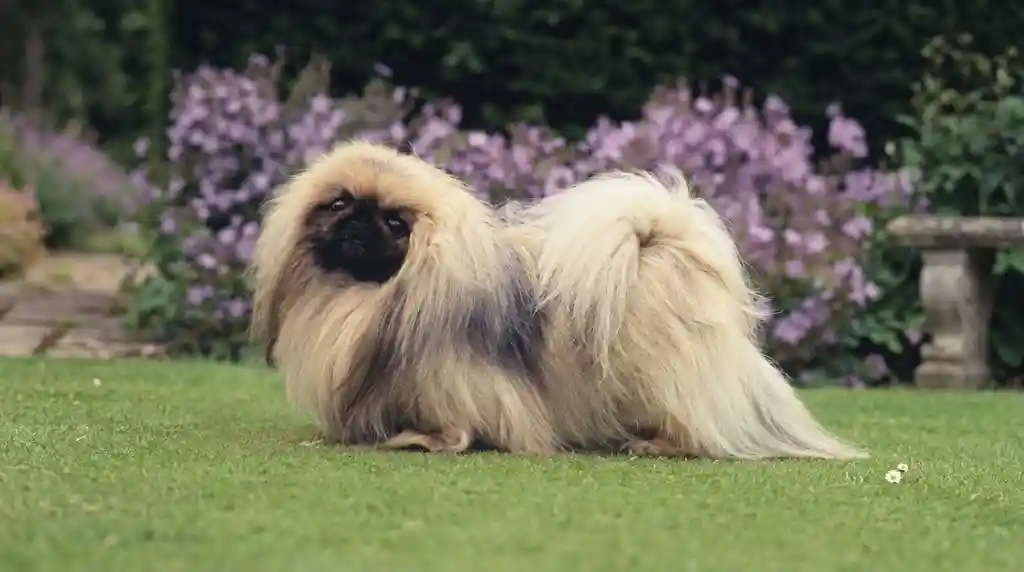
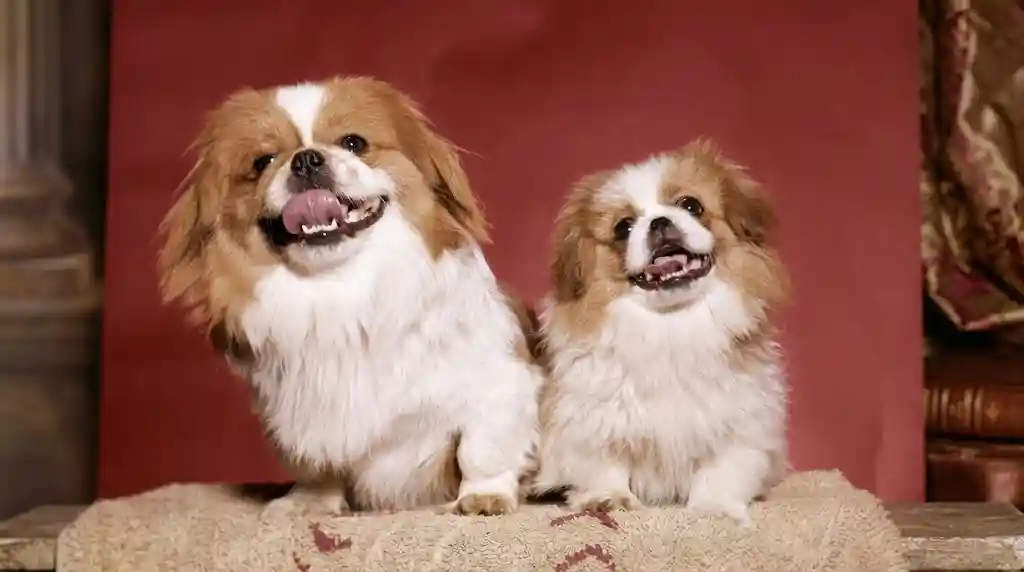
The Pekingese, often called “lion dogs” or “sun dogs,” were sacred to Tang Dynasty emperors and kept as companion pets for Chinese royalty for thousands of years. DNA evidence suggests they are among the oldest dog breeds. Their distinctive flat faces and flowing manes were intentionally bred to evoke the appearance of Buddhist guardian lions. The Chinese origins of the Pekingese date back millennia.
The Shih Tzu, another incredibly popular small dog, dates back to around 1,000 BC in Ancient China, where they were also cherished royal pets. Their name literally translates to “little lion,” reflecting their proud carriage and flowing manelike coats, and a legend even attributes a Shih Tzu to protecting Buddha. The Chinese origins of the Shih Tzu are deeply rooted in Buddhist tradition.
The Pug, with its wrinkled face and curly tail, is another well-known Chinese dog breed believed to have originated around 400 B.C. Pugs were highly prized by Chinese emperors and often lived in luxurious accommodations. The Chinese origins of the Pug are well-documented in historical records.
The Chinese Shar-Pei is an ancient guard and hunting dog known for its deeply wrinkled skin and blue-black tongue. This breed faced near extinction in the mid-20th century but was saved by international breeders. Shar-Peis with more copies of the gene causing wrinkles may be predisposed to periodic fevers. Their Chinese origins are undisputed.
Other Chinese breeds include the Tibetan Mastiff, an impressively large guardian breed said to have protected Alexander the Great and the Dalai Lama; the Tibetan Spaniel, an ancient watchdog of Buddhist monasteries; and the Chinese Crested Dog, which, despite its name, has debated Chinese origins possibly linked to African hairless dogs or Mexican Hairless dogs.
Beyond Appearance: Understanding Breed-Specific Care and Temperament
While the visual traits of dog breeds are often what first capture our attention, understanding their specific care needs and temperamental characteristics is crucial for responsible pet ownership. Each breed, whether curly-tailed, fluffy, or hairless, comes with unique requirements for grooming, exercise, socialization, and health.
For breeds with curly tails, such as the Siberian Husky or Samoyed, their tails often contribute to temperature regulation in cold environments. While the curled tail itself is typically not a health concern, responsible breeders prioritize overall spinal health.
Small and fluffy breeds, like the Pomeranian or Bichon Frise, are known for their luxurious double coats. These coats, while beautiful, require regular and often extensive grooming to prevent matting and tangles, and to manage shedding. For instance, Bichons need brushing several times a week and biweekly baths. Despite their small size, many fluffy breeds possess “big-dog personalities” and require consistent training and socialization. For more help finding professional services, our guide on pet groomers near me can help you find the right support.
Hairless breeds demand particular attention to their skin. Without a protective coat, their skin is vulnerable to sunburn, cold temperatures, and dryness. Owners must apply sunscreen or use protective clothing when outdoors and regularly moisturize their skin. While they don’t shed fur, they require frequent bathing to prevent skin infections and maintain skin health.
Chinese dog breeds, with their rich histories and Chinese origins , often come with distinct temperaments. Chows can be calm, serious, and aloof, often preferring to be the only pet in the home. Shih Tzus and Pekingese, bred for companionship, thrive on human affection. Basenjis are intelligent and independent, requiring patience in training. Understanding these nuances helps ensure a harmonious relationship between pet and owner. For more in-depth information on dog health, genetics, and breed-specific care, the American Kennel Club provides extensive resources on breed standards and health information. For foundational training advice that can help build trust, you might find our guide on easy commands every puppy should learn very useful.
Choosing the Right Canine Companion for Your Lifestyle
Selecting a dog breed that aligns with your lifestyle is paramount to fostering a strong and lasting bond. Factors such as your living environment, activity level, available time for grooming and training, and whether you have children or other pets, should all be carefully considered.
For individuals or families with an active lifestyle who enjoy outdoor activities like running or hiking, high-energy breeds such as the Siberian Husky (with its curly tail) might be suitable. Moderately active individuals might find breeds like the American Eskimo Dog or Samoyed a good fit, as they enjoy regular exercise but are also content with a more relaxed routine.
Apartment dwellers often benefit from smaller breeds with lower energy levels. Many small fluffy dogs like Pugs, Bichon Frises, or Shih Tzus can adapt well to confined spaces, enjoying indoor playtime and shorter walks. Their affectionate nature means they thrive on human companionship, making them ideal for those who can provide ample attention. The Chinese origins of breeds like the Pug and Shih Tzu make them historically suited for indoor living.
If allergies are a concern, hairless breeds like the Chinese Crested or American Hairless Terrier are often considered due to their minimal dander and shedding, though no dog is truly 100% hypoallergenic. It’s crucial for allergic individuals to spend time with the specific breed to determine if a reaction occurs. For more information on skin conditions that can affect any of these breeds, our article on dog allergy understanding and managing provides comprehensive information. If your dog is excessively itchy, check out our article on why is my dog itching so much for more insights. You can also learn more about dog skin infection a comprehensive guide for deeper understanding of skin health. For related tips on managing behavior, you might also want to read our piece on how to stop excessive dog barking . If you’re just starting out, our dog grooming checklist for first-time owners is a great resource to ensure you have everything you need. You may also find our comprehensive dog grooming tips a comprehensive guide helpful for additional information. For a more detailed approach to dental care, you can read our complete guide on dog dental care at home . You can also explore dog grooming near me finding the perfect for more options.
Ultimately, the decision should be a thoughtful one, balancing desired aesthetic traits with the practicalities of dog ownership. Researching breed characteristics, understanding their needs, and considering the commitment involved will lead to a rewarding experience for both you and your chosen canine companion.
Conclusion
The world of dog breeds is rich with diversity, offering a companion for nearly every preference and lifestyle. From the striking elegance of a curly-tailed Akita to the charming fluffiness of a Pomeranian, the unique appeal of a hairless Xoloitzcuintli, or the ancient heritage of a Chinese Shar-Pei, each breed brings its own set of characteristics and requirements. By appreciating these distinct qualities and committing to their specific care, owners can forge deep, fulfilling bonds with their canine friends. Understanding the origins and natural predispositions of these breeds not only enriches our appreciation for them but also empowers us to provide the most suitable environment and care, ensuring a happy and healthy life for these remarkable animals. The Chinese origins of many beloved breeds are a testament to the long and rich history of human-canine companionship
