Guard Dogs: 3 Powerful and Loyal Dog Breeds to Discover
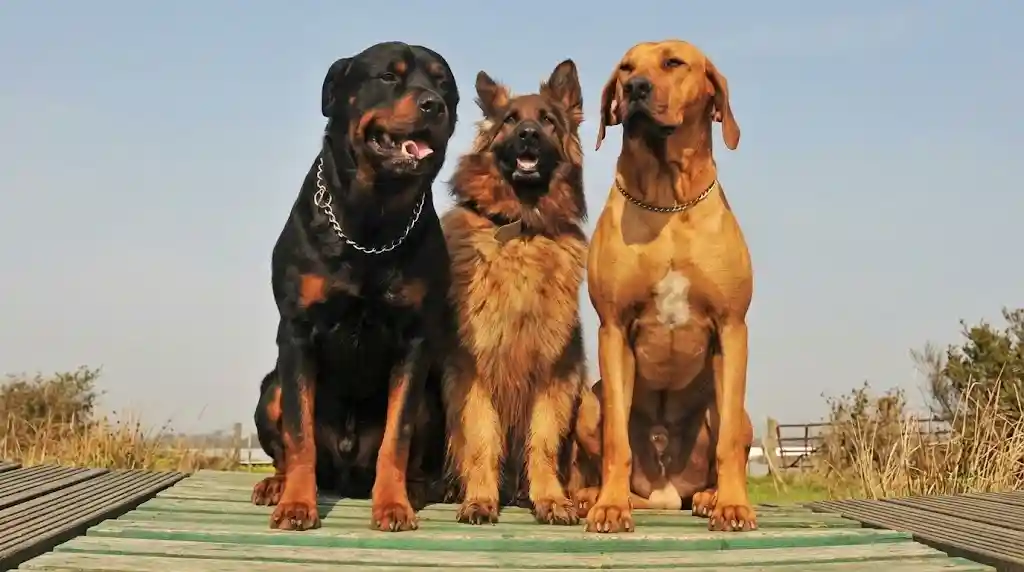
Table of Contents
Guard dogs , in their incredible diversity, offer a spectrum of companionship, utility, and unique characteristics. From the most expensive purebreds coveted for their rarity and lineage to formidable guard dogs renowned for their protective instincts, the canine world is rich with options. Understanding the specific traits, needs, and costs associated with different types of dog breeds, including guard dogs and various mixed breeds, is crucial for any potential owner seeking a loyal companion or a vigilant protector. This comprehensive guide will explore the world of guard dogs , expensive breeds, guardian dogs, and mixed-breed protectors.
Introduction to the World of Guard Dogs
The relationship between humans and guard dogs dates back thousands of years, evolving from shared hunting to devoted companionship and specialized working roles. Today, guard dogs serve in countless capacities, from therapy animals to elite protection dogs. This article delves into specific facets of dog ownership, exploring breeds that command high prices, those instinctively suited for guarding, the distinction between guard and guardian roles, and the growing popularity of mixed breeds for protection. Understanding the unique characteristics of guard dogs is essential for responsible ownership.
The Allure of Expensive Dog Breeds: Beyond the Price Tag
The term “expensive dog breeds” often conjures images of rare, exotic, or highly sought-after canines, where the initial purchase price can rival that of a luxury car. However, the cost of a dog extends far beyond its upfront acquisition, encompassing lifetime expenses for food, veterinary care, grooming, and training. Several factors contribute to a breed’s high price tag, including rarity, prestigious lineage, the breeder’s reputation, extensive health testing, and high demand. Many expensive breeds also double as excellent guard dogs .
- Tibetan Mastiff: Often cited as one of the most expensive breeds, a red Tibetan Mastiff puppy famously sold for $1.5 million in China in 2014. Typical puppies from reputable breeders still command prices between $3,000 and $10,000+, driven by their ancient heritage, imposing size, and rarity. Tibetan Mastiffs are also formidable guard dogs .
- Samoyed: Known for their beautiful white coats and “Sammy smile,” Samoyeds can range from $1,200 to $15,000, and also entail high maintenance costs.
- Löwchen: Also known as the “Little Lion Dog,” this rare breed can cost between $2,500 and $12,000, reflecting its scarcity.
- Canadian Eskimo Dog: Among the rarest breeds, facing a conservation crisis, these dogs can cost $3,000 to $8,750.
- French Bulldog (Rare Colors): While standard French Bulldogs are popular, rare colors like Merle, Isabella, and Platinum can significantly inflate prices, sometimes reaching $7,000 to $50,000+, with fluffy variants even exceeding $65,000. However, these rare color variations are often prone to more health issues, which can lead to considerable lifetime veterinary costs.
- Afghan Hound: With their majestic appearance and flowing coats, Afghan Hounds typically cost between $2,500 and $7,000. Their beauty demands regular grooming, adding to ongoing ownership costs.
It’s crucial for prospective owners to understand that the initial purchase price is merely the beginning. Giant breeds, for instance, naturally require more food, larger doses of medication, and higher boarding fees. Health testing and responsible breeding practices also contribute to the initial cost, aiming to produce healthier animals and mitigate future veterinary expenses. The investment in a well-bred guard dog is an investment in your family’s safety.
What Makes an Effective Guard Dog? Essential Characteristics
An effective guard dog is far more than just an intimidating presence; it possesses a specific set of physical and psychological traits that enable it to protect its territory and family reliably. The role of protection dogs has evolved, requiring a balance of natural instinct, intelligence, and trainability. Not all guard dogs are created equal.
- Territorial Nature and Loyalty: Excellent guard dogs are natural protectors of their space. They instinctively understand who belongs and who doesn’t, maintaining a watchful eye over their territory and exhibiting unwavering loyalty to their family. This inherent drive to protect people and places is a foundational trait that training can optimize but not create from scratch.
- Alertness and Sharp Senses: Protection dogs possess heightened senses, particularly hearing and smell. They are quick to notice intruders, unusual movements, or changes in human behavior before their owners do, enabling them to react swiftly.
- Confidence and Bold Demeanor: A true guard dog exhibits a bold, self-assured demeanor, remaining unintimidated by perceived threats. This confidence is a blend of genetics and consistent training, reinforcing their innate belief in their ability to confront danger.
- Intelligence and Trainability: A protection dog must be intelligent and eager to learn. They need to follow commands precisely, even in stressful situations. Highly trainable breeds excel because they can grasp complex instructions and adapt to various environments. Breeds with high working intelligence can learn commands much faster than average dogs.
- Controlled Protection, Not Aggression: Crucially, a good guard dog is not trained for unprovoked aggression. Instead, training focuses on alertness and controlled protection. A poorly socialized guard dog can be a liability, not an asset. The ability to distinguish between a genuine threat and a harmless visitor is paramount.
- Physical Presence: While not the sole factor, a strong, imposing physical presence can act as a deterrent. Breeds known for their strength and size, such as Rottweilers and Cane Corsos, also possess significant bite force, which can be a component of their protective capabilities.
Top Guard Dog Breeds for Protection and Loyalty
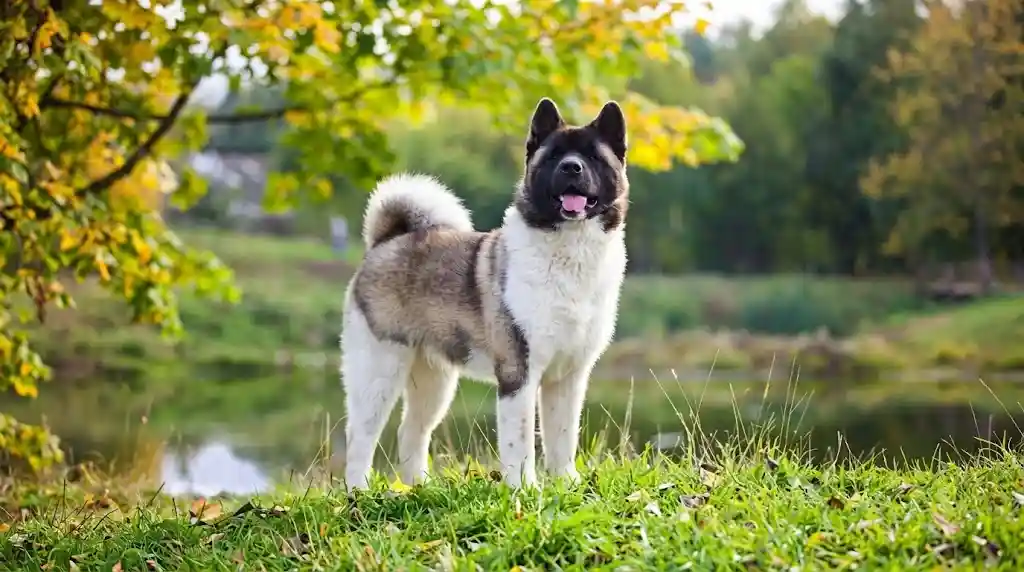
Certain dog breeds are naturally predisposed to excel as guard dogs due to their inherent protective instincts, physical prowess, and keen intelligence. These breeds, when properly trained and socialized, offer a formidable layer of security for homes and families. Choosing the right guard dog depends on your experience, lifestyle, and specific needs.
- German Shepherd: Widely recognized for their versatility, intelligence, and strong protective instincts, German Shepherds are a top choice for guard duties. They are highly trainable and form deep bonds with their families, making them excellent companions and protectors.
- Rottweiler: Powerful, confident, and with a natural guarding instinct, Rottweilers are fiercely loyal and territorial. Early socialization is crucial to ensure they understand what truly warrants protection.
- Doberman Pinscher: Sleek, fast, and incredibly intelligent, the Doberman is known for its fearlessness and alertness. They are devoted to their families and excel in protection work with consistent training.
- Bullmastiff: Bred specifically to guard estates, Bullmastiffs are a powerful and courageous breed. They combine strength with a calm demeanor, offering a deterrent presence and a loyal protective nature.
- Cane Corso: These mighty Italian mastiffs are calm, deeply observant, and highly protective of their families. They respond well to gentle guidance and consistent training, making them formidable yet controlled guardians.
- Akita: Known for their loyalty and dignified presence, Akitas possess strong guarding instincts. They are powerful and require experienced ownership and consistent training.
- Giant Schnauzer: Intelligent, dominant, and territorial, Giant Schnauzers are excellent watchdogs and can be formidable protectors. Their strong will requires dedicated training and an assertive owner.
- Belgian Malinois: Often used in police and military roles, the Belgian Malinois is an elite protection dog. They are intense, demanding, and require significant physical and mental stimulation, making them suitable for experienced handlers.
Guardian vs. Guard Dog: Understanding the Nuance
While often used interchangeably, there is a subtle but important distinction between a guard dog and a “guardian dog” (or livestock guardian dog, LGD). Both roles involve protection, but their primary focus and methods differ. Understanding this difference is essential when selecting a guard dog for your specific needs.
| Feature | Guard Dog | Guardian Dog (Livestock Guardian Dog) |
|---|---|---|
| Primary Role | Protects people and property (e.g., home) from human intruders. | Protects livestock (sheep, goats, cattle) from predators (wolves, bears, coyotes). |
| Training Focus | Alerts to human threats, can deter or apprehend intruders. Often trained for obedience and controlled aggression. | Instinctively bonds with livestock, patrols perimeters, uses barking and presence to deter predators. Training emphasizes independence. |
| Temperament | Loyal, fearless, strong, watchful, responsive to handler. Can be assertive towards strangers. | Independent, watchful, calm, protective, gentle with livestock. Often wary of strangers but not aggressive unless threatened. |
| Interaction with Humans | Family-oriented, enjoys human companionship. | Bonds strongly with livestock, may be aloof or independent with humans, though loyal to their human family. |
| Examples | German Shepherd, Rottweiler, Doberman Pinscher, Bullmastiff, Cane Corso. | Great Pyrenees, Anatolian Shepherd Dog, Komondor, Akbash, Maremma Sheepdog. |
Guard dogs , like German Shepherds or Rottweilers, are typically integrated into the family and trained to protect people and their immediate property. Their effectiveness relies on their intelligence, trainability, and willingness to respond to commands from their owners.
Guardian dogs, particularly Livestock Guardian Dogs (LGDs) such as the Great Pyrenees or Anatolian Shepherd Dog, are bred to live with livestock and protect them from predators. These dogs develop strong bonds with their charges and often work independently, using their presence, bark, and imposing size to deter threats. They are typically calmer and more independent, with their protective instincts geared towards their flock rather than solely their human family. An Anatolian Shepherd Dog, for example, is a rugged and imposing flock guardian of ancient lineage.
The Rise of Mixed-Breed Guard Dogs: Blending Traits for the Best Protection
While purebred dogs have predictable traits, mixed breeds are gaining recognition, even for roles like guarding. The concept of “designer dogs” or intentional crosses, along with accidental mixes, can sometimes produce excellent guard dogs that combine desirable traits from multiple breeds. Mixed-breed guard dogs can offer the best of both worlds.
- Hybrid Vigor: Mixed breeds often benefit from “hybrid vigor,” meaning they can be healthier and more robust than many purebreds due to a broader genetic pool. This can lead to fewer inherited health issues.
- Combination of Desirable Traits: A mixed breed might inherit the intelligence of a German Shepherd, the loyalty of a Rottweiler, and the watchful nature of a Great Pyrenees. This blend can create a highly effective and well-rounded guard dog . For instance, a German Shepherd-Rottweiler mix could combine the trainability and alertness of the former with the raw power and territoriality of the latter.
- Unique Temperaments: Each mixed-breed dog is unique, and their temperament can be a fascinating blend of their parent breeds. This means that while there’s less predictability than with purebreds, there’s also the potential for a dog with a particularly well-suited disposition for guarding.
Considerations: The primary challenge with mixed breeds is the unpredictability of their traits. A puppy might inherit less desirable characteristics or a temperament that isn’t ideal for guarding. Thorough research into the parent breeds and, if possible, observing the temperament of the parents and littermates is crucial. Early and consistent socialization and training are even more vital for mixed breeds to ensure their protective instincts are channeled appropriately. For related tips on managing behavior, you might also want to read our piece on how to stop excessive dog barking .
Many rescue organizations have dogs that, despite being mixes, possess strong protective instincts and could make excellent guard dogs for the right family after proper assessment. This often provides a more affordable and equally rewarding option compared to purchasing expensive purebreds. For foundational training advice that can help build trust, you might find our guide on easy commands every puppy should learn very useful.
Responsible Ownership: Training and Care for Protective Breeds
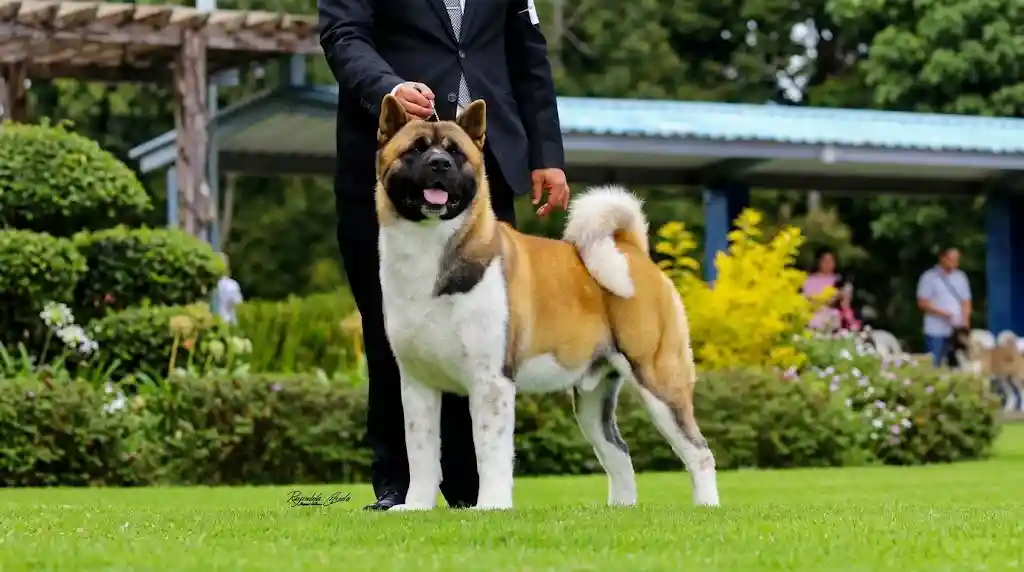
Regardless of whether one chooses an expensive purebred, a dedicated guard dog , a traditional guardian breed, or a mixed breed, responsible ownership is paramount, especially when dealing with powerful and protective animals. These dogs require significant commitment in terms of training, socialization, and ongoing care. Owning a guard dog is a serious responsibility.
- Early Socialization: Exposing puppies to a wide variety of people, places, sounds, and other animals from a young age is critical. This helps them develop into well-adjusted adults who can distinguish between normal situations and genuine threats, preventing unnecessary aggression or fear.
- Consistent Training: Obedience training is non-negotiable. Guard dogs and guardian breeds need to understand and consistently respond to commands. This establishes the owner as the leader and ensures the dog’s protective instincts remain under control. Professional training can be highly beneficial for these breeds.
- Physical and Mental Stimulation: Many guard dogs and guardian breeds are high-energy working dogs. They require ample daily exercise and mental challenges to prevent boredom and destructive behaviors. This could include long walks, runs, interactive games, or dog sports.
- Veterinary Care and Nutrition: Large and often expensive breeds can have significant veterinary costs due to their size and potential breed-specific health issues. Regular vet check-ups, appropriate vaccinations, and high-quality nutrition are essential for their well-being. If your dog is excessively itchy, check out our article on why is my dog itching so much for more insights. For more information on skin conditions, our article on dog allergy understanding and managing provides comprehensive information. You can also learn more about dog skin infection a comprehensive guide for deeper understanding of skin health.
- Legal and Ethical Considerations: Owners must be aware of local regulations regarding dog breeds, especially those considered “dangerous” or “protective.” Furthermore, responsible ownership means never training a dog for unprovoked aggression or using them to intimidate others. The goal is always controlled protection and a safe environment for both the dog and the community. For more information on responsible dog ownership, resources like the American Kennel Club’s guidelines on responsible breeding practices offer valuable insights. For more help finding professional services, our guide on pet groomers near me can help you find the right support. If you’re just starting out, our dog grooming checklist for first-time owners is a great resource to ensure you have everything you need. You may also find our comprehensive dog grooming tips a comprehensive guide helpful for additional information. To ensure you’re using the best products, see our recommendations for the best dog shampoo for itchy skin . For a more detailed approach to dental care, you can read our complete guide on dog dental care at home . You can also explore dog grooming near me finding the perfect for more options.
Conclusion
The world of dog breeds is fascinating and diverse, offering a loyal companion for every lifestyle and need. Whether captivated by the prestige of expensive dog breeds, seeking the steadfast vigilance of guard dogs , or appreciating the independent spirit of guardian breeds, understanding their unique characteristics is key. Mixed breeds also present compelling options, often combining the best of different worlds with added hybrid vigor. Ultimately, the decision to bring any dog into one’s life, especially those with strong protective instincts like guard dogs , comes with a profound responsibility. Through dedicated training, early socialization, and consistent care, these remarkable canines can thrive as cherished family members and effective protectors, enriching our lives in countless ways. Whether you choose a purebred guard dog or a mixed-breed protector, the commitment to responsible ownership is the key to a successful and rewarding relationship.
