Dog Breeds: 5 Amazing Non-Shedding, White & AKC-Recognized Varieties
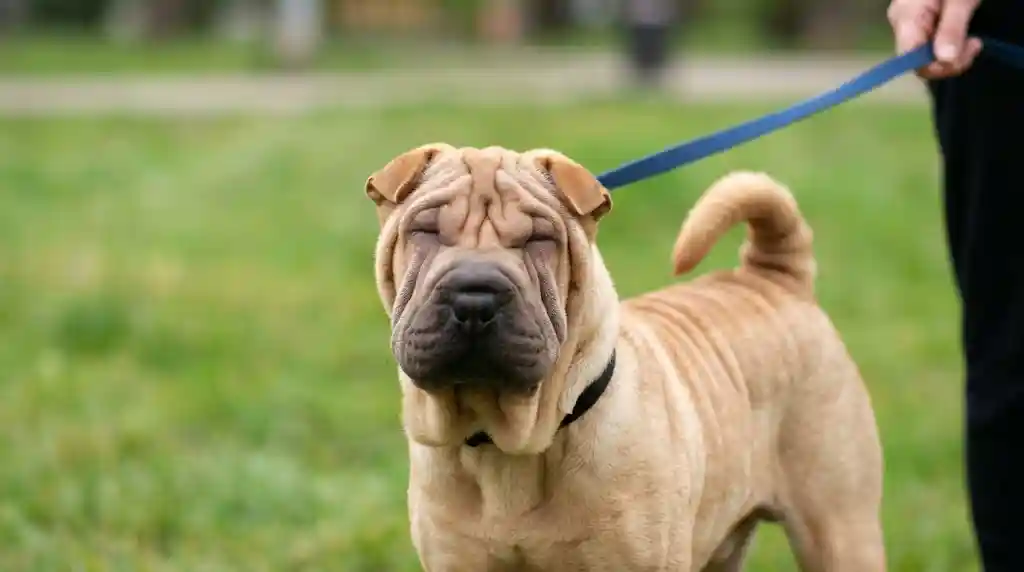
Dog breeds encompass an astonishing array of sizes, temperaments, appearances, and care requirements, making the choice of a canine companion a deeply personal and often complex decision. From those seeking minimal shedding to individuals drawn to specific coat colors, or those interested in pedigrees recognized by esteemed organizations like the American Kennel Club (AKC), or dog breeds with ancient Chinese origins , understanding the diverse world of dogs is key. This comprehensive guide delves into these specific categories of dog breeds , offering insights to help prospective owners navigate the options and find a furry friend that perfectly aligns with their lifestyle and preferences. Every category of dog breeds offers something unique.
Dog Breeds That Don’t Shed: A Haven for Allergy Sufferers
For many individuals, the phrase “dog breeds no shedding” or “dog breeds non shedding” is often a search driven by the desire for a companion that minimizes allergic reactions or reduces the amount of loose fur around the home. While no dog is truly 100% hypoallergenic—as all dogs produce dander, saliva, and urine, which contain allergens—some dog breeds shed significantly less than others, making them more suitable for allergy sufferers. These low-shedding dog breeds typically have coats that continuously grow, much like human hair, and require regular grooming to prevent matting rather than to control shedding.
Among the most well-known non-shedding dog breeds is the Poodle. Available in Standard, Miniature, and Toy varieties, Poodles are celebrated for their intelligence, trainability, and their distinctive curly coats. Their tight curls trap loose hair, making them excellent choices for those concerned about shedding. However, this also means they require consistent professional grooming or diligent home care to keep their coats healthy and free of tangles.
The Bichon Frise is another popular choice for allergy sufferers. These small, cheerful dogs boast a soft, curly white coat that, while requiring daily brushing to prevent matting, sheds minimally. Bichons are known for their playful and affectionate personalities, making them charming companions.
The Maltese, with its long, silky white coat, is a dainty yet resilient breed that sheds very little. Despite their elegant appearance, Maltese dogs are often described as gentle, affectionate, and adaptable, fitting well into various living situations. Their beautiful coats need frequent brushing to prevent tangles and regular professional grooming to maintain their pristine look.
Other notable low-shedding dog breeds include the Shih Tzu, a breed with a flowing double coat that requires daily brushing; the Portuguese Water Dog, an energetic and intelligent breed with a thick, curly, waterproof coat that sheds minimally; and various terriers such as the Miniature Schnauzer and the Soft Coated Wheaten Terrier, all of which possess wiry or silky coats that shed less but demand regular grooming. The Basenji, often called the “barkless dog,” is also known for its short, fine coat that sheds infrequently and is relatively low-maintenance.
It’s important to remember that while these dog breeds may be suitable for some individuals with mild allergies, those with severe allergies should spend time with a specific breed before committing, as individual reactions can vary. Regular grooming, including brushing and professional trims, is crucial for all low-shedding dog breeds to manage their coat health. For more help finding professional services, our guide on pet groomers near me can help you find the right support.
The Allure of White Dog Breeds: Purity and Charm
The striking beauty and often pristine appearance of “dog breeds white” make them highly sought after. A white coat can symbolize purity, elegance, and a touch of magic, drawing admirers worldwide. Many white-coated dog breeds also come with unique histories and temperaments that further enhance their appeal.
The Samoyed is perhaps one of the most iconic white dog breeds , instantly recognizable by its dazzling white, thick double coat and characteristic “Sammy smile.” Originating from Siberia, where they were bred to herd reindeer and pull sleds, Samoyeds are known for their friendly, gentle, and sociable nature. Their profuse coat is weather-resistant and requires regular brushing to prevent matting and minimize shedding, which they do quite a bit of, especially during shedding season.
Another beloved white breed is the West Highland White Terrier, or “Westie.” These small, sturdy dogs hail from Scotland and are famous for their dense, harsh white coats, which historically helped hunters distinguish them from their prey. Westies are alert, curious, intelligent, and possess a confident, sometimes stubborn, terrier personality. Their coats need clipping or hand stripping to remove dead undercoat and maintain their distinctive look.
The Bichon Frise and Maltese, mentioned previously for their low-shedding qualities, are also prominent white dog breeds . Their fluffy, predominantly white coats are central to their charming appearance.
Other notable white dog breeds include the Great Pyrenees, a majestic guardian dog with a long, shaggy white coat, known for its mild temperament and affectionate nature, though it can be stubborn. The American Eskimo Dog, often mistaken for a small Samoyed, comes in three sizes (toy, miniature, and standard) and boasts a gleaming white double coat, a fox-like face, and a plumed tail. These dogs are known for being sociable, intelligent, and quick learners. The Japanese Spitz is another fluffy white dog with a curled tail, often confused with the American Eskimo Dog due to its similar appearance and intelligent, outgoing personality.
Maintaining a white coat often requires dedicated grooming to keep it bright and free from stains. Regular bathing, special shampoos, and careful attention to diet can help preserve their pristine appearance. To ensure you’re using the best products, see our recommendations for the best dog shampoo for itchy skin .
American Kennel Club (AKC) Recognized Dog Breeds: A Mark of Purity and Standard
The American Kennel Club (AKC) is a prestigious organization dedicated to the advancement of purebred dogs. Established in 1884, the AKC maintains a registry of purebred dog pedigrees in the United States, sanctions dog shows, and promotes responsible dog ownership. “Dog breeds American Kennel Club” recognition signifies that a breed meets established standards, including appearance, temperament, and health. The AKC organizes its over 200 recognized dog breeds into seven distinct groups, based on their historical purpose or shared characteristics.
The seven AKC groups are:
- Sporting Group: These dogs were bred to assist hunters in retrieving game. They are typically active and alert, requiring regular exercise. Examples include the Labrador Retriever, Golden Retriever, and Cocker Spaniel.
- Hound Group: Hounds were developed to hunt using scent or sight. This group includes breeds like Beagles (scent hounds) and Greyhounds (sighthounds), known for their keen senses and stamina.
- Working Group: Working dogs were bred for tasks such as guarding property, pulling sleds, and performing rescue missions. They are often strong, intelligent, and courageous. Breeds include the Akita, Boxer, Great Dane, and Siberian Husky.
- Terrier Group: Terriers were originally bred to hunt vermin and typically have spirited and determined personalities. The West Highland White Terrier and Miniature Schnauzer are examples from this group.
- Toy Group: These small dogs were primarily bred for companionship and often thrive in urban environments. Breeds like the Chihuahua, Pug, Shih Tzu, and Maltese belong to this group. Many toy breeds also overlap with the non-shedding and white coat categories.
- Non-Sporting Group: This diverse group includes breeds that don’t fit neatly into other categories, often with varied histories and appearances. Examples include the Bulldog, Chow Chow, and Poodle.
- Herding Group: Herding dogs were developed to gather and control livestock. They are highly intelligent and often possess a strong instinct to herd. The German Shepherd Dog and Border Collie are prominent members.
AKC recognition provides a framework for breed standards, guiding breeders in maintaining the integrity and health of each breed. For prospective owners, understanding a dog’s AKC group can offer valuable insights into its inherent traits, energy levels, and potential needs, helping to match a dog to their lifestyle.
Tracing the Roots: A Look at Distinguished Chinese Dog Breeds
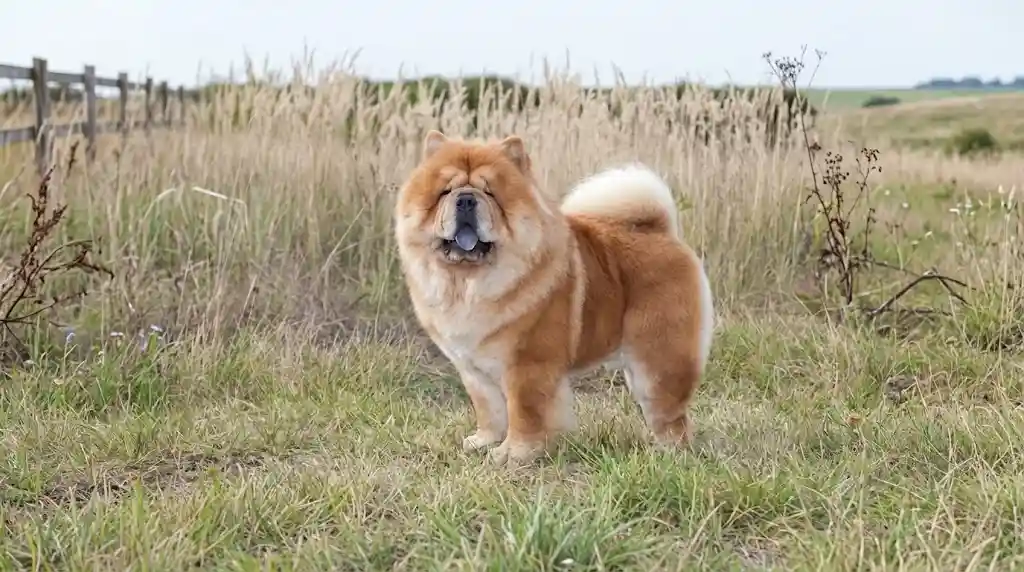
China boasts one of the oldest and richest traditions of dog breeding in the world, with many dog breeds having served in imperial courts or as versatile working companions for centuries. “Dog breeds Chinese” are often characterized by unique physical traits and distinct temperaments, reflecting their long history and specific roles within Chinese society. The Chinese origins of these breeds are a source of national pride.
The Pug is a beloved Chinese breed known for its distinctive wrinkled face, short muzzle, and charming, playful personality. Pugs were historically cherished companions of Chinese emperors and nobility, and their purpose was solely to entertain and be adored. Despite their compact size, Pugs are robust and good-natured, making them popular family pets. They have a short coat that sheds, but their easygoing temperament often makes up for it. The Chinese origins of the Pug are well-documented.
The Shih Tzu, whose name translates to “little lion,” is another ancient Chinese imperial dog, bred for over a thousand years for royal companionship. These small dogs are famous for their long, flowing double coats, which give them a regal appearance. Shih Tzus are affectionate, outgoing, and thrive on human interaction. While they shed minimally, their luxurious coats require daily grooming to prevent tangles and mats. The Chinese origins of the Shih Tzu are deeply rooted in Buddhist tradition.
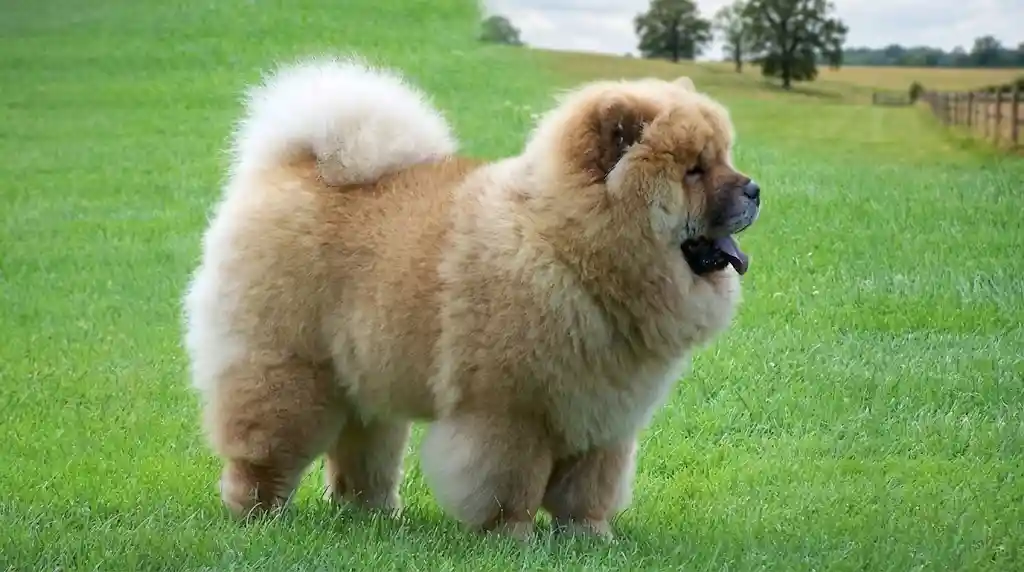
The majestic Chow Chow stands out with its lion-like mane, distinctive blue-black tongue, and often reserved, dignified demeanor. Originating in northern China, Chows were versatile working dogs used for guarding, hunting, and pulling. They have a thick double coat (either rough or smooth) that requires regular grooming. Chows are known for their loyalty to their families but can be aloof with strangers, making early socialization important. The Chinese origins of the Chow Chow date back over 2,000 years.
The Pekingese, like the Pug and Shih Tzu, was a cherished companion of Chinese royalty, particularly during the Tang Dynasty. These small, sturdy dogs are characterized by their flat faces, large eyes, and abundant “lion’s mane” ruff around their necks. Pekingese are confident, courageous, and fiercely loyal to their owners, though they can be independent and sometimes stubborn. Their long, silky double coat necessitates daily brushing. The Chinese origins of the Pekingese span millennia.
The Chinese Shar-Pei is instantly recognizable by its deeply wrinkled skin and blue-black tongue. Historically, Shar-Peis were farm dogs, hunters, and guardians in ancient China. They possess an independent and loyal temperament, often forming strong bonds with their families while being wary of strangers. Their unique skin requires careful attention to prevent skin issues. The Chinese origins of the Shar-Pei are undisputed.
Other Chinese dog breeds include the Lhasa Apso, an ancient Tibetan monastery dog known for its long, heavy coat, and the exotic Chinese Crested, which comes in both hairless and “powderpuff” varieties. These dog breeds offer a glimpse into China’s rich canine heritage and provide a diverse range of choices for dog enthusiasts.
| Dog Breed | Origin | Shedding Level | Typical Coat Colors | Temperament Highlights | AKC Group |
|---|---|---|---|---|---|
| Poodle (Standard, Miniature, Toy) | Germany/France | Low/Minimal | Black, White, Apricot, Cream, Silver, Brown, etc. | Intelligent, Active, Eager to Please | Non-Sporting |
| Bichon Frise | Mediterranean | Low/Minimal | White (can have cream/apricot shadings) | Cheerful, Playful, Affectionate | Non-Sporting |
| Maltese | Central Mediterranean Basin | Low/Minimal | White | Gentle, Loving, Adaptable | Toy |
| Samoyed | Siberia | High (seasonal) | White, Cream, Biscuit | Friendly, Gentle, Sociable, Independent | Working |
| West Highland White Terrier | Scotland | Low/Moderate | White | Alert, Curious, Confident, Stubborn | Terrier |
| Pug | China | Moderate/High | Fawn, Black, Apricot, Silver Fawn | Charming, Mischievous, Affectionate | Toy |
| Shih Tzu | Tibet/China | Low/Minimal | Various colors and patterns | Outgoing, Affectionate, Imperial | Toy |
| Chow Chow | China | Moderate/High | Red, Black, Blue, Cinnamon, Cream | Dignified, Aloof, Loyal, Independent | Non-Sporting |
| Pekingese | China | Moderate | Various colors and patterns | Regal, Brave, Affectionate, Stubborn | Toy |
Choosing the Right Canine Companion: Beyond Aesthetics and Shedding
While the allure of a non-shedding coat or a specific color like white, or the prestige of AKC recognition, or the exotic appeal of a Chinese breed, can be strong factors in choosing among dog breeds , a responsible decision requires looking beyond these initial attractions. Many other critical factors should influence your choice to ensure a happy and healthy life for both you and your pet.
Lifestyle Compatibility: Consider your daily routine, activity level, and living situation. An energetic breed like a Portuguese Water Dog or a Samoyed requires significant daily exercise and mental stimulation to thrive. In contrast, a more sedate breed like a Pug or a Pekingese might be content with shorter walks and indoor playtime, making them suitable for apartment living. Do you have a large yard or live in a smaller space? Will your dog be able to accompany you on adventures, or will it need to be comfortable at home for periods?
Temperament and Training Needs: Each of these dog breeds possesses a general temperament, though individual personalities vary. Some breeds, like the Bichon Frise, are known for their cheerful and outgoing nature, eager to please and easily trained. Others, such as the Chow Chow or West Highland White Terrier, can be more independent and stubborn, requiring consistent training and early socialization to ensure they develop into well-adjusted companions. If you are a first-time dog owner, some dog breeds might be a more manageable choice than others that require extensive experience. For foundational training advice that can help build trust, you might find our guide on easy commands every puppy should learn very useful.
Grooming Commitment: Even low-shedding dog breeds require substantial grooming. A Poodle’s curly coat needs regular clipping, while a Maltese’s long, silky hair needs daily brushing to prevent tangles. Breeds like the Samoyed, despite shedding, have a thick double coat that needs frequent brushing, especially during shedding seasons. Be honest about the time and resources you can dedicate to grooming, or the budget for professional groomers. You may also find our comprehensive dog grooming tips a comprehensive guide helpful for additional information.
Health Considerations: Research common health issues associated with specific dog breeds . Purebred dogs, while having predictable traits, can be prone to certain genetic conditions. For instance, brachycephalic (flat-faced) breeds like Pugs and Pekingese can be susceptible to respiratory issues. Understanding these potential challenges allows you to be prepared for veterinary care and to choose a puppy from a reputable breeder who screens for genetic diseases. For further information on general dog health and responsible ownership, a reliable resource like Wikipedia’s article on dog health can provide valuable insights. For more information on skin conditions that can affect any of these dog breeds , our article on dog allergy understanding and managing provides comprehensive information. If your dog is excessively itchy, check out our article on why is my dog itching so much for more insights. You can also learn more about dog skin infection a comprehensive guide for deeper understanding of skin health.
Family Dynamics: If you have children or other pets, consider how a new dog will fit into the existing family structure. Some dog breeds are known for being particularly good with children and other animals, while others may require more careful introduction and supervision. For related tips on managing behavior, you might also want to read our piece on how to stop excessive dog barking . If you’re just starting out, our dog grooming checklist for first-time owners is a great resource to ensure you have everything you need. For a more detailed approach to dental care, you can read our complete guide on dog dental care at home . You can also explore dog grooming near me finding the perfect for more options.
Responsible Pet Ownership: Care and Maintenance Tips for Diverse Dog Breeds
Responsible pet ownership extends beyond choosing the right breed; it encompasses providing consistent care, training, and a loving environment throughout a dog’s life. The diverse characteristics of non-shedding, white, AKC-recognized, and Chinese dog breeds necessitate tailored approaches to their maintenance.
Grooming for Coat Health:
- Non-Shedding Breeds: Breeds like Poodles, Bichon Frise, and Maltese, with their continuously growing hair, require daily or every-other-day brushing to prevent matting and tangles. Professional grooming every 4-8 weeks is often necessary for clipping and shaping their coats. Consistent grooming is paramount, as neglecting these coats can lead to painful mats and skin problems.
- White Breeds: Maintaining the pristine white coat of breeds like Samoyeds, Westies, and Great Pyrenees involves regular bathing with whitening shampoos to prevent discoloration and staining, especially around the eyes and mouth. Regular brushing is also essential to remove loose hair and dirt. For Samoyeds, this is particularly important due to their thick double coat.
- Double-Coated Breeds (e.g., Samoyed, Chow Chow): These breeds possess a dense undercoat and a protective outer coat. While Samoyeds are heavy seasonal shedders, Chow Chows have dense coats that require regular brushing (daily for rough coats, 2-3 times a week for smooth coats) to prevent matting and manage shedding. Proper tools, such as de-shedding rakes and slicker brushes, are crucial for reaching the undercoat.
- Long-Coated Breeds (e.g., Shih Tzu, Pekingese): These breeds require daily brushing to keep their long hair free of tangles and debris. Many owners opt for shorter “puppy cuts” to reduce the intensity of grooming, but even then, regular brushing is still needed.
Nutrition: A balanced diet appropriate for your dog’s age, size, and activity level is fundamental. High-quality dog food, whether commercial or home-prepared under veterinary guidance, provides the necessary nutrients for overall health, coat condition, and energy. Avoid overfeeding to prevent obesity, a common issue that can lead to various health problems.
Exercise and Mental Stimulation: Exercise needs vary significantly among dog breeds . High-energy dogs like Samoyeds and Portuguese Water Dogs require several hours of physical activity daily, including walks, runs, and playtime, to prevent boredom and destructive behaviors. Even smaller breeds like Bichon Frise benefit from daily walks and interactive games. Mental stimulation through training, puzzle toys, and new experiences is equally important for intelligent dog breeds , preventing boredom and fostering good behavior.
Training and Socialization: Early socialization and consistent positive reinforcement training are vital for all dog breeds . This helps them become well-adjusted, confident companions. Breeds with independent or stubborn streaks, such as Chows or Westies, particularly benefit from patient and firm training from a young age. Crate training can be beneficial for housebreaking, especially for smaller breeds like Bichons, who sometimes have a reputation for being challenging to housebreak.
Veterinary Care: Regular veterinary check-ups, vaccinations, parasite prevention, and prompt attention to any health concerns are non-negotiable aspects of responsible ownership. Discuss breed-specific health predispositions with your vet to ensure proactive care. For example, flat-faced breeds like Pugs and Pekingese may need special attention to their breathing, especially in hot weather.
By understanding and committing to these care and maintenance practices, owners can ensure their diverse dog breeds lead long, happy, and healthy lives.
Conclusion: Finding Your Perfect Canine Match
The world of dog breeds offers an incredible spectrum of choices, each with its unique charm and demands. Whether your heart is set on a dog breed with no shedding to accommodate allergies, the pristine elegance of a white dog, the assurance of an American Kennel Club-recognized pedigree, or the fascinating history of a Chinese dog breed with Chinese origins , careful consideration is paramount. Beyond initial attractions like coat type or color, factors such as lifestyle, temperament, grooming commitment, and health predispositions play a crucial role in ensuring a harmonious relationship between pet and owner. By conducting thorough research and approaching the decision with responsibility, prospective dog owners can confidently select a canine companion from the vast array of dog breeds that will bring joy, love, and companionship for many years to come.
