10 Best Dog Breeds for Security: Powerful, Loyal, and Protective Dogs
Dog breeds Security represent a fascinating spectrum of canine diversity, each meticulously developed over centuries for specific purposes. From vigilant guardians and diligent herders to affectionate companions and agile hunters, the inherent traits of various dog breeds are a testament to the powerful bond and working relationship between humans and dogs. Understanding these breed-specific characteristics is paramount for prospective owners, breeders, and anyone interested in canine behavior and welfare. This comprehensive article delves into several distinct dog breed categories—security dogs, shepherds, spaniels, and spitz—and explores the crucial role of temperament and genetic testing in ensuring responsible ownership and breeding practices. Security ist ein zentrales Thema in der Welt der Hunderassen .
The Guardians: Understanding Security Dog Breeds
For millennia, dogs have stood as humanity’s first line of defense, evolving from wild scavengers at the fringes of human settlements to highly specialized protectors. The history of guard dogs traces back to ancient times, where large mastiff-type dogs, like the Molossus, were employed to guard livestock against predators and defend homes and military camps against intruders. These early guardians laid the groundwork for the formidable security breeds we recognize today.
Modern security dog breeds are characterized by a combination of physical prowess, keen senses, intelligence, and an innate protective instinct. They are bred not just to deter but also to, if necessary, confront threats to their charges or property. Key traits often include a strong physique, an imposing presence, alertness, courage, and a strong sense of loyalty to their human families. However, responsible ownership of such dog breeds demands extensive training and socialization to ensure their protective instincts are channeled appropriately and they are safe members of society. Für grundlegende Trainingsratschläge, die Vertrauen aufbauen können, könnte unser Leitfaden easy commands every puppy should learn sehr nützlich sein.
Prominent examples of security dog breeds include:
- German Shepherd Dog: Often dubbed the “bodyguard of the dog world,” German Shepherds are renowned for their intelligence, versatility, and unwavering loyalty. Originally bred for herding sheep in Germany, their capabilities quickly expanded to military, police, and search-and-rescue operations due to their fearless yet disciplined nature. They possess a remarkable ability to assess threats and act with precision, making them ideal for security work.
- Rottweiler: With roots tracing back to ancient Rome, Rottweilers historically herded livestock and guarded camps. Their muscular build and fearless demeanor made them excellent protectors. Despite their intimidating appearance, they are known to be incredibly loyal and affectionate with their families, acting as both fierce guardians and loving companions.
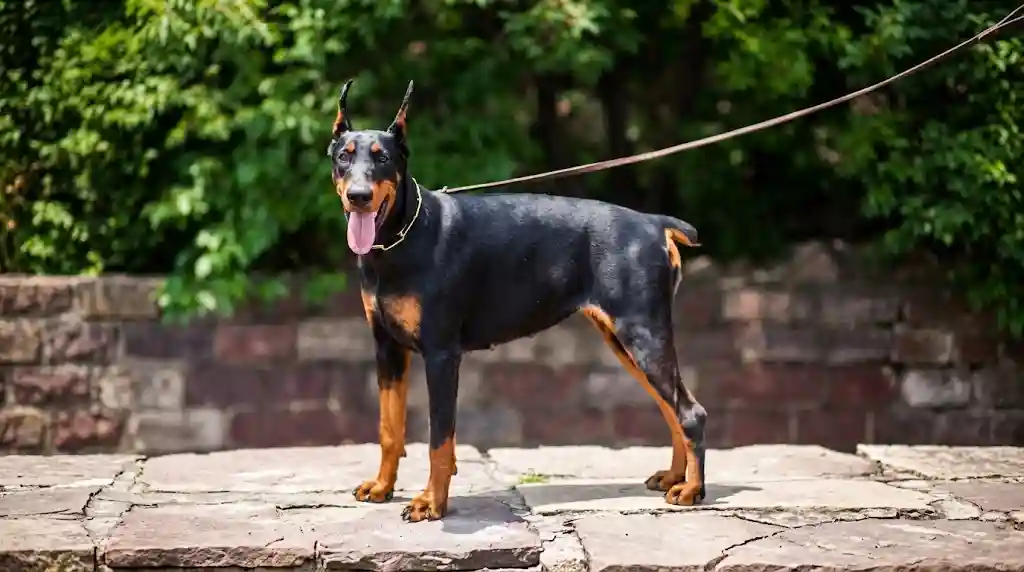
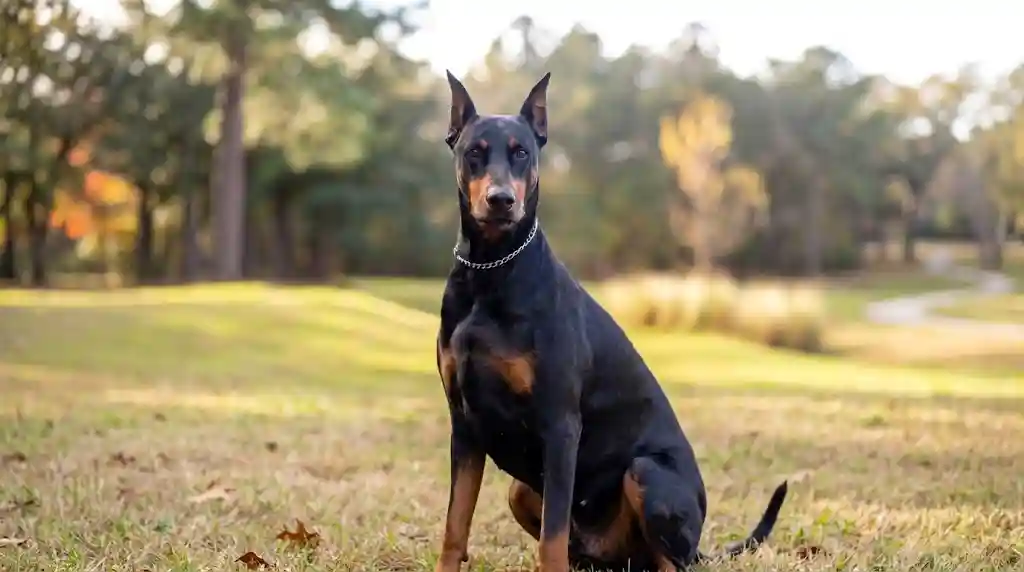
- Doberman Pinscher: Sleek, fast, and highly alert, the Doberman Pinscher is often associated with high-level protection. Developed in Germany in the late 19th century, they were bred to be personal protectors. Their intelligence, strength, and quick reflexes make them formidable guard dogs, though they also require consistent training and a firm, loving hand.
- Mastiff Breeds (e.g., Bullmastiff, Cane Corso): Descendants of ancient Molossian dogs, these dog breeds are characterized by their massive size, strength, and protective instincts. They are often calm and watchful but can be incredibly powerful deterrents and protectors when needed.
The role of a security dog is demanding, requiring not just physical attributes but also a stable temperament and rigorous training. Owners must be committed to providing consistent guidance and socialization to ensure these powerful dog breeds fulfill their potential as protectors without becoming a danger. Security erfordert Verantwortung.
The Workers: Exploring Shepherd Dog Breeds
Shepherd dog breeds , also known as herding dogs, are a group of canines developed to manage and move livestock. Their intelligence, agility, and strong work ethic make them indispensable on farms and ranches worldwide. The fundamental role of a shepherd dog is to gather, herd, and protect animals, often with minimal human direction, showcasing their remarkable problem-solving abilities and instinctive behaviors.
These dog breeds typically exhibit traits such as keen observation, quick responsiveness, and a natural “herding eye”—an intense gaze used to control livestock. They are highly trainable and thrive on having a job to do, making them excellent candidates for various dog sports and working roles beyond traditional herding, including assistance work, search and rescue, and competitive obedience. Im Gegensatz zu reinen security -Rassen sind diese Hunderassen für die Arbeit mit Tieren gezüchtet.
Some of the most recognized shepherd dog breeds include:
- Border Collie: Frequently lauded as the ultimate herding dog, Border Collies are renowned for their exceptional intelligence, intense focus, and unparalleled agility. Originating from Great Britain, they excel at moving sheep and thrive in environments where they can be mentally and physically challenged, such as agility competitions.
- German Shepherd Dog: While also excelling as security dogs, German Shepherds were originally bred for herding and guarding sheep in Germany. Their intelligence, trainability, and protective nature make them highly adaptable to both roles.
- Australian Shepherd: Despite their name, Australian Shepherds were developed in the western United States. They are intelligent, energetic, and highly versatile dog breeds , prized for their herding abilities, keen minds, and striking appearance. They require significant mental and physical stimulation to prevent boredom.
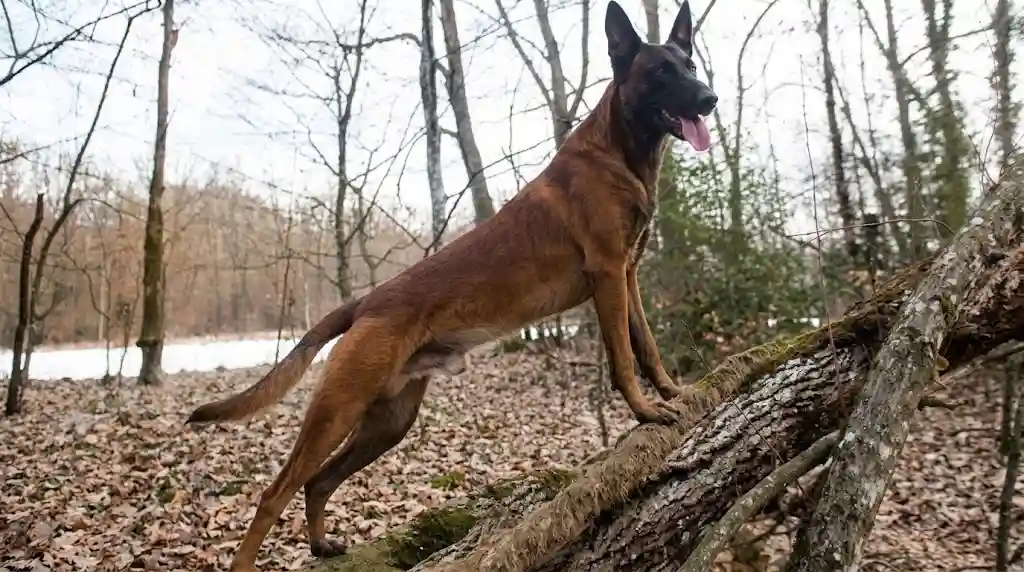
- Belgian Malinois: Often confused with German Shepherds due to similar coloration, Belgian Malinois are distinct for their intense drive, agility, and powerful working ability. They are frequently utilized by military and police forces for their exceptional intelligence and work ethic, often in security roles.
- Anatolian Shepherd Dog: These powerful and protective dog breeds are very loyal to their families and traditionally used for guarding livestock against predators. They are large, independent thinkers with a strong protective instinct, ideal for security auf dem Land.
Shepherd dog breeds require active households that can provide ample exercise, mental engagement, and consistent training to channel their boundless energy and intelligence constructively. Without a “job,” these dog breeds can become bored and develop undesirable behaviors. Für verwandte Tipps zum Umgang mit Verhalten lesen Sie vielleicht auch unseren Beitrag über how to stop excessive dog barking .
The Companions and Hunters: Delving into Spaniel Dog Breeds
Spaniels are a diverse and beloved group of dog breeds with a rich history dating back centuries. Their name is thought to originate from “Espagnol,” suggesting Spanish roots, though their development spans various European regions. Traditionally, spaniels were primarily bred as “gundogs” to assist hunters by flushing game out of dense brush and retrieving fowl. Today, while many still excel in sporting roles, they are equally cherished as affectionate and lively family companions. Im Gegensatz zu security -Rassen sind Spaniels oft reine Begleithunde.
Spaniels share several characteristic traits that make them popular pets. They are typically known for their intelligence, eagerness to please, and boundless energy, coupled with a gentle and loving disposition. Physically, many spaniels are recognized by their long, pendulous, heavily feathered ears, expressive “soulful” eyes, and soft, silky coats that often require regular grooming. Their coats, which can be wavy or curly, originally served to protect them from thorns and undergrowth during hunts.
Popular spaniel dog breeds include:
- Cocker Spaniel: Known for their luxurious coats and soulful eyes, Cocker Spaniels are both beautiful and affectionate. They are adaptable companions, suitable for families and individuals alike, with a playful and gentle nature that makes them a joy to train and live with.
- Cavalier King Charles Spaniel: The epitome of a lap dog, Cavaliers are smaller than other spaniels, typically weighing 13-18 pounds. They are celebrated for their sweet disposition, loving nature, and ability to adapt their lifestyle to their human companions. They generally get along well with children and other animals.
- English Springer Spaniel: Larger and more robust than some other spaniels, English Springer Spaniels are highly energetic and require substantial physical activity and mental challenges daily. Their intelligence makes training rewarding, and they excel in dog sports.
- Brittany Spaniel: Taller and longer-legged than many spaniels, Brittanys are highly capable field dogs, known for their gentle nature and versatility in hunting various game birds.
While spaniels are generally healthy, their long, floppy ears can be prone to ear infections, necessitating regular cleaning. Some dog breeds , like Cocker and Springer Spaniels, may also be at risk for hip dysplasia, progressive retinal atrophy (PRA), and heart conditions.
| Breed Group / Category | Primary Historical Role | Key Temperament Traits | Distinguishing Physical Characteristics |
|---|---|---|---|
| Security Dogs | Guard property, livestock, and people | Alert, courageous, loyal, protective, often reserved with strangers | Strong build, imposing presence, powerful jaws, often short coats |
| Shepherd Dogs | Herd and protect livestock | Intelligent, highly trainable, energetic, strong work ethic, keen observation | Agile, medium to large size, often double coats, athletic build |
| Spaniel Dogs | Flush and retrieve game; companionship | Affectionate, intelligent, lively, eager to please, gentle nature | Long, floppy, feathered ears; soft, silky coats; expressive eyes |
| Spitz Dogs | Sled pulling, hunting, guarding, companionship in cold climates | Loyal, affectionate, independent, bold, sometimes stubborn, alert | Fox-like head, pointed ears, dense double coat, tail curled over back |
The Resilient Northerners: Unveiling Spitz Dog Breeds
Spitz dogs comprise a fascinating group of northern dog breeds , instantly recognizable by their distinctive physical traits and often ancient origins. The term “spitz” itself is German for “pointed,” a clear reference to the characteristic pointed ears and muzzles common to these dog breeds . This broad ancestral and physical type, rather than a single working category, unites dogs that developed independently across isolated northern regions from Siberia to Scandinavia to Japan.
These resilient canines are exceptionally well-suited to harsh northern climates, a testament to thousands of years of survival in some of the coldest environments on Earth. Their defining physical characteristics include a dense, double coat—an insulating, waterproof undercoat denser than the topcoat to trap warmth—a wedge-shaped, fox-like head, small, erect, pointed ears (which reduce the risk of frostbite), almond-shaped eyes, and a tail that curves or curls tightly over their backs. Even the well-furred bottoms of their feet provide protection from sharp ice.
Temperamentally, spitz dog breeds are often described as loyal, intelligent, and affectionate, yet they can also be independent, bold, and sometimes stubborn. Many were bred to work or survive with minimal human direction, leading to their independent nature. While some of the larger dog breeds can be boisterous, most are gentle and trustworthy, though some may be suspicious of strangers. Many retain a strong instinct to bark at anything unfamiliar, making them effective watchdogs and providing a natural form of security .
The spitz family is incredibly diverse, with between 50 and 70 distinct dog breeds , though the American Kennel Club (AKC) officially recognizes fewer. Iconic spitz dog breeds include:
- Akita: A muscular, imposing large dog breed from Japan, historically bred for hunting big game. Akitas are known for being courageous protectors with a strong work ethic. They often retain wolf-like characteristics such as independence and suspiciousness towards unfamiliar humans and dogs.
- Siberian Husky: Widely regarded as the ultimate sled dog, Siberian Huskies are known for their exceptional endurance, friendly, outgoing nature, and playful disposition. They are sociable but have a strong predatory instinct and can be escape artists if bored.
- Pomeranian: A tiny, fluffy companion dog breed that was originally a much larger spitz breed before being bred down in size. Pomeranians are known for their lively and affectionate nature despite their small stature.
- Samoyed: Famous for their “Samoyed smile” and thick white coats, Samoyeds are gentle, friendly, and devoted dogs originally used for herding reindeer and pulling sleds.
- Shiba Inu: A small, agile Japanese dog breed known for its spirited personality and often described as “fox-like.” Shibas are loyal but can be independent.
- Alaskan Malamute: A powerful and large spitz dog breed , bred to pull heavy sleds over long distances in arctic conditions. Malamutes are affectionate but require significant exercise and a firm handler.
- Chow Chow: Instantly recognizable by its lion’s-mane ruff and blue-black tongue, the Chow Chow is known for being clean, calm, and loyal, though often aloof and stubborn.
- Finnish Spitz: A small, fox-like hunter from Finland, excellent as a watchdog, known for bonding strongly with its family.
- Keeshond: Originally bred as watchdogs for barges, Keeshonds are affectionate, loyal, and energetic companion animals.
Owners considering a spitz dog breed must be prepared for their grooming needs due to their thick coats and should be ready to provide the necessary training and socialization to manage their independent and sometimes vocal nature. Für weitere Hilfe bei der Suche nach professionellen Dienstleistungen kann unser Leitfaden pet groomers near me Ihnen helfen, die richtige Unterstützung zu finden.
Assessing Canine Character: The Role of Dog Temperament Tests
Beyond physical appearance and historical roles, a dog’s temperament is a critical factor in determining its suitability as a pet, working animal, or breeding stock. Dog temperament tests are designed to evaluate a dog’s inherent behavioral characteristics, providing insights into their stability, friendliness, and reactions to various stimuli. These tests are invaluable tools for prospective owners seeking a compatible companion and for breeders aiming to produce well-adjusted offspring. Besonders für security -Rassen sind diese Tests entscheidend.
One of the most recognized organizations conducting such evaluations is the American Temperament Test Society (ATTS). Since 1977, the ATTS has been administering temperament tests to various dog breeds , measuring aspects like “stability, shyness, aggressiveness, and friendliness, as well as the dog’s instinct for protectiveness towards its handler and/or self-preservation in the face of a threat”.
The ATTS test typically simulates a walk through a park or neighborhood, exposing the dog and its handler to a range of everyday situations and stimuli. These include visual distractions (like an umbrella suddenly opening), auditory surprises (such as gunshots or hidden noises), and tactile experiences (walking on different surfaces). The test also assesses the dog’s behavior toward friendly, neutral, and ostensibly hostile strangers. A dog fails the test if it exhibits unprovoked aggression, panic without recovery, or intense fear and avoidance. It’s important to note that the ATTS test does not evaluate dog-on-dog aggression.
Temperament tests are beneficial for several reasons:
- Informed Selection: For potential owners, understanding a dog breed ‘s general temperament, and ideally, an individual dog’s temperament, helps in choosing a dog that fits their lifestyle and family dynamics.
- Responsible Breeding: Breeders can use temperament testing to select breeding stock that demonstrates desirable behavioral traits, thereby promoting stable and well-adjusted puppies.
- Early Identification: For puppies, early temperament evaluations can help identify potential behavioral issues, allowing for early intervention and training to mitigate problems.
- Public Safety: By promoting stable temperaments, these tests contribute to the overall safety of the community and enhance the reputation of various dog breeds , especially those used for security .
While a test result doesn’t guarantee future behavior, as environmental factors and training also play a significant role, it provides a valuable baseline. Dog breeds that have historically shown high passing rates in ATTS tests include the French Bulldog, Boerboel, Belgian Malinois, English Cocker Spaniel, and Labrador Retriever. Für weitere Informationen zu Hauterkrankungen bietet unser Artikel dog allergy understanding and managing umfassende Informationen.
Unlocking Genetic Secrets: Dog Breed DNA Testing
The advent of canine DNA testing has revolutionized our understanding of dog breeds , offering insights that were unimaginable just a few decades ago. These tests delve into a dog’s genetic makeup, providing valuable information for both owners and breeders concerning ancestry, potential health risks, and even behavioral predispositions.
Genetic testing for dogs involves analyzing a small tissue sample, typically collected via a cheek swab, or a blood sample which is considered the gold standard. Laboratories examine thousands of specific genetic markers across the dog’s genome. By comparing these markers to extensive reference databases of known dog breeds , companies like Embark and Wisdom Panel can provide a detailed breakdown of a dog’s breed mix, often with high accuracy.
The benefits of dog breed DNA testing are multifaceted:
- Breed Identification: For mixed-breed dogs, DNA tests can identify the predominant dog breeds in their ancestry, offering clues about their potential size, personality traits, and exercise needs. This can be particularly helpful for rescue organizations and adopters.
- Genetic Health Screening: Perhaps the most critical application, genetic testing can reveal a predisposition to over a hundred hereditary diseases common in specific dog breeds , such as hip dysplasia, epilepsy, progressive retinal atrophy, and drug sensitivities (e.g., MDR1 gene in herding dog breeds ). This information allows breeders to make informed decisions to prevent the transmission of these conditions to future generations and enables owners to work with their veterinarians on proactive healthcare plans.
- Parentage Verification: Genetic tests can establish paternity, which is crucial for breeders to confirm lineage and maintain accurate pedigrees, especially in cases of multi-sire litters or accidental breedings.
- Trait Information: Some tests can also predict physical traits like coat color or texture, which can be useful for breeders.
- Research Contribution: By collecting genetic data, these tests also contribute to larger research efforts aimed at advancing the prevention, detection, and treatment of serious canine health conditions for future generations.
While DNA tests are powerful tools, it’s important to understand their limitations. They are useful for understanding ancestry and genetic traits but are not definitive proof of breed purity as classified by registries, which rely on documented lineage. Also, a genetic predisposition to a disease does not guarantee that a dog will develop the condition, as environmental factors also play a role. For more detailed information on the nuances of canine genetic health, reputable sources such as university veterinary colleges offer valuable insights. You can learn more about canine genetic health and research by visiting the Cornell University College of Veterinary Medicine. Sie können auch mehr über dog skin infection a comprehensive guide für ein tieferes Verständnis der Hautgesundheit erfahren.
Choosing the Right Breed: A Holistic Approach
Selecting a dog breed , or a mixed breed with known lineage, requires a holistic approach that goes beyond aesthetic preferences. The information gleaned from understanding breed histories, specialized roles (like security or herding), and the insights provided by temperament and genetic testing are all crucial components of making a responsible and informed decision.
When considering a security breed, owners must be prepared for the significant commitment required for training, socialization, and management of a powerful animal. Shepherd dog breeds demand active lifestyles and mental engagement to thrive. Spaniels offer affectionate companionship but often come with grooming needs and a playful energy that requires an outlet. Spitz dog breeds , with their striking appearance, bring independence and resilience suited for owners who understand their unique temperamental and physical requirements.
Furthermore, leveraging temperament tests can help gauge an individual dog’s disposition, ensuring a better match for a family’s dynamics and experience level. Genetic testing offers a proactive measure for health, allowing owners to anticipate potential breed-specific conditions and take preventive steps, while also empowering breeders to make healthier breeding choices.
Ultimately, a successful human-canine relationship blossoms from an understanding of a dog’s inherent needs and characteristics, coupled with the owner’s commitment to providing appropriate care, training, and a loving environment. By considering all these factors, prospective dog owners can find a companion that brings joy and enriches their lives for years to come. Um sicherzustellen, dass Sie die besten Produkte verwenden, lesen Sie unsere Empfehlungen für das best dog shampoo for itchy skin . Wenn Ihr Hund übermäßig juckt, lesen Sie unseren Artikel why is my dog itching so much für weitere Einblicke.
Conclusion
The world of dog breeds is rich with diversity, each category—from the steadfast security guardians and industrious shepherds to the charming spaniels and resilient spitzes—telling a unique story of adaptation, purpose, and companionship. Understanding the distinct characteristics, historical roles, and temperaments associated with these groups is foundational for anyone seeking to bring a dog into their home. Moreover, the modern advancements in temperament and genetic testing provide invaluable tools, empowering owners and breeders to make informed decisions that promote the health, well-being, and compatibility of our beloved canine companions. Security , Temperament und Gesundheit sind die Eckpfeiler verantwortungsvoller Hundehaltung. By embracing this knowledge, we can foster stronger bonds and ensure a harmonious future for dogs and the humans who cherish them. Wenn Sie gerade erst anfangen, ist unsere dog grooming checklist for first-time owners eine großartige Ressource, um sicherzustellen, dass Sie alles haben, was Sie brauchen. Vielleicht finden Sie auch unseren umfassenden dog grooming tips a comprehensive guide hilfreich für zusätzliche Informationen. Sie können auch dog grooming near me finding the perfect für weitere Optionen erkunden.
