Canine Legacy: 7 Fascinating Facts About Dog Breeds and Their Diversity

Table of Contents
Canine legacy represents a remarkable testament to human-canine partnership, spanning thousands of years of selective breeding and co-evolution. From their ancient origins as working animals to their modern roles as cherished companions, dogs have adapted to an astonishing array of environments and tasks, resulting in the incredible diversity we observe today. Each breed carries a unique blend of history, physical attributes, and temperament, making the study of our canine legacy a captivating journey into genetics, culture, and companionship. This comprehensive article delves into various facets of our canine legacy , exploring breeds specifically from America and Asia, those whose names begin with the letter ‘B’, and those characterized by their beautiful brown coats. Understanding our canine legacy helps us appreciate the deep bond between humans and dogs.
American Dog Breeds: A Glimpse into the USA’s Canine Legacy
The United States, a vast land of diverse landscapes and needs, has given rise to numerous distinctive dog breeds that form an important part of our canine legacy . These breeds often embody the spirit and practicality of their American origins, developed for specific roles ranging from hunting and herding to companionship. One prominent example is the American Pit Bull Terrier, a breed that emerged in the 19th century, originally bred for farm work and as a family protector, symbolizing strength and loyalty. The Boston Terrier, affectionately known as “The American Gentleman” due to its tuxedo-like coat, is another beloved breed developed in Massachusetts and was the first U.S. breed recognized by the American Kennel Club (AKC) in 1893.
From the challenging terrains, the Chesapeake Bay Retriever was bred to retrieve waterfowl in icy waters, showcasing remarkable agility and endurance. The Alaskan Malamute, developed by indigenous people in Alaska, is a powerful working dog, perfectly suited for hauling heavy freight in harsh, cold environments. Other notable American originals include the Plott Hound, North Carolina’s official state dog, bred for hunting bears, and the Boykin Spaniel, a tireless retriever and South Carolina’s state dog, known for its agility and endurance in the field. The American Foxhound, with its deep roots in American hunting traditions, exemplifies a breed perfected for trailing game over long distances. The Miniature American Shepherd, a relatively newer breed, excels in herding and various dog sports, demonstrating intelligence and versatility. These breeds collectively illustrate the rich tapestry of American canine legacy , each contributing to the country’s unique dog culture and reflecting the specific needs and environments from which they arose. Every American breed adds a unique chapter to our canine legacy .
Dog Breeds in America: Popularity and Preferences
Beyond breeds of American origin, the general population of dog breeds in America reflects a wide array of global influences and evolving preferences, further enriching our canine legacy . Annually, organizations like the American Kennel Club (AKC) track the most popular breeds, providing insights into canine trends across the nation. For 2023, the French Bulldog secured the number one spot as the most popular dog breed in the United States for the second consecutive year, displacing the Labrador Retriever, which had held the top position for an impressive 31 years. The French Bulldog’s surge in popularity is often attributed to its charming personality, compact size, and adaptability to urban living, making it an ideal companion for apartment dwellers.
Following the French Bulldog, other consistently popular breeds include the loyal Labrador Retriever, known for its friendly and outgoing nature, and the gentle Golden Retriever, celebrated for its intelligence and affectionate temperament. The German Shepherd Dog, a versatile and intelligent working dog, also maintains a strong presence among America’s favorites, prized for its loyalty and protective instincts. Other breeds frequently appearing in the top ranks include the Poodle, Dachshund, Bulldog, Beagle, Rottweiler, and Yorkshire Terrier, each bringing unique characteristics to American households. It is worth noting that mixed-breed dogs are also highly popular, with many Americans choosing to adopt from shelters and rescue groups, valuing their unique personalities and often robust health. The rise of “Doodle” breeds, like the Goldendoodle and Bernedoodle, further highlights a growing preference for specific hybrid traits such as hypoallergenic coats and friendly dispositions. This evolving preference is part of our modern canine legacy .
Asian Dog Breeds: Ancient Lineages and Unique Charms
Asia, a continent rich in ancient history and diverse cultures, is home to some of the world’s oldest and most distinctive dog breeds, forming a crucial part of our global canine legacy . These breeds have been shaped over thousands of years for various purposes, including hunting, guarding, and companionship, often developing strong bonds with their human families. A prime example is the Shiba Inu, a spirited and agile breed from Japan, believed to be one of the oldest native Japanese breeds. Known for its fox-like appearance and independent nature, the Shiba Inu was originally bred for hunting small game in mountainous regions. Similarly, the Akita Inu, another majestic Japanese breed, is renowned for its loyalty, courage, and dignified demeanor, historically serving as a hunting and guarding dog.
China has contributed significantly to the world of dog breeds, with a history of canine companionship spanning over 7,000 years. Breeds like the Chow Chow, with its distinctive blue-black tongue and lion-like mane, were once skilled hunting dogs and guardians, later becoming companions to royalty. The Shar Pei, instantly recognizable by its wrinkled skin, was originally a multi-purpose farm dog used for hunting, herding, and guarding. The Pekingese, a regal companion dog, and the Shih Tzu, an affectionate “lion dog,” both hail from China and were historically bred for the Chinese imperial court. Beyond East Asia, breeds like the Central Asian Shepherd Dog are believed to have existed for 5,000 years, evolving through ancient climates and cultures to become territorial guardians of people and livestock. The diversity of Asian dog breeds, from the small Shih Tzu to the enormous Tibetan Mastiff, reflects a fascinating genetic lineage deeply intertwined with the continent’s history and geography. The Asian canine legacy is truly ancient and profound.
| Category | Representative Dog Breeds | Key Characteristics |
|---|---|---|
| American Dog Breeds | American Pit Bull Terrier, Boston Terrier, Chesapeake Bay Retriever, Alaskan Malamute, Boykin Spaniel | Loyal, energetic, adaptable, often bred for specific working roles (hunting, hauling, retrieving) |
| Popular in America | French Bulldog, Labrador Retriever, Golden Retriever, German Shepherd Dog, Poodle | Friendly, intelligent, versatile, good family companions, varying sizes and temperaments |
| Asian Dog Breeds | Shiba Inu, Akita Inu, Chow Chow, Shar Pei, Shih Tzu, Pekingese, Tibetan Mastiff | Ancient lineage, independent, loyal, often strong-willed, bred for guarding, hunting, or companionship |
| Begin with ‘B’ | Beagle, Boxer, Border Collie, Bulldog, Bernese Mountain Dog, Bichon Frise, Bloodhound, Basset Hound | Diverse range of sizes and temperaments, from scent hounds to working dogs and companions |
| Brown Coats | Labrador Retriever (Chocolate), Chesapeake Bay Retriever, Dachshund (Chocolate & Tan), Vizsla, Boykin Spaniel, Sussex Spaniel | Loyal, intelligent, affectionate, often bred for sporting or retrieving, coats range from light fawn to deep chocolate |
Dog Breeds Beginning with ‘B’: Beyond the Basics
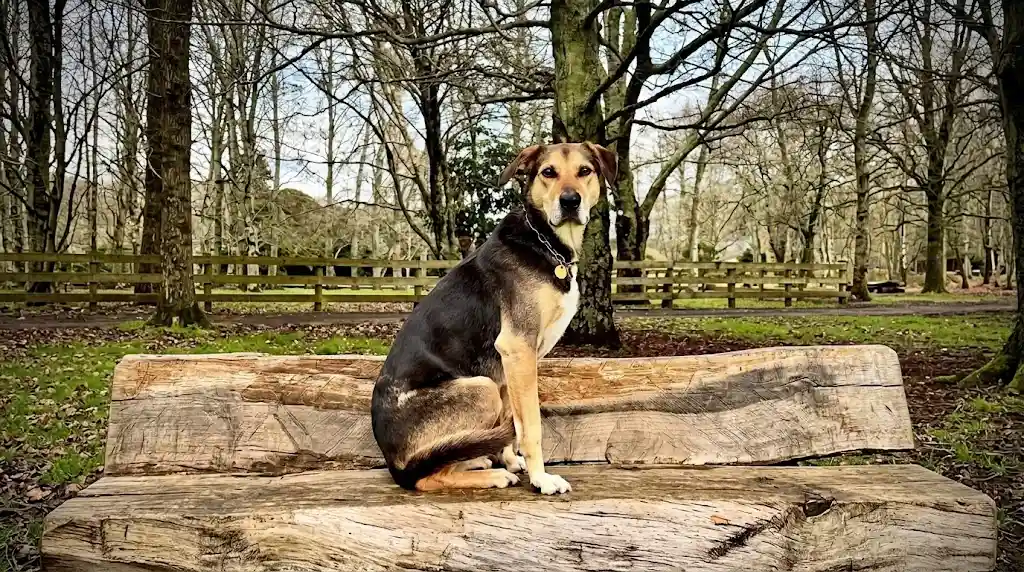
Delving into the alphabetical catalog of dog breeds reveals an extensive list of canines whose names auspiciously begin with the letter ‘B’. This group encompasses some of the most popular, recognized, and beloved dogs globally, offering a spectrum of sizes, temperaments, and histories. From compact companions to powerful working dogs, the ‘B’ breeds present a fascinating study in canine diversity. Every ‘B’ breed has its own place in our canine legacy . To learn more about the specific characteristics and care requirements of these and many other dog breeds, Wikipedia offers extensive resources.
The Beagle stands out as one of America’s all-time favorite breeds, renowned for its upbeat personality, friendly demeanor, and an exceptional sense of smell, making it a natural scent hound. Border Collies are widely regarded as one of the most intelligent dog breeds, originally bred for herding sheep in the Scottish Borders, possessing tireless energy and a responsive nature. Boxers are medium-sized dogs known for their energetic, playful, and loyal personalities, making them excellent family pets. The Bulldog, with its distinctive wrinkled face and stocky build, is cherished for its calm and affectionate temperament, ideal for families seeking a relaxed companion.
Other notable ‘B’ breeds include the majestic Bernese Mountain Dog, a gentle giant known for its calm nature and suitability as a family dog. The Boston Terrier, often called “The American Gentleman,” is a friendly, small, and easily trainable urban pup. The Bichon Frise is a small, sensitive, and affectionate breed with plenty of energy, thriving on human companionship. The Bloodhound is unmistakable with its long, drooping ears and an unparalleled sense of smell, famously used for tracking. The Basset Hound, another scent hound, is known for its vocal nature and tolerant demeanor, making it good with children and other pets. The Belgian Malinois is an intelligent, athletic, and highly trainable working dog, frequently employed in police and military roles. This diverse collection of ‘B’ breeds highlights the vast range of specialized traits and companionship qualities that dogs offer, catering to nearly every lifestyle and preference.
Dog Breeds Brown: The Rich Spectrum of Earthy Coats
The allure of dog breeds with brown coats is undeniable, encompassing a wide spectrum of shades from light fawn to deep, rich chocolate and golden-brown tones. These earthy hues contribute to a dog’s overall charm, often signaling a sense of warmth, elegance, and rugged beauty. The coloration is primarily determined by genetics, specifically the pigment Eumelanin, which can manifest in various shades of brown depending on genetic modifiers.
The Labrador Retriever, consistently one of the most popular breeds, is well-known for its chocolate variation, a rich brown coat that perfectly complements its friendly and intelligent disposition. Chesapeake Bay Retrievers are another prime example, sporting a distinctive waterproof coat that ranges from light to dark shades of brown, making them excellent swimmers and dedicated retrievers. The Dachshund, affectionately known as the “wiener dog,” comes in various colors, including stunning chocolate and tan combinations, boasting a playful personality within its small frame.
Other breeds recognized for their brown coats include the Boykin Spaniel, which exclusively wears a solid liver brown coat, reflecting its eager and merry nature. The Sussex Spaniel is another breed whose golden liver coat is its sole standard color, exuding a calm yet spirited charm. The Vizsla, a Hungarian hunting dog, is famous for its elegant golden-rust or russet gold coat, which often falls into the brown spectrum. German Shorthaired Pointers frequently exhibit liver (a shade of brown) or liver and white coats, fitting their role as versatile hunting dogs. Even breeds like the Doberman Pinscher can appear brown with their “red” or “rust” markings, and certain Poodles come in striking brown variations. The physical appearance of brown dogs often aligns with traits such as loyalty, intelligence, and an affectionate nature, making them highly desirable companions for various lifestyles, whether for active outdoor enthusiasts or those seeking a cuddly lap dog. The diversity in brown coat types—from sleek and short to long and feathered—requires varying grooming needs, further adding to the unique characteristics of these captivating canines. To ensure you’re using the best products, see our recommendations for the best dog shampoo for itchy skin .
Embracing Breed Diversity and Promoting Responsible Ownership
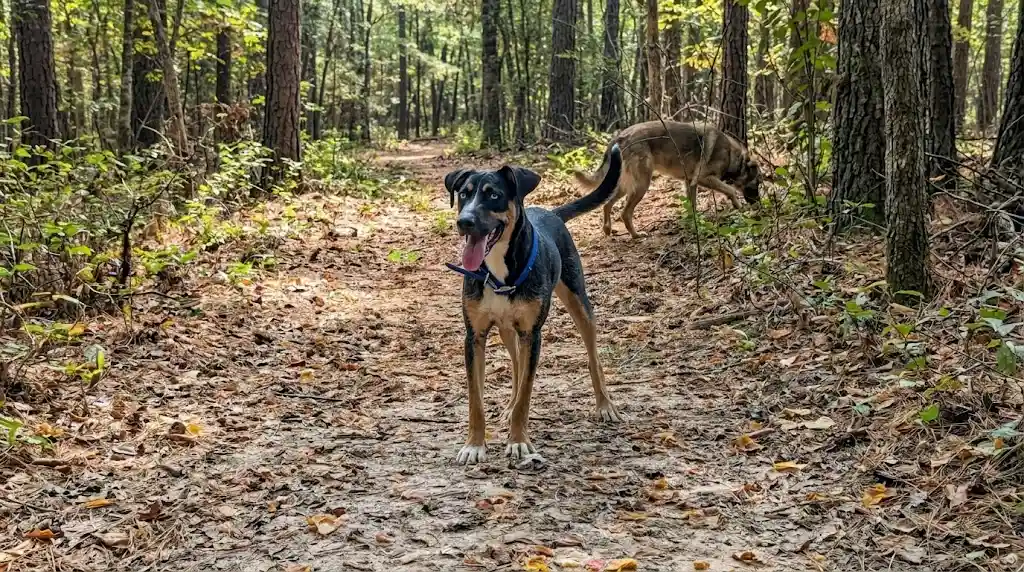
The exploration of diverse dog breeds, whether American, Asian, beginning with ‘B’, or characterized by brown coats, underscores the vast and fascinating world of canines. This diversity is not merely superficial; it reflects centuries of purposeful breeding that has sculpted dogs for specific functions, environments, and companionship roles. From the robust working dogs of the American plains to the ancient royal companions of Asian dynasties, each breed tells a story of adaptation, utility, and a deep connection with humanity. Understanding these origins and characteristics is crucial for appreciating the unique qualities that each breed brings to our shared canine legacy .
However, appreciating breed diversity goes hand-in-hand with the responsibility of ethical and informed pet ownership. Choosing a dog breed should extend beyond aesthetics or current popularity. It necessitates a thorough understanding of a breed’s typical temperament, exercise requirements, grooming needs, and potential health concerns. For instance, highly energetic breeds like the Border Collie require significant mental and physical stimulation to thrive, while breeds such as the Boston Terrier or Bulldog may be better suited for apartment living due to their lower energy levels. Moreover, recognizing that individual dogs within a breed can vary widely in personality is essential. Responsible breeders prioritize health and temperament, contributing to the well-being of the breed as a whole. For prospective pet owners, researching thoroughly, engaging with reputable breeders or rescue organizations, and committing to lifelong care are paramount. Embracing the rich tapestry of dog breeds means celebrating their unique histories and characteristics while ensuring that every canine companion receives the love, care, and environment necessary for a happy and healthy life. For more help finding professional services, our guide on pet groomers near me can help you find the right support. According to the American Kennel Club, responsible ownership is key to preserving our canine legacy .
Conclusion
The world of dog breeds is a vibrant and ever-evolving landscape, shaped by history, geography, and the enduring bond between humans and their canine companions. From the homegrown strength of American breeds like the Chesapeake Bay Retriever to the ancient mystique of Asian breeds such as the Shiba Inu and Chow Chow, and from the playful energy of ‘B’ breeds like the Beagle and Boxer to the striking beauty of brown-coated dogs like the Chocolate Labrador Retriever, each category offers a unique window into the canine kingdom. Understanding these diverse attributes is not only fascinating but also critical for making informed decisions about responsible pet ownership. As we continue to share our lives with these incredible animals, celebrating their individuality and ensuring their welfare remains at the heart of our appreciation for the rich diversity of dog breeds across the globe. Our canine legacy is a treasure to be cherished and protected. If you’re just starting out, our dog grooming checklist for first-time owners is a great resource to ensure you have everything you need. You may also find our comprehensive dog grooming tips a comprehensive guide helpful for additional information. For foundational training advice that can help build trust, you might find our guide on easy commands every puppy should learn very useful. For related tips on managing behavior, you might also want to read our piece on how to stop excessive dog barking . You can also explore dog grooming near me finding the perfect for more options. For more information on skin conditions, our article on dog allergy understanding and managing provides comprehensive information. If your dog is excessively itchy, check out our article on why is my dog itching so much for more insights. You can also learn more about dog skin infection a comprehensive guide for deeper understanding of skin health.
