Homemade Dog Food Nutrition Risks Every Dog Owner Must Know 2026
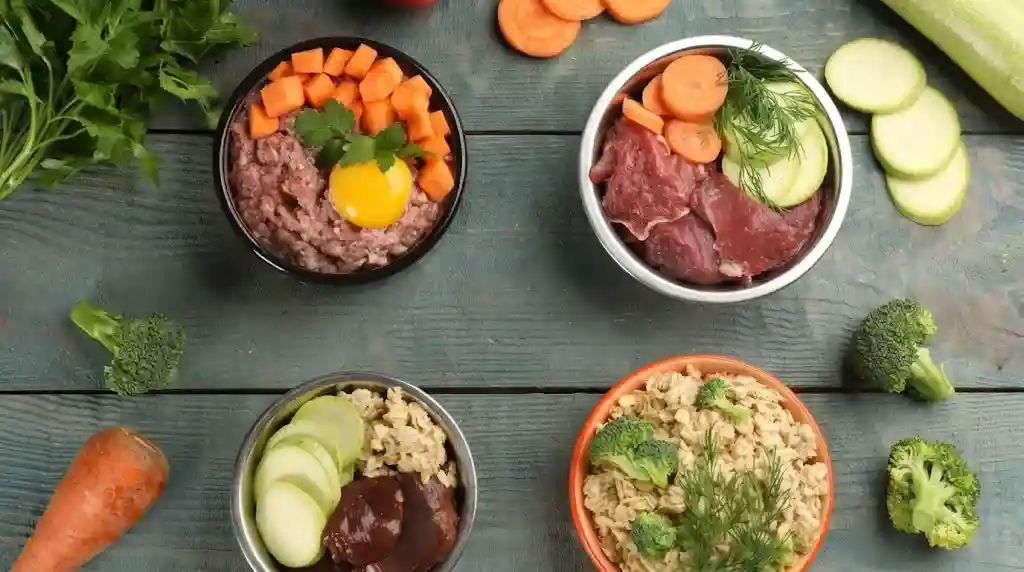
Table of Contents
Homemade dog food nutrition risks are a significant concern for pet owners who choose to prepare their canine companions’ meals at home. While the intention behind feeding a homemade diet is often rooted in love and a desire to provide the best possible care, the complexity of canine nutrition means that without expert guidance, such diets frequently fall short of providing all the essential nutrients in the correct proportions. This can lead to a range of serious health issues, from subtle deficiencies that manifest over time to acute imbalances requiring immediate veterinary intervention. Understanding these risks is paramount for any owner considering or currently feeding a homemade diet to ensure their dog’s long-term health and well-being.
The Allure of Homemade Dog Food
The decision to transition a dog to a homemade diet often stems from a variety of well-intentioned motivations. Many pet owners are drawn to the idea of having complete control over their dog’s ingredients, believing they can avoid artificial additives, fillers, and potentially problematic allergens found in some commercial dog foods. The desire to provide fresh, whole ingredients, or to cater to a dog with specific allergies, sensitivities, or health conditions, also plays a significant role in this growing trend. Some owners believe that a homemade diet can offer a more natural and species-appropriate feeding regimen, potentially leading to improved coat health, increased energy, and better digestion.
For dogs with chronic diseases like inflammatory bowel disease, kidney disease, or certain cancers, owners might feel that a customized homemade diet can better support their pet’s specific therapeutic needs than standard commercial options. Furthermore, there’s a certain emotional satisfaction derived from preparing meals for a beloved pet, fostering a deeper connection and providing a sense of comfort and care. This personal investment often leads owners to overlook or underestimate the intricate scientific requirements of canine nutrition, believing that a varied human-food-based diet will naturally provide everything their dog needs. This perception, while understandable, often clashes with the scientific realities of creating a nutritionally complete and balanced diet tailored for a dog.
Understanding Essential Canine Nutrition
To truly grasp the homemade dog food nutrition risks, it’s crucial to first understand the fundamental nutritional requirements of canines. Dogs, like humans, need a balanced intake of macronutrients (proteins, fats, and carbohydrates) and a precise array of micronutrients (vitamins and minerals) to thrive. Protein is vital for muscle development, tissue repair, and enzyme production. Sources like lean meats, fish, and eggs provide essential amino acids. Fats are concentrated energy sources, crucial for healthy skin and coat, and for the absorption of fat-soluble vitamins. Good fats include omega-3 and omega-6 fatty acids found in fish oils and certain plant oils. Carbohydrates offer readily available energy and dietary fiber, supporting digestive health. Grains, vegetables, and some fruits are common sources.
Beyond these macronutrients, the micronutrient profile is where homemade diets often falter significantly. Dogs require specific vitamins such as Vitamin A (for vision and immune function), D (for calcium absorption), E (an antioxidant), and a complex of B vitamins (for metabolism and nerve function). Minerals are equally critical, including calcium and phosphorus for bone health, zinc for immune function and skin, copper for connective tissue and blood cell formation, and iodine for thyroid function. The challenge isn’t merely including these nutrients but providing them in the correct ratios and bioavailable forms. For instance, the calcium-to-phosphorus ratio is particularly delicate and crucial for skeletal integrity, especially in growing puppies. An imbalance, even with adequate total amounts of each, can lead to serious bone deformities and metabolic diseases. This intricate balance is often overlooked by even the most diligent home cooks, highlighting the complexity that underlies seemingly simple meal preparation for pets.
Common Nutritional Deficiencies and Imbalances in Homemade Diets

One of the most significant homemade dog food nutrition risks lies in the prevalence of nutritional deficiencies and imbalances. Numerous studies have evaluated homemade dog food recipes, consistently finding that a vast majority fail to meet established nutritional standards set by organizations like the Association of American Feed Control Officials (AAFCO) or the European Pet Food Industry Federation (FEDIAF). These standards are based on extensive research into canine physiological needs.
Calcium and Phosphorus Imbalance: A Foundation for Skeletal Problems
Perhaps the most common and dangerous imbalance in homemade diets is the skewed ratio of calcium to phosphorus. While both minerals are vital for bone health, nerve transmission, and muscle function, their precise ratio is critical. Dogs require a calcium-to-phosphorus ratio generally between 1.1:1 and 1.4:1, with an ideal being around 1.2:1. Many homemade recipes, especially those heavy on muscle meat without added bone meal or other calcium sources, are severely deficient in calcium and excessively high in phosphorus. This imbalance can lead to secondary hyperparathyroidism, where the body leaches calcium from bones to maintain blood calcium levels, resulting in weakened bones, fractures, and skeletal deformities, particularly in growing puppies. Conversely, too much calcium can also be detrimental, leading to growth abnormalities and osteochondrosis in large-breed puppies.
Vitamin Deficiencies: Hidden Dangers to Vital Functions
Vitamins are organic compounds essential for regulating metabolic processes, but they are often inadequately supplied in homemade diets.
- Vitamin A: Crucial for vision, immune function, and skin health. While liver is a good source, many homemade diets either lack sufficient Vitamin A or, conversely, provide it in toxic excess if liver is fed too frequently in large amounts.
- Vitamin D: Essential for calcium and phosphorus metabolism. Dogs cannot synthesize sufficient Vitamin D from sunlight like humans, relying entirely on dietary sources. Deficiencies can lead to rickets in puppies and osteomalacia in adult dogs.
- Vitamin E: A powerful antioxidant protecting cells from damage. It’s often found in oils and leafy greens, but its stability can be compromised by cooking, making supplementation necessary in many homemade formulations.
- B Vitamins: A complex group vital for energy metabolism, nerve function, and red blood cell production. While many ingredients contain B vitamins, processing and cooking can reduce their levels, leading to deficiencies that manifest as lethargy, poor appetite, or neurological issues.
Trace Mineral Deficiencies: The Smallest Components, Major Impacts
Trace minerals are needed in small amounts but are nonetheless critical.
- Zinc: Important for immune function, skin and coat health, and enzyme activity. Deficiencies can cause poor growth, skin lesions, and impaired immune responses.
- Copper: Essential for iron metabolism, red blood cell formation, and connective tissue integrity. Insufficient copper can lead to anemia and neurological problems.
- Iodine: A key component of thyroid hormones, which regulate metabolism. Homemade diets often lack sufficient iodine, especially if not using iodized salt or iodine-rich ingredients like certain sea vegetables, potentially leading to hypothyroidism.
These examples underscore that merely including common food items isn’t enough; the precise concentration and balance of these micronutrients are what truly dictate a diet’s adequacy.
To illustrate the common pitfalls, here’s a comparison of typical homemade diet ingredients and their likely nutritional contributions versus a balanced commercial diet.
| Nutrient/Component | Typical Homemade Diet (Unsupplemented) | Balanced Commercial Dog Food (AAFCO compliant) | Potential Risk in Homemade Diet |
|---|---|---|---|
| Protein Source | Chicken breast, ground beef (often lean) | High-quality animal protein (chicken meal, lamb, fish) | May lack sufficient variety of amino acids, too lean to provide adequate fat. |
| Fat Source | Small amount from meat, occasionally vegetable oil | Specific fats (chicken fat, fish oil), balanced Omega-3/Omega-6 | Often insufficient total fat, imbalanced fatty acid profile, lack of essential fatty acids. |
| Carbohydrate Source | Rice, sweet potato, pasta | Grains (corn, rice, barley), potatoes, peas, legumes | Can be carbohydrate-heavy, leading to imbalance if protein/fat are low. |
| Calcium | Very low (if no bone meal/calcium carbonate) | Precisely formulated calcium sources (calcium carbonate, bone meal) | Severe deficiency leading to skeletal issues. |
| Phosphorus | High (from muscle meat) | Precisely formulated to balance calcium | High levels exacerbate calcium deficiency; overall imbalance. |
| Vitamins (e.g., D, E, B complex) | Variable, often low or unstable due to cooking | Synthetically added or naturally occurring in balanced amounts | Deficiencies leading to metabolic, neurological, and immune problems. |
| Trace Minerals (e.g., Zinc, Iodine) | Inconsistent, often deficient | Chelated minerals for better absorption, precisely added | Deficiencies impacting immunity, thyroid, skin, and growth. |
| Fiber | Vegetables (cooked), occasional fruit | Beet pulp, chicory root, various plant fibers | Inconsistent fiber levels, potentially too high or too low. |
The Dangers of Ingredient Selection and Preparation
Beyond the quantitative aspect of nutrient balance, the quality and preparation of ingredients present further homemade dog food nutrition risks. Selecting the wrong ingredients can expose dogs to toxins or lead to severe nutrient depletion. Many common human foods are toxic to dogs, including onions, garlic, chocolate, grapes, raisins, xylitol, and avocado. Even foods considered safe for humans might cause digestive upset in dogs if not introduced properly or if given in large quantities. For example, excessive fat can lead to pancreatitis, a painful and potentially fatal inflammation of the pancreas. Raw diets, while appealing to some owners who advocate for a “biologically appropriate” diet, introduce significant risks of bacterial contamination from pathogens like Salmonella, E. coli, and Listeria, posing threats to both the dog and the human household members.
Improper cooking methods can also degrade the nutritional value of ingredients. Overcooking vegetables can reduce vitamin content, while undercooking meats can leave pathogens alive. Bone fragments, especially cooked ones, can splinter and cause internal injuries, such as perforations of the esophagus, stomach, or intestines, or lead to blockages. Furthermore, inconsistent portioning and recipe adherence can result in daily fluctuations in nutrient intake, preventing the dog from maintaining a stable nutritional status over time. Without proper food safety practices, including hygienic preparation surfaces and storage, homemade food can quickly spoil, leading to gastrointestinal upset and foodborne illness. The seemingly simple act of preparing a meal at home transforms into a complex culinary science when a dog’s specific and delicate physiological needs are factored in.
The Indispensable Role of a Veterinary Nutritionist
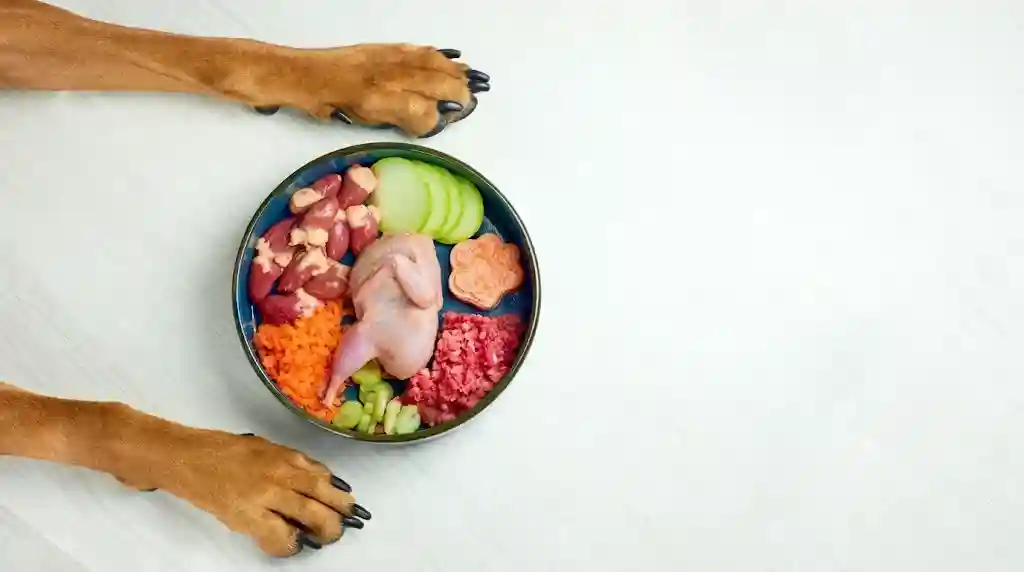
Given the myriad homemade dog food nutrition risks, the expertise of a board-certified veterinary nutritionist becomes indispensable for any owner committed to feeding a homemade diet. These specialists have advanced training in animal nutrition, metabolism, and ingredient science, extending far beyond the general knowledge of a typical veterinarian. They can formulate a complete and balanced diet tailored to an individual dog’s specific needs, considering factors such as age, breed, activity level, existing health conditions (e.g., kidney disease, allergies, diabetes), and even potential genetic predispositions.
A veterinary nutritionist will typically:
- Assess Nutritional Needs: Conduct a thorough evaluation of the dog’s health history, current diet, and lifestyle.
- Formulate Recipes: Create precise recipes that specify exact quantities of ingredients, supplements, and preparation methods, ensuring all essential nutrients are provided in appropriate amounts and ratios. This often involves using specialized software and a deep understanding of nutrient bioavailability.
- Identify and Mitigate Risks: Advise on safe ingredient sourcing, proper food handling, and methods to avoid contaminants or toxic foods.
- Recommend Supplements: Prescribe specific vitamin and mineral supplements to fill any gaps that cannot be met through food ingredients alone, which is often the case with homemade diets.
- Monitor and Adjust: Provide ongoing monitoring and adjust the diet as the dog’s needs change over time (e.g., growth, aging, disease progression).
Attempting to formulate a homemade diet without this professional guidance is akin to self-medicating a serious illness without consulting a doctor; it carries significant risks. The investment in a consultation with a veterinary nutritionist is a proactive step that can save pet owners considerable heartache and veterinary bills in the long run by preventing diet-related health problems. More information on veterinary nutrition can be found on reputable sources such as Wikipedia’s entry on Animal Nutrition.
Mitigating Risks and Ensuring a Balanced Diet
For owners determined to feed homemade diets, several strategies can help mitigate the associated homemade dog food nutrition risks, though none completely replace professional oversight. The primary and most effective step, as discussed, is to consult a board-certified veterinary nutritionist. They can provide a scientifically formulated recipe that is nutritionally complete and balanced for your dog’s specific requirements. Avoiding “recipe hopping” from online sources is crucial, as many widely available homemade dog food recipes are demonstrably unbalanced. Stick to one expert-designed recipe and follow it meticulously.
Careful consideration of supplementation is often necessary. Even with a well-formulated recipe, certain micronutrients may not be adequately supplied by food ingredients alone, necessitating specific vitamin and mineral supplements. These should always be chosen and dosed under the guidance of a veterinary professional, as incorrect supplementation can also lead to imbalances or toxicities. Regular veterinary check-ups are also vital to monitor your dog’s overall health and catch any emerging nutritional deficiencies or health issues early. Blood tests and other diagnostics can help assess nutrient levels and organ function, providing objective data on the diet’s effectiveness. Maintaining strict food safety and hygiene practices during preparation and storage is non-negotiable to prevent bacterial contamination and foodborne illness. Finally, understanding that a homemade diet is a significant, ongoing commitment—requiring time, precision, and financial resources—is essential. It is not a casual undertaking and demands dedication to ensuring the dog’s nutritional well-being.
Conclusion
Homemade dog food nutrition risks are complex and pervasive, stemming from the intricate requirements of canine nutrition that are often underestimated by even the most caring pet owners. While the motivations behind feeding a homemade diet are often admirable, the scientific reality is that achieving a complete and balanced diet without expert guidance is exceedingly difficult. Common pitfalls include severe calcium and phosphorus imbalances, deficiencies in crucial vitamins (such as A, D, E, and B complex), and inadequate trace minerals like zinc, copper, and iodine. These imbalances can lead to a spectrum of health problems, from developmental orthopedic diseases in puppies to compromised immune function and organ damage in adult dogs.
Furthermore, improper ingredient selection can expose dogs to toxic substances, while poor food preparation and storage can introduce dangerous pathogens. The allure of complete control over ingredients, while strong, must be tempered with the recognition that canine nutrition is a specialized field. Therefore, the single most critical step for any owner considering or currently feeding a homemade diet is to engage with a board-certified veterinary nutritionist. Their expertise can transform a potentially risky endeavor into a safe and beneficial dietary choice, ensuring that a dog receives all the essential nutrients in the correct proportions to support a long, healthy, and happy life. Without this professional oversight, the good intentions of homemade diets risk inadvertently harming the very pets they are meant to help.