Dog Leave-In Conditioner: 9 Amazing Tips for a Softer, Healthier Coat
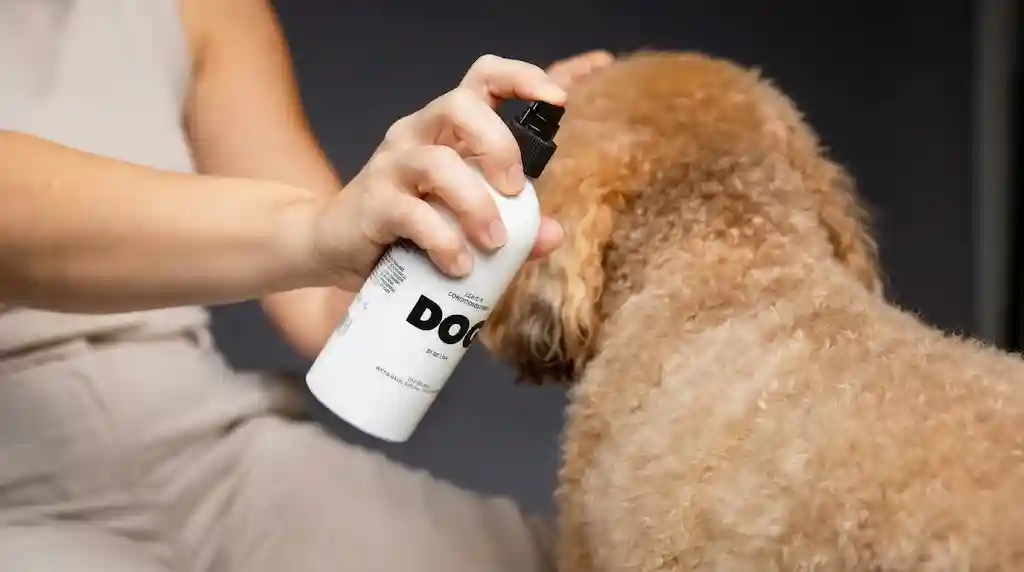
Table of Contents
Dog leave-in conditioner has emerged as a grooming essential for many pet owners, offering a convenient and effective way to maintain a healthy, lustrous coat between full baths. Far more than just a quick freshen-up, these no-rinse formulations are specifically designed to provide ongoing hydration, enhance manageability, and protect your dog’s fur from daily wear and tear. Understanding the unique benefits and proper application of a leave-in conditioner can transform your dog’s grooming routine, leading to a softer, shinier, and more comfortable coat. This comprehensive guide will delve into everything you need to know about dog leave-in conditioners, from their fundamental purpose to selecting the best product for your canine companion.
What is Dog Leave-In Conditioner?
A dog leave-in conditioner is a lightweight, no-rinse coat product typically applied as a mist or a thin lotion onto a clean or slightly damp coat. Unlike traditional rinse-out conditioners that are applied during bathing and thoroughly washed away, a leave-in conditioner is formulated to remain on the hair, providing continuous benefits without feeling heavy, tacky, or greasy. Its primary role is to assist in brushing, soften the coat’s feel, and maintain its freshness between baths, acting as a crucial step in a comprehensive grooming regimen rather than a cleanser or a treatment.
The distinction between leave-in and rinse-out conditioners is significant. Rinse-out formulas are generally richer and designed to smooth the coat immediately after shampooing, before being washed down the drain. Leave-ins, conversely, are built with lighter ingredients that are meant to stay on the coat in small amounts, offering ongoing care such as improving slip for easier brushing, adding moisture, and controlling static. They are particularly useful for quick refreshes, light detangling, and adding hydration when a full bath isn’t necessary or desired. This makes them an invaluable tool for extending the time between washes and protecting the coat from environmental stressors without the risk of over-bathing. While a leave-in conditioner can help with manageability, it’s important to remember that it is a cosmetic product and does not replace a bath when the coat is truly dirty or oily, nor does it treat underlying skin conditions.
The Science Behind a Healthy Canine Coat
Understanding the fundamental biology of your dog’s skin and coat is crucial to appreciating the role of conditioners. A dog’s skin and coat are more than just aesthetic features; they form a multi-functional system that serves as a protective barrier, regulates temperature, and acts as a sensory organ. The overall condition of your dog’s skin and coat is often a reliable indicator of their general health, with a healthy coat appearing shiny and smooth, and healthy skin being supple and clear.
One of the most critical scientific differences to note is the pH balance of canine skin compared to human skin. Dog skin typically has a pH ranging from approximately 7.0 to 7.5, which is neutral to slightly alkaline. In contrast, human skin is more acidic, usually falling between pH 4.5 and 6.5. This significant difference means that products formulated for human hair and skin, which are designed for an acidic environment, can disrupt a dog’s natural acid mantle—a thin, protective layer on the skin surface. Regular use of human products on dogs can lead to dryness, irritation, increased sensitivity, and can even make the coat more prone to skin issues over time. Therefore, using conditioners specifically formulated for dogs is not just marketing advice but a physiological necessity to maintain the skin’s natural balance and prevent cumulative damage.
The structure of canine hair also influences its grooming needs. Hair is primarily composed of protein (keratin), and conditioners work by smoothing the cuticle, the outermost layer of the hair shaft. When the cuticle is smooth, hair strands lie flat, reflecting light for a shiny appearance and reducing friction, which helps prevent tangles and mats. A healthy coat also relies on a proper balance of natural oils produced by the skin. Conditioners, especially leave-ins, help to seal in moisture and distribute these natural oils along the hair shafts, contributing to overall coat health and resilience. Essential nutrients such as omega-3 and omega-6 fatty acids, high-quality proteins, and vitamins A, E, and B complex are also vital for skin cell renewal and hair growth, working from the inside out to support a vibrant coat.
Why Incorporate a Leave-In Conditioner into Your Dog’s Routine?
Integrating a leave-in conditioner into your dog’s grooming routine offers a multitude of benefits that extend beyond a pleasant scent or temporary shine. These specialized products provide continuous care, making a noticeable difference in the health and appearance of your dog’s coat.
One of the primary advantages is significantly easier brushing and detangling. Dry hair creates friction, leading to strands rubbing, catching, and knotting, which can make brushing uncomfortable for your dog. A light leave-in conditioner adds “slip” to the hair, allowing the brush to glide through more smoothly, thereby reducing tugging and preventing tangles from tightening and forming painful mats. For breeds with long, curly, or double coats, which are naturally prone to tangling, a leave-in conditioner can be a game-changer, making daily grooming sessions less stressful and more efficient.
Moreover, leave-in conditioners provide essential moisture and hydration to the coat and skin. They help to replenish natural oils stripped away during bathing and create a protective layer that seals in moisture, preventing dryness and flakiness. This hydration contributes to a softer, smoother texture and a naturally shiny appearance, as properly hydrated skin produces the right balance of natural oils. This is particularly beneficial for dogs with dry or rough coats, or those living in dry climates. By maintaining moisture, leave-in conditioners can also help soothe minor irritations and reduce itching associated with dry skin.
Another key benefit is static control. In dry environments, static electricity can make brushing difficult and cause hair to become unruly. Leave-in conditioners help to neutralize static, leaving the coat more manageable and reducing flyaways. They can also offer a degree of protection against environmental stressors, forming a barrier that helps shield the coat from elements like dirt, dust, and even UV rays in some formulations, which helps keep the coat cleaner for longer and prevents color fading. Some products also contain ingredients that can help neutralize everyday odors, keeping your dog smelling fresh between washes. Ultimately, regular use of a leave-in conditioner can lead to a more professional finish, making your dog’s coat look and feel soft, polished, and healthy. For additional insights on maintaining optimal coat health, consider exploring resources on canine dermatological care.
Choosing the Right Dog Leave-In Conditioner
Selecting the appropriate leave-in conditioner for your dog is crucial for achieving the desired results and ensuring their skin and coat health. The market offers a wide array of products, and understanding what to look for—and what to avoid—can help you make an informed decision.
Key Ingredients to Seek Out
When examining product labels, prioritize leave-in conditioners that feature ingredients known for their conditioning, moisturizing, and protective properties, specifically formulated for dogs. Look for:
- Conditioning Agents: Ingredients such as cetrimonium chloride or behentrimonium methosulfate are common and well-tolerated in dog-safe leave-ins. They coat the hair shaft, reduce friction, and provide slip, making detangling easier and decreasing static.
- Humectants: Glycerin is an excellent natural humectant that attracts and retains moisture in the hair and skin, which is especially beneficial for dry or brittle fur.
- Natural Oils: Many effective leave-in conditioners incorporate plant-based oils like coconut oil, jojoba oil, olive oil, avocado oil, and argan oil. These oils provide deep moisture and help to de-tangle knots, soften the coat, and leave it silky and shiny without feeling greasy when used correctly.
- Aloe Vera: Known for its soothing properties, aloe vera can help cool and calm irritated skin while providing moisturizing benefits.
- Colloidal Oatmeal: This finely ground oat product forms a protective barrier on the skin, soothing redness and itching, and retaining moisture—ideal for dogs with sensitive, dry, or allergic skin.
- Panthenol (Vitamin B5): A provitamin that penetrates deep into the hair shaft to hydrate from within and soothe sensitive skin.
- Vitamins: Vitamin E acts as a natural antioxidant, protecting skin cells and coat fibers from environmental stress.
- Herbal Extracts: Chamomile, calendula, and marshmallow root can provide gentle relief for sensitive skin, reduce irritation, and aid in detangling.
What to Avoid or Use with Caution
Just as important as knowing what to look for is understanding which ingredients might be harmful or ineffective:
- Human Products: Never use human conditioners on dogs. Their pH levels are mismatched with canine skin, leading to potential irritation, dryness, and disruption of the skin’s natural protective barrier over time.
- Harsh Fragrances: While a pleasant scent is nice, strong or artificial fragrances can be common irritants for dogs, especially those with sensitive skin or allergies. Opt for fragrance-free or naturally scented options with mild, dog-safe essential oils.
- Concentrated Essential Oils: While some essential oils are safe in diluted forms, others can be toxic to dogs in concentrated amounts (e.g., tea tree oil). If essential oils are high on the ingredient list, proceed with caution or consult your vet. Rosemary essential oil, for instance, should be avoided if your dog has a history of seizures.
- Heavy Oils and Butters: While some oils are beneficial, heavy, thick formulas can weigh down fine coats, attract dirt, and potentially trap moisture, especially on double coats in humid weather, leading to skin issues if over-applied.
- Silicones: Silicone-heavy “shine” sprays can sometimes coat over dirt and burrs rather than loosening them, sealing in mats instead of helping to brush them out.
- Unclear Ingredient Lists: Always look for a complete ingredient list rather than just a few highlighted botanicals to ensure transparency and avoid potential irritants.
| Feature | Leave-In Conditioner for Dogs | Rinse-Out Conditioner for Dogs |
|---|---|---|
| Application Method | Misted or smoothed onto coat (wet or dry), not rinsed. | Applied during bath after shampooing, then rinsed thoroughly. |
| Primary Job | Ongoing coat care: slip, softness, freshness, detangling, static control. | Smooth the coat immediately after shampoo, deep conditioning. |
| When to Use | After a bath, between baths, before brushing, for quick refreshes. | In the bath, after shampooing. |
| Texture on Coat | Light, meant to disappear into the hair without residue. | Richer, built to be washed away, can feel heavy if left in. |
| Frequency of Use | Can be used daily or between baths, applied lightly. | Typically used after every bath, depending on coat type. |
| Benefit Focus | Detangling, moisture, anti-static, coat manageability, protection. | Deep hydration, repairing damage, preventing dryness post-wash. |
Applying Dog Leave-In Conditioner Effectively
Proper application is key to maximizing the benefits of a dog leave-in conditioner while avoiding common pitfalls. Whether you’re using a spray or a cream, a gentle and even approach will yield the best results.
The basic routine for applying a leave-in conditioner is straightforward: start with a clean coat, mist lightly, brush it through, and allow it to air-dry. It’s crucial to use the product as directed by the manufacturer, as sprays and creams may have different application instructions.
Here’s a step-by-step guide for effective application:
- Start with a Clean or Damp Coat: While some leave-ins can be used on dry coats for quick refreshes, many are most effective when applied to a towel-dried coat after a bath. Ensure your dog’s coat is thoroughly rinsed if you’ve just shampooed it, as leftover shampoo can irritate the skin.
- Shake the Bottle: Before each use, shake the bottle well to ensure the formula is evenly mixed.
- Mist Lightly: Hold the bottle about a hand’s length (roughly 4-6 inches) away from the coat. Mist lightly, focusing on the hair rather than spraying directly at the skin. For thicker or double-coated dogs, you may need to part the coat with your free hand to ensure the mist reaches the undercoat rather than just sitting on the surface.
- Avoid Sensitive Areas: Always keep the spray away from your dog’s eyes, nose, and mouth. For the head area, it’s best to spray the product onto your hands or a cloth first, then gently apply it to the fur. Also, skip any areas with irritated, red, broken, or itchy skin, and consult your vet if these issues persist.
- Brush Through: Immediately after misting a section, brush the product through the coat in the direction the hair grows. Brushing helps to spread the product evenly, detangle, and ensure the conditioning agents can do their work. Do not wait for the coat to dry completely; brush while it is still slightly damp for the smoothest result.
- Use Sparingly: Less is often more with leave-in conditioners. Start with a few light passes per zone (e.g., neck, back, sides, legs) and add more only if the coat still feels dry or catches on the brush. The coat should feel faintly damp, never soaked. If the coat feels heavy or coated afterward, use less next time.
- Allow to Air-Dry: Let the coat air-dry for a few minutes before your dog lies down or goes outside. For dense or double coats, this may take a little longer.
- Frequency: Most leave-in conditioners are safe for daily use or can be applied between baths, as often as your dog needs it. Your brush and fingertips are the best guides; if the coat starts to feel heavy or coated, space out applications. Consistent application, paired with a reliable brushing tool like a quality slicker brush, is far more effective than sporadic heavy use.
Common Mistakes to Avoid
While dog leave-in conditioners offer numerous benefits, improper use can lead to undesirable outcomes or even harm your pet’s skin and coat. Being aware of common mistakes can help you get the most out of these products safely and effectively.
- Using Too Much Product: One of the most frequent errors is over-application. A drenched coat takes longer to dry, can feel heavy, and may attract dirt, leading to a greasy or tacky residue. Always start with a light mist or a pea-sized amount, and add more only if necessary. More product does not equate to more care.
- Spraying Directly at the Skin: Leave-in conditioners are designed for the hair, not to be soaked into the skin. Spraying straight at the skin can lead to product buildup, potential irritation, and can be especially problematic for dogs with oily skin. Aim for the coat, parting the fur if needed, to ensure even distribution on the hair shafts.
- Skipping the Brush: A leave-in conditioner doesn’t work effectively on its own. Brushing is essential to spread the mist evenly through the coat, detangle, and allow the product to penetrate the hair. Without brushing, the product may sit on the surface and not provide its full benefits.
- Using Human Conditioners: As previously discussed, human conditioners are not formulated for a dog’s skin pH and can cause irritation, dryness, or allergic reactions over time. Always use products specifically designed for dogs.
- Conditioning Before Detangling Severe Mats: While leave-in conditioners help with light tangles, they are not a magical solution for severe matting. Applying conditioner to deeply matted fur before attempting to detangle can tighten knots and make the situation worse. For tight or extensive mats, professional removal is often the safest option to avoid pain and skin injury.
- Expecting It to Replace a Bath or Treat Skin Issues: A leave-in conditioner is a grooming aid, not a cleanser or a medical treatment. It will not lift away dirt, oil, or buildup, nor will it cure allergies, parasites, infections, or hot spots. If your dog has persistent flakes, itching, odor, or hair loss, these symptoms require veterinary assessment, not just a grooming product.
- Applying to Irritated or Broken Skin: Never apply leave-in conditioner to areas of redness, flaking, itching, or broken skin. These areas should be kept clear of grooming products and examined by a veterinarian.
- Layering Multiple New Products Simultaneously: If you’re introducing new grooming products, do so one at a time. This allows you to observe your dog’s reaction and identify if a particular product is causing any sensitivity or irritation.
Beyond the Bottle: Holistic Coat Health
While dog leave-in conditioners are a fantastic tool for maintaining coat health, they are most effective when integrated into a holistic approach that addresses your dog’s overall well-being. A healthy, shiny coat is a reflection of internal health, emphasizing the importance of factors beyond topical products.
Nutrition: The foundation of a glowing skin and coat begins with a properly balanced diet. High-quality digestible proteins provide essential amino acids for hair growth and skin repair, as hair is primarily composed of protein. Equally crucial are omega-3 and omega-6 fatty acids, which help reduce inflammation, promote skin hydration, and contribute to coat softness and shine. Vitamins such as A, E, and B complex (including biotin), along with minerals like zinc, copper, and selenium, are vital for cellular renewal, immune function, and coat pigment. If your dog’s diet isn’t providing enough of these, supplements like fish oil can be beneficial.
Regular Brushing: Consistent and appropriate brushing is paramount for a healthy coat. It helps to remove loose hair and dead skin cells, prevents mats and tangles, distributes natural oils throughout the coat, and boosts circulation to the skin. The type of brush should be suited to your dog’s coat, such as slicker brushes for curly coats or bristle brushes for short-haired breeds. Regular brushing can significantly reduce shedding and keep your home cleaner.
Proper Bathing Practices: While leave-in conditioners extend the time between baths, appropriate bathing is still essential. Use a shampoo specifically formulated for dogs, considering their coat type and any skin sensitivities. Over-bathing or using harsh shampoos can strip natural oils, leading to dryness and irritation. Always rinse thoroughly after shampooing to prevent residue buildup, which can cause irritation. Following up with a rinse-out conditioner during the bath, especially for long or thick coats, helps to close the hair cuticle and lock in moisture.
Hydration and Exercise: Ensuring your dog has access to fresh water is crucial for skin and coat resilience. Additionally, regular exercise helps to reduce stress, improve overall skin health by releasing natural oils, and boost the immune system, aiding in fighting off skin infections. For more information on canine health, a trusted resource such as The American Kennel Club’s grooming advice offers valuable insights into comprehensive dog care.
Veterinary Care: If you notice persistent itching, redness, excessive dandruff, unpleasant odor, sudden hair loss, or changes in coat texture, it’s essential to consult a veterinarian. These symptoms can indicate underlying health issues like allergies, parasites, infections, or nutritional deficiencies that require professional diagnosis and treatment, rather than just grooming products.
Conclusion
Dog leave-in conditioners are a valuable addition to any pet owner’s grooming arsenal, offering a convenient and effective way to maintain a soft, manageable, and healthy coat. By providing ongoing hydration, reducing tangles, controlling static, and adding a protective layer, these no-rinse formulas significantly enhance your dog’s comfort and appearance between full baths. However, their true potential is unlocked when chosen carefully, applied correctly, and integrated into a broader routine of excellent nutrition, regular brushing, appropriate bathing, and attentive veterinary care. Remember to prioritize dog-specific products with beneficial ingredients, avoid common application mistakes, and always consider your dog’s individual coat type and skin sensitivities. By adopting this holistic approach, you can ensure your beloved companion enjoys a coat that not only looks splendid but also signifies robust overall health.