Dog Bite: 10 Essential Steps to Prevent Infection & Recover Fast
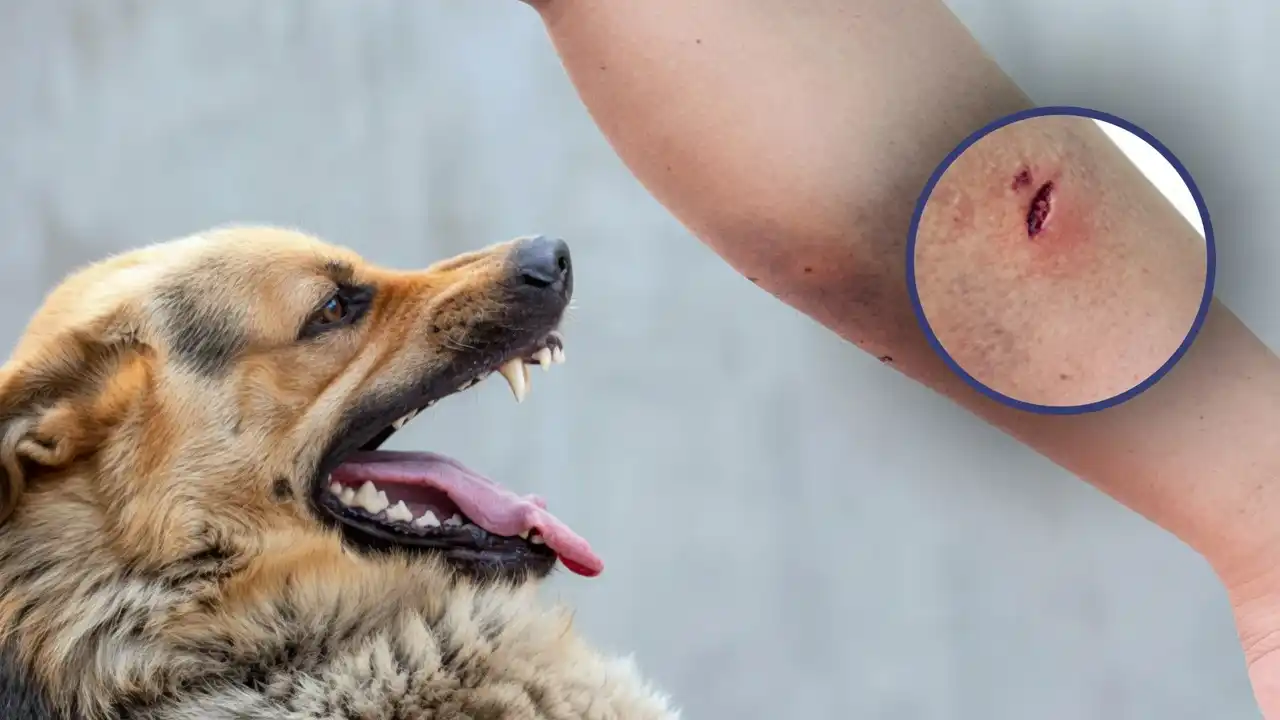
Table of Contents
Dog bite incidents, while often perceived as isolated unfortunate events, represent a significant public health concern globally. Each year, millions of people are bitten by dogs, with a substantial number requiring medical attention and facing long-term physical and psychological repercussions. Understanding the nuances of dog bites—from their causes and immediate treatment to the legal implications and emotional aftermath—is crucial for both prevention and effective response. This comprehensive guide aims to shed light on various facets of dog bites, empowering individuals to navigate these challenging situations with informed decisions and proactive measures.
Understanding Dog Bites: Types, Causes, and Statistics
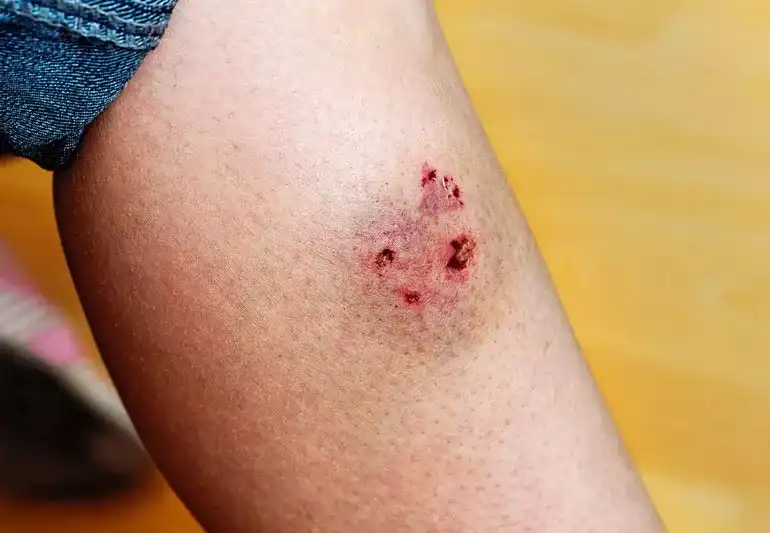
A dog bite is more than just a superficial wound; it can encompass a range of injuries and carry various risks. The severity of a dog bite can vary significantly, from minor abrasions to deep lacerations, punctures, and even crushing injuries or avulsions. Puncture wounds, though sometimes small, can be deep and carry a high risk of infection due to bacteria from the dog’s mouth being driven into the tissue. Lacerations involve torn or ragged skin, tissue, or muscle and often require immediate medical attention, potentially including stitches or reconstructive surgery. Beyond the immediate physical damage, dog bites can also lead to nerve damage, broken bones, and, in severe cases, head trauma or even death, particularly in children.
The causes of dog bites are multifaceted and often stem from a combination of factors related to the dog’s behavior, the victim’s actions, and the environment. Dogs may bite if they feel startled, scared, threatened, angry, or hungry. Common triggers include disturbing a dog while it’s eating, sleeping, or caring for puppies, or attempting to take away a toy or bone. Teasing, pinching, hitting, or pulling a dog’s ears or tail can also provoke a bite. A dog’s body language often provides warning signs, such as a tense posture, ears pinned back, lip licking, yawning, raised fur, growling, or showing teeth. Even a wagging tail doesn’t always signify friendliness; a stiff and high tail could indicate dominance or agitation.
Statistically, dog bites are a widespread issue. In the United States, approximately 4.5 million people are bitten by dogs each year. Children are disproportionately affected, with most victims under the age of 14. Children, especially those between 5 and 12 years old, and older individuals are more likely to suffer serious injuries from dog bites. Alarmingly, a significant portion of these incidents, about one in five, necessitates medical attention. While stray or unfamiliar dogs can bite, a substantial number of dog bite incidents involve dogs known to the victim, often a friend’s dog or even the family pet.
Immediate Steps After a Dog Bite: First Aid and Medical Attention
The immediate aftermath of a dog bite requires swift and appropriate action to minimize complications, particularly the risk of infection. The first priority is to move to a safe area to prevent further injury and try to calm the person who was bitten.
First Aid for a Dog Bite:
- Stop the Bleeding: If the wound is bleeding, apply direct pressure using a clean towel, gauze, or cloth for 10 to 15 minutes. Elevating the injured area, if possible, can help minimize swelling and control bleeding. Resist the urge to repeatedly check if bleeding has stopped, as this can disrupt clot formation. If bleeding doesn’t stop after 15 minutes, seek immediate medical attention.
- Clean the Wound: Thoroughly wash the bite area with mild soap and warm, clean, running water for at least five minutes. This is a critical step in reducing the risk of infection. Avoid harsh substances like hydrogen peroxide or alcohol, as they can damage tissues. Do not scrub the wound, as this may bruise the tissue.
- Apply Antiseptic and Bandage: After cleaning and gently patting the area dry with clean gauze, apply an antibiotic ointment or cream to help kill bacteria and prevent infection. Then, cover the bite with a clean, sterile dressing or bandage. Change the bandage regularly, especially if it bleeds through. Avoid using tape or butterfly bandages to close the wound, as this could trap harmful bacteria.
When to Seek Professional Medical Attention:
While minor, superficial bites might be managed at home, it is almost always advisable to see a healthcare provider after a dog bite, especially if the skin is broken. Certain situations warrant immediate medical evaluation:
- Deep or Puncture Wounds: Any bite that breaks the skin, particularly deep punctures, should be examined by a doctor. These wounds are prone to infection and may require specific treatment.
- Heavy Bleeding: If bleeding is profuse or does not stop after applying pressure, seek urgent care.
- Signs of Infection: Watch for symptoms such as increasing redness, warmth, swelling, pain, fever, or fluid leaking/pus from the bite. These can appear anywhere from 24 hours up to a few weeks after the bite.
- Bites on Sensitive Areas: Bites on the face, hands, feet, or near joints are high-risk and should be evaluated promptly.
- Unknown Animal or Vaccination Status: If the dog is a stray, unknown, or its rabies vaccination status is unconfirmed, medical consultation is crucial. Rabies is a deadly disease, although rare in vaccinated domestic dogs in the U.S.. Post-exposure prophylaxis (PEP) may be necessary if there’s a rabies risk, and it must be started before symptoms appear.
- Compromised Immune System: Individuals with weakened immune systems or certain medical conditions may be at higher risk for complications.
Medical treatment for dog bites may include antibiotics to prevent or treat bacterial infections (e.g., amoxicillin-clavulanate potassium is often the antibiotic of choice). A tetanus booster may also be administered if the person’s vaccination status is not current. The doctor will thoroughly clean the wound, and in some cases, debridement (removal of dead tissue) may be performed. Surgical closure of the wound, especially for deep bites, is sometimes controversial and depends on factors like location and infection risk.
Preventing Dog Bites: Responsible Pet Ownership and Safety Tips
Preventing dog bites is a shared responsibility, involving both dog owners and the general public. Education and proactive measures are key to reducing the incidence of these traumatic events.
For Dog Owners:
Responsible dog ownership is the cornerstone of bite prevention. Owners have a duty to take reasonable steps to prevent their pets from causing harm.
- Choose Wisely: When acquiring a dog, select a breed and individual with a temperament that fits your lifestyle and household.
- Socialization: Gradually expose puppies to various environments, people, and other animals under controlled circumstances to help them feel comfortable and reduce fear-based aggression.
- Training: Enroll your dog in humane, reward-based training classes, preferably early on. Obedience training helps establish good behavior and a strong bond. Consistent rules and clear guidance are essential.
- Supervision and Restraint: Always supervise your dog when outdoors, even in a fenced yard, and never allow them to roam alone. Keep your dog on a leash in public spaces to maintain control and ensure the safety of others.
- Veterinary Care: Ensure your dog receives all required immunizations, especially rabies vaccinations, and regular vet checkups. A healthy dog is less likely to behave aggressively due to pain or illness. Spaying or neutering can also help reduce aggressive and territorial behaviors.
- Understand Body Language: Learn to read your dog’s body language to recognize signs of anxiety, fear, or aggression, and take action to de-escalate potential conflict situations. If your dog seems stressed in crowds, leave them at home. If they react negatively to visitors, keep them in another room.
- Warning Others: If your dog has a history of aggression or you believe it might bite, warn others and tell them not to approach. Posting “Beware of dog” signs can also be a precaution.
- Address Aggression Promptly: If your dog shows aggressive behavior, even if no injury occurs, seek professional help from a certified animal behaviorist or veterinary behaviorist immediately.
For Non-Dog Owners and Children:
Interacting safely with dogs, especially unfamiliar ones, is vital for preventing bites.
- Always Ask First: Never pet someone else’s dog without asking the owner for permission.
- Let Them Sniff: If permission is granted, let the dog see and sniff your closed hand before attempting to pet them. Pet their shoulders or chest, avoiding the top of their head.
- Respect Their Space: Avoid disturbing dogs while they are eating, sleeping, chewing a toy, or caring for puppies.
- Approach Slowly and Calmly: Do not run toward or away from a dog. If an unfamiliar dog approaches you, stay quiet and still, remain calm, and avoid direct eye contact. Speaking calmly and firmly, saying “no” or “go home,” can sometimes help. Slowly back away until the dog is out of sight.
- Never Tease or Provoke: Teach children not to tease, pinch, hit, or pull a dog’s ears or tail.
- Supervise Children: Never leave a baby or young child alone with a dog, regardless of how well-behaved either is. Teach children to treat dogs gently and with respect, giving the dog its own space.
- Report Strays: If you encounter a stray or unaccompanied dog in public, do not approach it. Instead, contact your local animal control or humane society.
Legal Ramifications of Dog Bites: Liability and Compensation

The legal landscape surrounding dog bites is complex and varies significantly by jurisdiction, primarily across states in the United States. These laws determine the liability of a dog owner for injuries their pet inflicts, impacting the potential for victims to receive compensation. Understanding these legal frameworks is crucial for both dog owners and bite victims.
Broadly, state laws can be categorized into two main frameworks: strict liability and the “one-bite rule“.
1. Strict Liability Laws:
Approximately 36 states in the U.S. have strict liability laws for dog bites. Under strict liability statutes, a dog owner is automatically held responsible for any injuries their dog causes, regardless of whether the dog has shown aggressive behavior in the past or if the owner was aware of any potential aggression. In these states, the victim typically does not need to prove that the owner was negligent or knew the dog was dangerous. The owner cannot escape responsibility by claiming ignorance of the dog’s tendency to bite.
However, strict liability laws can vary. Some states may limit strict liability to only dog bites, while others extend it to other types of injuries or even property damage caused by animals. There can also be exceptions, such as if the victim was trespassing, committing a crime, or provoking the dog. For instance, some state statutes may not apply if the bite occurred on the owner’s property, or, conversely, cover only incidents on the owner’s property. Some states, like Pennsylvania, limit strict liability to medical costs only.
2. The “One-Bite Rule”:
In states that follow the “one-bite rule,” an owner is generally not held liable for a dog’s first bite unless the victim can prove that the owner knew (or should have known) the dog had a dangerous or vicious propensity. This knowledge is often referred to as “scienter”. Essentially, the rule gives dog owners a “free pass” for a first bite if they had no prior indication of the dog’s aggressive tendencies. However, if the owner was aware of the dog’s potential to cause harm (e.g., a history of snapping, lunging, or growling), they can be held liable even for the first incident. After the first incident, the owner is considered aware of the risk and can be held liable for future occurrences.
Negligence-Based Laws and Hybrid Approaches:
Some states use a negligence standard, where liability depends on whether the owner failed to exercise reasonable care to prevent the incident. This might involve failing to leash a dog in public, not securing a yard, or ignoring local leash laws. Many states also employ hybrid approaches, combining elements of both strict liability and the one-bite rule depending on the specific circumstances, such as whether the dog was restrained or unleashed.
Compensation for Victims:
Victims of dog bites may be entitled to pursue compensation for various damages, which can include:
- Medical expenses (emergency care, hospital stays, surgery, medication, therapy)
- Lost wages or earning capacity due to injury
- Pain and suffering
- Emotional distress and psychological counseling costs
- Scarring and disfigurement
- Property damage
The success of such claims relies heavily on the state’s legal framework and the ability to document injuries and expenses. It is often advisable for victims to consult with a personal injury lawyer to understand their rights and navigate the legal process.
| Legal Framework | Description | Owner’s Knowledge of Aggression | Example States (Illustrative) |
|---|---|---|---|
| Strict Liability | Owner is automatically responsible for injuries caused by their dog. | Not required for liability. | California, Florida, New Jersey, Michigan |
| One-Bite Rule | Owner is liable only if they knew (or should have known) the dog had a dangerous propensity. | Required for liability. | Texas, Alaska (rely on negligence) |
| Hybrid Laws | Combines elements of strict liability and one-bite rule, or applies negligence based on circumstances. | Varies by specific circumstances and statutes. | New York, Ohio, Colorado |
Psychological Impact of Dog Bites: Trauma and Recovery
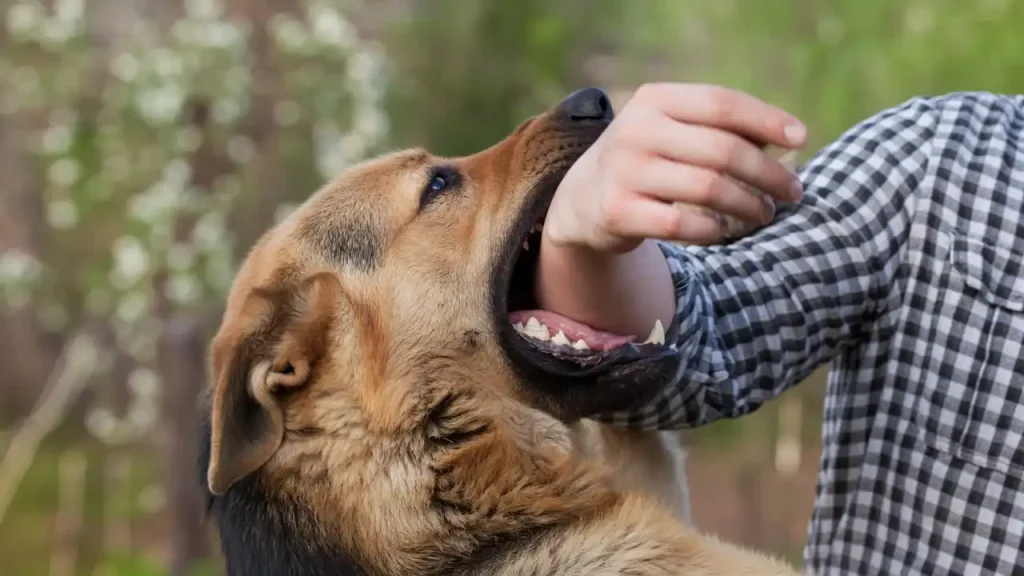
Beyond the immediate physical wounds, dog bites can leave deep and lasting psychological scars that often persist long after the body has healed. The emotional and psychological effects can be as severe, and sometimes even worse, than the physical pain, significantly disrupting a victim’s daily life and overall well-being.
A dog attack is a terrifying and traumatic event, inducing feelings of panic and helplessness in the moment. These feelings do not always dissipate once the physical injuries are treated; instead, they can evolve into long-term psychological challenges. Research indicates that dog bite victims frequently develop conditions such as depression, anxiety, and Post-Traumatic Stress Disorder (PTSD). Children are particularly vulnerable to these long-term psychological impacts.
Common Psychological Consequences:
- Post-Traumatic Stress Disorder (PTSD): This is a common and severe psychological consequence, especially in children or adults who experienced violent or prolonged attacks. Symptoms of PTSD can include:
- Intrusive Memories and Flashbacks: Recurring, unwanted thoughts about the attack, vivid flashbacks where the victim relives the event, and nightmares that disrupt sleep.
- Avoidance Behaviors: Actively staying away from dogs (known as cynophobia), places where the attack occurred, or situations that remind them of the trauma. Victims may avoid talking about the incident, leading to feelings of isolation.
- Negative Changes in Cognition and Mood: Difficulty remembering parts of the event, negative feelings about themselves, distorted thoughts, loss of interest in activities, and an inability to experience positive emotions. Emotional numbness and irritability are also common.
- Heightened Arousal and Reactivity: Increased alertness, being easily startled, and difficulty concentrating.
- Cynophobia (Fear of Dogs): Many victims, even those who previously loved animals, develop an intense and debilitating fear of dogs. This phobia can severely restrict daily activities, making it challenging to walk in neighborhoods or visit friends who own pets.
- Anxiety and Depression: General anxiety and depressive symptoms are frequently reported, contributing to a diminished quality of life.
- Social Withdrawal and Self-Esteem Issues: Visible scars, especially on the face or hands, can lead to body dysmorphic disorder, self-consciousness, and social withdrawal, causing victims to avoid social situations.
The Road to Mental Health Recovery:
Healing from the psychological effects of a dog bite requires time, care, and appropriate support systems. Psychological trauma needs as much attention as physical injuries.
- Professional Therapy and Counseling: Licensed mental health professionals can provide crucial support through therapies like cognitive-behavioral therapy (CBT) or exposure therapy to address fear, anxiety, and PTSD symptoms.
- Support System: Engaging with family and friends provides comfort and helps victims regain confidence and a sense of connection.
- Patience and Gradual Steps: Recovery is a process of taking small, manageable steps toward feeling safe again. It’s important not to pressure victims to interact with dogs again too soon.
- Legal Support: Pursuing compensation for emotional damages through a legal claim can provide resources for therapy and other mental health care, ensuring a comprehensive recovery.
Without proper treatment, PTSD and other psychological symptoms can worsen and significantly interfere with a victim’s daily life, sometimes lasting for years or indefinitely.
Dog Bite Laws and Regulations: A State-by-State Overview
As previously discussed, dog bite laws in the United States are diverse, with each state having its unique approach to liability. This patchwork of regulations is crucial for understanding an owner’s responsibilities and a victim’s rights. While strict liability and the one-bite rule form the foundational categories, the specifics within each state can vary significantly.
Strict Liability States:
In states with strict liability statutes, owners are generally held responsible for dog bite injuries regardless of the dog’s prior behavior or the owner’s knowledge of aggression. This framework aims to ensure victims receive compensation without needing to prove the owner’s negligence. However, the scope of strict liability can differ. Some states, like California, apply strict liability specifically to bites, while others, such as Illinois, extend it to any injuries caused by a dog. Exceptions often exist for provocation, trespassing, or if the victim was committing a crime. Pennsylvania’s strict liability statute, for example, primarily covers medical costs.
One-Bite Rule States:
Under the one-bite rule, an owner is typically not liable for the first bite if they had no prior knowledge of the dog’s dangerous propensities. This rule emphasizes the owner’s awareness of their dog’s potential to cause harm. If a dog had previously shown aggressive tendencies (e.g., snapping, growling, lunging), the owner is then considered to have knowledge and would be liable for subsequent incidents. States like Texas and Alaska are often cited as relying more on negligence laws, which align with the principles of the one-bite rule in requiring proof of the owner’s knowledge and failure to exercise reasonable care.
Hybrid and Negligence-Based States:
Many states adopt a hybrid approach, incorporating elements of both strict liability and the one-bite rule, or relying on traditional negligence principles. In negligence-based systems, a victim must demonstrate that the dog owner failed to act with reasonable care to prevent the bite. This could include instances where an owner failed to follow leash laws, did not secure their property, or ignored warning signs of aggression. Some states, like New York, Ohio, and Colorado, are examples of those with mixed laws where liability can depend on specific circumstances. New York, for instance, imposes strict liability for medical bills, but other damages might require proving negligence.
It is important for dog owners to be aware of the specific laws in their state and even local ordinances, as these can include provisions regarding containment, restraint, and penalties for violations. For victims, understanding the applicable laws is fundamental to pursuing a successful claim for damages. The World Health Organization highlights that dog bites cause 99% of human rabies cases globally, underscoring the critical importance of dog vaccination and bite prevention worldwide, irrespective of local liability laws.
Reporting a Dog Bite: When and How
Reporting a dog bite is a crucial step that serves multiple purposes: it ensures proper medical follow-up for the victim, helps track potential rabies exposure, and contributes to public safety by identifying potentially dangerous animals and negligent owners. Knowing when and how to report a dog bite is essential.
When to Report a Dog Bite:
Generally, any dog bite that breaks the skin or causes injury should be reported to the appropriate authorities. Specific situations that always warrant reporting include:
- Broken Skin: If the dog bite breaks the skin, even if seemingly minor, it should be reported due to the risk of infection and potential rabies exposure.
- Unknown Dog: Bites from stray, unfamiliar, or unowned dogs should always be reported to animal control. This is critical for assessing rabies risk and ensuring community safety.
- Unvaccinated Dog: If the biting dog’s rabies vaccination status is unknown or not current, reporting is imperative to determine the need for post-exposure prophylaxis for the victim.
- Signs of Illness in the Biting Dog: If the dog exhibits abnormal behavior such as hypersalivation, seizures, paralysis, or unusual irritability, it should be reported immediately, as these could be signs of rabies.
- Severe Injuries: Bites requiring significant medical attention, such as stitches, surgery, or hospitalization, should be reported to document the incident and injuries.
- Aggressive Behavior: If the dog displayed unprovoked aggression or has a history of biting, reporting can trigger investigations to prevent future incidents.
- Legal Action Consideration: If you are considering pursuing a legal claim for damages, an official report will be vital documentation.
How to Report a Dog Bite:
The reporting process typically involves contacting local authorities, usually animal control or the local health department. The steps generally include:
- Seek Medical Attention First: Prioritize immediate medical care for the bite wound. The healthcare provider will also assist in determining rabies risk and whether reporting to public health authorities is necessary.
- Identify the Dog and Owner (If Possible): Obtain the dog owner’s contact information (name, address, phone number) and the dog’s vaccination history, especially for rabies. Note the dog’s description (breed, size, color).
- Contact Animal Control or Local Health Department: These are the primary agencies responsible for investigating dog bite incidents. They will often initiate a quarantine period for the biting animal (typically 10 days for healthy dogs, cats, or ferrets) to observe for signs of rabies.
- Document the Incident: Keep detailed records of the date, time, and location of the bite, a description of what happened, photographs of your injuries, and records of all medical treatments and expenses. This documentation is critical for both health monitoring and any potential legal claims.
- Follow Up: Cooperate with animal control and health officials during their investigation. They may require additional information or follow-up from you.
Reporting helps ensure that the biting animal is assessed for rabies and that appropriate public health measures are taken. It also holds dog owners accountable for their pets’ actions and can lead to interventions that prevent future bites, contributing to safer communities.
Conclusion
Dog bite incidents, though often distressing and sometimes life-altering, are largely preventable through a combination of responsible pet ownership and educated public interaction. Understanding the various types of injuries, the critical importance of immediate first aid and medical attention, and the potential for long-term psychological impacts are all vital components of navigating these situations effectively. Furthermore, awareness of state-specific legal frameworks concerning liability and compensation empowers victims to seek justice and aids owners in fulfilling their duties. By emphasizing socialization, training, diligent supervision, and respectful interactions, communities can collectively work towards significantly reducing dog bite occurrences, fostering environments where humans and canines can coexist safely and harmoniously.