5 Dog Breeds: A Comprehensive Guide to Diversity, Traits & History
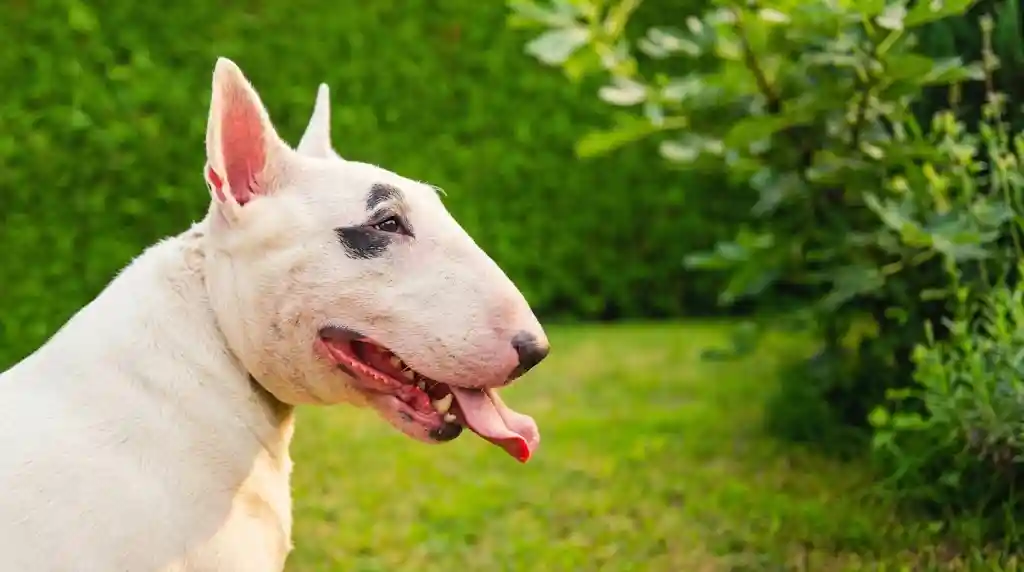
Table of Contents
Dog breeds represent one of the most remarkable examples of domestication and selective breeding in the animal kingdom, showcasing an extraordinary range of forms, functions, and personalities. From ancient lineages to modern designer dogs, the canine world is a testament to the profound bond between humans and their four-legged companions. This comprehensive article delves into the vast spectrum of dog breeds , exploring their diverse characteristics, historical origins, geographical distribution, and the specific traits that make each dog breed unique. Every one of the hundreds of dog breeds tells a remarkable story.
The Astounding Diversity of Dog Breeds
The sheer variety among dog breeds is truly astounding, encompassing an incredible array of shapes, sizes, and temperaments. Dogs are, in fact, one of the most genetically diverse species, with selective breeding over millennia leading to an unparalleled spectrum of traits. This diversity allows for a perfect canine match for virtually every lifestyle and preference, whether one seeks a compact apartment dweller or a robust working dog. From dog breeds that start with ‘A’ like the Affenpinscher and Afghan Hound to those represented across every letter of the alphabet, the canine family is expansive. Each dog breed tells a unique story of evolution and adaptation, reflecting the specific needs and environments of the humans who developed them. Understanding this vast canine tapestry is crucial for appreciating the rich history and future potential of our beloved companions.
Distinctive Physical Traits: From Egg-Shaped Heads to Erect Ears
Dog breeds possess a fascinating range of physical characteristics, with some features being so distinctive that they immediately capture attention. Among the most unique is the “egg-shaped” head, a hallmark of the Bull Terrier. This dog breed is famously characterized by a muscular build and a distinctive long, egg-shaped head profile, which is considered an unusual and defining show trait among domestic dogs. Their small, triangular eyes further contribute to their unique appearance, earning them nicknames like the “White Cavalier” in Victorian-era Britain.
Another prominent physical trait seen across various dog breeds is the presence of large, erect ears. These ears can contribute significantly to a dog’s expressive face and are often indicative of their dog breed type and sensory capabilities. The Ibizan Hound, for instance, is well-known for its graceful stance and striking amber eyes, complemented by its large, upright ears. Similarly, several African dog breeds , such as the Basenji, Nyam Nyam, and Cameroon Dog, are noted for their erect ears, a common feature in many primitive or ancient dog types.
Beyond these distinct features, some dog breeds are identifiable by their naming conventions. For example, several terrier dog breeds have names that conclude with “dale,” signifying their origins in specific valleys or dales in Great Britain. The most prominent example is the Airedale Terrier, known as the “King of Terriers” and originating from the Aire Valley in Yorkshire, England. Other terriers, such as the Patterdale Terrier, though not ending in “-dale,” maintain the tradition of being named after their geographical origins or developers in regions with “dale” or valley connotations.
Historical Roots: Ancient Egypt, Victorian Era, and the Evolution of Breeds
The history of dog breeds is deeply intertwined with human civilization, tracing back tens of thousands of years to their domestication from grey wolves. Early interactions likely began as a mutually beneficial relationship, with wolves scavenging human scraps and humans gaining alerts to predators. Over time, intentional selective breeding led to the development of distinct types of dogs, tailored for specific tasks and environments.
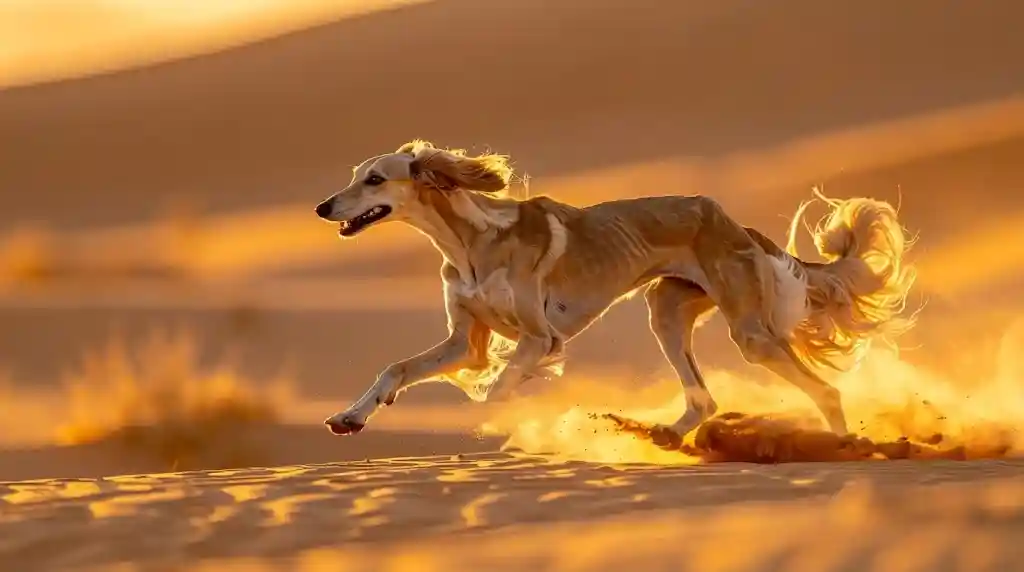
Evidence suggests the presence of dog-like canids in Ancient Egypt, depicted in murals resembling modern Greyhounds or Salukis. While DNA evidence points to the modern Greyhound’s origin in Europe during medieval times, dog breeds like the Saluki have a long and revered history in the Middle East, dating back thousands of years and revered as royalty. These ancient sighthounds were bred for speed and agility, reflecting their role in hunting fleet-footed prey across vast desert landscapes.
The Victorian Era in Great Britain saw a significant surge in dog fancying and the formalization of many dog breeds we recognize today. This period marked a shift from solely working dogs to companion animals and show dogs, leading to the establishment of breed standards and kennel clubs. Popular dog breeds during this time included the Pug, which gained immense popularity in the United Kingdom after Queen Victoria developed a passion for them. The French Bulldog, initially developed in England and later popularized in France, also became a fashionable companion dog. The Cavalier King Charles Spaniel, bred as a lap dog, was famously beloved by Queen Victoria herself, cementing its status as an adored companion. Even the Bull Terrier, with its distinctive egg-shaped head, gained a reputation as the “White Cavalier” during this era, noted for its gentlemanly demeanor. According to the American Kennel Club, the Victorian era was pivotal in shaping modern dog breeds .
The overall evolution chart of dog breeds highlights a “recent invention” of modern breeds defined by conformation to physical ideals and purity of lineage, particularly over the last two centuries in Western Europe. This period saw an explosion in genetic tinkering, transforming ancient adaptable “landraces” into the specialized dog breeds prevalent today.
| Characteristic | Description | Example Breeds |
|---|---|---|
| Head Shape | Distinctive egg-shaped head profile | Bull Terrier |
| Ear Type | Large, upright, or erect ears | Ibizan Hound, Basenji |
| Historical Significance | Ancient origins, roles in early civilizations | Saluki, Egyptian Hounds (historical art) |
| Era Popularity | Favored during the Victorian period | Pug, French Bulldog, Cavalier King Charles Spaniel |
| Geographical Origin | Native to specific regions or continents | Kombai (India), Boerboel (South Africa) |
| Cost/Size (Small & Expensive) | Small in stature, with high acquisition cost | Japanese Shiba Inu, Cavalier King Charles Spaniel |
| Temperament | Calm, adaptable, family-friendly | Labrador Retriever, Golden Retriever, Bulldog |
| Aesthetic Appeal | Often described as elegant, graceful, or striking | Afghan Hound, Doberman Pinscher |
Geographical Origins and Popularity: From Africa to Eastern Europe and New York
Dog breeds often reflect their geographical origins, with distinct populations developing unique traits suited to their native environments and local human needs. This global diversity is evident when exploring dog breeds from specific regions.
In Eritrea, like many parts of East Africa, indigenous dog populations, often referred to as “village dogs” or “landraces,” are common. These dogs are genetically diverse and adapted to local conditions, though they may not be formally recognized by major kennel clubs as distinct dog breeds . Similarly, Ethiopia is home to its own unique canine populations. The Abyssinian Sand Terrier, a hairless dog from East Africa, is believed to be an ancient type, potentially even a forebear of the Chinese Crested. While the Ethiopian Wolf is a wild canid, “Ethiopian street dogs” or “village dogs” are also noted as a genetically diverse group in the region.
Eastern Europe boasts a rich heritage of working and herding dog breeds . The Caucasian Shepherd Dog, an ancient and robust dog breed originating from the Caucasus Mountains, is a prime example of a dog deeply rooted in the region’s history, known for its guarding capabilities in cold climates. Other dog breeds , such as the Polish Tatra Shepherd Dog, Polish Hunting Dog, and Polish Hound, are also recognized by the FCI and originate from this part of the world, highlighting the functional breeding practices of the region.
In stark contrast to these traditional origins, urban environments like New York City showcase a different pattern of dog breed popularity. Due to apartment living and dense populations, smaller, adaptable dog breeds tend to be favored. The French Bulldog has recently become the most popular purebred dog in the U.S., including New York City, owing to its small size, playful nature, and suitability for urban life. Other popular dog breeds in NYC include the Poodle (in various sizes), Golden Retriever, Labrador Retriever, Dachshund, Cavalier King Charles Spaniel, Yorkshire Terrier, Shih Tzu, and Chihuahua. Interestingly, even some larger dog breeds like Greyhounds and Great Danes can thrive in city apartments due to their famously calm temperaments, provided they receive adequate exercise.
Beyond Appearance: Temperament, Trainability, and Lifestyle Compatibility
Choosing a dog breed goes far beyond mere aesthetics; temperament, trainability, and compatibility with one’s lifestyle are crucial for a harmonious relationship. Certain dog breeds are renowned for being “easy going,” making them excellent companions for families or individuals seeking a more relaxed pace of life. The Labrador Retriever and Golden Retriever are consistently praised for their friendly, adaptable, and eager-to-please dispositions, making them suitable for active families and often serving as therapy or service dogs. The Bulldog and Basset Hound are also known for their calm and low-key demeanors, making them ideal for those who prefer a more relaxed lifestyle. The Cavalier King Charles Spaniel, originally bred as a companion dog, is affectionate and adaptable, excelling as a gentle family pet. For foundational training advice that can help build trust, you might find our guide on easy commands every puppy should learn very useful.
For individuals who enjoy an active lifestyle and wish to include their canine companions in their adventures, selecting “easy to travel with” dog breeds is essential. Smaller dog breeds like the Yorkshire Terrier, Shih Tzu, and Chihuahua are often well-suited for city travel due to their compact size and adaptability to various environments. Dog breeds with an easy-going nature, like Labs and Golden Retrievers, can also be good travel partners, as they are generally adaptable and happy to be with their owners, provided their exercise needs are met.
Another interesting consideration is how “easy to draw” certain dog breeds are, a fun metric for aspiring artists or those looking for dog breeds with distinct, recognizable features. Dog breeds with clear, defined silhouettes and characteristic traits often lend themselves well to sketching. Examples frequently cited include the Dachshund with its elongated body, the fox-like Shiba Inu, the fluffy Pomeranian, the royally associated Corgi, the noble German Shepherd, and the ever-popular Golden Retriever and Labrador Retriever. Even the wrinkly-faced Pug and the compact French Bulldog are popular subjects for simple drawing tutorials.
When it comes to dogs in cinema, the Malayalam movie ‘Eko’ (also referred to as ‘Echo’) featured dogs integral to its plot. The film, which debuted in 2025, prominently used Kombai dogs, an indigenous dog breed from Tamil Nadu, India, along with one Husky. While presented as a rare Malaysian dog breed within the movie’s narrative, the real-life canine actors were Kombai dogs, chosen for their ability to portray intensity and aggression on screen. The training, which included techniques like the rebound method, emphasized precision and understanding of breed-specific traits to achieve realistic performances while ensuring the dogs’ well-being. The film’s director, Dinjith Ayyathan, and writer, Bahul Ramesh, carefully selected dogs for specific actions, with only a few performing the most spectacular jumps, highlighting the specialized nature of animal acting.
Official Recognition and the World of Kennel Clubs
The world of dog breeds is largely structured and defined by kennel clubs, with the Fédération Cynologique Internationale (FCI) being one of the most prominent international organizations. The FCI recognizes and classifies dog breeds into ten distinct groups, each based on shared physical characteristics, historical purpose, and temperament. These groups range from Sheepdogs and Cattledogs (Group 1) to Sighthounds (Group 10), encompassing dog breeds like the German Shepherd, Mastiff, Jack Russell Terrier, Dachshund, Siberian Husky, Beagle, Pointer, Labrador Retriever, Chihuahua, and Afghan Hound. This classification system provides a “map of canine personalities,” helping owners understand the instincts and requirements of different dog breeds and what guided breeders over centuries. Currently, the FCI definitively recognizes approximately 360 dog breeds , with others under provisional recognition. For more information on skin conditions, our article on dog allergy understanding and managing provides comprehensive information.
However, it is important to note that not all dog breeds are recognized by the FCI or other major kennel clubs. Many indigenous dog populations and landraces, particularly in developing regions, exist without formal recognition. For example, “African village dogs” are a genetically diverse group of indigenous dogs found across Africa. While they descend from ancient dogs, most are not formally bred or standardized, remaining as landraces rather than registered dog breeds , with the Basenji being a notable exception that has achieved recognition. Similarly, the “Ethiopian street dog” is a general term for the indigenous village dogs of Ethiopia, which, despite being a distinct genetic group, are not typically recognized by international kennel clubs. Dog breeds recognized on a provisional basis by the FCI are also not eligible for all awards, such as the CACIB (Certificat d’Aptitude au Championnat International de la FCI), until they achieve definitive recognition. The existence of these unrecognized dog breeds highlights the vast, uncatalogued diversity of canines globally.
Unique Aesthetics: Breeds with Striking and Elegant Appeals
Some dog breeds possess an undeniable aesthetic appeal, often described as striking, unique, elegant, or even delicate. These visual qualities can play a significant role in their popularity and the fascination they inspire. When considering dog breeds with a distinct and unconventional look, sometimes referred to as an “emo” appeal due to their striking or unique features, several come to mind. The Chinese Crested, with its hairless variety featuring tufts of hair on the head, tail, and ankles, presents an unparalleled and attention-grabbing appearance. The Bergamasco Sheepdog, with its unique mop-like coat of woolly locks, and the massive, wrinkle-laden Neapolitan Mastiff also stand out for their unconventional yet captivating looks. Other dog breeds like the Doberman Pinscher, with its sleek, athletic grace, and the ancient, slender Saluki, exude a powerful and unique presence. The Dalmatian, with its iconic spots, and the diverse coloration of the Catahoula Leopard Dog further exemplify dog breeds with visually striking appearances. The Azawakh and Xoloitzcuintli are also noted for their unique looks.
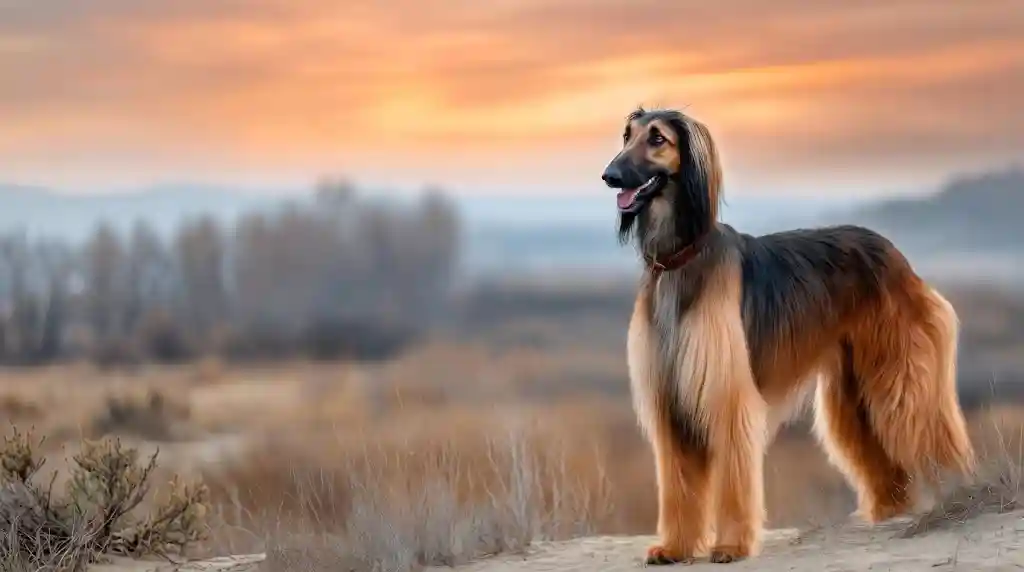
On the other end of the spectrum are dog breeds renowned for their elegance and delicate features, sometimes described as having a “feminine” appeal due to their graceful movements and refined appearances. The Afghan Hound is often considered the epitome of canine elegance, with its tall, slender build, dignified posture, and flowing, silky hair. The Irish Setter, with its stunning long red fur, and the sleek, silvery-gray Weimaraner also exhibit remarkable grace and poise. The dainty Whippet, a smaller relative of the Greyhound, is another dog breed that embodies elegance and delicate beauty. Small companion dog breeds such as the Cavalier King Charles Spaniel, with its soft, silky fur and sweet eyes, the long-haired Lhasa Apso, and the white, silky-haired Maltese are frequently cited for their beautiful and graceful characteristics, making them popular choices for those seeking an elegant lap companion.
This discussion also naturally leads to a look at expensive small dog breeds . Several smaller dog breeds command high prices due to their rarity, lineage, specific traits, or popularity. The Japanese Shiba Inu is noted as a rare and spirited spitz-type dog breed , often among the most expensive small dogs. The Cavalier King Charles Spaniel is also listed as an expensive small dog breed . Other small dog breeds that can be quite costly include the Lhasa Apso, Pekingese, Boston Terrier, Bichon Frise, and Brussels Griffon. The Miniature Dachshund has also seen an increase in price due to its enduring popularity. The prices for these premium companion dogs can range significantly, often from thousands of dollars, reflecting the demand for these desirable traits. For further exploration into the variety of dog breeds and their characteristics, one might consult resources like Wikipedia’s extensive list of dog breeds. If your dog is excessively itchy, check out our article on why is my dog itching so much for more insights. You can also learn more about dog skin infection a comprehensive guide for deeper understanding of skin health. To ensure you’re using the best products, see our recommendations for the best dog shampoo for itchy skin .
Conclusion
The world of dog breeds is a kaleidoscope of diversity, reflecting thousands of years of shared history and partnership between humans and canines. From the ancient sighthounds of the Middle East to the meticulously bred companions of the Victorian era, and from the robust working dogs of Eastern Europe to the adaptable city dwellers of New York, each dog breed embodies a unique set of physical attributes, temperaments, and histories. Understanding these myriad characteristics, whether it’s the distinctive egg-shaped head of a Bull Terrier, the elegant gait of an Afghan Hound, or the historical significance of a Kombai dog in a Malayalam film, enriches our appreciation for these incredible animals. This journey through the vast landscape of dog breeds underscores not only their incredible adaptability but also the enduring and evolving bond that makes them truly man’s best friend. If you’re just starting out, our dog grooming checklist for first-time owners is a great resource to ensure you have everything you need. You may also find our comprehensive dog grooming tips a comprehensive guide helpful for additional information. For related tips on managing behavior, you might also want to read our piece on how to stop excessive dog barking . For more help finding professional services, our guide on pet groomers near me can help you find the right support. You can also explore dog grooming near me finding the perfect for more options.
