Dog Breeds: A Comprehensive Guide to Characteristics, Care, and Global Presence 2026-27
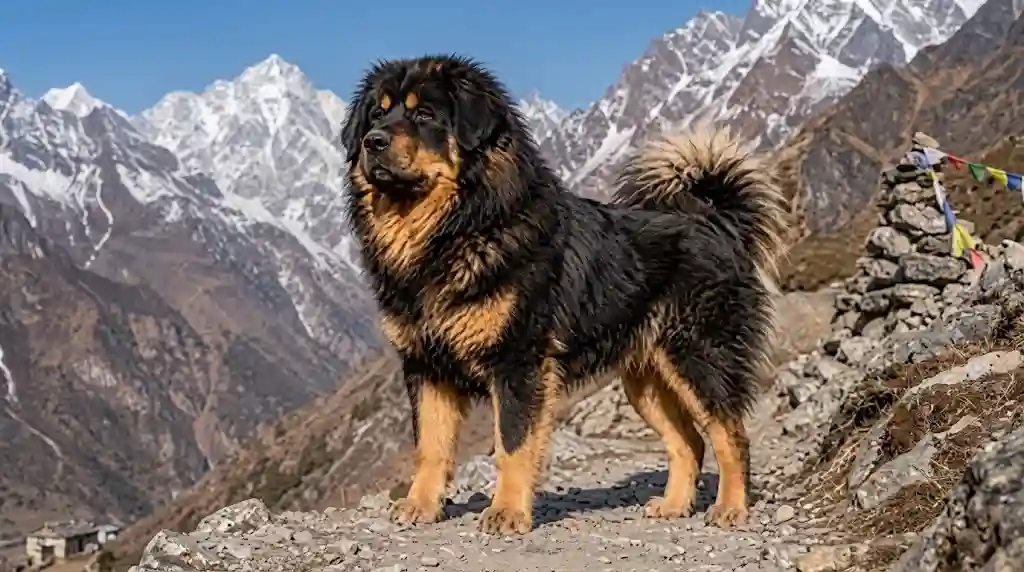
Table of Contents
Dog breeds represent an astonishing diversity of canine companions, each shaped by centuries of selective breeding for specific traits, purposes, and environments. From the rugged mountains of Himachal Pradesh to the bustling urban landscape of Hong Kong, and the icy plains of Iceland, dogs have adapted to countless roles alongside humans. This comprehensive guide delves into various aspects of dog breeds , exploring their unique characteristics, care requirements, health considerations, and global distribution. Understanding these nuances is crucial for prospective owners seeking a compatible companion and for appreciating the rich tapestry of canine existence worldwide. Every one of the hundreds of dog breeds has a unique story to tell.
Regional Dog Breeds: From Himachal to Hong Kong and Iceland
The geographical origin of a dog breed often dictates its physical attributes, temperament, and inherent abilities. Specific regions have fostered the development of dog breeds uniquely suited to their local climate and human needs.
Dog Breeds in Himachal Pradesh
Himachal Pradesh, nestled in the Indian Himalayas, is home to hardy and resilient dog breeds , primarily used for herding and guarding livestock. The Gaddi Kutta, also known as the Himalayan Gaddi Dog, Gaddi Mastiff, or Indian Leopard Hound, is a prime example. This large, mastiff-type dog is indigenous to the Himalayan regions of Himachal, Jammu and Kashmir, and Uttarakhand states. Bred by the local Gaddi shepherd community, these dog breeds are renowned for their strength, courage, and loyalty, traditionally protecting flocks of sheep and goats from formidable predators such as leopards, wolves, and bears. Gaddi Kuttas possess a thick double coat to withstand harsh mountain climates, a large head, and a deep chest. They are calm yet alert, deeply territorial, and known for their protective instincts, making them excellent livestock guardians. The Gaddi Kutta was officially registered by ICAR-NBAGR in January 2025, becoming the first Himalayan dog and India’s fourth indigenous dog breed to receive this status, an important step for its conservation given fewer than a thousand purebreds remain. Another rare dog breed from Himachal Pradesh is the Vikhan Sheepdog, a short-fur dog known for guarding livestock and its courageous, fearless, and fast-running nature.
Dog Breeds in Hong Kong (HK)
In contrast to the rural, mountainous regions of Himachal Pradesh, urban centers like Hong Kong see a prevalence of different dog breeds , often selected for their adaptability to apartment living and temperate climates. While specific indigenous dog breeds from Hong Kong are not widely recognized, popular dog breeds tend to include smaller companion dogs and those known for their good temperament in dense living conditions. These might include dog breeds like Poodles, French Bulldogs, Shih Tzus, and various terrier dog breeds , known for their manageable size and often lower exercise requirements compared to large working dog breeds .
Icelandic Dog Breeds
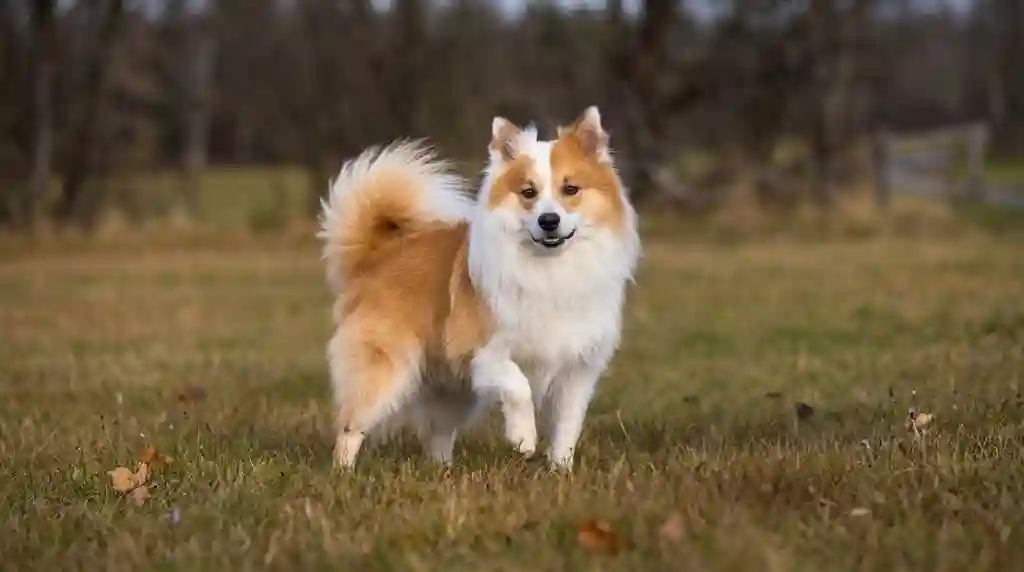
Iceland’s unique geographical isolation has led to the development and preservation of one distinct native dog breed : the Icelandic Sheepdog. This Nordic Spitz-type dog is a direct descendant of dogs brought to Iceland by Viking settlers in the 9th century. Historically, Icelandic Sheepdogs were indispensable for herding sheep, horses, and cattle, and were even used to retrieve puffins from nesting holes. Known for their sweet, affectionate, curious, and friendly temperament, they are also highly intelligent and excel in training. They possess a thick double coat, pointed ears, and a curled tail, resembling a fox. Despite their energetic nature and need for moderate exercise, they are adaptable and can live comfortably in apartments if given sufficient outdoor activity and mental stimulation. The Icelandic Sheepdog holds cultural significance, with the Alþingi (national parliament) declaring it part of the country’s cultural heritage in 1994, to be protected as a national dog breed .
Maintenance and Lifestyle: High-Energy, Laid-Back, and Cost Considerations
Choosing a dog breed involves aligning its needs with an owner’s lifestyle. Factors such as maintenance, energy levels, and financial commitment play a significant role.
High-Maintenance Dog Breeds
High-maintenance dog breeds demand substantial investment in terms of grooming, exercise, training, and attention. These dog breeds are ideal for dedicated owners who are prepared for a significant commitment. Some examples of high-maintenance dog breeds include the Afghan Hound, known for its extensive grooming needs due to its long, flowing coat. Other high-maintenance dog breeds often include those with high energy levels, such as the Siberian Husky, which requires astonishing amounts of exercise, sometimes needing to run up to 100 miles a day to satisfy its innate drive. Border Collies also fall into this category of dog breeds , requiring consistent physical and mental stimulation due to their high intelligence and working dog heritage. Yorkshire Terriers, despite their small size, are considered high-maintenance dog breeds due to their grooming requirements and need for consistent attention to prevent bossy or scrappy behavior. Understanding which dog breeds are high-maintenance is crucial for prospective owners.
Dog Breeds for Laid-Back Owners
Conversely, some dog breeds are better suited for owners with a more relaxed lifestyle, requiring less intense exercise or grooming. While all dogs need care, these dog breeds generally adapt well to calmer environments. Dog breeds that might fit this description often include those known for being less hyper and more content with moderate activity, although it’s important to research individual dog breed characteristics for a perfect match. For related tips on managing behavior, you might also want to read our piece on how to stop excessive dog barking .
Dog Breeds: How Much Does Ownership Cost?
The financial aspect of dog ownership is a critical consideration. The cost of owning a dog breed can vary significantly, typically ranging from $1,200 to $4,500 per year in the US, with dog breed size being the primary determinant. Larger dog breeds generally incur higher costs for food, medication, and boarding. The first year of ownership is often more expensive due to initial setup costs, vaccinations, and spaying or neutering, which can add an extra $500 to $1,500. Ongoing expenses include food, routine veterinary care, preventatives, and grooming. For instance, a small dog breed can cost as much as 63% less per year than a large-to-giant dog breed . Dog breeds with specific health predispositions or extensive grooming needs, like Poodles, can also lead to higher long-term expenses.
Health, Identification, and Global Overview of Dog Breeds
Understanding the health predispositions of different dog breeds , how to identify them, and the sheer number of recognized dog breeds worldwide provides a holistic view of the canine kingdom.
Dog Breeds Prone to IBD
Inflammatory Bowel Disease (IBD) is a chronic condition in dogs characterized by inflammation in the gastrointestinal tract. While the exact cause is unknown, it’s believed to be a combination of genetic predisposition, abnormal immune responses to food, and alterations in gut flora. Certain dog breeds show an increased prevalence or predisposition to IBD. These dog breeds include Basenjis, Soft-Coated Wheaten Terriers, Boxers, French Bulldogs, Doberman Pinschers, Mastiffs, Alaskan Malamutes, German Shepherds, Yorkshire Terriers, Chinese Shar-Peis, Norwegian Lundehunds, English Bulldogs, Irish Setters, and Rottweilers. Owners of these dog breeds should be particularly vigilant.
How Many Dog Breeds Are There in the World?
The question of how many dog breeds exist globally is complex due to varying criteria among different kennel clubs and registries. Estimates range significantly, but it’s generally understood that there are over 400 dog breeds worldwide. The Fédération Cynologique Internationale (FCI), the largest internationally accepted registry, recognizes over 360 dog breeds , categorized into 10 groups based on purpose, function, appearance, or size. The American Kennel Club (AKC) recognizes just over 200 dog breeds , while the UK’s Kennel Club lists over 220. These numbers do not include experimental dog breeds or numerous mixed-breed dogs, highlighting that any count is likely an underestimation. Approximately 400 separate dog breeds of purebred dogs are recognized globally, with a purebred dog defined as one whose genealogy is traceable for three generations within the same dog breed .
Hyperactivity and Companion Suitability
The energy levels of dog breeds vary immensely, impacting their suitability for different owners and living situations. Matching a dog breed ‘s energy to an owner’s activity level is key to a harmonious relationship.
Hyper Dog Breeds
Hyper dog breeds possess inherently high energy levels and require significant physical and mental stimulation to prevent boredom and destructive behaviors. Many of these dog breeds were originally bred for demanding working roles. Some of the most hyper dog breeds include:
- Border Collie: Known for their exceptional intelligence and boundless energy, bred for herding.
- Siberian Husky: Bred for running long distances and pulling sleds, requiring extensive daily exercise.
- Australian Shepherd: Another highly energetic herding dog breed .
- Jack Russell Terrier: Small but mighty, with a high prey drive and a need for constant activity.
- Labrador Retriever: Energetic and playful, especially in their younger years.
- Golden Retriever: Similar to Labradors in their need for activity and play.
- Dalmatian: Bred for endurance, known for their speed and high energy.
- Boxer: Playful and energetic, often maintaining puppy-like energy into adulthood.
- Belgian Malinois: Intense working dogs with very high energy and drive.
- Vizsla: Known for their high stamina and need for consistent exercise.
These dog breeds thrive in active homes where their need for exercise can be met through activities like hiking, running, dog sports, or extended play sessions.
Dog Breeds for Laid-Back Owners
For individuals or families with a less active lifestyle, certain dog breeds tend to be more relaxed and require less strenuous exercise. These dog breeds are often content with moderate walks and indoor companionship. Examples might include Basset Hounds, Greyhounds (surprisingly laid-back indoors despite their speed), Cavalier King Charles Spaniels, and some Bulldog varieties. However, even “laid-back” dog breeds benefit from regular exercise and mental engagement to maintain their health and happiness.
Dog Breeds: “Human Girl” – A Note on Companionship
The term “dog breeds human girl” likely refers to dog breeds that are particularly good companions for individuals, often highlighting traits like affection, gentleness, and adaptability to a home environment. Many dog breeds are known for forming strong bonds with their human family members. Dog breeds like Golden Retrievers, Labradors, Beagles, Poodles, and Cavalier King Charles Spaniels are frequently praised for their friendly dispositions, patience, and ability to integrate well into family life, making them excellent companions for people of all ages. For foundational training advice that can help build trust, you might find our guide on easy commands every puppy should learn very useful.
IBD and Breed Predisposition
Understanding breed-specific health concerns is a crucial aspect of responsible pet ownership. Inflammatory Bowel Disease (IBD) is one such condition that affects several dog breeds more frequently than others.
IBD is a chronic inflammatory condition of the gastrointestinal tract that can cause symptoms like weight loss, vomiting, diarrhea, and changes in appetite. While the exact cause is multifaceted, including genetic factors, immune responses, and gut flora, certain dog breeds have a higher genetic predisposition.
| Dog Breed | Predisposition to IBD | Notes |
|---|---|---|
| Basenji | High | Known for a specific form of IBD called immunoproliferative enteropathy. |
| Soft-Coated Wheaten Terrier | High | Often susceptible to protein-losing enteropathy and nephropathy, related to IBD. |
| Boxer | Moderate to High | Can be prone to a type of IBD known as histiocytic ulcerative colitis. |
| German Shepherd | Moderate to High | Increased prevalence compared to mixed breeds. |
| French Bulldog | Moderate | Included in dog breeds with predisposition. |
| Doberman Pinscher | Moderate | Listed among dog breeds susceptible to IBD. |
| Mastiff | Moderate | Certain types may be predisposed. |
| Alaskan Malamute | Moderate | Reported as having a predisposition. |
| Yorkshire Terrier | Moderate | Increased prevalence noted in some studies. |
| Chinese Shar-Pei | Moderate | Susceptible to IBD. |
| Norwegian Lundehund | High | Known for a severe form of IBD. |
| Irish Setter | Moderate | Can be predisposed. |
| Rottweiler | Moderate to High | Higher risk compared to mixed-breed dogs. |
For owners of these dog breeds , it is particularly important to be vigilant for symptoms of IBD and to work closely with a veterinarian on diet, diagnostics, and treatment plans. Early intervention can significantly improve a dog’s quality of life. More information on canine IBD can be found on authoritative veterinary resources, such as the Cornell University College of Veterinary Medicine’s overview of Inflammatory Bowel Disease in dogs. If your dog is excessively itchy, check out our article on why is my dog itching so much for more insights. For more information on skin conditions, our article on dog allergy understanding and managing provides comprehensive information.
Breed Naming Conventions and Unique Traits

Dog breeds are often named to reflect their origin, function, or distinctive physical characteristics. This section explores dog breeds with specific naming patterns and those known for striking visual traits.
Dog Breeds Ending in “ian”
While not a comprehensive list, several dog breeds have names ending in “ian,” often indicating a geographical origin or a historical connection. Examples might include the Karelian Bear Dog, from Karelia, a region shared by Finland and Russia, or the Anatolian Shepherd Dog, originating from Anatolia in Turkey. These suffixes typically denote “of or pertaining to” a certain place or people, reflecting their historical development.
Dog Breeds with Ice Blue Eyes / Icy Blue Eyes
One of the most captivating traits in the canine world is the presence of striking ice blue or icy blue eyes. This characteristic is particularly common in certain dog breeds , often due to specific genetic factors, sometimes associated with coat color. The most well-known dog breed for this trait is the Siberian Husky, where bright blue eyes are a hallmark and can occur independently of coat color or even heterochromia (one blue eye, one brown eye). Other dog breeds where blue eyes can appear, though less commonly or often linked to merle patterns, include the Australian Shepherd, Border Collie, and some types of Dachshunds. The Alaskan Malamute, while similar in appearance to the Husky, almost always has brown eyes, making the blue eye trait a key differentiator between these two dog breeds .
Dog Breeds Ending in “ie”
Dog breeds with names ending in “ie” often have an endearing or diminutive quality, though their temperaments can vary widely. Examples include the Border Collie, a highly intelligent and energetic herding dog; the Jack Russell Terrier, a small but spirited hunting dog; and the Cairn Terrier, a playful and hardy dog breed . These suffixes might reflect historical naming conventions or simply be common patterns in certain regional naming traditions.
Illegal Dog Breeds in New Zealand
New Zealand has strict regulations regarding the importation and ownership of certain dog breeds , primarily driven by public safety concerns. These breed-specific legislations aim to control dog breeds deemed dangerous or menacing.
The Dog Control Act in New Zealand prohibits the import of several dog breeds and types known for being dangerous or aggressive. The dog breeds that are banned from import into New Zealand are:
- Brazilian Fila (Fila Brasileiro)
- Dogo Argentino
- Japanese Tosa
- Perro de Presa Canario (Presa Canario)
- American Pit Bull Terrier (and dogs deemed wholly or predominantly of Pit Bull type)
While it is illegal to import these dog breeds , owning them within New Zealand is not automatically against the law if they were already present and registered under the Dog Control Act 1996, or if they are certified as guide, hearing, or companion dogs. However, dogs classified as menacing by breed or behavior face strict regulations, including mandatory muzzling in public, desexing (unless certified unfit), and microchipping. Owners of classified dog breeds must also meet requirements for secure fencing and display warning signs on their property. For more help finding professional services, our guide on pet groomers near me can help you find the right support. You can also learn more about dog skin infection a comprehensive guide for deeper understanding of skin health. To ensure you’re using the best products, see our recommendations for the best dog shampoo for itchy skin .
Conclusion
Dog breeds offer a fascinating study in adaptation, purpose, and companionship. From the ancient guardians of the Himalayas to the cherished house pets of urban dwellers, each dog breed brings its own set of characteristics, needs, and joys. Whether seeking a high-energy partner for outdoor adventures, a calm companion for a relaxed home, or a vigilant protector, the diversity among dog breeds ensures there is a suitable canine for nearly every lifestyle. However, responsible ownership necessitates a thorough understanding of a dog breed ‘s specific requirements, including potential health concerns, maintenance levels, and legal restrictions, ensuring a healthy and fulfilling life for both dog and owner. The ever-evolving landscape of dog breeds , influenced by human preference and natural selection, continues to enrich our lives with these incredible animals. If you’re just starting out, our dog grooming checklist for first-time owners is a great resource to ensure you have everything you need. You may also find our comprehensive dog grooming tips a comprehensive guide helpful for additional information. You can also explore dog grooming near me finding the perfect for more options.
