Dog Growth on Paw: 7 Warning Signs, Causes & Effective Treatments
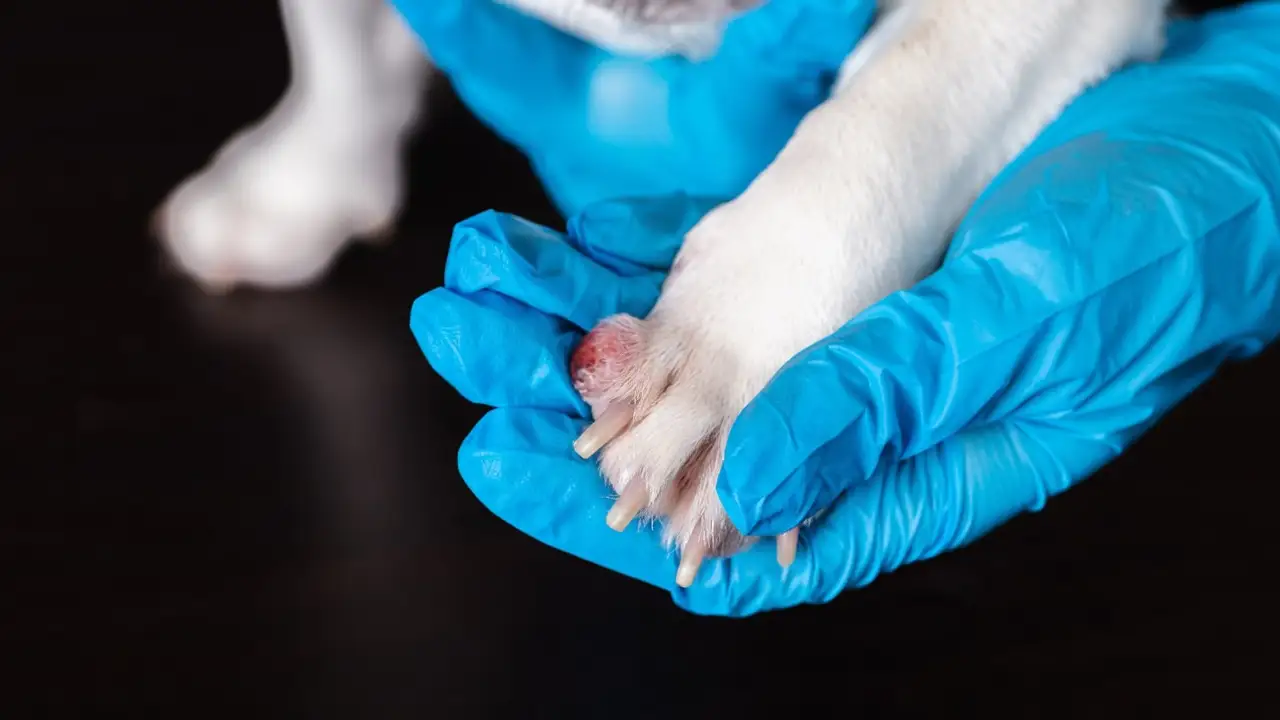
Table of Contents
Dog growth on paw can be a source of significant concern for pet owners, presenting as anything from a minor bump to a serious underlying health issue. The paws are complex structures, constantly exposed to various elements and stressors, making them susceptible to a wide array of growths, lumps, and swellings. While not all growths are malignant, any new or changing mass on a dog’s paw warrants prompt veterinary attention to ensure an accurate diagnosis and appropriate treatment. Early detection is crucial, as it often leads to better outcomes, particularly when dealing with cancerous conditions. This comprehensive guide will delve into the different types of paw growths, their potential causes, observable symptoms, diagnostic procedures, available treatment options, and preventive measures to help maintain your dog’s paw health.
Common Types of Growths on Dog Growth on Paw
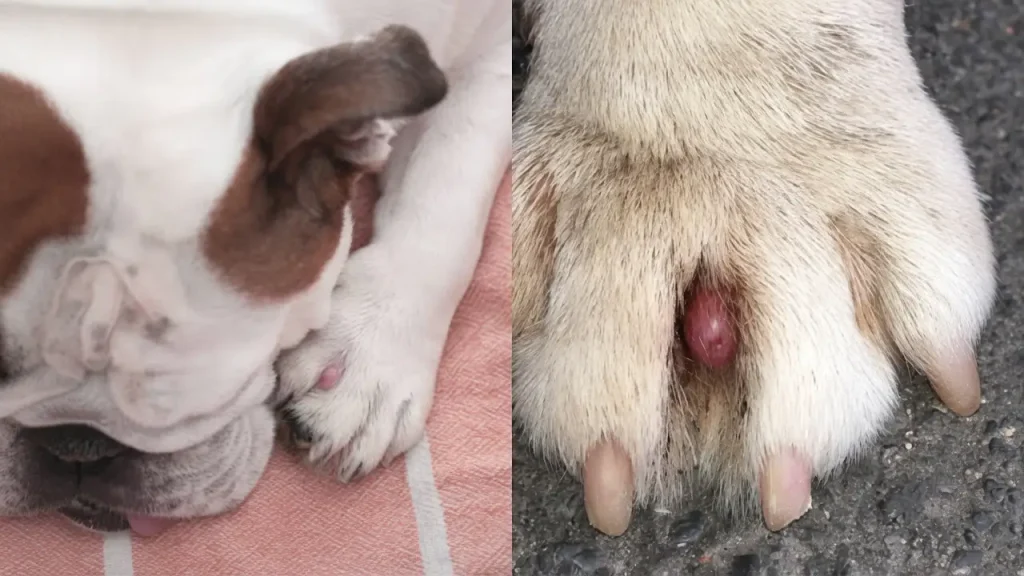
Growths on a dog’s paw can vary widely in appearance, size, and underlying nature. They can develop anywhere on the paw, including between the toes, on the paw pads, and at the nail bed. It’s often impossible to tell if a growth is benign or malignant simply by looking at it. Therefore, veterinary examination is essential for accurate identification.
Benign Growths
- Lipomas: These are fatty, benign growths that originate from fat cells beneath the skin’s surface. While typically harmless, they may require removal if they cause discomfort or impede movement, especially on the paw where friction is common.
- Histiocytomas: Common in young dogs (typically under two to three years of age), histiocytomas are benign tumors arising from immune cells in the skin. They often appear as small, pink or red, dome-shaped, button-like growths and frequently resolve on their own within one to three months.
- Papillomas (Warts): Caused by the canine papillomavirus, these appear as small, irregular, cauliflower-like growths. They are more common in young dogs with developing immune systems and often resolve spontaneously as the immune system clears the virus.
- Sebaceous Cysts: These form when a sebaceous gland becomes blocked, trapping natural oils beneath the skin’s surface. They are typically slow-growing, smooth, rounded lumps that may rupture and release a thick, white or yellowish discharge. While benign, they can become inflamed or infected, especially on the paw due to constant pressure and movement, sometimes requiring surgical removal.
- Interdigital Cysts (Furuncles): Often referred to as interdigital furunculosis, these are inflamed bumps or nodules located between the toes. Despite their name, they are not true cysts but rather deep infections and inflammation of hair follicles that can rupture and leak fluid. They are painful and common in breeds with short, coarse hair or wide paws.
- Plasmacytomas: These are typically solitary, pink or red, hairless masses that tend to occur in older Dog Growth on Paw . Though benign, surgical removal is often recommended if they become large or ulcerated.
Malignant (Cancerous) Growths
Malignant tumors on a Dog Growth on Paw are often aggressive and can spread to other parts of the body, such as lymph nodes, lungs, liver, or spleen. Early diagnosis and intervention are critical for a better prognosis.
- Melanomas: These are tumors that arise from pigment-producing cells (melanocytes). While some skin melanomas are benign, those that grow on paw pads, nail beds, lips, eyelids, nostrils, and genital areas have a much higher chance of being cancerous and are often aggressive. They can be black, brown, or even unpigmented (amelanotic). Digital melanomas, involving the nail bed or paw pads, are particularly aggressive and prone to metastasis.
- Squamous Cell Carcinomas (SCCs): This aggressive form of cancer affects the skin cells and can appear on a Dog Growth on Paw, particularly in areas exposed to the sun. SCCs can be reddened, slightly raised, crusted, scaly, or plaque-like, and may invade local tissues and bones.
- Mast Cell Tumors (MCTs): One of the most common types of skin cancer in Dog Growth on Paw , MCTs are often called “the great pretender” because they can appear in many forms and locations, including on the paws. They can range from low-grade and slow-growing to highly aggressive and may appear as an irritated lump that is red or pink.
- Soft Tissue Sarcomas (Fibrosarcomas/Nerve Sheath Tumors): These are deep-seated, firm tumors that can involve bone and have the potential to spread.
- Osteosarcoma: This is a bone-origin tumor that can arise from toe bones, causing swelling and lameness.
- Basal Cell Carcinomas: While generally more often benign in Dog Growth on Paw , malignant basal cell carcinomas can occur. They may be pigmented (black) or pink/flesh-colored and can become ulcerated.
Causes and Risk Factors for Paw Growths
The development of paw growths can be attributed to a variety of factors, some of which are still not fully understood. It’s often a combination of genetic, environmental, and physiological elements:
- Genetic Predisposition and Breed: Certain breeds are more prone to specific types of growths. For example, Chow Chows, Doberman Pinschers, and Golden Retrievers may be predisposed to melanomas. Labrador Retrievers are known for lipomas and are among breeds susceptible to interdigital cysts, as are English Bulldogs, Mastiffs, and Great Danes. Boxers, Boston Terriers, and Pugs have higher rates of mast cell tumors.
- Age: The likelihood of developing skin growths, both benign and malignant, increases with age. Older Dog Growth on Paw accumulate more growths over time due to years of cellular activity and environmental exposure. Plasmacytomas and sebaceous cysts are more common in middle-aged and senior pets.
- Trauma and Chronic Irritation: Repeated trauma, minor skin injuries, or friction can contribute to the formation of cysts and inflammatory lesions. Chronic licking or chewing at the paws, often due to allergies, boredom, anxiety, or pain, can lead to lick granulomas (acral lick dermatitis) or exacerbate existing growths. Ingrownhairs between the toes can also be a factor in interdigital cysts.
- Infections: Bacterial, fungal, parasitic, or viral infections can cause inflamed lumps and abscesses. Interdigital cysts, for instance, are often a reaction to inflamed hair follicles and can become infected. Foreign bodies like grass seeds, splinters, or thorns can also introduce bacteria and lead to infections and granulomas.
- Allergies: Allergy-induced paw inflammation is a common cause of interdigital cysts, and allergies can also trigger eosinophilic granulomas.
- Environmental Factors: Sun exposure can increase the risk of squamous cell carcinomas, especially in Dog Growth on Paw with light-colored fur.
- Weight: Overweight or obese Dog Growth on Paw may experience increased pressure on the interdigital spaces, contributing to the development of interdigital cysts.
Symptoms and When to Seek Veterinary Attention
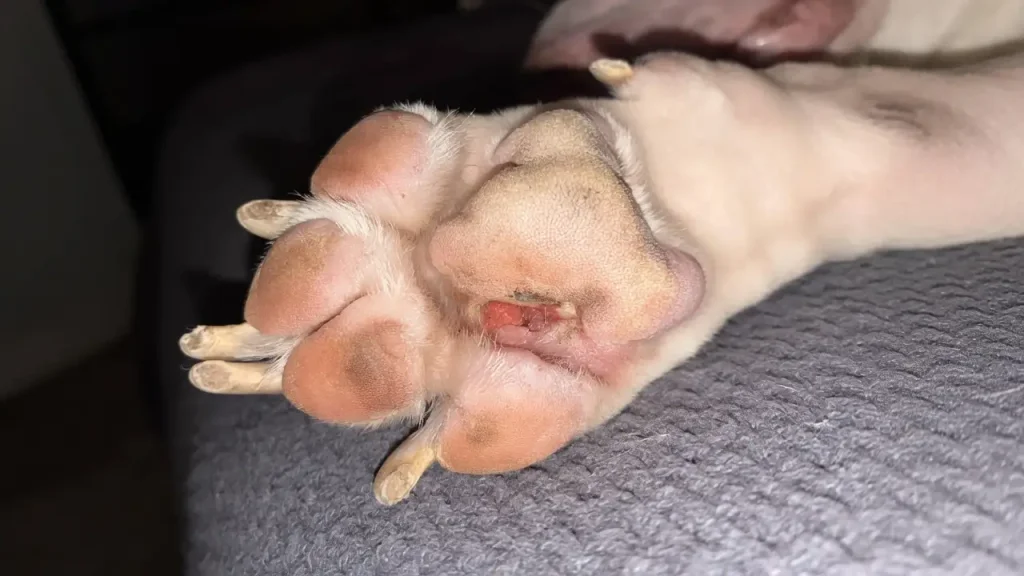
Recognizing the signs of a paw growth early is vital for effective treatment. Pet owners should regularly inspect their Dog Growth on Paw, especially after outdoor activities, and be vigilant for any changes. Symptoms of a growth on a Dog Growth on Paw can include:
- Visible Lumps, Bumps, or Swelling: A new or changing mass anywhere on the paw, including between the toes, on paw pads, or at the nail bed.
- Limping or Lameness: The Dog Growth on Paw may favor a paw, show reluctance to walk, or have difficulty bearing weight, particularly if the growth is painful or impedes movement.
- Excessive Licking, Chewing, or Biting at the Paw: This often indicates discomfort, pain, or itchiness at the site of the growth. This can also worsen the problem, leading to secondary infections.
- Redness, Inflammation, or Discoloration: The skin around the growth may appear inflamed, red, or purplish. Melanomas can be black or brown.
- Bleeding or Discharge: The growth may bleed, ooze, or have a discharge (clear, blood-tinged, pus-like, or straw-colored), especially if it has ruptured or become ulcerated.
- Changes to Nails: A nail may appear loose, malformed, growing in a different direction, or even fall off.
- Open Sores or Ulceration: The skin over the growth may break open.
- Thickened Skin or Hair Loss: Around the affected area, skin may become thickened, or hair loss may occur.
- Systemic Signs: In aggressive cancers that have spread, Dog Growth on Paw may show lethargy, loss of appetite, weight loss, trouble breathing, or enlarged lymph nodes.
While a growth on a Dog Growth on Paw is not always an emergency, it is crucial to contact your veterinarian promptly for an appointment. Early intervention often leads to a better outcome than a “wait-and-see” approach.
Diagnosis of Paw Growths
When a growth is discovered on your Dog Growth on Paw, your veterinarian will conduct a thorough examination and recommend diagnostic tests to determine its nature. The goal is to distinguish between benign and malignant growths and identify the underlying cause. The diagnostic process may include:
- Physical Examination and History: The vet will examine the paw and the rest of your Dog Growth on Paw body, assessing the growth’s size, location, texture, color, and any associated pain or discomfort. They will also ask about the growth’s history, including when it appeared, how quickly it grew, and any changes observed.
- Fine Needle Aspiration (FNA) and Cytology: This is a quick and minimally invasive procedure where a small needle is used to collect cells from the mass. These cells are then examined under a microscope (cytology) to help differentiate between inflammatory cells, benign cells, or cancerous cells. FNA can diagnose common conditions like lipomas, cysts, and even mast cell tumors.
- Biopsy and Histopathology: If FNA results are inconclusive, or if cancer is strongly suspected, a surgical biopsy may be necessary. This involves removing a small portion or the entire mass for comprehensive analysis by a veterinary pathologist. The pathologist determines the tumor type, grade, and invasion depth, which is crucial for prognosis and treatment planning.
- Imaging Tests:
- X-rays: Foot X-rays may be performed to assess if the growth has affected the underlying bone or nail structure. Chest X-rays are often recommended to check for metastasis (spread of cancer) to the lungs, a common site for many types of canine cancers.
- Ultrasound: An ultrasound may be performed to rule out potential spread of cancer to vital organs in the abdomen or to evaluate local lymph nodes for enlargement.
- Bloodwork and Urinalysis: These tests provide information about the Dog Growth on Paw overall physical status, organ function, and can help rule out systemic infections or other health issues.
| Type of Paw Growth | Common Characteristics | Typical Age Group | Malignancy Potential | Urgency for Vet Visit |
|---|---|---|---|---|
| Lipoma | Soft, movable, fatty lump under skin | Older dogs | Benign | Routine (if not bothering dog) |
| Histiocytoma | Small, pink/red, dome-shaped, button-like | Young dogs (<3 years) | Benign (often self-resolving) | Prompt, but usually not emergency |
| Papilloma (Wart) | Cauliflower-like, irregular growth | Young and immunocompromised dogs | Benign (often self-resolving) | Routine (if not causing irritation) |
| Sebaceous Cyst | Smooth, rounded lump, may rupture/discharge oily material | Middle-aged to senior dogs | Benign | Prompt (if inflamed/ruptured) |
| Interdigital Cyst/Furuncle | Inflamed, painful bump between toes, may rupture/drain | All ages, certain breeds (short-haired, wide paws) | Inflammatory/Infectious (not cancerous) | Prompt (due to pain/infection) |
| Melanoma | Often pigmented (black/brown), raised or flat, can ulcerate | Older dogs | High (especially on paw) | Urgent |
| Squamous Cell Carcinoma (SCC) | Reddened, raised, crusty, scaly, plaque-like | Older dogs, sun-exposed areas | High | Urgent |
| Mast Cell Tumor | Highly variable, can be red/pink, irritated lump | All ages, certain breeds (Boxers, Pugs) | Variable (benign to highly aggressive) | Urgent |
Treatment Options for Paw Growths
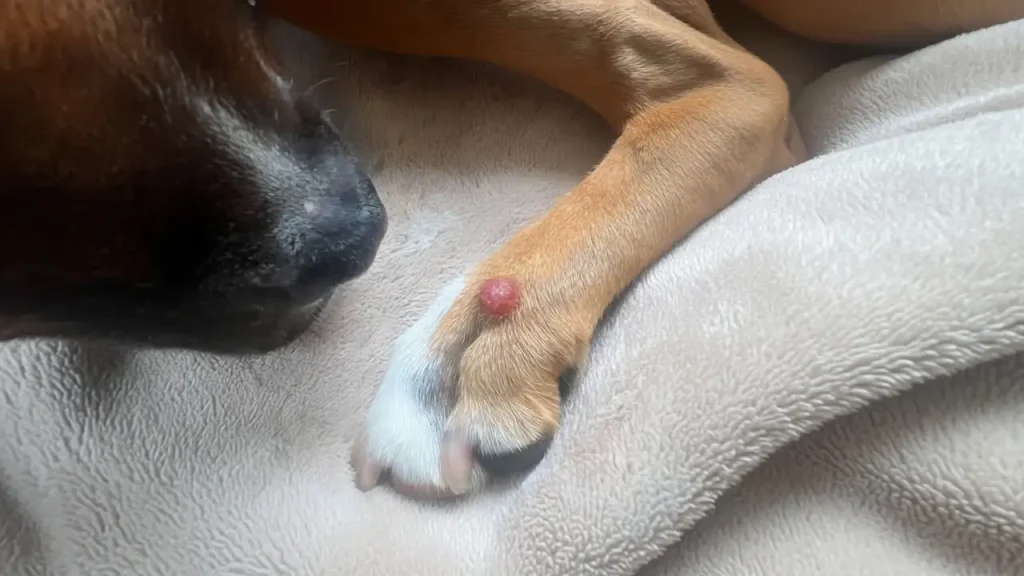
Treatment for paw growths depends heavily on the type of growth, its size, location, whether it’s benign or malignant, and if it has spread. Your veterinarian will tailor a treatment plan specific to your Dog Growth on Paw needs.
Surgical Interventions
Surgery is a common and often primary treatment for many paw growths, especially for malignant tumors or those causing discomfort.
- Local Excision: For small, benign tumors with clean margins, local surgical removal is often effective. Complete removal with sufficient margins is essential to minimize recurrence, particularly for cancerous growths.
- Toe or Leg Amputation: In cases of aggressive malignant tumors (like melanoma or osteosarcoma) affecting a single toe or if the tumor is extensive and invasive, amputation of the affected toe or even the leg may be recommended to prevent spread and offer the best chance of control. This can offer excellent disease control and often a full recovery.
- Debulking: In some instances, if complete removal is not feasible, a debulking procedure might be performed to reduce the tumor size, making other treatments like chemotherapy or radiation more effective. However, debulked tumors often recur.
Non-Surgical Treatments
- Cryotherapy and Laser Therapy: These techniques use extreme cold or focused light, respectively, to destroy abnormal cells. They may be options for certain types of benign growths or smaller, superficial lesions.
- Medications:
- Antibiotics: Prescribed for bacterial infections associated with interdigital cysts, abscesses, or secondary infections from licking.
- Anti-inflammatories and Pain Medications: Used to manage pain and swelling, especially for painful cysts or tumors. Non-steroidal anti-inflammatory drugs (NSAIDs) like carprofen or gabapentin may be prescribed.
- Antihistamines: May be used if allergies are an underlying cause of paw irritation and inflammation.
- Chemotherapy: Recommended for aggressive or metastatic cancers. It can be administered intravenously or orally and aims to target remaining cancer cells and reduce the risk of recurrence. Chemotherapy can be expensive and requires close monitoring due to potential side effects.
- Radiation Therapy: An option for some tumors, especially if surgery is not feasible or if clean margins were not achieved. It targets cancer cells with high-energy radiation, but often requires multiple sedation sessions at specialized facilities.
- Stelfonta®: An injectable medication for certain mast cell tumors of a specific size, offering a non-surgical option in some cases.
- Oral Melanoma Vaccine: Occasionally used post-surgery for digital melanoma to help reduce recurrence by stimulating an immune response.
- Topical Treatments: Medicated shampoos, soaks (e.g., saltwater), or specific gels (like aloe vera) may be used to clean and soothe inflamed areas, particularly for interdigital cysts or minor skin irritations.
- Supportive Care: This includes using protective barriers like recovery collars (E-collars) to prevent excessive licking and chewing, which can worsen lesions and secondary infections. Soft booties may also be used to prevent injury to a mass or protect sensitive paws.
For more detailed information on canine health and conditions, including various tumor types, a reputable resource like Wikipedia’s page on Dog Health can provide valuable general context.
Prevention and Long-Term Paw Care
While not all paw growths can be prevented, implementing regular paw care routines and being vigilant can significantly reduce the risk and ensure early detection, leading to better outcomes. Proactive measures are key to maintaining your Dog Growth on Paw overall paw health and comfort.
- Regular Paw Inspections: Develop a habit of checking your Dog Growth on Paw weekly, or even daily, especially after walks or outdoor activities. Look for any new lumps, bumps, swelling, redness, discharge, limping, or changes in nail appearance. Pay close attention to the areas between the toes, paw pads, and nail beds.
- Good Paw Hygiene: Keep paws clean and dry. Gently wipe or rinse paws after walks to remove dirt, allergens, debris, and potential foreign bodies like grass seeds, splinters, or thorns. For long-haired breeds, regular trimming of fur between the paw pads can prevent matting and debris buildup.
- Sun Protection: For Dog Growth on Paw with light-colored fur or those spending a lot of time outdoors, consider applying pet-safe sunscreen to their paws and limiting sun exposure, especially during peak hours, to reduce the risk of sun-induced skin cancers like squamous cell carcinoma.
- Address Underlying Causes of Licking: If your Dog Growth on Paw excessively licks their paws, identify and address the root cause. This could be allergies, pain (e.g., arthritis), anxiety, or boredom. Consulting your vet for appropriate diagnosis and management of these issues is crucial to prevent lick granulomas and secondary infections.
- Maintain a Healthy Weight: Obesity can increase pressure on a Dog Growth on Paw, potentially contributing to conditions like interdigital cysts. A balanced diet and regular exercise can help maintain a healthy weight and overall well-being.
- Protective Footwear: For Dog Growth on Paw walking on rough terrain, hot pavement, ice, or those with existing paw sensitivities or deformities, protective booties or paw waxes can offer a layer of protection against environmental irritants and injuries.
- Regular Veterinary Check-ups: Schedule routine veterinary visits to monitor your Dog Growth on Paw overall health and catch any potential issues early. Your vet can also provide guidance on breed-specific predispositions and preventive strategies.
Conclusion
Dog growth on paw is a broad category encompassing a wide range of conditions, from harmless cysts and fatty tumors to aggressive cancers. The paws are vital for a dog’s mobility and quality of life, making any growth in this area a significant concern. While some growths may be benign and self-resolving, others, particularly malignant tumors like melanomas or squamous cell carcinomas, require urgent attention and aggressive treatment. Vigilant paw inspections, understanding common symptoms, and seeking prompt veterinary care are paramount for early detection and successful management. A thorough diagnostic process involving physical exams, fine needle aspirations, biopsies, and imaging is essential to accurately identify the type of growth. Treatment options vary widely, from surgical removal and medication to advanced therapies like chemotherapy and radiation. By being proactive in paw care and consulting your veterinarian at the first sign of an abnormality, you can significantly improve your Dog Growth on Paw prognosis and ensure they continue to live a comfortable and active life.