Dog Insurance: 10 Best Plans to Protect Your Pet’s Health

Table of Contents
Dog insurance is a specialized form of health insurance designed to help pet owners manage the often unpredictable and significant costs associated with their canine companions’ veterinary care. Just like health insurance for humans, dog insurance acts as a financial safety net, reimbursing policyholders for eligible veterinary expenses when their dog becomes sick or injured. The escalating costs of veterinary treatments, coupled with advancements in pet medical care, have made dog insurance an increasingly vital consideration for responsible pet parenting in recent years. It transforms potentially overwhelming, large, unexpected bills into more manageable, predictable monthly or annual premiums, offering profound peace of mind.
What is Dog Insurance and Why is it Essential?
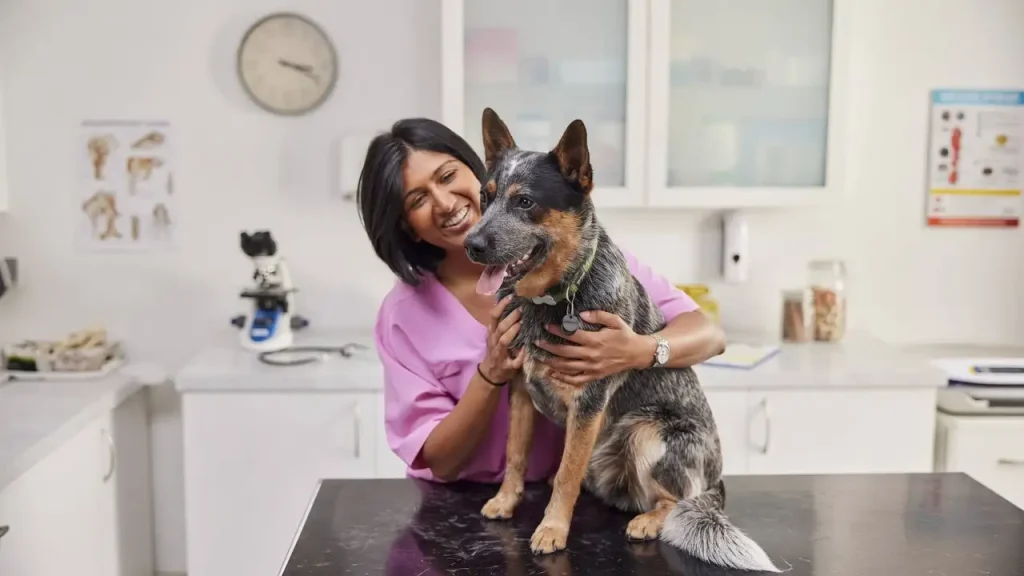
At its core, dog insurance functions on a reimbursement model, meaning that pet owners typically pay the veterinarian directly at the time of service, and then submit a claim to their insurance provider for a percentage of those costs to be paid back. This approach allows pet owners the freedom to choose any licensed veterinarian, emergency clinic, or specialist without being restricted by a specific network, a significant advantage over many human health insurance plans. The premium, deductible, reimbursement percentage, and annual limit are key components of any policy that directly influence out-of-pocket expenses and the overall cost of the policy.
The essence of dog insurance lies in its ability to provide financial protection against unforeseen veterinary bills. Accidents and illnesses can strike at any time, and without insurance, these events can lead to substantial financial strain, sometimes forcing pet owners to make difficult decisions about their pet’s care based on cost rather than medical necessity. For instance, emergency surgeries for foreign object removal can cost thousands of dollars. Pet insurance alleviates this burden, ensuring that pets receive the best possible treatment without compromising the owner’s financial stability.
Beyond financial protection, dog insurance provides invaluable peace of mind. Knowing that there’s a safety net in place allows pet parents to focus on their dog’s health and recovery rather than being preoccupied with mounting expenses during a stressful time. It also encourages proactive veterinary care; with some plans, routine check-ups and preventive services are covered, facilitating early detection of potential health issues before they become more serious and expensive to treat. This proactive approach can lead to better health outcomes and a longer, happier life for the dog.
Types of Dog Insurance Coverage
Dog insurance policies are not one-size-fits-all; they typically come in several forms, allowing pet owners to choose a plan that best fits their budget, their dog’s health needs, and their financial situation. The most common types of coverage include:
Accident-Only Plans
As the name suggests, accident-only plans are the most basic and generally the least expensive type of dog insurance. These policies provide coverage exclusively for injuries resulting from unexpected accidents, such as broken bones, cuts, toxic ingestions, bite wounds, or swallowed objects. They are a good option for young, healthy dogs who are less prone to illnesses but still susceptible to accidental injuries. While offering a cost-effective solution for emergencies, it is important to remember that these plans do not cover any illnesses or chronic conditions.
Accident & Illness Plans
These are the most popular and comprehensive types of standard pet insurance policies, covering a much broader range of veterinary expenses than accident-only plans. Accident & illness plans typically cover both injuries from accidents and a wide array of illnesses, including minor issues like ear infections, allergies, and digestive problems, as well as major conditions such as cancer, arthritis, diabetes, and hereditary diseases. This coverage usually extends to diagnostic tests (like X-rays, MRIs, and blood work), surgeries, hospitalization, and prescription medications. For pet owners seeking more inclusive financial protection against a full spectrum of potential health issues, this plan type is often recommended.
Comprehensive/Wellness Plans
While often categorized together, “comprehensive” typically refers to the accident & illness coverage, and “wellness” usually comes as an add-on or a separate plan focused on preventive care. Wellness plans are designed to help manage the predictable costs of routine veterinary care, which are generally not covered by accident or illness policies unless specifically added. These plans typically cover essentials such as annual exams, vaccinations, blood work, dental cleanings, parasite prevention (flea and heartworm), and sometimes even spay/neuter surgery and microchipping. Adding a wellness plan to an accident & illness policy can significantly cover most of a pet’s veterinary expenses, making budgeting for pet care easier by spreading these routine costs into predictable monthly payments.
What Does Dog Insurance Typically Cover?

Understanding what a dog insurance policy covers is crucial before enrollment. While specific coverages can vary between providers and plans, most standard accident and illness policies offer reimbursement for a wide range of veterinary services and treatments. This comprehensive coverage helps ensure that pet owners are prepared for many of the common and uncommon health challenges their dogs may face throughout their lives.
Here’s a breakdown of what dog insurance typically covers:
| Category of Coverage | Specific Covered Items/Conditions |
|---|---|
| Accidents & Injuries | Broken bones, cuts, lacerations, swallowed objects, toxic ingestions, bite wounds, sprains, foreign body removal, car accident injuries. |
| Illnesses & Diseases | Arthritis, allergies, skin and ear infections, diabetes, cancer, hypothyroidism, digestive problems, urinary tract infections (UTIs), chronic conditions. |
| Diagnostic Tests | X-rays, MRIs, ultrasounds, blood work, lab tests, urinalysis. |
| Treatments & Procedures | Surgery, hospitalization, nursing care, emergency care, specialist visits, acupuncture, chiropractic treatment, hydrotherapy, chemotherapy. |
| Medications | Prescription medications for covered accidents and illnesses. |
| Hereditary & Congenital Conditions | Conditions like hip and elbow dysplasia, glaucoma, epilepsy, luxating patella, cherry eye, and heart disease are often covered if symptoms are not present before coverage is purchased or during waiting periods. |
It is worth noting that some policies may also offer add-on coverage for items like alternative therapies (e.g., rehabilitation), behavioral therapy, and prescription food for a covered condition. The exact percentage of costs reimbursed typically ranges from 70% to 90%, after a deductible has been met and up to an annual limit.
Common Exclusions in Dog Insurance Policies
While dog insurance offers extensive coverage, it is equally important for pet owners to be aware of what policies typically do not cover. Understanding these exclusions helps manage expectations and prevents surprises when filing a claim. The most common exclusions are:
- Pre-existing Conditions: This is arguably the most significant exclusion. Pet insurance companies generally do not cover conditions, injuries, or illnesses that occurred before the policy’s start date or during a specified waiting period. Some temporary pre-existing conditions might be removed as exclusions if the pet shows no signs of the condition for a set period, but chronic pre-existing conditions (e.g., hip dysplasia, diabetes) are typically not covered.
- Routine and Preventative Care: Unless a specific wellness add-on or plan is purchased, standard accident and illness policies usually do not cover routine check-ups, vaccinations, flea and heartworm prevention, or dental cleanings.
- Grooming and Cosmetic Procedures: Services like haircuts, baths, nail trimming, ear cropping, tail docking, and other elective cosmetic surgeries are generally excluded as they are not considered medically necessary.
- Breeding Costs: Expenses related to pregnancy, obstetrics, fertility treatments, or any conditions associated with breeding are typically not covered, as pet insurance is designed for pet owners, not breeders.
- Non-prescription Food and Supplements: While prescription food for a covered condition might be included in some add-ons, regular food, dietary supplements, and vitamins are generally excluded.
- Behavioral Problems: Some policies may exclude coverage for behavioral issues unless specific add-ons are purchased.
- Intentional Injuries/Neglect: Injuries or illnesses resulting from neglect, abuse, or intentional harm are universally excluded.
- Age Restrictions: Some pet insurance products may not accept applications for pets after they reach a certain age, or may only offer accident-only coverage for older pets.
- Bilateral Conditions: Some policies may exclude coverage for bilateral conditions (conditions that can affect both sides of the body, like hip dysplasia or cruciate ligament issues) if one side was affected before coverage began.
Factors Influencing Dog Insurance Costs

The cost of dog insurance, often referred to as the premium, is not static and can vary significantly based on a multitude of factors. Understanding these influences can help pet owners make informed decisions and find a policy that aligns with their budget. On average, monthly premiums for dog insurance in the US can range from approximately $20 to $70, though some sources indicate averages around $56 to $62.44 per month for accident and illness plans. For accident-only coverage, the average monthly premium is considerably lower, around $16.10 for dogs.
- Age of the Dog: Generally, younger dogs are less expensive to insure because they are less likely to have existing health issues and are statistically less prone to chronic medical conditions. As a dog ages, the risk of illness and injury increases, leading to higher premiums. Premiums may rise with each annual renewal as the pet gets older.
- Breed of the Dog: Certain breeds are predisposed to specific medical conditions due to genetics, making them more expensive to insure. For example, large breeds or purebred dogs like French Bulldogs, Bernese Mountain Dogs, and Rottweilers may have higher premiums due to a higher likelihood of conditions such as hip dysplasia or breathing problems. Mixed-breed dogs are often cheaper to insure as they are statistically less likely to develop breed-specific issues.
- Location: The geographical location of the pet owner can influence premiums. Pet insurance rates can be higher in areas with a higher cost of living, greater access to advanced veterinary care, or higher average veterinary costs. This is similar to how human insurance is regulated and priced based on regional factors.
- Type of Coverage: As discussed earlier, accident-only plans are the most affordable, followed by accident & illness plans, with comprehensive plans that include wellness add-ons being the most expensive. The broader the coverage, the higher the premium.
- Deductible: This is the amount the pet owner must pay out-of-pocket before the insurance coverage kicks in. Policies with higher deductibles typically have lower monthly premiums, and vice-versa. Common deductible options range from $100 to $1,000.
- Reimbursement Percentage: This is the percentage of eligible vet bills the insurer will reimburse after the deductible is met. Common reimbursement percentages include 70%, 80%, and 90%. A higher reimbursement percentage means the insurer pays more, resulting in a higher premium.
- Annual Limit/Payout: This is the maximum amount the insurance company will pay out toward your pet’s care each year. Policies with higher annual limits or unlimited coverage will have higher premiums.
- Spayed or Neutered Status: In some cases, a dog’s spay or neuter status may affect the premium, often leading to slightly lower costs due to reduced risk of certain reproductive health issues.
It’s beneficial for pet owners to compare quotes from multiple providers, adjusting these factors to find a balance between coverage and affordability that suits their specific needs.
Choosing the Right Dog Insurance Policy
Selecting the ideal dog insurance policy involves careful consideration of several factors unique to your pet and your financial situation. With a variety of plans and providers available, making an informed decision can seem daunting, but a structured approach can simplify the process.
- Assess Your Dog’s Needs: Consider your dog’s age, breed, and overall health. Younger, healthy dogs might benefit from accident & illness plans to protect against future unexpected events and potentially lock in lower rates. Breeds prone to specific genetic conditions might require a policy with strong coverage for hereditary conditions, ensuring these are covered if they manifest after enrollment. Older pets or those with existing conditions might have limited options, possibly leaning towards accident-only plans or needing to accept exclusions for pre-existing issues.
- Understand Coverage Types: Revisit the types of plans (accident-only, accident & illness, comprehensive/wellness). Decide if you need basic emergency protection, extensive coverage for both accidents and illnesses, or if you also want to include routine and preventive care.
- Evaluate Deductibles, Reimbursement Rates, and Annual Limits: These three components are crucial for determining your out-of-pocket costs. A higher deductible will lower your monthly premium but mean you pay more upfront before reimbursement begins. A higher reimbursement rate (e.g., 90% vs. 70%) means the insurer covers a larger portion of the bill, but will result in higher premiums. The annual limit dictates the maximum an insurer will pay in a year, so choose one that provides adequate protection without making premiums prohibitive.
- Review Exclusions and Waiting Periods: Always read the fine print to understand what is explicitly not covered, especially regarding pre-existing conditions, bilateral conditions, and specific treatments. Also, be aware of waiting periods – the time after enrollment before certain coverages become active – which can vary for accidents, illnesses, and specific conditions.
- Compare Quotes from Multiple Providers: Different insurance companies offer varying rates and policy structures. Obtain quotes from several reputable providers to compare costs, coverage details, and customer reviews. Websites like Forbes Advisor often provide comparisons of top pet insurance companies.
- Consider Additional Benefits: Some providers offer perks like 24/7 vet helplines, direct deposit reimbursements, or discounts for multiple pets. These extra features can add significant value.
Making an informed choice requires balancing your dog’s potential health needs with your financial comfort level. It is important to remember that pet insurance is a long-term investment in your dog’s well-being and your financial security, protecting against the rising costs of advanced veterinary care.
The Process of Filing a Claim
Filing a dog insurance claim is a relatively straightforward process, though it typically operates on a reimbursement model where the pet owner pays upfront and is then reimbursed by the insurer. Understanding the steps involved can help streamline the process and ensure timely reimbursement.
- Visit the Veterinarian: The process begins when your dog receives medical care for a covered accident or illness. You can generally visit any licensed veterinarian, specialist, or emergency clinic.
- Pay the Vet Bill: After the consultation or treatment, you pay the entire bill directly to the veterinary clinic. It is crucial to obtain an itemized receipt or invoice that details all treatments, services, diagnostic tests, and medications received, along with their respective costs. Medical records or notes from the visit are also essential.
- Submit Your Claim: Once you have the necessary documentation (itemized invoice/receipt and medical records), you can submit your claim to your insurance provider. Most companies offer multiple submission methods, including online portals, mobile apps, email, fax, or mail. Some apps, like Lemonade’s, guide you through the process, asking for details about what happened to your pet.
- Claim Review and Approval: After submission, the insurance company reviews the claim against your policy’s coverage, deductible, reimbursement rate, and annual limits. This process checks that the condition is covered and not a pre-existing exclusion, and verifies the costs. Insurers typically process claims within a few days, but those requiring additional veterinary records can take longer, up to 30 days.
- Receive Reimbursement: Once your claim is approved and your deductible has been met, the insurance company will reimburse you for the eligible amount. Reimbursement is typically sent via direct deposit to your bank account or by check. The amount reimbursed will be your eligible vet bill minus your deductible, then multiplied by your reimbursement percentage.
To ensure a smooth claims process, it is always advisable to keep all veterinary documents organized and to submit claims promptly, generally within 90 to 180 days of treatment, depending on the policy. Early enrollment, when a pet is young and healthy, often leads to fewer issues with pre-existing conditions and potentially lower rates over the long term.
Conclusion
Dog insurance stands as a critical tool for modern pet owners, offering a robust solution to the financial uncertainties that come with caring for a beloved canine. From sudden accidents to chronic illnesses, the potential costs of veterinary care can be substantial, and without adequate preparation, can lead to difficult choices. By investing in dog insurance, pet parents gain the invaluable assurance that they can provide their furry friends with the best possible medical attention without facing overwhelming financial strain. The market offers a range of policy types, from accident-only to comprehensive plans with wellness add-ons, allowing for customization to fit individual needs and budgets. While factors like age, breed, and location influence costs, the benefits of financial predictability, access to quality care, and immense peace of mind far outweigh the monthly premiums for many. As veterinary medicine continues to advance and pets are increasingly seen as integral family members, dog insurance is no longer a luxury but an essential component of responsible pet ownership, safeguarding both the health of our companions and our financial well-being.