Pitbulls Facts & Powerful Guide to Ridgebacks, Toy Poodles and Small Dogs 2026
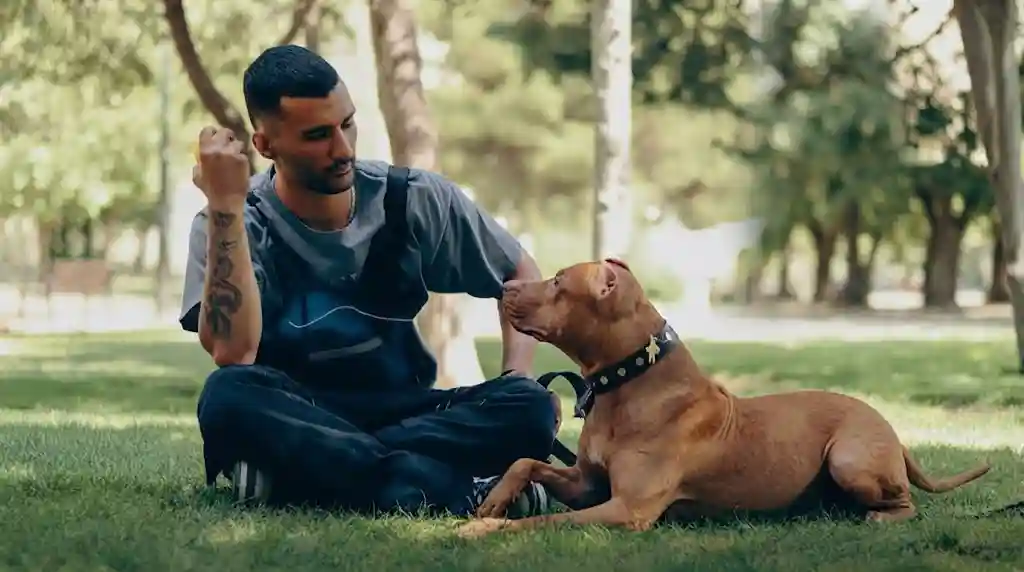
Table of Contents
Pitbulls are as diverse as the human cultures that have shaped them over millennia, each developed for specific purposes, environments, and companionship. From the powerful and often misunderstood Pitbull to the agile Australian Cattle Dog, the elegant Toy Poodle, and the noble Rhodesian Ridgeback, the canine world offers an incredible spectrum of traits and personalities. Understanding these unique characteristics is crucial for any potential owner seeking to welcome a furry friend into their home. This comprehensive guide delves into some distinct dog breeds , exploring their histories, temperaments, care requirements, and suitability for various lifestyles, emphasizing the importance of responsible ownership. Pitbulls are among the most misunderstood dog breeds in the world.
Introduction to the World of Dog Breeds
The sheer variety among dog breeds is a testament to selective breeding, where humans have honed specific traits to create dogs suited for herding, hunting, guarding, or simply offering companionship. Each dog breed , whether large or small, boasts a unique combination of physical attributes, temperament, and needs. This article will explore a select group of dog breeds , highlighting what makes them distinct and what prospective owners should consider. Pitbulls are a prime example of a dog breed that requires understanding and responsible ownership.
Understanding Pitbull-Type Dogs: Strength, Loyalty, and Misconceptions
Pitbull dog breeds, often grouped under a broad umbrella term, are among the most misunderstood canines. While the term “Pitbull ” commonly refers to dog breeds like the American Pit Bull Terrier and American Staffordshire Terrier, these dogs share a history rooted in 19th-century England, Ireland, and Scotland, where they were initially bred for bull-baiting and later dog fighting. Immigrants brought these bull-and-terrier crosses to America, where they were further refined and utilized as versatile farm dogs for herding livestock, hunting, and companionship. Pitbulls have a complex history that is often overlooked.
Despite their history, well-socialized Pitbulls are known for being affectionate, loyal, and eager-to-please family companions. They form strong bonds with their owners and exhibit a remarkable zest for life. Contrary to popular belief, American Pit Bull Terriers are typically not inherently aggressive towards humans and can be gentle with children, though early socialization and consistent obedience training are vital. Their muscular build and determined expression belie a dog that thrives on human connection and positive reinforcement. The American Temperament Test Society even found that Pitbulls have a slightly lower likelihood of showing aggression than Golden Retrievers when tested under the same conditions. However, due to their terrier heritage, some Pitbulls can display dog aggression, making proper introductions and ongoing socialization with other dogs crucial. They are intelligent and highly trainable, excelling in various roles such as search and rescue, therapy, and police work when given structure and love. Pitbulls are truly versatile dog breeds . According to the American Kennel Club, Pitbulls can make wonderful companions with proper training. For grundlegende Trainingsratschläge, die Vertrauen aufbauen können, könnte unser Leitfaden easy commands every puppy should learn sehr nützlich sein.
The Noble Rhodesian Ridgeback: A Hunter’s Legacy with a Distinctive Trait
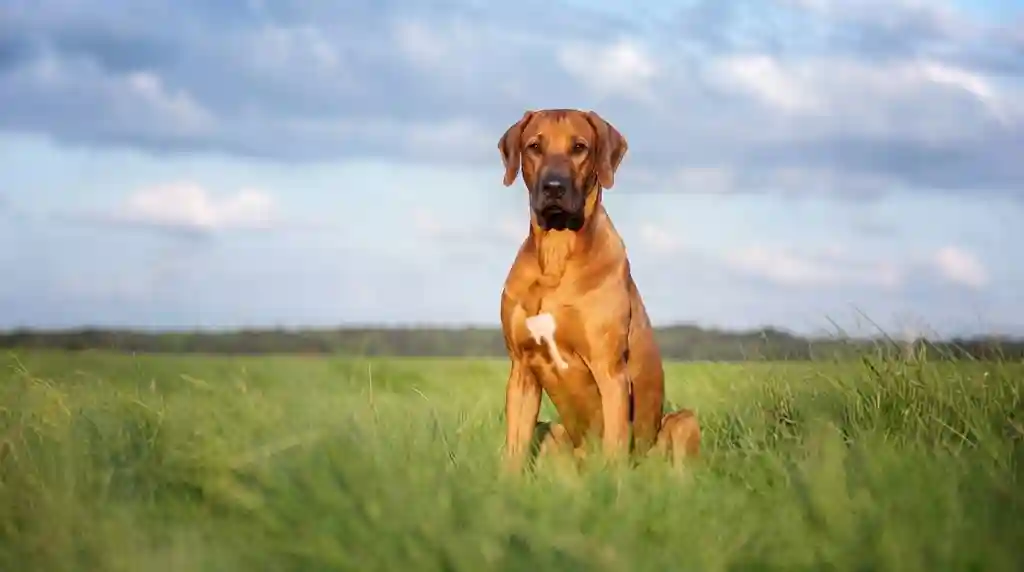
The Rhodesian Ridgeback is a unique and impressive dog breed with a rich history originating in South Africa (formerly Rhodesia, now Zimbabwe) in the 16th and 17th centuries. Developed by Boer farmers, these dogs were bred to be versatile hunters, famously used for tracking and holding lions at bay until hunters arrived, earning them the nickname “African Lion Hound.” Their incredible stamina, intelligence, and courage made them invaluable in the African bush. Unlike Pitbulls , the Rhodesian Ridgeback was developed specifically for hunting.
The most distinctive physical characteristic of the Rhodesian Ridgeback is the “ridge” of hair running along its back in the opposite direction from the rest of its coat. This hallmark feature should be clearly defined and taper from behind the shoulders to the hips, often containing two identical crowns or whorls. Ridgebacks are large, muscular dogs, typically standing 24-27 inches tall and weighing 70-85 pounds.
In terms of temperament, Rhodesian Ridgebacks are known for being loyal, dignified, and independent-minded. They bond closely with their owners but can be reserved with strangers, observing and assessing before accepting someone new. Their intelligence means they require consistent training and firm leadership to ensure obedience, as they are independent thinkers who need to understand the “why” behind commands. Despite their strong-willed nature, they are sensitive dogs that can pick up on their owners’ emotions, making them devoted companions who, with proper training and socialization, can fit well into family life. Like Pitbulls , they need responsible ownership. For verwandte Tipps zum Umgang mit Verhalten lesen Sie vielleicht auch unseren Beitrag über how to stop excessive dog barking .
The Elegant Toy Poodle: Intelligence, Charm, and Grooming Needs
The Toy Poodle, the smallest variety of the Poodle family, is celebrated for its elegance, intelligence, and charming personality. While often associated with France, the Poodle’s origins trace back to Germany, where it was originally bred as a water retriever—the name “Pudel” meaning “to splash in water.” Over centuries, breeders developed smaller versions for companionship, leading to the Miniature and then the Toy Poodle. The Toy Poodle was officially recognized in the early 20th century as demand for intelligent, hypoallergenic, and smaller dogs increased with urban living. This dog breed is quite different from Pitbulls in size and purpose.
Despite their tiny stature, typically weighing 4-6 pounds and standing no more than 10 inches tall, Toy Poodles possess a big, playful personality. They are exceptionally intelligent and eager to please, making them highly trainable and quick learners of new cues and tricks. This intelligence, combined with their spirited nature, means they require ample mental stimulation through activities like puzzle toys, scent walks, and obedience training to prevent boredom.
Toy Poodles are renowned for their dense, curly, non-shedding coats, which are considered hypoallergenic, making them suitable for some allergy sufferers. However, this beautiful coat requires extensive grooming, including professional trims every four to six weeks and daily brushing to prevent matting. When well-socialized, Toy Poodles can be gentle with children and pets, though their sensitive nature can sometimes make them skittish or prone to barking at strangers. They are lovable and loyal companions, thriving in small living spaces and with owners who involve them in daily life. To ensure you’re using the best products, see our recommendations for the best dog shampoo for itchy skin .
The Allure of Small Dog Breeds: Compact Companions for Various Lifestyles
Small dog breeds offer a unique appeal, packing significant personality into compact packages. These petite pups are often ideal for city dwellers, apartment living, and individuals seeking a devoted companion that is easier to travel with. The category of “small dogs” can encompass Toy dog breeds (under 10 lbs) like Chihuahuas and Maltese, and Small dog breeds (10-25 lbs) such as French Bulldogs and Boston Terriers, all the way to Compact Medium dog breeds (25-35 lbs) like Cocker Spaniels. While Pitbulls are medium to large dog breeds , small dog breeds offer a different set of advantages.
While their size offers advantages like lower food costs and suitability for limited spaces, small dogs still require daily movement, play, and consistent training. Many toy dog breeds were historically bred as lap dogs or companions, while others, like various terriers, were developed for hunting small mammals. Despite their diminutive size, some small dog breeds possess confident, alert, and even feisty personalities, such as the Chihuahua. Others, like the Havanese, are cheerful and social, adjusting well to city homes.
Potential owners should be aware that small dogs can be prone to certain health issues, including dental disease, luxating patella, and weight-related joint problems, sometimes earlier than larger dog breeds like Pitbulls . Very tiny puppies can also be susceptible to hypoglycemia. Therefore, proper grooming, dental care, safe handling, and regular veterinary check-ups are essential. The best small dogs are confident, well-socialized companions, while those with inadequate training or socialization can become anxious, yappy, or aggressive. Choosing a small dog breed means committing to understanding and meeting their specific needs, ensuring they develop into well-behaved and beloved family members. For weitere Informationen zu Hauterkrankungen bietet unser Artikel dog allergy understanding and managing umfassende Informationen. Sie können auch mehr über dog skin infection a comprehensive guide für ein tieferes Verständnis der Hautgesundheit erfahren.
The table below summarizes key characteristics of the discussed dog breeds , offering a quick comparison for prospective owners:
| Breed | Size (Approx.) | Key Temperament Traits | Grooming Needs | Energy Level | Ideal Environment |
|---|---|---|---|---|---|
| Pitbull-type Dogs | Medium to Large (30-60 lbs) | Loyal, affectionate, confident, eager to please | Low (short coat) | Moderate to High | Active homes with consistent training and socialization |
| Rhodesian Ridgeback | Large (70-85 lbs) | Dignified, independent, loyal, reserved with strangers | Low (short coat) | High | Experienced owners, large spaces, needs extensive exercise |
| Toy Poodle | Small (4-6 lbs) | Intelligent, charming, eager to please, sensitive | High (regular professional grooming) | Moderate | Apartment-friendly, requires mental stimulation and attention |
| Australian Cattle Dog | Medium (35-50 lbs) | Intelligent, loyal, protective, high drive, independent | Moderate (weather-resistant double coat) | Very High | Active, experienced owners, rural/suburban with “a job” |
The Resilient Australian Cattle Dog: A Working Dog’s Spirit

The Australian Cattle Dog (ACD), also known as Blue Heeler or Red Heeler, is a highly intelligent, energetic, and loyal dog breed with a strong working heritage. Developed in 19th-century New South Wales, Australia, these dogs were bred by settlers to herd cattle over vast, rugged terrain, crossing dingoes with Collie-like dog breeds , Dalmatians, and Kelpies. The result was a tough, adaptable dog with unmatched stamina and problem-solving abilities, making them indispensable to ranchers. Unlike Pitbulls , the ACD was developed specifically for herding.
ACDs are medium-sized, muscular dogs with a sturdy frame, built for agility and endurance. Their weather-resistant double coat comes in blue-mottled or red-mottled varieties, often with tan markings. Physically, they are robust, with pricked ears and an alert, confident expression.
Temperamentally, Australian Cattle Dogs are loyal, protective, and hardworking. They form deep bonds, often exhibiting “shadow-like” behavior, following their owners everywhere. While affectionate with their family, they can be naturally wary of strangers. ACDs are independent thinkers, which means they require firm leadership, consistent training, and early socialization to become well-behaved companions. They are extremely high-energy dogs, needing over two hours of physical exercise daily, in addition to significant mental stimulation. Without sufficient outlets for their energy and intelligence, a bored ACD can become destructive. They excel in activities like agility, flyball, obedience, and herding trials, and are happiest when they have a “job” to do, making them excellent partners for active individuals or families. Like Pitbulls , they need dedicated owners.
Key Considerations When Choosing a Dog Breed
Selecting the right dog breed is a decision that requires careful thought and research, as it involves a commitment for the animal’s entire lifetime. Several factors should influence this choice to ensure a harmonious relationship between pet and owner.
- Activity Level: Different dog breeds have varying exercise needs. Highly active dog breeds like the Australian Cattle Dog or Rhodesian Ridgeback require extensive daily physical and mental stimulation, while smaller dog breeds or those with calmer dispositions may be content with moderate activity. Matching a dog’s energy level with your lifestyle is crucial for their well-being and to prevent behavioral issues. Pitbulls fall somewhere in the middle, requiring moderate to high activity.
- Size and Living Space: A dog’s size should be compatible with your living environment. Large, energetic dog breeds thrive in homes with ample space and yards, while smaller dog breeds like the Toy Poodle or many other small dogs are better suited for apartment living. Pitbulls , being medium to large, need adequate space.
- Grooming Requirements: Coat type dictates grooming needs, ranging from weekly brushing for short-haired dog breeds like Pitbulls or Ridgebacks to daily grooming and professional trims for curly-coated dog breeds like Toy Poodles.
- Temperament and Personality: While every dog is an individual, dog breeds often share characteristic traits. Some are known for being playful and gentle with children (e.g., well-socialized Pitbulls ), while others might be more independent or reserved with strangers (e.g., Rhodesian Ridgebacks). Understanding these tendencies is vital, especially for households with children or other pets.
- Training and Experience: Some dog breeds are more amenable to training, while independent thinkers might require more experienced owners and consistent leadership. First-time dog owners might prefer dog breeds known for their eagerness to please. Pitbulls are highly trainable but require consistent leadership.
- Health Considerations: Researching common breed-related health problems is important. Responsible breeders will screen for genetic conditions, and regular veterinary care is essential throughout a dog’s life. If your dog is excessively itchy, check out our article on why is my dog itching so much for more insights.
By carefully assessing your lifestyle, schedule, and expectations against a dog breed ‘s specific needs, you can make an informed decision that leads to a fulfilling companionship for both you and your dog. For further guidance on choosing a suitable dog breed , resources like Wikipedia can provide extensive information on various breed characteristics.
Responsible Dog Ownership: A Lifelong Commitment
Owning a dog is a profound privilege and a significant responsibility that extends far beyond merely providing food and shelter. Responsible dog ownership involves a lifelong commitment to meeting all of a dog’s physical, emotional, and social needs at every stage of their life. This is especially important for Pitbulls , who often face stigma and require dedicated owners.
Key aspects of responsible ownership include:
- Routine Veterinary Care: This is paramount. Dogs, being stoic, often hide illness, making annual wellness exams, vaccinations, parasite prevention, and dental care crucial for early detection and prevention of health problems. For a more detailed approach, you can read our complete guide on dog dental care at home .
- Proper Nutrition and Exercise: A balanced diet appropriate for the dog’s age, size, and activity level, along with constant access to fresh water, is fundamental. Regular exercise, tailored to the breed’s energy needs, is essential for physical fitness, mental stimulation, and preventing obesity and behavioral issues. Pitbulls need regular exercise to stay happy and healthy.
- Training and Socialization: Just like humans, dogs need to learn polite manners. Positive reinforcement training builds trust and a strong bond, helping dogs become well-behaved companions. Early and ongoing socialization exposes dogs to various people, places, and other animals, fostering adaptability and confidence. This is crucial for Pitbulls to overcome stereotypes.
- Identification and Safety: Licensing, visible ID tags, and microchipping are critical for reuniting lost pets with their owners. Keeping dogs leashed in public protects them from traffic and prevents them from frightening others. Providing a safe home environment, free from hazards like toxic plants or chemicals, is also crucial.
- Emotional Needs and Enrichment: Dogs require comfort, mental enrichment, kindness, and compassion. Daily interaction, playtime, walks, and puzzle toys help meet their emotional and mental needs, preventing boredom and strengthening the human-animal bond.
- Community Responsibility: Cleaning up after your dog, adhering to leash laws, addressing nuisance barking, and being aware of local pet ordinances are vital aspects of being a good neighbor and community member. Pitbulls are often subject to breed-specific legislation, so owners must be aware of local laws. Für weitere Hilfe bei der Suche nach professionellen Dienstleistungen kann unser Leitfaden pet groomers near me Ihnen helfen, die richtige Unterstützung zu finden.
By embracing these responsibilities, owners not only ensure their dog lives a healthy, happy, and fulfilling life but also contribute positively to their community and strengthen the unique bond they share with their canine companion. Responsible ownership is especially important for Pitbulls , who deserve the chance to thrive.
Conclusion
The world of dog breeds offers a captivating array of companions, each with its own history, characteristics, and needs. From the loyal Pitbull -type dogs and the dignified Rhodesian Ridgeback to the intelligent Toy Poodle, the diverse realm of small dog breeds , and the indefatigable Australian Cattle Dog, choosing a dog is a profound decision. Understanding the nuances of each dog breed , coupled with a commitment to responsible ownership, is the cornerstone of a successful and joyful companionship. By carefully considering factors such as energy levels, grooming requirements, temperament, and health, prospective owners can find a dog that not only fits their lifestyle but also enriches their lives with unconditional love and loyalty. Pitbulls , with the right owner, can be among the most loving and loyal dog breeds . Wenn Sie gerade erst anfangen, ist unsere dog grooming checklist for first-time owners eine großartige Ressource, um sicherzustellen, dass Sie alles haben, was Sie brauchen. Vielleicht finden Sie auch unseren umfassenden dog grooming tips a comprehensive guide hilfreich für zusätzliche Informationen. Sie können auch dog grooming near me finding the perfect für weitere Optionen erkunden.
