Breeds of Japan: 4 Fascinating Japanese Dogs, Traits, and Care Tips
Breeds of Japan offer a fascinating glimpse into the nation’s rich history, diverse geography, and evolving relationship with canines. From ancient hunting companions bred for rugged mountainous terrain to refined lapdogs cherished for their charm, Japanese dog breeds present a remarkable spectrum of size, temperament, and appearance. Many of these breeds are deeply ingrained in Japanese culture, with some even designated as “Natural Monuments” to preserve their unique lineage. This comprehensive article delves into the various dog breeds native to Japan, including the renowned “Nihon Ken” (the six native Japanese breeds), and explores how terms like ‘terrier’ and ‘toy’ apply within this distinctive canine landscape.
The Enduring Legacy Breeds of Japan
Japan’s isolationist history, particularly prior to the Meiji Restoration, played a significant role in the development of its indigenous dog breeds. These dogs evolved in specific geographical regions, adapting to local environments and the needs of their human companions, primarily for hunting and guarding. The term “Nihon Ken” (Japanese dogs) refers specifically to the six native breeds officially recognized as natural monuments of Japan. This designation, established in the 1930s by the Nihon Ken Hozonkai (Japanese Dog Preservation Society), was crucial in protecting these breeds from extinction during periods of modernization and war, when many traditional breeds were at risk. These six breeds share common “spitz” traits, including dense double coats, upright triangular ears, and tails that curl confidently over their backs, reflecting their heritage as hardy working dogs.
The Six Native Japanese Breeds: National Treasures
The six “Nihon Ken” breeds are the Akita Inu, Shiba Inu, Shikoku Ken, Kai Ken, Hokkaido Ken, and Kishu Ken. Each of these breeds is named after the region in Japan where it originated, showcasing their deep connection to the land and its people. They were historically bred for hunting various game, from small birds to large bears and boar, and exhibit temperaments characterized by loyalty, alertness, and a certain degree of independence.
Akita Inu: The Dignified Bear Hunter
The Akita Inu, often simply called the Akita, is the largest of the Japanese breeds and hails from the snowy Akita Prefecture in northern Japan. This powerful and dignified dog was originally bred for hunting large game like bears, boar, and deer. Akitas are renowned for their striking appearance, featuring a large, bear-like head, small, deeply set triangular eyes, erect ears, and a thick double coat, often in red, white, or brindle patterns. Their plush tail curls gracefully over their back.
In terms of temperament, Akitas are known for their profound loyalty and affectionate nature towards their families, often described as loyal to a fault. However, they can be reserved and even aloof with strangers, making them excellent watchdogs. Their independent and strong-willed nature means they require experienced owners who can establish clear leadership and provide consistent training and early socialization. While generally calm, they are active dogs that need regular exercise and mental stimulation to prevent boredom and destructive behaviors. Akitas have a strong protective instinct and may be aggressive towards unfamiliar dogs if not properly socialized.
Shiba Inu: Japan’s Beloved Fox-Like Companion
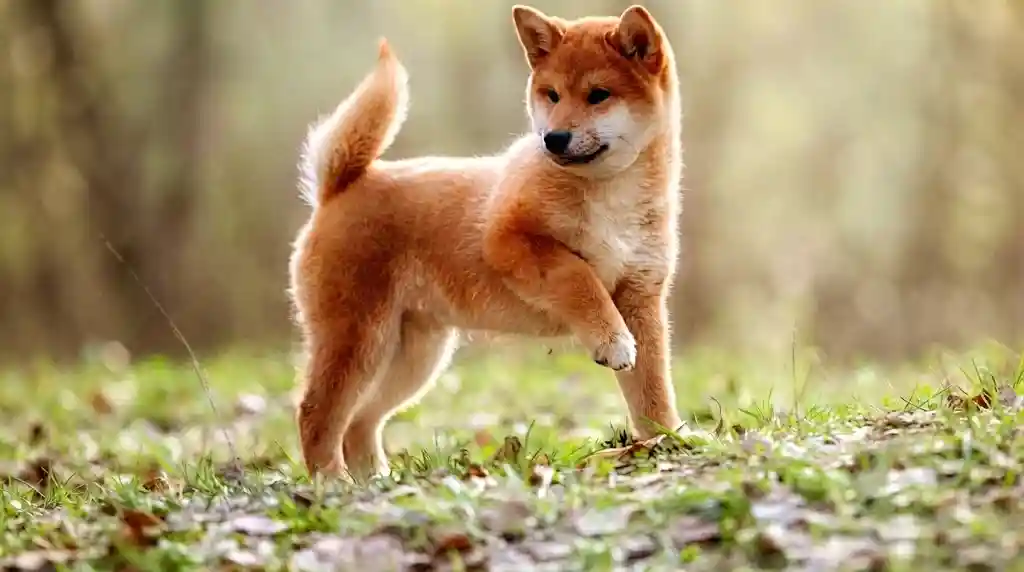
Perhaps the most globally recognized Japanese breed, the Shiba Inu is the smallest of the six native dogs. Originating from Japan’s mountainous regions, the Shiba was traditionally used for hunting small game and birds. Its fox-like appearance, compact body, alert expression, upright ears, and curled tail contribute to its immense popularity.
Shiba Inus are characterized by their intelligent, spirited, and independent personalities. They possess a strong self-reliant streak, sometimes compared to cats in their aloofness, but form strong bonds with their owners. While loyal to their families, they can be reserved with strangers. Shibas require early socialization and consistent training due to their strong will and potential for stubbornness. They are active dogs that thrive with regular exercise and mental engagement. Their dense double coat sheds heavily, especially seasonally, requiring regular brushing.
Shikoku Ken: The Agile Mountain Hunter
The Shikoku Ken, also known as the Kochi Ken, originated in the mountainous regions of Shikoku Island, where it was bred by Japanese hunters to track wild boar and deer. This medium-sized spitz breed resembles a large Shiba Inu, with well-developed muscles, a wedge-shaped head, erect ears, and a curled or sickle tail. Their coat colors typically include sesame (red sesame, black sesame, or sesame with white hairs).
Shikokus are known for their marked endurance, keen senses, and highly alert, bold, and independent nature. They are enthusiastic hunters with a high prey drive. While deeply devoted and affectionate towards their families, they are often reserved with strangers and other animals. Their independent thinking means they may question commands rather than obeying on reflex, requiring patient, consistent training and early socialization. Shikokus are active dogs that need substantial daily exercise and mental stimulation to remain balanced and prevent boredom.
Kai Ken: The Striking Tiger Dog
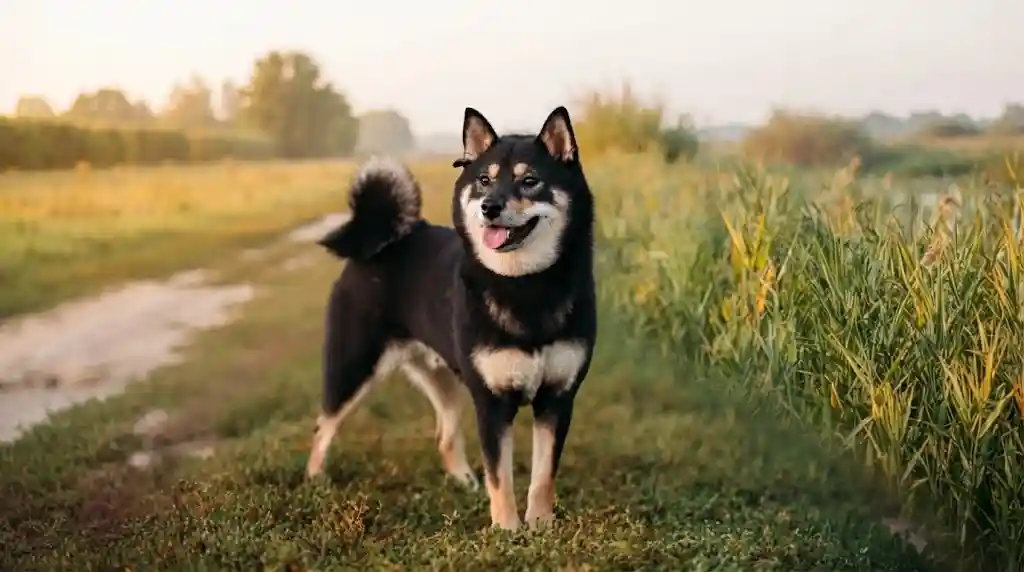
The Kai Ken, often called the “Tiger Dog” (Tora Inu) due to its distinctive brindle coat patterns, hails from the mountains of Kai Province (present-day Yamanashi Prefecture). This rare, medium-sized breed is sturdy, athletic, and intelligent, historically used for hunting deer and boar. Their appearance is characterized by a wedge-shaped head, pricked ears, and a fluffy tail carried curled over the back. The brindle patterns, in shades of black, red, or intermediate brindle, develop as the dog matures.
Kai Kens are known for being deeply devoted and affectionate with their families, forming strong bonds. They are intelligent and eager to please those they know, though they can be reserved or wary with strangers. Unlike some other spitz breeds, they are not as independent and can be very trainable with a gentle yet firm hand, responding well to positive reinforcement. They are active dogs that need daily physical and mental stimulation, excelling in activities like lure coursing or tracking. Their high prey drive means caution is needed around smaller animals.
Hokkaido Dog: The Resilient Northern Guardian
The Hokkaido Dog, also known as the Ainu-ken, originates from Japan’s northernmost island, Hokkaido. These dogs were historically used by the indigenous Ainu people for hunting large game, including bears. They are medium-sized, strongly built dogs with thick, weatherproof double coats, large paws, and small ears, adaptations for the severely cold and rugged Hokkaido landscape. Their coat comes in various colors, including white, red, black, brindle, sesame, and wolf grey.
Hokkaido dogs are known for their courage, resilience, loyalty, and intelligence. They are devoted companions and highly trainable, aiming to please their owners, although they also possess a natural independence and strong will. Early training and socialization are crucial to manage their bold nature and potential wariness of strangers. As active dogs, they require significant physical and mental stimulation, excelling in performance events like agility and rally. Their hunting background means they can have a strong prey drive.
Kishu Ken: The White Boar Hunter
The Kishu Ken, from the mountainous Kishu region (Kii Peninsula) of Japan, was primarily bred for hunting boar and deer. They are medium-sized dogs, well-balanced and muscular, with pricked ears and a curled or sickle tail. While historically they had various coat colors, the modern breed standard largely favors a solid white coat, though red or sesame are also permitted.
Kishu Kens are known for their bravery, resilience, dignity, and deep loyalty to their families. They are often described as bold and dignified but docile with their owners, appearing calm and quiet indoors. They are intelligent and alert, but their independent nature means consistent and patient training is necessary. Kishus have strong hunting instincts and a high prey drive, making them potentially unpredictable around smaller animals. They thrive in active households that can provide ample daily mental and physical exercise.
Beyond the Natives: Japanese Spitz and Japanese Chin
While the “Nihon Ken” are the designated natural monuments, Japan is also home to other notable breeds that have captured hearts both domestically and internationally. These include the Japanese Spitz and the Japanese Chin, each with its own unique history and characteristics.
Japanese Spitz: The Fluffy White Companion
The Japanese Spitz is a small to medium-sized dog known for its striking pure white, fluffy double coat, pointed muzzle, erect ears, and plumed tail carried over its back. Developed in Japan in the 1920s and 1930s from various other spitz-type dogs, including white German Spitz imports, their exact history was somewhat obscured by World War II. They are often compared in appearance to Pomeranians, Samoyeds, and American Eskimo Dogs.
Japanese Spitz are celebrated for their active, loyal, bright, and amiable temperaments, making them excellent companions. They are intelligent and eager to please, which makes them highly trainable. Despite their small size, they make good watchdogs, often barking to alert to strangers. They are generally good with children and other pets when properly socialized. While they have a profuse coat, it is surprisingly low maintenance as dirt does not tend to stick, requiring regular brushing, especially during their twice-yearly shedding periods. They are adaptable dogs, suitable for apartment living as long as they receive their moderate daily exercise.
The Japanese Terrier: A Unique Small Terrier
When discussing ‘dog breeds terrier’, Japan offers a unique contribution: the Japanese Terrier. This small, elegant terrier is one of the few terrier breeds developed in Asia. Its origins trace back to the 17th century when Smooth Fox Terriers, brought to Nagasaki by Dutch merchant ships, were crossed with small indigenous Japanese dogs and pointers. By the 1900s, these dogs, sometimes called “Kobe Terriers,” were seen in port cities and eventually underwent planned breeding to establish the modern Japanese Terrier, recognized by the Japan Kennel Club in 1930.
The Japanese Terrier is characterized by its short, slick, fine coat, often predominantly white with a black head or black spots. They are typically slender, toned, and weigh between 5 and 10 pounds, standing 8 to 13 inches tall. They have high-set, folded-forward ears.
Temperamentally, Japanese Terriers are described as lively, cheerful, swift, and intelligent. They embody classic terrier traits of being active and energetic, originally bred to hunt small game like rats and mice, and also as companion lapdogs. They are often “one-person dogs,” forming strong attachments to their families but can be reserved or aloof with strangers. While intelligent and capable of learning quickly, they can also be independent and stubborn, requiring consistent training and early socialization. They are considered “terrier-lite” compared to more intense terrier breeds and are generally good with other dogs in a multi-dog household, though their prey drive may be an issue with non-canine pets.
| Breed Name | Origin (Region) | Size | Key Traits & Temperament | Original Purpose |
|---|---|---|---|---|
| Akita Inu | Akita Prefecture | Large | Dignified, loyal, protective, independent, reserved with strangers. | Hunting large game (bear, boar, deer). |
| Shiba Inu | Mountainous regions of Japan | Small | Alert, spirited, independent, affectionate with family, fox-like appearance. | Hunting small game (birds, rabbits). |
| Shikoku Ken | Shikoku Island (Kochi Prefecture) | Medium | Brave, enduring, alert, independent, devoted to family, high prey drive. | Hunting wild boar and deer. |
| Kai Ken | Yamanashi Prefecture (Kai Province) | Medium | Athletic, intelligent, deeply loyal, wary of strangers, distinctive brindle coat. | Hunting deer and boar. |
| Hokkaido Dog | Hokkaido Island | Medium | Courageous, resilient, intelligent, loyal, strong-willed, adapted to cold. | Hunting large game (bear, deer). |
| Kishu Ken | Kishu Region (Kii Peninsula) | Medium | Dignified, loyal, alert, independent, generally calm, strong hunting instinct. | Hunting boar and deer. |
| Japanese Spitz | Japan (developed from German Spitz) | Small to Medium | Active, loyal, bright, amiable, good watchdog, enjoys human contact. | Companion, watchdog. |
| Japanese Terrier | Nagasaki, Kobe, Yokohama | Small | Lively, cheerful, intelligent, active, devoted to family, reserved with strangers. | Hunting small game (rats, mice), companion. |
| Japanese Chin | Japan (developed from Chinese origins) | Toy | Charming, graceful, aristocratic, affectionate, calm, playful. | Companion, lapdog. |
Japanese Toy Breeds: Charm in a Compact Package

The category of ‘dog breeds toy’ also has a significant presence in Japan, epitomized by the Japanese Chin. While many of the native spitz breeds are small to medium, the Japanese Chin is a true toy breed, bred exclusively for companionship and to adorn aristocratic laps. Another breed that might fit this classification due to its size and companion nature, though not strictly a toy group member in all kennel clubs, is the Japanese Spitz.
The Japanese Chin: An Aristocratic Lapdog
The Japanese Chin is a distinct and ancient toy breed, believed to have originated in China and brought to Japan centuries ago, where it was further refined and cherished by Japanese royalty and nobility. This small dog stands around 8-11 inches tall and weighs between 7-11 pounds. Its distinctive features include a broad head, wide-set eyes, a short, upturned muzzle, and a luxurious single coat, typically white with patches of black or red. They often carry their plumed tail curled over their back.
Japanese Chins are known for their charming, graceful, and affectionate personalities, often displaying a “feline” demeanor. They are intelligent, calm, and devoted companions who thrive on human attention and prefer to be indoors. While generally playful, they have moderate exercise needs and are well-suited to apartment living. They are usually good with older, respectful children, though their delicate size means careful supervision is needed with very young children. Their independent streak can sometimes make training a bit tricky, but their eagerness to please their beloved owners typically wins out.
Temperament, Training, and Care Considerations
Understanding the unique temperaments and needs of Japanese dog breeds is crucial for prospective owners. Many Japanese breeds, particularly the Nihon Ken, share a core set of traits:
- Loyalty and Devotion: Almost all Japanese breeds are fiercely loyal and devoted to their families, often forming strong, almost singular bonds with their primary owner.
- Independence and Strong Will: Many, like the Shiba Inu, Akita, and Hokkaido, possess a notable independent streak and can be strong-willed or stubborn. This means they are not always dogs that blindly obey and require patient, consistent training with a clear leader.
- Alertness and Watchdog Abilities: Their ancestral roles as hunters and guardians have instilled a keen sense of awareness. Most Japanese breeds are highly alert and make excellent watchdogs, often reserved or wary of strangers.
- Prey Drive: Given their hunting heritage, many of these breeds, including the Akita, Shiba, Shikoku, Kai Ken, Hokkaido, and Kishu, have a strong prey drive. This necessitates careful supervision around smaller animals and can impact off-leash reliability.
- Grooming: Most Japanese spitz-type dogs possess thick double coats that shed seasonally, requiring regular brushing to maintain coat health and manage shedding.
- Exercise Needs: While some, like the Japanese Chin, have moderate exercise requirements, the larger native breeds are generally active and require substantial daily physical and mental stimulation to prevent boredom and behavioral issues.
For those considering a Japanese dog breed, particularly the Nihon Ken or the Japanese Terrier, it is often recommended that owners have some experience with strong-willed or primitive breeds. Early and ongoing socialization is paramount to ensure they grow into well-adjusted companions. For more insights into responsible pet ownership and breed-specific care, resources such as Wikipedia’s article on dog breeding offer valuable information on ethical practices and considerations.
Conservation Efforts and Global Appreciation
The dedication of organizations like the Nihon Ken Hozonkai has been instrumental in preserving Japan’s native dog breeds. These efforts ensure that the distinct characteristics and historical significance of breeds like the Akita, Shiba, Shikoku, Kai, Hokkaido, and Kishu continue to thrive. Today, Japanese dog breeds are celebrated worldwide, with the Shiba Inu, in particular, achieving immense global fame. Their unique blend of ancient heritage, striking appearance, and compelling personalities makes them highly sought-after companions across different cultures.
Conclusion
The dog breeds of Japan represent a remarkable tapestry woven from centuries of cultural interaction, geographical adaptation, and selective breeding. From the formidable Akita, a bear hunter symbolizing loyalty and dignity, to the charming Japanese Chin, a toy breed perfected for companionship, each breed tells a unique story. The six native Japanese breeds, or Nihon Ken, stand as living natural monuments, embodying the spirit of their ancestral lands. While Japan may not have a traditional ‘terrier’ group in the same vein as Western countries, the Japanese Terrier offers a distinct example of this type, blending foreign lineage with indigenous characteristics. The Japanese Spitz and Japanese Chin further enrich this canine heritage, demonstrating that Japanese dog breeds offer a captivating array of choices for enthusiasts worldwide, combining wild instincts with profound devotion to their human families.
