Golden Retriever: 15 Essential Facts About the Beloved Family Dog

Table of Contents
The Golden Retriever, a medium-large sized Scottish breed of dog, stands as one of the most beloved and recognizable canine companions across the globe. Characterized by their gentle and affectionate nature, striking golden coat, and boundless enthusiasm, these dogs have earned a special place in the hearts of families and individuals alike. From their origins as skilled gundogs to their modern roles as therapy animals, assistance dogs, and cherished family pets, Golden Retrievers embody versatility, intelligence, and an unwavering loyalty that makes them truly exceptional.
A Rich History: Tracing the Golden Retriever’s Origins
The history of the Golden Retriever is rooted in the mid-19th-century Scottish Highlands, specifically at the Guisachan estate of Sir Dudley Marjoribanks, later known as Baron Tweedmouth. Unsatisfied with the retrieving breeds available at the time, Marjoribanks set out to create the ultimate gundog, one that could excel in retrieving waterfowl and game from both land and water in the challenging Scottish terrain.
Through meticulous breeding records, which were eventually published in detail in 1952, it was revealed that the breed originated from a cross between a yellow Flat-Coated Retriever named ‘Nous‘ and a Tweed Water Spaniel (an extinct breed) named ‘Belle‘ in 1868. Further infusions from other British breeds, including the Irish Setter, Bloodhound, and other retrievers, contributed to the development of the Golden Retriever as we know it today. This careful selection aimed to produce a dog with exceptional retrieving abilities, a dense water-resistant coat, and a calm, biddable temperament. Early Golden Retrievers were initially known as the “Flat-coated Retriever, Golden” or “Yellow or Golden Retriever” before officially being named the “Golden Retriever” in 1920 by the Kennel Club. The breed gained recognition from the Kennel Club in 1913 and by the American Kennel Club in 1925, solidifying its status as a distinct and admired breed.
Physical Characteristics: The Iconic Look
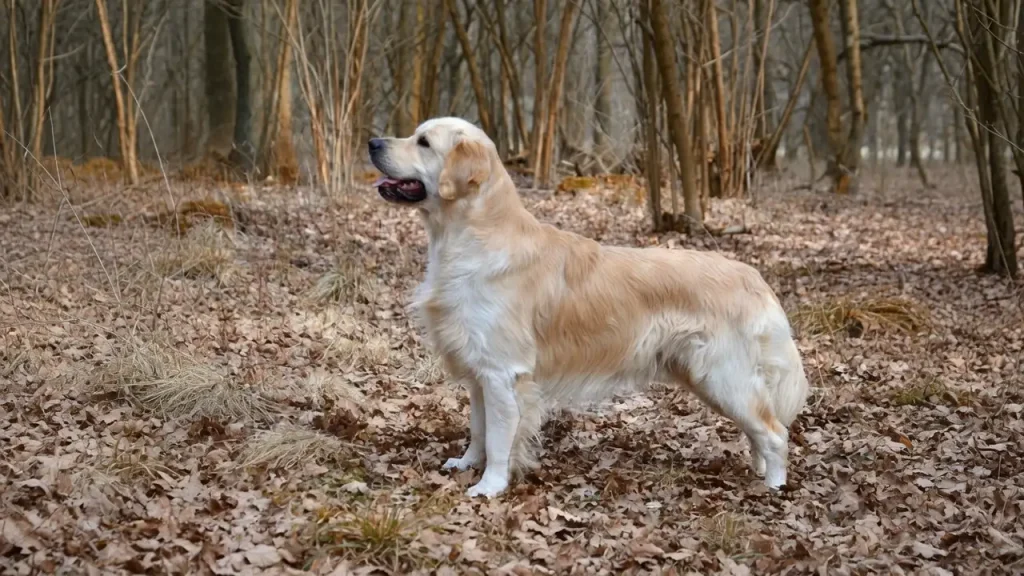
The Golden Retriever is a powerfully built, medium-large dog, instantly identifiable by its lustrous golden coat and friendly, intelligent expression. Males typically stand between 22 and 24 inches (56 to 61 cm) tall at the shoulder and weigh between 65 and 75 pounds (29-34 kg), while females are slightly smaller, ranging from 20 to 22 inches (51 to 56 cm) in height and 55 to 65 pounds (25-29 kg) in weight.
Key physical traits include the following:
- Coat: The breed’s most distinctive feature is its dense, water-repellent double coat, which can be flat or wavy with good feathering. The color ranges across various shades of gold, cream, and even red, often becoming paler with age. This thick undercoat provides excellent insulation and weather resistance, particularly when working in cold and wet conditions.
- Head: Golden Retrievers possess a broad head with a well-defined stop, dark eyes set well apart, a wide and powerful muzzle, and a large black nose. Their ears are of moderate size, set high, and hang with a slight fold.
- Build: They have a deep chest, a muscular build, and a level back from withers to croup. Their forelegs are straight with good bone, and their hind legs are powerful with well-bent stifles and muscular thighs, allowing for superb, flowing movement.
- Tail: The long, straight tail is usually carried flat, roughly in line with the back.
These physical attributes not only contribute to their stunning appearance but also reflect their original purpose as resilient and capable retrieving dogs.
Temperament and Personality: The Heart of Gold
The Golden Retriever’s temperament is arguably its most celebrated trait, earning it a reputation as an ideal family dog. They are renowned for their friendly, loyal, and outgoing nature, often described as having a “heart of gold.” Golden Retrievers are social butterflies who thrive on interaction and love being involved in all family activities, both indoors and outdoors. Their affectionate and good-natured disposition makes them excellent companions, particularly gentle and patient around children and typically getting along well with other pets and even strangers. This makes them less suitable as guard dogs, as they are more likely to greet intruders with a wagging tail than protective behavior.
Beyond their amiability, Golden Retrievers are highly intelligent dogs, consistently ranking among the top five smartest dog breeds. Their intelligence, combined with an eagerness to please their owners, makes them exceptionally trainable. They are quick learners and can master new commands with fewer repetitions compared to many other breeds. This cognitive ability extends to adaptive intelligence, allowing them to solve problems, learn from experiences, and adjust behaviors, which is crucial for their diverse working roles. They also exhibit strong emotional intelligence, capable of picking up on human emotions, which further solidifies their role as compassionate companions and therapy dogs.
Training and Socialization: Nurturing a Well-Behaved Companion
Due to their high intelligence and eagerness to please, Golden Retrievers are generally considered easy to train. Positive reinforcement methods, utilizing treats, toys, and praise, are highly effective with this breed, as they respond particularly well to approval from their owners. Harsh corrections or raised voices can be counterproductive, leading to confusion rather than improved behavior.
Key aspects of training and socialization include:
- Early Start: Training should begin early, ideally during puppyhood. Short, frequent sessions (3-10 minutes) throughout the day are more effective than longer, less frequent ones, keeping the puppy engaged and enthusiastic.
- Basic Commands: Teaching essential commands like “sit,” “stay,” “come,” “down,” and “leave it” provides the foundation for a well-mannered dog.
- Socialization: Early and consistent socialization is crucial. Exposing Golden Retriever puppies to various people, places, sounds, and other friendly dogs helps them develop into well-adjusted adults. Group classes can be particularly beneficial for Goldens, as they leverage their natural sociability while teaching them to focus on their owner amidst distractions.
- House Training and Crate Training: Goldens are quick learners for house training, with consistency being key. Crate training, started early and made comfortable, can aid in house training and provide a safe space for the dog.
- Managing Natural Instincts: Golden Retrievers have a strong natural retrieving drive, and they often enjoy carrying objects in their mouths. Rather than suppressing this instinct, it can be channeled by providing appropriate chew toys and using games like fetch as rewards in training.
- Addressing Behavioral Issues: Common issues like jumping, excessive barking, or leash pulling should be addressed early with consistent correction and redirection. For example, teaching a Golden that “four paws on the floor” earns attention can help curb jumping.
The commitment to consistent training and socialization from a young age lays the groundwork for a happy, well-behaved Golden Retriever, making them even more integrated and delightful members of the family.
Essential Care: Diet, Exercise, and Grooming

Providing a golden retriever with proper care encompassing diet, exercise, and grooming is paramount to their overall health and well-being. These dogs have specific needs that, when met, contribute to their vibrant and active nature.
Diet and Nutrition
Golden Retrievers are known for their love of food and can be prone to weight gain if their diet is not managed carefully. A balanced diet of high-quality dog food, appropriate for their age, activity level, and any specific health conditions, is essential. Owners should monitor portion sizes and avoid overfeeding to prevent obesity, which can exacerbate other health issues. Regular veterinary check-ups can help determine the ideal diet and caloric intake for an individual dog.
Exercise Requirements
Golden Retrievers are an energetic and active breed, requiring substantial daily exercise to stay healthy and happy. Adult Golden Retrievers typically need about 1 to 2 hours of exercise per day, ideally broken into several shorter sessions. This can include a variety of activities they enjoy:
- Walks and Runs: Brisk walks and jogs are excellent for both physical activity and mental stimulation, allowing them to explore new environments.
- Fetch: Playing fetch is a favorite activity, tapping into their natural retrieving instincts and providing both physical and mental engagement.
- Swimming: Many Golden Retrievers love water, and swimming is a fantastic low-impact exercise that is gentle on their joints.
- Interactive Play: Activities like hiking, agility, or puzzle toys can also provide much-needed mental stimulation, which is just as important as physical exercise to prevent boredom and destructive behaviors.
It’s crucial to adjust exercise levels based on the dog’s age. Puppies require less intense exercise (around 5 minutes per month of age) to protect their developing bones and joints, while senior Goldens may need shorter, gentler activities to maintain mobility without overexertion.
Grooming Needs
Given their thick, double-layered coat, Golden Retrievers require regular grooming to maintain coat health and minimize shedding. They shed moderately year-round and more heavily once or twice a year. Regular brushing, at least a couple of times a week, is necessary to remove loose hair, prevent matting (especially behind the ears and on hind limbs), and distribute natural oils. Occasional bathing helps keep their coat and skin clean. Additionally, their ears should be checked weekly for signs of infection due to their floppy nature, and nails should be trimmed regularly to prevent discomfort and potential bone malformations. Dental hygiene, including frequent teeth brushing, is also important for their overall health.
| Feature | Golden Retriever | Labrador Retriever |
|---|---|---|
| Origin | Scotland | Newfoundland, Canada (developed in England) |
| Coat | Long, lustrous, wavy or flat double coat; shades of gold, cream, red | Short, dense, straight double coat; black, yellow, chocolate |
| Temperament | Gentle, affectionate, eager-to-please, sensitive, social | Outgoing, energetic, friendly, highly food motivated, playful |
| Training Style | Thrives on positive reinforcement, praise, and repetition; sensitive to harsh corrections | Responds well to food rewards and structured sessions; may find repetition less engaging |
| Exercise Needs | 1-2 hours daily; enjoys fetch, swimming, hiking, mental challenges | Similar high energy needs; enjoys retrieving, swimming, running |
| General Build | Strong, muscular, generally with a broader head and more distinct stop | Sturdy, athletic, often with a slightly more streamlined head |
| Swimming Ability | Good swimmer, though long coat can cause them to sit lower in water | Excellent swimmer, well-suited for water work |
Common Health Concerns: Understanding the Breed’s Vulnerabilities

While Golden Retrievers are generally healthy dogs, they are predisposed to certain health conditions, and responsible breeding practices are crucial in minimizing these risks. The average lifespan for a Golden Retriever is typically 10 to 12 years, though this has seen a decline from historical averages. Cancer is unfortunately a significant concern, accounting for a high percentage of deaths in the breed.
Some of the most common health issues include:
- Cancer: Golden Retrievers are unusually prone to various cancers, including lymphoma, hemangiosarcoma, and mast cell tumors. Early detection through regular veterinary check-ups and being vigilant for lumps, unexplained weight loss, or lethargy can be vital.
- Orthopedic Issues: Hip and elbow dysplasia are prevalent in the breed. These conditions involve abnormal development of the joints, leading to pain, inflammation, and eventual arthritis. Reputable breeders screen their breeding stock for these conditions.
- Heart Disease: Goldens can develop heart conditions, particularly as they age, with subvalvular aortic stenosis being one concern.
- Eye Conditions: Several eye problems can affect Golden Retrievers, including juvenile cataracts, pigmentary uveitis, progressive retinal atrophy (PRA), and retinal dysplasia.
- Skin Allergies and Ear Infections: Their thick, water-resistant coat and floppy ears can make them prone to skin allergies and chronic ear infections. Regular grooming and ear checks are important preventive measures.
- Hypothyroidism: This is a condition where the thyroid gland doesn’t produce enough hormones, leading to symptoms like weight gain, lethargy, and skin problems.
- Obesity: As they love to eat, Golden Retrievers are prone to weight gain, which can exacerbate joint issues and other health problems. Proper diet and exercise are crucial for weight management.
To promote a long and healthy life for a Golden Retriever, owners should prioritize regular veterinary care, including screening for genetic conditions, maintaining a healthy diet and weight, providing consistent exercise, and ensuring early detection and intervention for any health concerns. The Golden Retriever Lifetime Study is an example of ongoing research dedicated to understanding and improving the breed’s health outcomes.
Golden Retrievers as Working Dogs and Companions
The Golden Retriever’s intelligence, trainability, and gentle nature make them exceptionally versatile, excelling not only as beloved family pets but also in a variety of working roles. Their historical purpose as gundogs, retrieving game for hunters, laid the foundation for their strong work ethic and keen instincts. Modern Goldens continue to demonstrate their capabilities across diverse fields:
- Service and Assistance Dogs: Golden Retrievers are widely recognized and highly valued as guide dogs for the blind, hearing dogs for the deaf, and service dogs for individuals with various disabilities. Their calm demeanor, intelligence, and desire to please make them ideal candidates for the rigorous training required for these crucial roles.
- Therapy Dogs: Their inherently friendly, affectionate, and gentle nature makes them superb therapy dogs. They provide comfort and emotional support in hospitals, nursing homes, schools, and disaster areas, often bringing joy and a sense of calm to those in need.
- Search and Rescue (SAR): With their keen sense of smell, intelligence, and strong work ethic, Golden Retrievers are effective in search-and-rescue operations, assisting in locating missing persons in various terrains and conditions.
- Detection Dogs: Their excellent olfactory abilities also make them suitable for detection work, though less common than some other breeds.
- Competitive Events: Golden Retrievers frequently excel in dog sports such as obedience, agility, tracking, and dock diving, showcasing their athleticism, intelligence, and trainability.
- Hunting and Field Work: While many Goldens are primarily companions, those from working lines continue to be used as gundogs, particularly for retrieving waterfowl, a task for which they were originally bred.
The Golden Retriever’s adaptability means they can thrive in environments where warmth, trust, and reliability are key, making them exceptional partners in human-animal interaction and support roles. Their innate desire to connect and help makes them not just pets, but true collaborators in a multitude of endeavors. More information on the breed’s versatility and working capabilities can be found on reputable canine organizations’ websites, like the American Kennel Club website.
Conclusion: Why the Golden Retriever Remains a Top Choice
The Golden Retriever has, for decades, captivated the hearts of dog enthusiasts worldwide, consistently ranking among the most popular breeds. This enduring appeal is no accident; it is a testament to their remarkable blend of beauty, intelligence, and an unparalleled temperament. From their purposeful origins in the Scottish Highlands as efficient retrieving gundogs, they have evolved into versatile companions capable of excelling in a vast array of roles, from indispensable service animals to competitive athletes and, most importantly, cherished family members.
Their iconic golden coat, friendly eyes, and ever-wagging tail are matched by an inner disposition that radiates warmth, patience, and loyalty. Highly trainable and eager to please, Golden Retrievers integrate seamlessly into family life, forming deep bonds with their human companions. While responsible ownership necessitates attention to their specific needs for exercise, grooming, and proactive health management, the rewards of sharing one’s life with a Golden Retriever are immeasurable. They offer unconditional love, joyful companionship, and a constant reminder of the profound connection possible between humans and their canine best friends. The Golden Retriever’s ‘heart of gold’ ensures its place as a truly exceptional and beloved breed for generations to come.