Groom a Double-Coated Dog at Home: 10 Easy Tips for Healthy Coats & Best Husky Deshedding
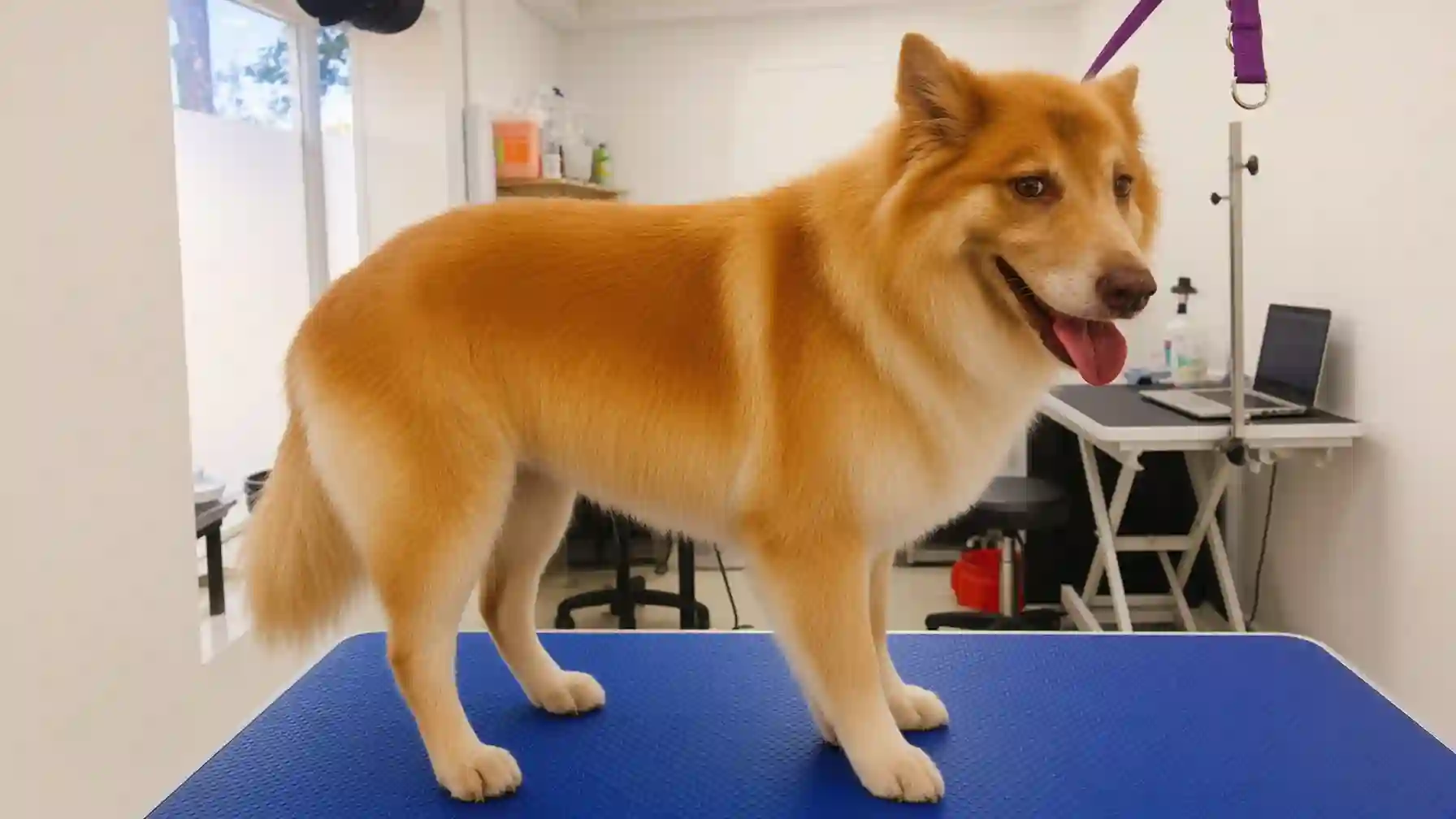
Table of Contents
Groom a Double-Coated Dog at Home, particularly breeds known for their luxurious yet challenging fur like the Siberian Husky, is a commitment that goes beyond mere aesthetics. It is a crucial aspect of their overall health and comfort, requiring a specific understanding of their unique coat structure and the right tools and techniques. Many dog owners might feel overwhelmed by the sheer volume of fur or the intricacies of dealing with a double coat, but with patience and the proper knowledge, you can effectively groom a double-coated dog at home and manage your dog’s shedding while maintaining their coat in pristine condition, reducing the need for frequent professional grooming sessions. Learning how to groom a double-coated dog at home is an essential skill for any owner of these magnificent breeds.
Understanding the Double Coat: Nature’s Insulator and Protector
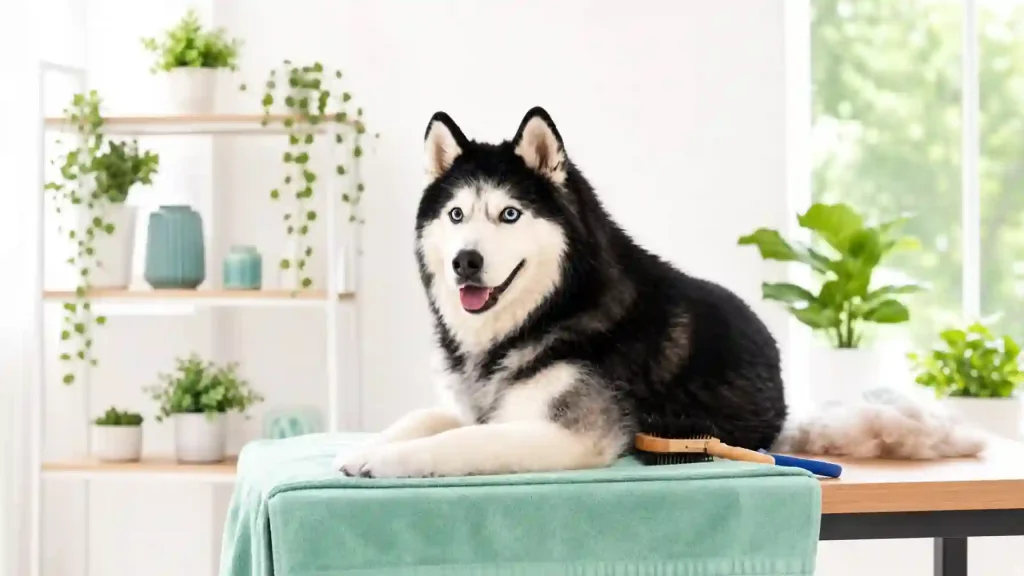
To effectively groom a double-coated dog at home, it is paramount to first understand what a double coat is and why it functions as it does. A double coat refers to a dog’s fur that consists of two distinct layers: a soft, dense undercoat and a longer, coarser topcoat, also known as guard hairs. This unique two-layer system is nature’s ingenious design, providing dogs with critical functions for temperature regulation, weather protection, and skin health. When you groom a double-coated dog at home, respecting this natural design is crucial.
The inner layer, the undercoat, is composed of shorter, woolly hairs that are soft and abundant. Its primary role is to provide insulation, effectively trapping air to keep the dog warm in cold weather and cool in hot weather by allowing air circulation to the skin. This insulating property is why shaving a double-coated dog is almost universally discouraged, as it disrupts their natural cooling system and can lead to overheating and sunburn. The undercoat sheds heavily, especially during seasonal changes, in a process often referred to as “blowing coat,” where the dog sheds a massive amount of undercoat over a few weeks to prepare for the upcoming season. When you groom a double-coated dog at home, you must be prepared for this heavy shedding.
The outer layer, the topcoat, consists of longer, stiffer guard hairs. These hairs are designed to protect the dog from external elements. They are coarse and water-resistant, acting like a natural shield against rain, snow, dirt, and harmful UV rays. The guard hairs also contribute to the dog’s color and overall appearance. Unlike the undercoat, the topcoat grows very slowly and has a long dormancy phase, meaning it is meant to stay in to provide structure and protection for the dog’s skin. To groom a double-coated dog at home properly, you must preserve the topcoat.
Breeds commonly identified as double-coated include Siberian Huskies, Alaskan Malamutes, German Shepherds, Golden Retrievers, Australian Shepherds, Samoyeds, and Pomeranians, among others. For these dogs, regular grooming is not merely about preventing mats or reducing hair around the house; it’s essential for their comfort and health. Without proper grooming, the dense undercoat can become impacted, leading to painful matting, skin irritations, hot spots, reduced thermoregulation, and skin infections due to poor air circulation and trapped moisture. Regular brushing helps distribute natural oils throughout the coat, keeping both skin and fur healthy and shiny. To groom a double-coated dog at home effectively, consistency is key.
Essential Grooming Tools for Your Double-Coated Companion
Equipping yourself with the right tools is the first step towards a successful at-home grooming routine for your double-coated dog. Using inappropriate tools can be ineffective or even damage their delicate coat and skin. Here’s a rundown of the essential items you’ll need to groom a double-coated dog at home:
- Undercoat Rake: This specialized tool is indispensable for double-coated breeds. It features long, widely-spaced teeth designed to penetrate through the protective guard coat and reach the dense undercoat, effectively pulling out loose, dead hair without cutting the healthy topcoat. Look for rakes with rotating teeth to prevent snagging and make the process more comfortable for your dog. This is arguably the most important tool to groom a double-coated dog at home.
- Slicker Brush: A slicker brush has fine, bent wire bristles and is excellent for removing loose fur and debris from the topcoat and for tackling surface-level tangles. It’s also useful for smoothing the coat after deshedding. When using a slicker brush, always brush in the direction of hair growth and be gentle to avoid scratching the skin.
- Pin Brush: While not as critical for deshedding, a pin brush (with rounded pins) can be used for general brushing, especially for longer-haired double coats, to help detangle and smooth the outer coat. It’s often used for finishing touches.
- Deshedding Tool (e.g., FURminator): These tools, often with a stainless-steel edge, are highly effective at removing significant amounts of loose undercoat. While powerful, they must be used carefully to avoid over-stripping or irritating the skin. They are particularly beneficial during heavy shedding seasons.
- High-Velocity Dog Dryer: This is a game-changer for double-coated dogs. After bathing, a high-velocity dryer (also called a force dryer) blows out an incredible amount of loose undercoat while simultaneously drying the dog thoroughly. This helps prevent matting and skin issues caused by trapped moisture. Ensure it has adjustable settings for airflow and temperature (always use cool or warm, never hot). To groom a double-coated dog at home professionally, this tool is essential.
- Dog-Specific Shampoo and Conditioner: Choose formulas designed for dogs, ideally deshedding shampoos and conditioners that help loosen dead hair and moisturize the coat, making it easier to remove excess fur. Avoid human products, as they can disrupt a dog’s skin pH.
- Absorbent Towels: For initial towel drying after bathing.
- Nail Clippers and Ear Cleaner: Essential for comprehensive grooming, though not directly related to coat deshedding.
The Comprehensive At-Home Grooming Process
Grooming a double-coated dog at home should be a systematic process to ensure thoroughness and minimize stress for your pet. Here’s a detailed, step-by-step guide to groom a double-coated dog at home effectively:
Pre-Bath Preparation: Brushing Out Loose Hair and Mats
Before any water touches your dog, a thorough brushing session is crucial. This step is often overlooked but is vital for preventing mats from tightening during the bath and making the deshedding process more effective. Start by using an undercoat rake to work through the dense undercoat, gently pulling out loose hair. Work in sections, brushing down to the skin. If you encounter any mats, use a dematting tool or carefully work them out with your fingers and a slicker brush. Never pull or rip through mats, as this is painful for your dog. For breeds like Huskies, brushing 3-4 times a week, and even daily during shedding seasons, is recommended to keep their coat healthy and minimize shedding. When you groom a double-coated dog at home, this pre-bath step is essential.
Bathing Your Groom a Double-Coated Dog at Home Effectively
Bathing a double-coated dog requires specific attention to penetrate both layers of fur.
- Wet Thoroughly: Ensure your Groom a Double-Coated Dog at Home entire coat, down to the skin, is completely saturated with lukewarm water. This can take longer than you expect due to the density of the undercoat.
- Apply Shampoo: Use a high-quality dog shampoo, ideally a deshedding formula. Apply it to a dry coat if using a loofah or by hand, as this can help the cleanser adhere to the dirt better. Work the shampoo deep into the coat, massaging it all the way to the skin. This helps loosen dead hair.
- Rinse Meticulously: Rinsing is perhaps the most important part of bathing a double-coated dog. Any shampoo residue left in the undercoat can cause skin irritation and lead to matting. Rinse until the water runs completely clear and you can no longer feel any slickness on the fur.
- Condition: Follow up with a deshedding conditioner, working it through the coat to further loosen dead hair and moisturize the skin. Allow it to sit for a few minutes as per the product instructions, then rinse thoroughly.
Huskies typically only need bathing a few times a year, unless they get particularly messy, as over-bathing can strip their essential natural oils. When you groom a double-coated dog at home, be mindful of not over-bathing.
The Critical Step: Thorough Drying
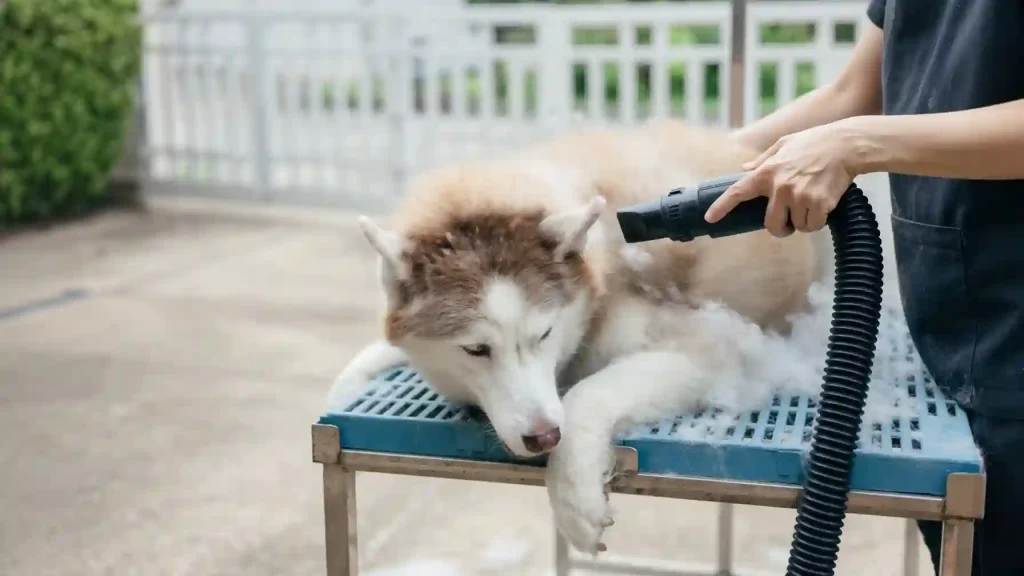
Proper drying is paramount for double-coated dogs to prevent skin issues like hot spots and fungal infections, and to prevent matting.
- Towel Dry: Start by gently towel-drying your Groom a Double-Coated Dog at Home to remove as much excess water as possible. Patting rather than vigorous rubbing helps prevent tangles.
- High-Velocity Dryer: This is where a high-velocity dryer shines. Set it to a cool or warm (never hot) setting and the highest airflow. Start from the back and work towards the head, blowing the air in the direction of hair growth to prevent matting. For a more effective deshedding technique during drying, you can blow the air directly against the lay of the hair, from the skin outward, which helps to “line up” and puff out the undercoat, making it easy to brush away. Work in sections, ensuring each area is completely dry down to the skin. This process will also blast out a significant amount of loose undercoat.
- Brush While Drying: Brush your Groom a Double-Coated Dog at Home with one hand while drying with the other to aid in the deshedding process and ensure even drying.
Ensure your dog is 100% dry, as any lingering moisture in their dense undercoat can create a breeding ground for bacteria and lead to skin problems. To groom a double-coated dog at home safely, thorough drying is non-negotiable.
Deshedding Techniques for Optimal Coat Health
Once your Groom a Double-Coated Dog at Home is clean and thoroughly dry, the final deshedding pass can begin. This is where you’ll remove any remaining loose undercoat that the bath and drying process didn’t eliminate.
- Undercoat Rake: Use your undercoat rake again, working systematically through your Groom a Double-Coated Dog at Home. Focus on areas prone to heavy shedding, such as the hindquarters, chest, and tail.
- Deshedding Tool: Follow with a deshedding tool, if you choose to use one, for a final pass. Be gentle and use short, light strokes. Do not press hard or go over the same spot repeatedly, as this can irritate the skin or damage the healthy topcoat.
- Slicker Brush for Finish: Finish with a slicker brush to smooth out the topcoat and give your Groom a Double-Coated Dog at Home a tidy appearance.
Remember, consistency is key. Regular deshedding sessions will greatly reduce the amount of fur shed around your home and keep your dog’s coat healthy. For more foundational training advice that can help build trust during grooming, you might find our guide on easy commands every puppy should learn very useful.
Selecting the Best Deshedding Brush for Your Husky at Home
Huskies are renowned for their magnificent double coats, which are perfectly adapted for harsh, cold environments. However, this also means they are prodigious shedders, especially during their twice-yearly “blow outs”. Choosing the right deshedding brush is critical for managing their fur effectively when you groom a double-coated dog at home. The goal is to remove the loose undercoat without damaging their essential guard hairs or irritating their skin.
For Huskies, the most recommended tools are typically a combination of an undercoat rake and a slicker brush, often supplemented by a deshedding tool during peak shedding seasons.
- Undercoat Rakes: These are paramount for Huskies. They feature long teeth that can reach deep into the dense undercoat to pull out loose, dead fur without pulling on the topcoat. For a Husky, look for a sturdy undercoat rake with widely spaced teeth to handle their thick fur.
- Slicker Brushes: A slicker brush is excellent for the initial detangling of the topcoat and for removing surface-level loose hair. It helps to prepare the coat for the undercoat rake and can be used for general brushing outside of heavy shedding periods.
- Deshedding Tools (e.g., FURminator): Tools like the FURminator, designed specifically for long-haired, double-coated breeds, are highly effective during shedding season for removing a large volume of undercoat. However, these should be used with caution and not excessively, as over-use or improper technique can damage the topcoat or irritate the skin.
- Rubber Curry Brushes/Grooming Mitts: While more suited for short-haired breeds, a rubber curry brush can be used on a Husky during bathing to help work the shampoo through the coat and gently loosen some of the undercoat.
The key is to use these tools strategically. Start with an undercoat rake to get to the deep undercoat, then use a slicker brush for the outer layers and any tangles, and finally, a deshedding tool if needed for the really heavy shedding periods. Always remember to brush in the direction of hair growth and be gentle, especially around sensitive areas like the belly and tail. To groom a double-coated dog at home effectively, you need the right combination of tools.
Here’s a comparison of popular deshedding brush types suitable for Huskies:
| Brush Type | Primary Function | Best For | Considerations |
|---|---|---|---|
| Undercoat Rake | Penetrates topcoat to remove loose undercoat. | Deep deshedding, thick double coats (Huskies, German Shepherds). | Essential tool. Choose one with rotating teeth to prevent snagging. |
| Slicker Brush | Removes surface tangles and loose topcoat hair. | Detangling, general brushing, medium to long coats. | Good for pre-bath and finishing. Be gentle to avoid skin irritation. |
| Deshedding Tool (e.g., FURminator) | Efficiently removes large amounts of dead undercoat. | Heavy seasonal shedding (“blowing coat”). | Use sparingly and carefully; can damage topcoat or irritate skin if overused. |
| Pin Brush | General brushing, detangling, smoothing longer topcoats. | Finishing, gentle brushing for maintenance. | Less effective for deep deshedding but good for overall coat health. |
| High-Velocity Dryer | Blasts out loose undercoat while drying. | Critical for drying and simultaneous deshedding after baths. | Requires Groom a Double-Coated Dog at Home to be comfortable with noise and air pressure. |
Common Grooming Mistakes and How to Prevent Them
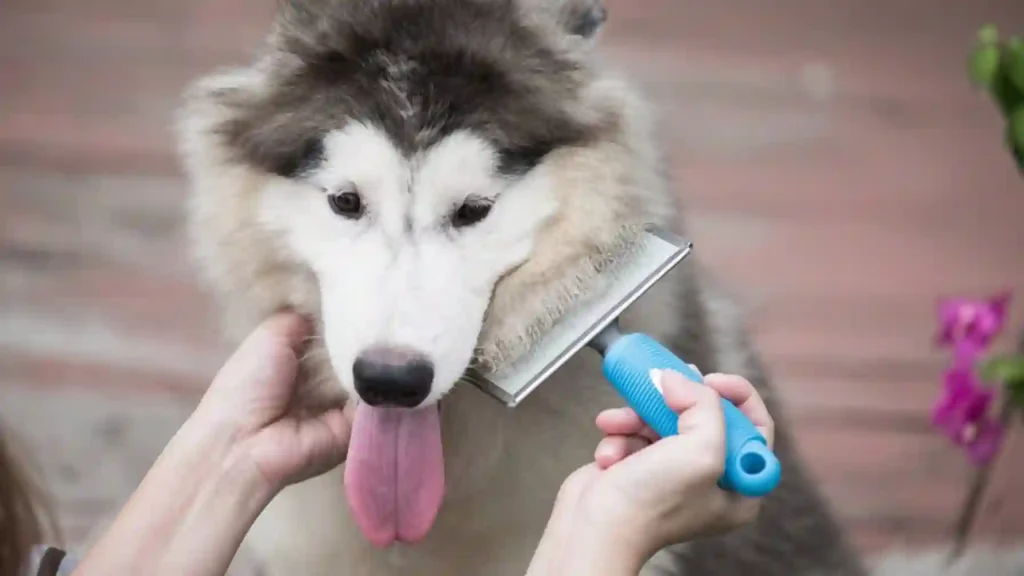
While at-home grooming is highly beneficial, certain mistakes can inadvertently harm your double-coated dog’s health and coat. Being aware of these pitfalls can help you provide the best care when you groom a double-coated dog at home:
- Shaving a Double Coat: This is arguably the most critical mistake. Contrary to popular belief, shaving a double-coated dog does not keep them cooler; it actually disrupts their natural thermoregulation system. The undercoat provides insulation against both heat and cold, and the guard hairs protect from UV rays. Shaving removes this protection, making them prone to sunburn, heatstroke, and can lead to irreversible coat damage, including improper regrowth, change in texture or color, and even alopecia.
- Improper Drying: Not thoroughly drying a double-coated Groom a Double-Coated Dog at Home after a bath can lead to serious skin issues. Trapped moisture in the dense undercoat creates a perfect environment for bacterial and fungal growth, leading to hot spots, skin infections, and a foul odor. Always ensure your Groom a Double-Coated Dog at Home is completely dry down to the skin.
- Using the Wrong Tools: Employing brushes not suited for a double coat, such as a brush with sharp pins that can scratch the skin, or using tools aggressively, can cause pain, skin irritation, and damage to the coat. Always use tools designed for thick undercoats, like an undercoat rake, and use them gently.
- Brushing a Dry, Dirty Coat: Brushing a dirty coat can be abrasive, as dirt acts like sandpaper against the skin, causing irritation. Similarly, using a deshedding tool on a completely dry coat can cause static, breakage, and discomfort. Ideally, deshedding happens after a bath when the coat is clean and slightly damp or fully dry, but the most effective deshedding for double-coated breeds often occurs during the bathing and high-velocity drying process when the hair is wet and loosened.
- Neglecting Mats and Tangles: Allowing mats to form and neglecting them can lead to painful skin pulling, restricted movement, and hiding places for parasites. Always address tangles and mats gently before they become severe.
- Over-Bathing: While regular grooming is important, over-bathing can strip essential natural oils from a double coat, leading to dry skin and a dull coat. Huskies, for instance, typically only need bathing a few times a year.
Maintaining a Healthy Double Coat Between Grooming Sessions
Effective grooming doesn’t end with a bath and a deshedding session. Maintaining your Groom a Double-Coated Dog at Home fur health requires consistent effort between major grooming appointments. This ongoing care is vital for minimizing shedding, preventing mats, and ensuring your dog’s skin and coat remain healthy year-round. To groom a double-coated dog at home successfully, you must maintain a regular schedule.
- Regular Brushing: The cornerstone of double coat maintenance is a consistent brushing routine. For most double-coated breeds, brushing 2-3 times per week is sufficient during normal periods. However, during seasonal shedding (spring and fall), daily brushing—sometimes twice daily—is necessary to manage the significant amount of loose undercoat. Utilize your undercoat rake and slicker brush during these sessions to keep the undercoat from becoming impacted and to remove shed hair before it spreads throughout your home. Regular brushing also helps to distribute natural oils, promoting a healthy shine and preventing dryness.
- Healthy Diet and Supplements: A balanced diet plays a significant role in coat health. Ensure your Groom a Double-Coated Dog at Home is receiving high-quality nutrition. Incorporating omega-3 fatty acids into their diet, either through food or supplements, can significantly improve skin and coat health, reducing dryness and excessive shedding. Consult your veterinarian for appropriate dietary recommendations and supplement dosages.
- Spot Cleaning: For minor messes, spot cleaning with a damp cloth or Groom a Double-Coated Dog at Home -specific wipes can keep your dog clean without the need for a full bath, thus preserving their natural coat oils.
- Paw and Ear Care: Don’t forget other essential grooming aspects. Regularly check and clean your dog’s ears to prevent infections, and trim their nails as needed, typically every month. Long nails can cause discomfort and lead to orthopedic issues.
- Environmental Control: While not a grooming step, maintaining a comfortable indoor environment can help manage shedding. A clean home, with regular vacuuming, will also make you appreciate your grooming efforts more!
For more detailed insights into the functions and care of a Groom a Double-Coated Dog at Home coat, you can refer to authoritative sources such as Wikipedia’s article on dog coats. To ensure you’re using the best products, see our recommendations for the best dog shampoo for itchy skin .
Conclusion
Grooming a double-coated dog at home, whether a majestic Siberian Husky or another beloved double-coated breed, is an essential practice for their health, comfort, and well-being. By understanding the unique structure of their two-layered coat and committing to a consistent grooming routine, you can effectively manage shedding, prevent painful matting, and maintain their natural insulation system. Equipping yourself with the right tools—primarily a quality undercoat rake, a slicker brush, and a high-velocity dryer—and mastering proper bathing and deshedding techniques are fundamental. Crucially, always remember the cardinal rule: never shave a Groom a Double-Coated Dog at Home With patience, dedication, and the knowledge shared in this guide, you can confidently provide your furry companion with the care they need, fostering a stronger bond and a healthier, happier life for your Groom a Double-Coated Dog at Home . If you’re just starting out, our dog grooming checklist for first-time owners is a great resource to ensure you have everything you need. You may also find our comprehensive dog grooming tips a comprehensive guide helpful for additional information. For more help finding professional services, our guide on pet groomers near me can help you find the right support. For more information on skin conditions, our article on dog allergy understanding and managing provides comprehensive information. If your Groom a Double-Coated Dog at Home is excessively itchy, check out our article on why is my dog itching so much for more insights. For related tips on managing behavior, you might also want to read our piece on how to stop excessive dog barking .
