How to Potty Train a Puppy Fast: 7 Proven Steps
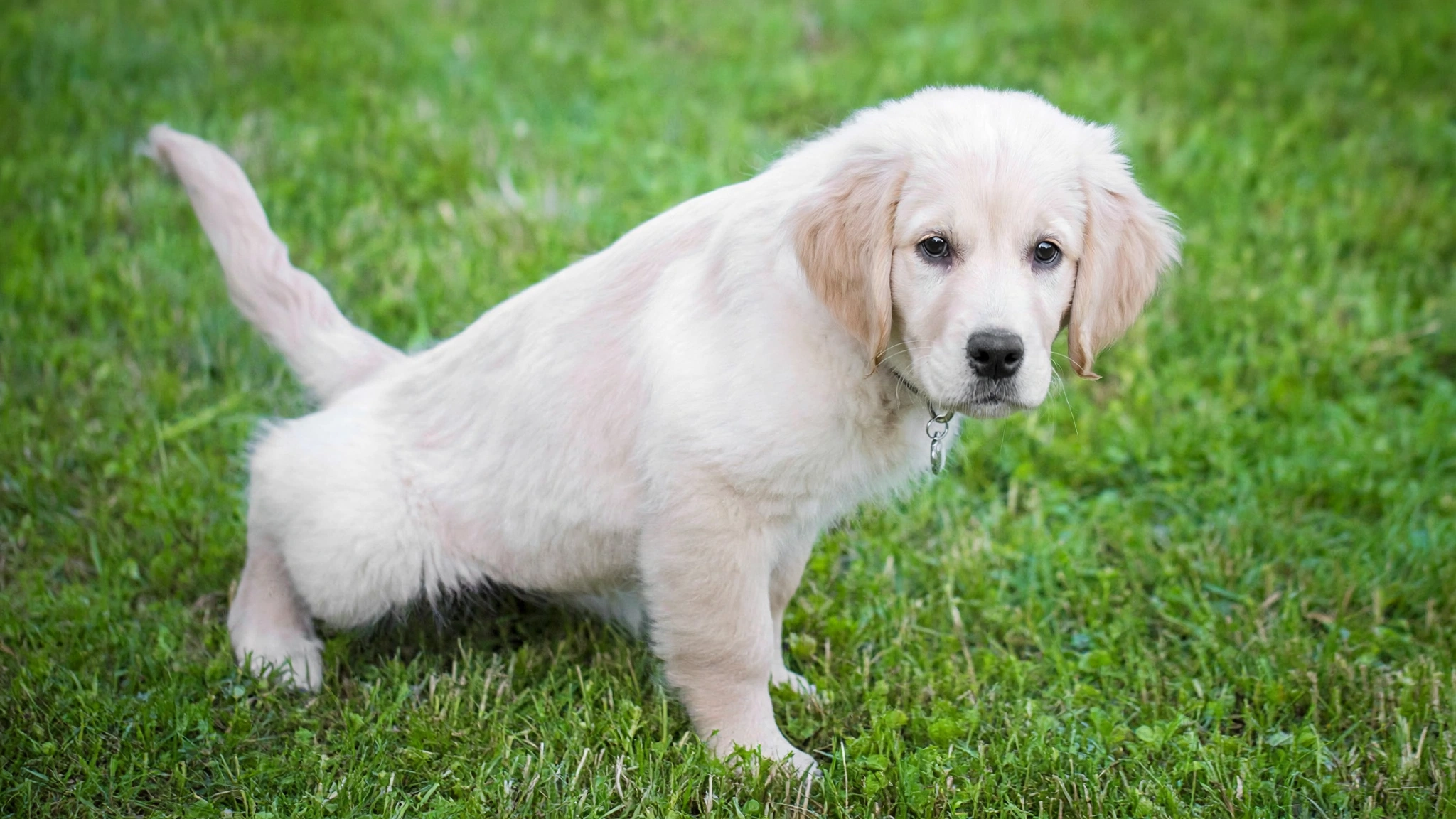
Table of Contents
Potty train a puppy fast is often a top priority for new pet owners, and while “fast” can be subjective, implementing effective strategies from day one can significantly accelerate the process. It’s an essential part of integrating a new puppy into your home, providing a foundation for good behavior and helping to maintain a clean environment. The journey requires a blend of consistency, attentiveness, and unwavering patience. While some sources might promise to potty train a puppy in as little as 7 days, it’s more realistic to expect several weeks to a few months for a puppy to be fully house-trained, with some even taking up to a year. Success hinges on establishing clear routines, understanding your puppy’s cues, and utilizing positive reinforcement to encourage desired behaviors.
Potty Train a Puppy: When to Start Training
At its core, puppy potty training is about teaching your young canine companion where it is appropriate to eliminate and, equally important, where it is not. This involves more than just preventing accidents; it’s about clear communication and building a predictable structure that your puppy can understand. Puppies, especially at a young age, have limited bladder and bowel control, meaning they need frequent opportunities to relieve themselves. Without proper guidance, they will naturally go wherever and whenever the urge strikes. Therefore, a successful approach focuses on setting your puppy up for success by maximizing opportunities for them to go in the correct spot and rewarding them generously when they do.
The goal is to instill good habits and foster a loving bond between you and your pet. This bond is strengthened through positive interactions during training, making the process less stressful and more enjoyable for both parties. The consistency of your efforts directly impacts how quickly your puppy will grasp the concept of designated potty areas. From the moment you bring your puppy home, whether they are 8 or 12 weeks old, beginning this training immediately is crucial to establishing an early routine.
Potty Train a Puppy: Create a Consistent Schedule
The ideal time to begin house-training a puppy is as soon as you welcome them into your home, typically between 8 to 12 weeks of age. At this stage, while bladder control is still developing, puppies are highly impressionable and receptive to learning routines. Starting early helps establish good habits from the outset. By 12 to 16 weeks, puppies generally develop more control over their bladder and bowels, making the training process slightly smoother.
It’s important to remember that it’s never too late to potty train a dog, even if they joined your family as an adult. However, training an older dog may take longer, as you might need to help them unlearn old habits before new, desirable ones can be established. Factors such as breed size, age, and previous living conditions can all influence the duration of potty training. Smaller breeds often have smaller bladders and higher metabolisms, requiring more frequent trips outside compared to larger breeds.
Potty Train a Puppy with the Right Potty Break Times
A consistent schedule is arguably the most critical component of fast and effective puppy potty training. Puppies thrive on predictability and structure. By adhering to a regular schedule for feeding, sleeping, and potty breaks, you help your puppy understand when and where they are expected to eliminate.
A general rule of thumb for how long a puppy can hold its bladder is one hour per month of age, plus one. For example, a three-month-old puppy might hold it for about four hours. However, this is a maximum guideline, and younger puppies, especially those under four months, should be taken out much more frequently. Experts advise taking puppies out every 30 to 60 minutes initially, until you learn their individual holding capacity. Some sources even suggest every 30 minutes to 2 hours, depending on their age, size, and activity level.
Feeding your puppy at the same times each day makes their bathroom needs more predictable, as most puppies will need to poop within 5 to 30 minutes after a meal. Similarly, restricting water intake about 2.5 hours before bedtime can reduce overnight accidents, as most puppies can sleep for about seven hours without a break at night once they are a bit older. Regularly setting alarms can ensure you don’t miss scheduled potty breaks, which is especially helpful during the initial stages and overnight. As your puppy develops more control, you can gradually increase the time between breaks.
Potty Train a Puppy Using Positive Reinforcement
Beyond the regular interval schedule, certain times of the day almost guarantee your puppy will need to go. Incorporating these into your routine is essential for preventing accidents and reinforcing outdoor elimination. Always take your puppy to their designated potty spot at these critical moments:
- First thing in the morning: Immediately upon waking, your puppy will almost certainly need to go. Don’t delay for coffee or emails; get them outside promptly.
- After meals or drinking: Within 5-30 minutes of eating or drinking, puppies often need to relieve themselves. Consistent meal times lead to predictable potty times.
- After naps: Just like waking up in the morning, waking from any nap during the day will likely trigger the need to potty.
- After playtime or exercise: Physical activity stimulates the digestive tract, so take your puppy out after a play session or walk.
- Before bedtime: Always ensure a final potty break right before putting your puppy to bed for the night.
- After spending time in their crate: When letting your puppy out of their crate, take them directly outside.
- After any excitement: Visitors, new situations, or even “zoomies” can trigger the urge to go.
The more frequently you take your puppy out during these key times, the more opportunities they have to succeed, reinforcing the desired behavior.
| Time of Day | Activity | Potty Break? |
|---|---|---|
| Early Morning | Wake Up | Yes, immediately |
| Morning | Breakfast, Playtime | Yes, 5-30 mins after eating, after playing |
| Midday | Nap, Playtime | Yes, after waking, after playing |
| Late Afternoon | Lunch, Playtime | Yes, 5-30 mins after eating, after playing |
| Evening | Dinner, Playtime | Yes, 5-30 mins after eating, after playing |
| Late Evening | Before Bed | Yes, last thing before sleep |
| Throughout Day | Every 30-60 mins (young pups) | Yes, general rule for prevention |
Potty Train a Puppy with Crate Training
Positive reinforcement is the most effective and scientifically backed method for puppy training. When your puppy successfully eliminates in the designated outdoor spot, immediate praise, a high-value treat, or a short play session will help them associate the action with a positive outcome. The reward should be given within 1-2 seconds of them finishing their business, ensuring they understand what behavior earned the reward.
Using a consistent verbal cue, such as “go potty” or “do your business,” as they are eliminating can also help them associate the command with the action. Over time, this can lead to your puppy responding to the cue when taken outside. The key is to make every successful potty break a rewarding experience. Avoid giving treats inside after they’ve come in, as this can confuse them into thinking the reward is for coming indoors, not for eliminating outside. Keep training treats small and easy to digest. Positive reinforcement not only speeds up the learning process but also builds a strong, trusting relationship between you and your puppy.
Potty Train a Puppy by Recognizing Potty Signals
Crate training is an invaluable tool for fast potty training, leveraging a dog’s natural instinct to avoid soiling their sleeping area. A crate provides a safe, comfortable den for your puppy and helps limit their access to the house while they are learning appropriate behavior.
When choosing a crate, ensure it is appropriately sized. Your puppy should be able to stand up, turn around, and lie down comfortably, but it should not be so large that they can designate a separate “bathroom” area inside. If your puppy is still growing, you can use a larger crate with a divider to adjust the space as they grow. The crate should be a positive place, never used for punishment. Make it inviting with comfortable bedding and safe toys. Feeding meals in the crate can also help create a positive association.
The strategy is simple: when you cannot actively supervise your puppy, they go in the crate. Immediately upon releasing them from the crate, take them directly to their designated potty spot outside. This helps them associate leaving the crate with going potty outdoors. Puppies should generally not be left in a crate for longer than they can reasonably hold their bladder (age in months plus one hour, as a guideline), and never for excessive periods, as this can be detrimental to their physical and mental health. For overnight training, keep the crate near your bed so you can hear if your puppy whines to be let out. Most puppies can sleep through the night without a potty break by about four months of age. For more in-depth guidance on crate training, you can refer to comprehensive resources on animal behavior and dog training practices. Wikipedia’s article on Dog Training provides a good starting point for understanding various training methodologies.
Potty Train a Puppy: Common Mistakes to Avoid
Learning your puppy’s pre-potty signals is crucial for preventing accidents and getting them outside on time. While every puppy is unique, there are common behaviors that indicate an impending need to eliminate. When you observe these signs, act quickly and take your puppy to their potty spot immediately.
Common signs a puppy needs to go potty include:
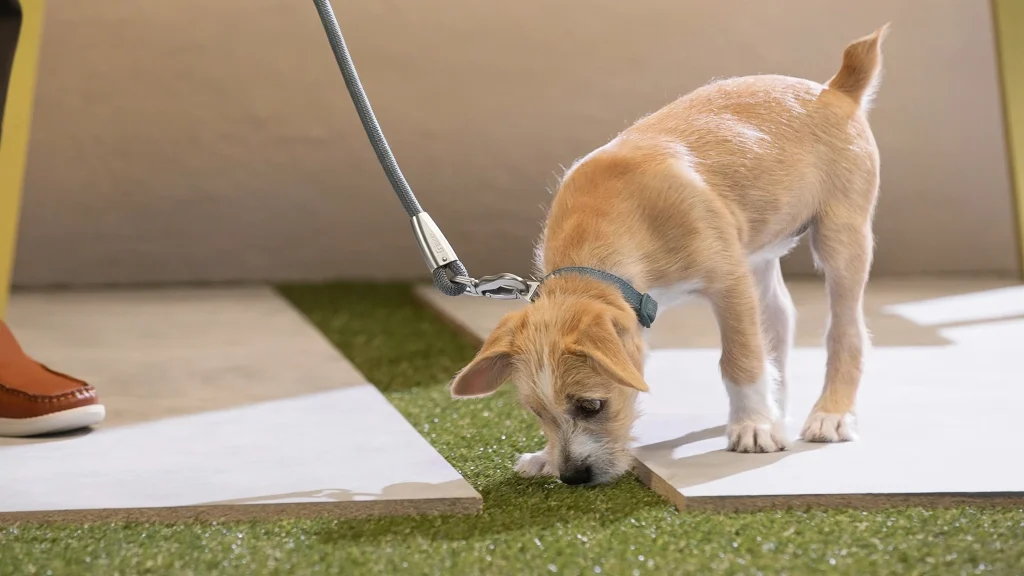
- Sniffing the floor or carpet: This is a classic indicator that they are looking for a spot.
- Circling: Pacing in circles, often while sniffing, is another strong sign.
- Whining or barking: Some puppies vocalize their need to go.
- Scratching at the door: They may scratch at the exit door or simply sit near it.
- Restlessness or agitation: General fidgeting or an inability to settle down can be a clue.
- Squatting: If you see this indoors, it’s often too late, but still quickly take them outside to reinforce the right location.
- Wandering away: A puppy might try to find a secluded spot to do their business.
Immediate action when you see these signs is key. Keep a leash readily available by the door to minimize delay. The faster you respond, the more likely you are to prevent an accident and reinforce the desired outdoor behavior. Don’t wait for your puppy to tell you they need to go, especially during the early stages; proactively take them out based on your schedule and their body language.
Potty Train a Puppy: What to Do After Accidents
Even with the best intentions, new puppy owners can fall into common traps that prolong the potty training process. Avoiding these mistakes is essential for fast and effective training:
- Punishing accidents: Scolding, yelling, or rubbing your puppy’s nose in an accident is highly counterproductive. This only teaches your puppy to fear you or to hide their accidents, making them less likely to go in front of you (even outside). Instead, calmly clean up the mess and recommit to your training schedule.
- Skipping a consistent schedule: Inconsistent potty breaks, mealtimes, and supervision are major setbacks. Puppies need routine to learn.
- Leaving too much time between breaks: Young puppies have small bladders and cannot hold it for extended periods. Failing to take them out frequently enough guarantees accidents.
- Not supervising closely: Allowing your puppy to roam unsupervised means you won’t see when they need to go, missing opportunities to intervene and take them outside. Tethering them to you or confining them to a safe, visible area when you can’t watch them prevents accidents.
- Not cleaning accidents properly: Simply wiping up an accident isn’t enough. Dogs have powerful noses, and residual odors can attract them back to the same spot. Use an enzymatic cleaner specifically designed to break down urine odors and pheromones. Avoid ammonia-based cleaners, as their scent can mimic urine.
- Using potty pads indefinitely: While some trainers use potty pads, many experts suggest skipping them for outdoor-only training if your goal is to house-train quickly for outside elimination. Potty pads can confuse puppies by teaching them it’s sometimes okay to go indoors, prolonging the transition to outdoor-only habits. If used, they should be gradually moved closer to the door and eventually outside.
- Sending your puppy out alone: If you send your puppy into the yard by themselves, you have no way of knowing if they actually went, or if they were just distracted. Always go outside with them to ensure they eliminate and to reward them immediately.
- Expecting instant results: Potty training takes time, consistency, and patience. While some puppies catch on quickly, many will take several weeks or months. Don’t get discouraged by setbacks; they are a normal part of the learning process.
By being mindful of these common pitfalls, you can streamline the potty training process and help your puppy learn more quickly and efficiently. For additional resources on training techniques and preventing behavioral issues, consider exploring reputable online dog training platforms or local classes (though no internal links are included here, general advice is always useful).
Potty Train a Puppy: Final Thoughts
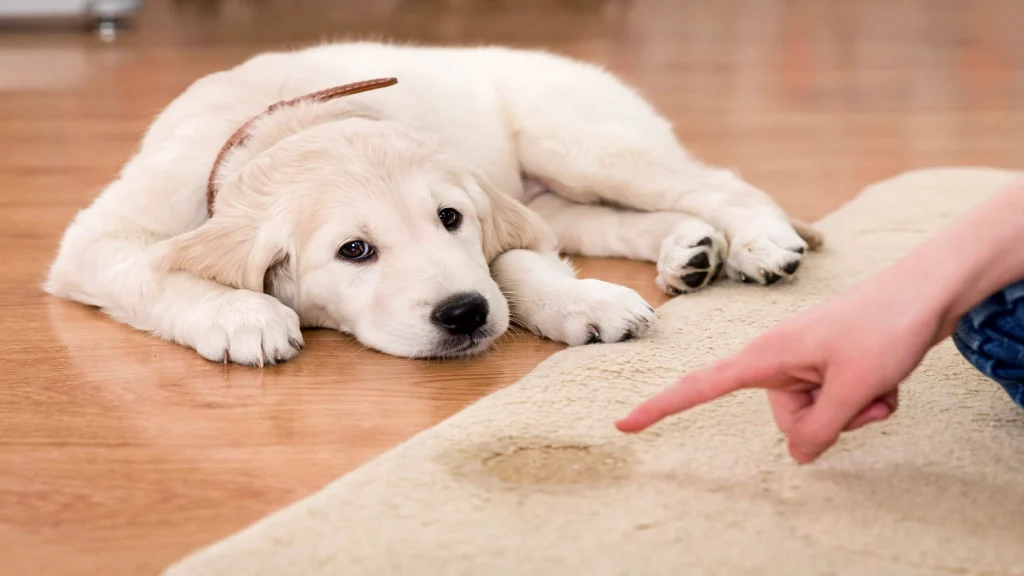
Accidents are an inevitable part of puppy potty training, and how you react to them is crucial for success. If you catch your puppy in the act of having an accident indoors, quickly and calmly interrupt them without scolding. Immediately pick them up and carry them to their designated outdoor potty spot. If they finish eliminating outside, praise and reward them enthusiastically.
If you discover an accident after it has already happened, do not punish your puppy. They will not associate the punishment with a past action, and it can create fear and anxiety, hindering future training progress. Instead, calmly clean up the mess thoroughly using an enzymatic cleaner to neutralize odors, which discourages your puppy from returning to the same spot. After cleaning, return to your consistent schedule and supervision. Every accident is a learning opportunity for you to re-evaluate your routine and identify where adjustments might be needed.
Conclusion
Potty training a puppy fast is an achievable goal when approached with a structured, consistent, and patient mindset. While the timeline can vary for each individual puppy, success is built upon a foundation of predictable routines, frequent potty breaks, and abundant positive reinforcement. Utilizing tools like crate training, understanding your puppy’s subtle signals, and actively avoiding common mistakes will significantly accelerate the learning process. Remember, the journey to a fully house-trained puppy is a marathon, not a sprint, but with dedication and understanding, you’ll soon enjoy the rewards of a well-adjusted and clean canine companion.