Smartest Dog Breed: 10 Amazing Smart Dogs That Learn Fast
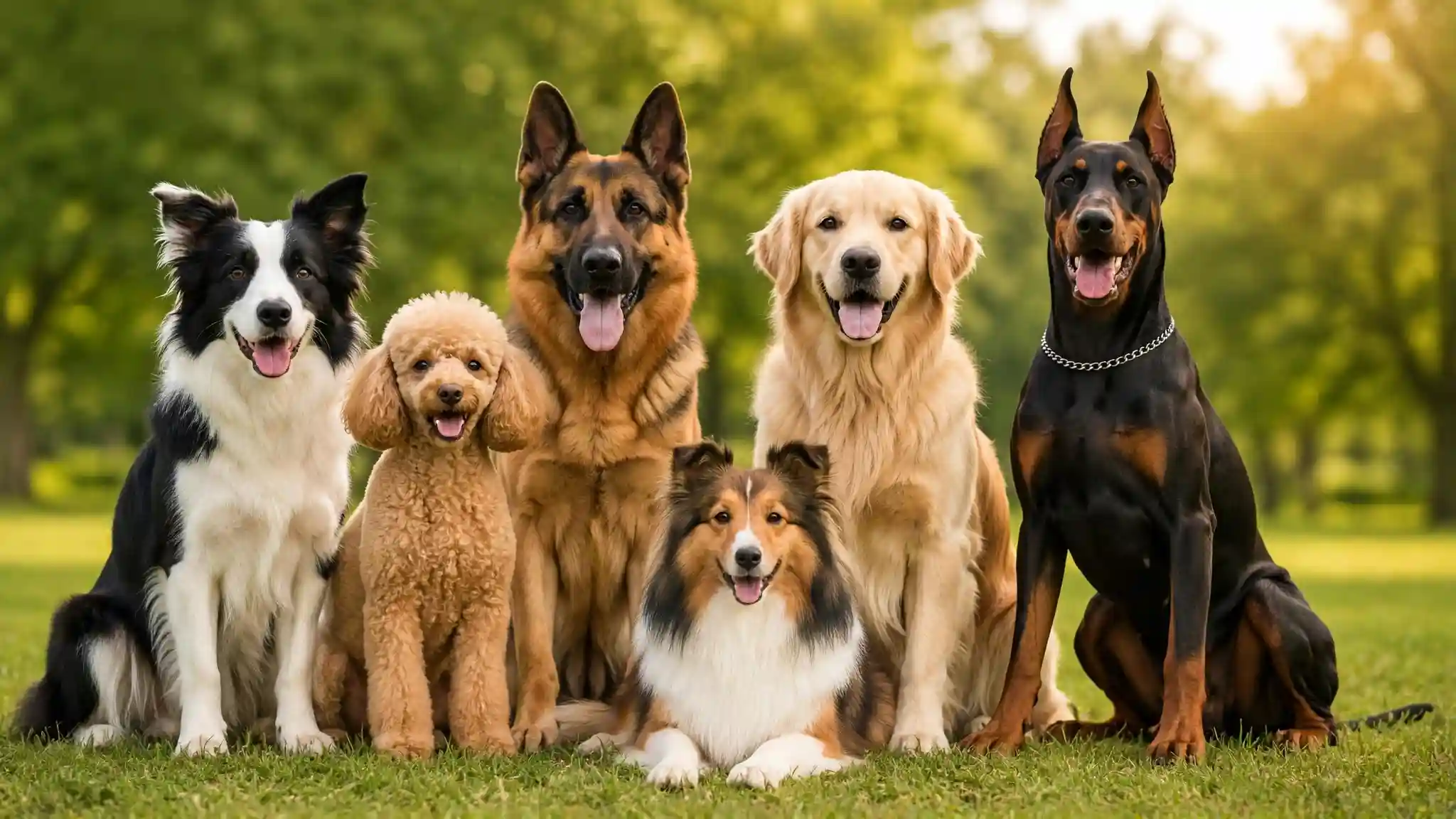
Table of Contents
Smartest dog breed is a title often debated among canine enthusiasts, trainers, and researchers. While the Border Collie consistently ranks at the top of many intelligence scales, defining “smart” in the canine world is far more complex than simply teaching a dog to sit or stay. Canine intelligence encompasses a spectrum of abilities, from instinctual prowess to problem-solving skills and the capacity to learn from human interaction. Understanding these different facets helps us appreciate the remarkable cognitive abilities of our four-legged companions and sheds light on why certain breeds excel in specific areas. This comprehensive article delves into what constitutes canine intelligence, highlights the breeds often recognized for their superior intellect, and explores the implications of owning such a clever companion.
Understanding Canine Intelligence: More Than Just Tricks
When we speak of canine intelligence, it’s essential to recognize that it’s not a monolithic concept. Just as human intelligence varies across verbal, mathematical, or emotional domains, Smartest Dog Breed exhibit diverse forms of smarts. Dr. Stanley Coren, a renowned professor of canine psychology, revolutionized our understanding by categorizing Smartest Dog Breed intelligence into three primary types: instinctive intelligence, adaptive intelligence, and working and obedience intelligence.
- Instinctive Intelligence: This refers to a dog’s innate ability to perform the tasks they were originally bred for. For example, a Border Collie’s instinct to herd sheep, a Labrador’s natural inclination to retrieve, or a guard dog’s inherent protective tendencies all fall under this category. These are often inborn behaviors that require minimal human intervention to control and direct. Comparisons across breeds in this dimension are often deemed “senseless” by experts due to the vast differences in their inherent abilities.
- Adaptive Intelligence: This measures a Smartest Dog Breed capacity to solve problems independently and learn from their environment and experiences. It encompasses their resourcefulness and ability to figure things out on their own, such as navigating new situations or overcoming obstacles. Adaptive intelligence can even vary among individual dogs within the same breed.
- Working and Obedience Intelligence: Often the most recognized and measured form, this refers to a Smartest Dog Breed ability to learn from humans and respond to commands. It’s akin to “school-learning ability” in humans and is largely based on how quickly a dog can understand and consistently obey human instructions. This category is what Dr. Coren primarily focused on in his widely cited rankings.
While some argue that intelligence is often solely based on obedience, experts emphasize that Smartest Dog Breed exhibit various types of intelligence, including problem-solving skills and emotional understanding. Modern research continues to explore these different facets, recognizing that training, socialization, and cognitive enrichment are all critical components, and that every dog is an individual.
Dr. Stanley Coren’s Groundbreaking Research: Defining the Top Tier
Dr. Stanley Coren’s 1994 book, The Intelligence of Smartest Dog Breed (with a revised edition in 2006), remains a seminal work in understanding breed-specific intelligence. His research provided a structured framework for ranking breeds based predominantly on their working and obedience intelligence.
The Methodology Behind the Rankings
Coren’s methodology involved surveying 208 Smartest Dog Breed obedience judges from the American Kennel Club (AKC) and Canadian Kennel Club (CKC) across North America. These judges were asked to rank breeds by their performance in obedience trials, specifically focusing on two key metrics: the number of repetitions needed to understand a new command and the percentage of time a dog would obey a known command on the first try. Breeds were only included if they received at least 100 judge responses, ensuring a robust dataset. This approach aimed to provide an objective assessment of a breed’s trainability and responsiveness to human instruction. His findings found substantial agreement among judges, with certain breeds consistently ranking at the top and others at the bottom. This survey-based approach, while sometimes debated by cognitive researchers, has largely been accepted as a valid description of differences in trainability among Smartest Dog Breed.
The Top 10 Smartest Breeds According to Coren
Based on Coren’s research, breeds that demonstrate exceptional working and obedience intelligence typically learn new commands in fewer than five repetitions and obey a first command 95% of the time or better. These Smartest Dog Breed are often described as having an eager-to-please attitude and a strong desire to work alongside their human companions. While there might be slight variations in top lists from different sources, the core breeds consistently appear at the pinnacle.
The generally accepted top 10 smartest dog breeds, according to Stanley Coren’s rankings, include:
- Border Collie: Universally recognized as the most intelligent, excelling in rapid learning, obedience, and problem-solving.
- Poodle (Standard, Miniature, Toy): Highly intelligent, versatile, and known for their keen observation skills, strong memory, and ability to learn complex tasks quickly.
- German Shepherd: Renowned for their intelligence, loyalty, and versatility, frequently used in police, military, and service roles due to their trainability and ability to function in high-stress situations.
- Golden Retriever: Combines intelligence with friendliness, making them excellent service and therapy dogsSmartest Dog Breed due to their innate working ability and eagerness to please.
- Doberman Pinscher: Highly alert, intelligent working dogs, known for their focus and protective instincts.
- Shetland Sheepdog (Sheltie): Known for high intelligence, trainability, and excellent problem-solving skills, excelling in herding, agility, and obedience.
- Labrador Retriever: Super smart, with a long history of working alongside humans, instinctually perceptive and quick to learn, making them champions in retrieving, obedience, and service work.
- Papillon: The smartest of the small dog breeds, quick problem-solvers, highly alert, and excellent in agility competitions.
- Rottweiler: Intelligent, loyal, and capable working dogs, often misunderstood but highly trainable with proper guidance.
- Australian Cattle Dog: Known for their guarding, herding, and hunting instincts, and a strong need for mental stimulation.
Beyond Obedience: Adaptive and Instinctive Brilliance

While working and obedience intelligence often captures the spotlight, the other forms of canine intelligence are equally fascinating and crucial to a dog’s overall cognitive profile. Adaptive intelligence, for instance, highlights a Smartest Dog Breed capacity for independent thought and problem-solving. This can manifest in various ways, such as a Smartest Dog Breed figuring out how to open a gate, locate hidden treats, or navigate a new environment. For example, a Poodle once placed a cold treat in a patch of sunlight to warm it up before eating it, showcasing remarkable adaptive intelligence. Border Collies, known for their resourcefulness, often excel at problem-solving and can quickly learn new commands with few repetitions, indicating strong adaptive intelligence. This form of intelligence can differ significantly even among individuals of the same breed.
Instinctive intelligence, on the other hand, is deeply ingrained and represents the specialized skills a breed was developed for. A Border Collie’s intense “eye” to control sheep, a Pointer’s ability to sniff out birds and indicate their location, or a Bloodhound’s exceptional scent-tracking prowess are all examples of instinctive intelligence. These are not learned behaviors in the traditional sense but rather finely tuned genetic predispositions that have been honed over centuries of selective breeding. While difficult to compare across breeds directly, this inherent intelligence is vital to a Smartest Dog Breed function and historical purpose, and it shapes their natural tendencies and drives. Therefore, a truly intelligent Smartest Dog Breed often possesses a strong blend of these intelligences, allowing them to not only learn from humans but also to adapt, problem-solve, and utilize their natural talents effectively.
| Smartest Dog Breed | Primary Intelligence Type (Coren’s Focus) | Key Cognitive Traits | Mental Stimulation Needs |
|---|---|---|---|
| Border Collie | Working & Obedience; Adaptive; Instinctive (Herding) | Rapid learner, exceptional problem-solver, strong focus, “the eye” herding instinct. | Very High: Requires constant mental and physical exercise, tasks, and “a job” to prevent boredom and destructive behavior. |
| Poodle | Working & Obedience; Adaptive; Instinctive (Retrieving) | Quick learner, keen observation, strong memory, high trainability, can understand many words. | High: Thrives on learning, puzzle games, interactive play, and consistent training to reach full potential. |
| German Shepherd | Working & Obedience; Adaptive; Instinctive (Herding/Guarding) | Loyal, versatile, highly trainable, excellent problem-solving, strong memory, anticipates actions. | High: Requires consistent training, varied challenges, and enrichment to prevent boredom; excels in task-oriented roles. |
| Golden Retriever | Working & Obedience; Adaptive | Eager-to-please, natural working ability, adaptable, empathetic. | Moderate to High: Benefits from obedience training, retrieving games, and activities that involve working alongside their humans. |
| Doberman Pinscher | Working & Obedience; Adaptive; Instinctive (Guarding) | Alert, intelligent, focused, good memory, protective instincts. | High: Needs consistent training, clear boundaries, and outlets for their protective and energetic nature. |
| Shetland Sheepdog | Working & Obedience; Adaptive; Instinctive (Herding) | Quick learner, excellent problem-solving, agile, highly trainable. | High: Benefits from activities like herding, agility, and obedience training to challenge their minds and bodies. |
| Labrador Retriever | Working & Obedience; Adaptive; Instinctive (Retrieving) | Perceptive, quick to learn, friendly, loyal, excellent in service and therapy roles. | Moderate to High: Enjoys fetch, retrieving tasks, and various forms of training to keep them engaged. |
| Papillon | Working & Obedience; Adaptive | Quick problem-solvers, highly alert, agile, curious, eager to learn. | Moderate to High: Excels in agility, obedience, and puzzle games despite their small size. |
Factors Shaping Canine Cognitive Abilities
While genetics lay a significant foundation for a dog’s intelligence, determining about 51% of it according to Coren, environmental factors play an equally crucial role, accounting for the remaining 49%. A Smartest Dog Breed cognitive abilities are not solely predetermined by its breed but are profoundly shaped by its upbringing, training, and overall environment.
Firstly, genetics and breed characteristics undeniably influence a dog’s inherent predispositions. Breeds developed for complex working roles, like herding or guarding, often possess genetic traits that favor problem-solving, focus, and trainability. For instance, the Border Collie’s “eye” and herding drive are centuries of selective breeding at play. However, even within the same breed, individual differences in adaptive intelligence can be observed.
Secondly, training methods and socialization experiences are paramount. A stimulating environment with consistent, positive reinforcement training can significantly enhance a dog’s cognitive skills. Smartest Dog Breed that are regularly exposed to new experiences, people, and other dogs develop better social intelligence and adaptability. Conversely, a lack of learning opportunities, isolation, or inconsistent training can hinder a dog’s intellectual development. Intelligent Smartest Dog Breed require varied and increasingly complex commands or activities to maintain their interest and prevent boredom.
Thirdly, the owner’s interaction and the home environment are critical. Smartest Dog Breed thrive when included in family activities and provided with mental challenges. A mentally understimulated dog may lose problem-solving skills over time, while stress and anxiety can reduce learning efficiency and memory retention. High-energy and intelligent breeds, in particular, need abundant mental stimulation to prevent boredom and destructive behaviors like chewing, digging, or excessive barking. Activities such as puzzle toys, obedience training, scent work, interactive games, and agility courses are excellent ways to keep their minds sharp and engaged. Nutritional aspects, including omega-3 fatty acids, antioxidants, and vitamins, also contribute to brain health and cognitive sharpness. In essence, while a Smartest Dog Breed provides a blueprint, it is the ongoing commitment to their mental and physical well-being that truly unlocks their full intellectual potential.
Spotlight on Exceptional Breeds: A Closer Look
Delving deeper into some of the most intelligent breeds reveals the specific traits that set them apart.
The Border Collie: A Herding Prodigy
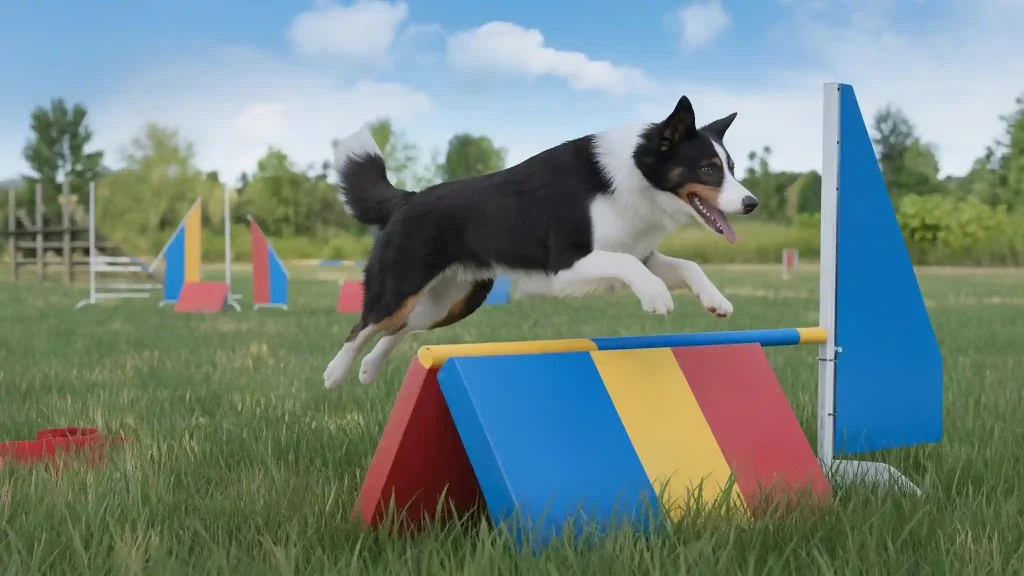
The Border Collie consistently holds the top spot as the smartest dog breed, a reputation earned through centuries of selective breeding for herding livestock along the English-Scottish border. Their intelligence is a remarkable blend of powerful instincts, sharp intellect, and rapid decision-making. Border Collies are not just quick learners; they can understand new commands in fewer than five repetitions and obey them over 95% of the time on the first command. Their “eye”—an intense stare used to control sheep—is an inherited trait demonstrating their profound instinctive intelligence and problem-solving capabilities. Famous for their work ethic, Border Collies thrive when given a “job” or purpose. Without sufficient mental and physical stimulation, their intelligence and energy can lead to destructive behaviors, as they will “go self-employed” and find their own ways to stay busy. Activities like agility, flying disc, flyball, and complex puzzle toys are ideal for challenging their sharp minds.
The Poodle: Brains Behind the Beauty
Often perceived merely for their elegant appearance, Poodles are, in fact, one of the most Smartest Dog Breed, ranking second in Coren’s list. This applies to all varieties—Standard, Miniature, and Toy Poodles—as they share the same cognitive capabilities. Originally bred as water retrievers, Poodles possess keen observation skills, a strong memory, and an exceptional ability to learn new commands and solve problems rapidly. Some trainers even suggest Poodles have the potential to understand as many as 400 words, surpassing many other breeds. They are highly trainable and eager to please, making them excel in obedience and agility competitions. Poodles thrive on mental engagement and consistent positive reinforcement training. Their adaptability and quick learning make them excellent companions, often surprising owners with their cleverness and capacity for complex learning. However, like all intelligent breeds, they require consistent opportunities to use their brains to prevent boredom.
The German Shepherd: The Versatile Worker
German Shepherds consistently rank among the top intelligent breeds, often holding the third position in intelligence rankings. Their intelligence is a result of intentional breeding for traits like loyalty, versatility, and the ability to work tirelessly alongside humans as herding and guard Smartest Dog Breed. German Shepherds possess an exceptional work ethic, strong focus on humans, impressive memory, and advanced problem-solving skills. They can learn new commands in fewer than five repetitions and obey them correctly about 95% of the time, demonstrating their remarkable trainability and eagerness to please. Their cognitive prowess allows them to analyze situations, recognize patterns, and respond effectively, which is why they are widely used in demanding roles such as police and military work, search and rescue, and as service Smartest Dog Breed. Beyond their working intelligence, German Shepherds also exhibit significant emotional intelligence, capable of reading human emotions and offering comfort. Owning a German Shepherd requires commitment to consistent training and providing ample mental challenges to satisfy their active minds and prevent boredom.
The Responsibilities of Owning a Highly Intelligent Dog
Owning a highly intelligent dog breed can be an incredibly rewarding experience, offering a deep bond and endless opportunities for training and interaction. However, it also comes with significant responsibilities and unique challenges that prospective owners must be prepared for.
The primary challenge is managing their intense need for mental stimulation and physical activity. Breeds like Border Collies, German Shepherds, and Australian Shepherds were bred for demanding “jobs” and possess boundless energy and sharp minds that require constant engagement. Without sufficient outlets for their intelligence, these dogs can quickly become bored, restless, and destructive. Common behavioral issues stemming from under-stimulation include excessive barking, chewing, digging, and even aggression. Owners must be creative and consistent in providing varied activities, such as puzzle toys, advanced obedience training, agility, scent work, and interactive games, to keep their clever minds occupied.
Furthermore, highly intelligent dogs can be quite adept at learning “bad habits” just as quickly as good ones. Their problem-solving skills mean they might figure out how to open gates, escape yards, or raid pantries if not given proper structure and boundaries. This necessitates a consistent, firm, but fair approach to training from an early age. Inconsistency in rules or training methods can be particularly destabilizing for these dogs, leading to confusion and behavioral issues. They thrive on predictable routines and clear leadership.
Highly intelligent breeds also tend to bond strongly with their human families and are not ideally suited for homes where they are left alone for extended periods. They require social interaction and can develop separation anxiety or other stress-related behaviors if isolated. The notion that “love alone is enough” for intelligent working dogs is a common misconception; love without structure can create instability. Owners must be prepared to dedicate significant time and energy to training, exercise, and enrichment throughout the dog’s life. This commitment ensures that their intelligence is channeled positively, preventing potential frustrations and fostering a well-behaved, happy, and fulfilled companion. Ignoring these needs will often lead to a smart dog adapting to instability, which can manifest as chaotic or challenging behavior, ultimately putting more strain on the owner.
Conclusion: Intelligence is Diverse and Demanding
The quest for the “smartest dog breed” ultimately leads to a nuanced understanding of canine intelligence. While the Border Collie frequently tops the lists for its unparalleled working and obedience intelligence, closely followed by the Poodle and German Shepherd, it’s crucial to remember that intelligence manifests in various forms—instinctive, adaptive, and working/obedience. Each breed, and indeed each individual dog, possesses a unique blend of these cognitive abilities, shaped by both genetics and environmental factors.
Owning a highly intelligent dog is a rewarding partnership that demands commitment and understanding. These canine Einsteins require more than just food and shelter; they need consistent mental stimulation, ample physical exercise, and structured training to thrive. Without these outlets, their remarkable intellect can turn into a source of frustration, leading to boredom and destructive behaviors. Therefore, the “smartest” dog breed is not necessarily the “easiest” to own; rather, they are dogs that challenge their owners to be equally engaged, creative, and dedicated. By recognizing the diverse forms of canine intelligence and committing to meeting their comprehensive needs, owners can unlock the full potential of their intelligent companions, fostering a truly enriching and harmonious relationship. For further insights into the fascinating world of canine cognition and the implications of intelligence for dog behavior, one might explore the extensive work compiled on Wikipedia’s page on Dog Intelligence.