Dog Food Horse Meat: 7 Shocking Facts Every Dog Owner Should Know

Table of Contents
Was dog food horse meat? For many pet owners today, the idea of horse meat being a primary ingredient in commercial dog food might come as a surprise, or even a shock. Yet, delving into the historical archives of the pet food industry reveals a period when horse meat was not only common but was actively promoted as a nutritious and readily available protein source for canine companions. The journey of horse meat from a staple ingredient to its virtual disappearance from mainstream pet food labels is a fascinating narrative, reflecting profound shifts in societal values, economic landscapes, and regulatory oversight concerning animal welfare and food safety. This comprehensive article will explore the historical prevalence of horse meat in dog food, the factors that led to its decline, the legal and ethical complexities involved, and its current status in the global pet food market.
The Early Days of Commercial Pet Food: A Solution to Surplus
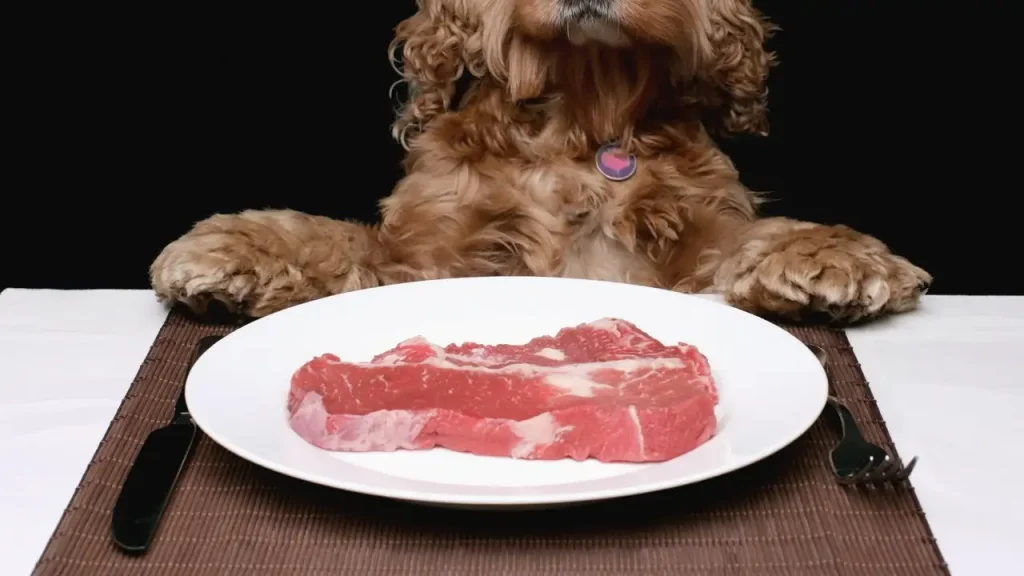
The concept of commercial pet food as we know it is a relatively modern invention, emerging in the mid-19th century. Before this innovation, dogs largely subsisted on table scraps, hunting for their own food, or receiving various leftovers from their human companions. The first commercial dog biscuits, such as James Spratt’s “Fibrine Dog Cakes” introduced around 1860, began to professionalize canine nutrition. However, it wasn’t until the early 20th century that canned dog food gained significant traction, and this is where Dog Food Horse Meat played a pivotal role.
Following World War I, a dramatic shift occurred in transportation and agriculture. The widespread adoption of automobiles and tractors rapidly diminished the need for horses as work animals, leading to a substantial surplus of horses, particularly in the United States. This abundance created an economic opportunity for entrepreneurs. P.M. Chappel, for instance, seized this chance in 1918 by purchasing large quantities of affordable Dog Food Horse Meat and launching Ken-L-Ration, which is widely recognized as the first canned dog food in the U.S..
Ken-L-Ration was marketed aggressively, proudly proclaiming its use of “lean, red, government-inspected meat,” a claim that leveraged the perception of quality and safety. The product became immensely popular, at one point holding a dominant share of the dog food market. By the 1930s, the demand for Dog Food Horse Meat for dog food was so high that companies like Chappel Brothers were reportedly breeding horses specifically for slaughter, processing an estimated 50,000 horses annually to meet the needs of the booming pet food industry. Horse meat, at this time, was considered an entirely acceptable and nutritious ingredient source, providing a high-protein, cost-effective solution for feeding pets on a large scale. It was a practical, albeit now controversial, response to an economic surplus and a growing consumer market for convenient pet feeding options.
A Societal Shift: From Workhorse to Companion Animal
While Dog Food Horse Meat was a common ingredient in early 20th-century dog food, public perception and societal values surrounding horses underwent a significant transformation over the decades. What was once seen primarily as a beast of burden or a food source gradually evolved into a revered companion animal in Western cultures. This shift had a profound impact on the pet food industry and the acceptability of using Dog Food Horse Meat.
As the 20th century progressed, the bond between humans and horses deepened beyond utilitarian roles. Horses became symbols of sport, leisure, and companionship, with many individuals owning them as pets. This growing emotional connection made the idea of slaughtering horses for consumption, whether human or animal, increasingly unpalatable to a significant portion of the public. The ethical and moral aspects of horse slaughter began to attract considerable debate and scrutiny, leading to public pressure on pet food companies.
The cultural reluctance to consume horse meat or feed it to pets intensified, particularly in the United States. This evolving sentiment was a primary driver behind the decline of Dog Food Horse Meat as a mainstream dog food ingredient. Pet food manufacturers, attuned to consumer preferences and growing ethical concerns, gradually phased out Dog Food Horse Meat from their formulations to avoid backlash and maintain public trust. This move reflected not necessarily a change in the nutritional value of Dog Food Horse Meat but a significant shift in the cultural and ethical considerations of its sourcing and use.
Navigating the Regulatory Framework: Labeling and Oversight
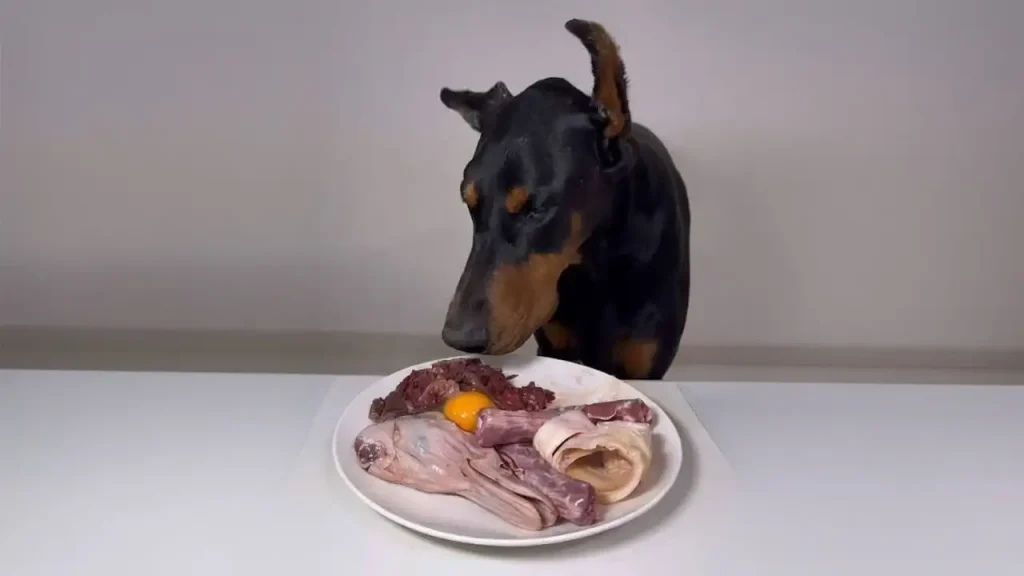
The regulation of pet food ingredients, including meat sources, is a complex landscape overseen by various bodies, primarily the Food and Drug Administration (FDA) at a federal level in the United States, along with state-specific regulations often guided by the Association of American Feed Control Officials (AAFCO). Understanding these regulations is key to comprehending the presence, or absence, of ingredients like Dog Food Horse Meat in pet food.
AAFCO is an independent, non-profit organization that does not directly regulate, test, or approve pet foods. Instead, it plays a crucial role in establishing model bills, ingredient definitions, and labeling guidelines that many states adopt into their own laws. The FDA, while not requiring pre-market approval for pet food, mandates that pet food be safe, free of harmful substances, and truthfully labeled.
Under AAFCO guidelines, specific rules govern how meat ingredients must be declared on pet food labels. For instance, “meat” on a label can refer to skeletal muscle and other animal parts from cows, pigs, sheep, or goats. However, if a pet food contains meat from other species, such as horse, it must be specifically identified by species (e.g., “horsemeat” or “kangaroo meat“). This requirement ensures transparency, at least in principle, allowing consumers to make informed choices.
In the United States, the legal status of Dog Food Horse Meat in pet food is nuanced. While its use is generally frowned upon and not practiced by major brands, it is not explicitly illegal as long as it is accurately declared on the label. However, a significant practical barrier emerged in 2007 when Congress effectively banned horse slaughter for human consumption in the U.S. by prohibiting the funding for USDA inspections of horse slaughterhouses. This action largely eliminated the domestic supply chain for Dog Food Horse Meat, even for animal feed, as unwanted horses are often shipped to Canada and Mexico for slaughter.
This regulatory environment means that while a company *could* theoretically import Dog Food Horse Meat for pet food, the logistical, ethical, and public relations hurdles make it an undesirable path for most mainstream manufacturers. The lack of domestic horse slaughterhouses for food purposes in the US further complicates sourcing for any company considering it.
| Aspect | Historical Context (Early 20th Century) | Modern Context (21st Century) |
|---|---|---|
| Primary Motivation for Use | Abundant, cheap protein source from surplus horses after WWI/automotive revolution. | Generally avoided in mainstream pet food due to ethical concerns and regulatory hurdles in many Western countries. |
| Societal View of Horses | Primarily seen as work animals, livestock, or a commodity for disposal. | Predominantly viewed as companion animals, leading to strong ethical objections to their slaughter. |
| Labeling Practices | Often promoted as “lean, red meat” with “horse” sometimes in fine print; less stringent disclosure. | Required to be explicitly labeled as “horsemeat” if used; strict ingredient declaration rules. |
| Legal Status (U.S.) | Permitted and widely accepted. | Not explicitly illegal if disclosed, but domestic slaughter effectively banned since 2007. |
| Prevalence in Dog Food | Common and widespread ingredient, forming the basis of many early canned foods. | Virtually absent from major brands in the U.S.; may be found in some niche foreign products or raw diets with transparency issues. |
Scandals and Scrutiny: The Impact of Undisclosed Ingredients
While the broad societal shift moved Dog Food Horse Meat out of the mainstream pet food spotlight, specific incidents and ongoing scrutiny have occasionally brought the issue back into public awareness, highlighting the critical importance of transparent labeling and ethical sourcing. These events underscore why pet owners remain vigilant about what goes into their companions’ bowls.
One of the most concerning aspects of undeclared or improperly sourced animal proteins in pet food involves the potential for contamination with drugs. Horses, unlike animals raised for human consumption, are often administered various medications, some of which are strictly prohibited in food animals due to potential health risks to consumers. Phenylbutazone (bute), a common anti-inflammatory drug given to horses, is one such substance that can pose risks if consumed by other animals or humans.
The issue gained significant attention with incidents like the 2017 recall of Evanger’s Hunk of Beef dog food, which was found to contain pentobarbital, a drug commonly used for euthanizing animals, along with horse DNA. This raised serious questions about the origin of the meat, suggesting that euthanized horses may have entered the pet food supply chain. While Evanger’s blamed its meat supplier, the incident highlighted a concerning loophole and the potential for dangerous substances to enter pet food if sourcing is not rigorously controlled. Such events erode consumer trust and reinforce the need for robust oversight and enforcement within the pet food industry. Even though specific studies on pet food in the U.S. haven’t shown widespread horse meat contamination, concerns about undeclared species, as identified in some U.K. studies, underscore the general need for pet food labels to accurately reflect all ingredients.
The “animal byproduct” designation on pet food labels can also be a source of confusion and concern for consumers. While legitimate byproducts can be nutritious, the vague nature of the term means that unless the animal source is specified (e.g., “chicken byproduct meal”), it could theoretically include various animal materials, though Dog Food Horse Meat would still need explicit labeling if present in significant quantities. This ambiguity often drives pet owners towards brands with more transparent and clearly defined ingredient lists, seeking assurance that their pets are consuming appropriate and safe proteins.
The Current Landscape: Is Horse Meat Still Found in Dog Food?

In today’s mainstream pet food market, particularly in the United States, Dog Food Horse Meat is overwhelmingly absent from dog food formulations. Major pet food brands have long since removed it from their ingredient lists, responding to the ethical concerns of consumers and the practical difficulties of sourcing. The effective ban on Dog Food Horse Meat slaughter in the U.S. for any food purpose further limits the domestic availability of horse meat, making it an impractical and publicly unpopular ingredient choice for American manufacturers.
However, the situation can be different in other parts of the world. Some countries do not share the same cultural aversion to Dog Food Horse Meat, and it remains a permissible and sometimes utilized protein source in pet food manufactured internationally. Therefore, consumers purchasing imported pet foods should always carefully review ingredient labels, as products from certain regions might still legitimately contain horse meat, provided it is properly declared according to local regulations.
Niche markets, such as certain raw pet food providers or those operating with less transparency, have occasionally faced scrutiny regarding the potential for undisclosed Dog Food Horse Meat. Instances like the 2017 Evanger’s recall and investigations by organizations like Animals’ Angels have revealed that even if not intentionally included by all manufacturers, Dog Food Horse Meat from animals destined for slaughter in neighboring countries (e.g., Mexico and Canada, where US horses are often shipped) can sometimes find its way into animal feed streams. Some reports suggest a connection between Mexican Dog Food Horse Meat producers and the pet food industry, taking advantage of the fact that bans often only apply to meat intended for human consumption. This highlights the ongoing challenge of ensuring full transparency and ethical sourcing throughout the global supply chain, especially when dealing with raw materials that cross international borders.
For the vast majority of dog owners in the U.S. buying from reputable, well-established brands, the concern of their dog food containing Dog Food Horse Meat is minimal. The industry has largely moved away from this practice, driven by consumer demand for transparency, ethical sourcing, and fear of public perception. Modern pet food companies typically rely on more commonly accepted protein sources such as chicken, beef, lamb, turkey, and fish, which are subject to clearer regulatory frameworks and enjoy broader consumer acceptance.
Pet owners concerned about specific ingredients should always:
- Read ingredient labels carefully to identify all protein sources.
- Choose brands that explicitly state their meat sources and follow AAFCO guidelines for “complete and balanced” nutrition.
- Research the brand’s sourcing practices and transparency initiatives.
For more detailed information on the ethical considerations surrounding animal products in the pet food industry, Wikipedia’s section on animal products in pet food provides a comprehensive overview of the broader context, including sourcing controversies and consumer movements.
Ethical and Nutritional Considerations in Modern Pet Food
The historical use of horse meat in dog food raises important questions that continue to shape the modern pet food industry, particularly concerning ethical sourcing and nutritional adequacy. While Dog Food Horse Meat itself can be a highly nutritious protein, rich in essential amino acids and relatively lean, its place in pet food has become largely a matter of ethics and public sentiment rather than nutritional merit.
From a purely nutritional standpoint, Dog Food Horse Meat is considered a safe and healthy protein source for dogs, containing vitamins and minerals beneficial for canine health. In some cultures, it is even consumed by humans. However, the ethical objections in many Western societies stem from the perception of Dog Food Horse Meat as companions rather than livestock. The methods of slaughter, particularly when horses are transported long distances to other countries, also raise significant animal welfare concerns, including potential mistreatment and inhumane conditions. The possibility of Dog Food Horse Meat treated with medications not approved for food animals entering the supply chain further compounds these ethical and safety considerations, leading to significant distrust among consumers.
Modern pet owners are increasingly conscious of the origin and quality of ingredients in their pets’ food. This trend has fueled a demand for more transparent supply chains, human-grade ingredients, and ethically sourced proteins. The focus has shifted towards ensuring that the animals used for pet food are raised and processed humanely, and that their meat is free from contaminants or drugs.
The pet food industry today offers a vast array of protein options, from traditional chicken and beef to novel proteins like venison, bison, and various fish, as well as an increasing number of plant-based alternatives. This diversification allows pet owners to choose foods that align with their ethical preferences and their pet’s specific nutritional needs or sensitivities. The emphasis on clear labeling, ingredient traceability, and adherence to established nutritional standards (such as those set by AAFCO) empowers consumers to make informed decisions, ensuring the well-being and health of their canine companions. As the bond between humans and their pets continues to strengthen, the scrutiny over pet food ingredients will likely only intensify, driving further innovation and transparency in the industry.
To learn more about the evolving standards of pet food ingredients and animal welfare, you may find information on modern pet food standards and ingredient sourcing helpful. For insights into different dietary options for dogs, including the pros and cons of various protein sources, explore discussions on choosing the right diet for your dog.
Conclusion
The question “was dog food horse meat” is unequivocally answered by history: yes, it was, particularly during the early to mid-20th century. Driven by an abundance of horses and a burgeoning commercial pet food market,Dog Food Horse Meat became a prevalent and economically viable protein source. Brands like Ken-L-Ration proudly utilized it, establishing it as a foundation for early canned dog food.
However, this historical reality stands in stark contrast to the modern pet food landscape. A profound cultural shift transformed the horse’s image from a work animal to a cherished companion, leading to widespread ethical objections against its slaughter. This, coupled with the practical ban on Dog Food Horse Meat slaughter in the U.S. and increased consumer demand for transparency and safety, has effectively removed horse meat from mainstream American dog food. While it might still be found in some internationally produced or niche pet food products, and occasional incidents highlight ongoing challenges in supply chain integrity, it is no longer a common ingredient. Today’s pet food industry, guided by evolving regulations and an increasingly informed consumer base, prioritizes clearly labeled, ethically sourced, and nutritionally appropriate ingredients, reflecting a deeper commitment to the health and well-being of our beloved canine companions.