Medicine Can I Give My Dog? Safe Pain Relief Tips for Limping Dogs 2026
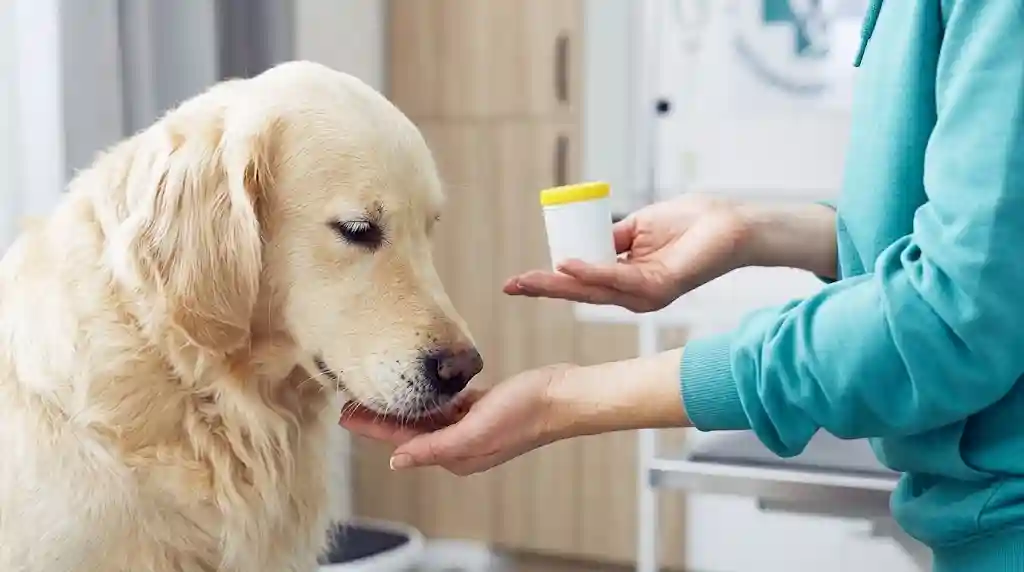
Table of Contents
What medicine can I give my dog to relieve limping pain? This question is a common concern for many dog owners witnessing their beloved companions struggling with discomfort. While the instinct to alleviate a pet’s pain is natural, it’s crucial to understand that self-medicating your dog can be extremely dangerous. Limping, or lameness, is a symptom, not a diagnosis, and it can stem from a wide array of underlying issues, from minor sprains to serious conditions like fractures, arthritis, or neurological disorders. Similarly, persistent itching in dogs, known as pruritus, can be a sign of anything from allergies and parasites to skin infections. This comprehensive guide will delve into the causes of limping and itching, safe and unsafe pain relief options, and when professional veterinary intervention is absolutely necessary.
Understanding Dog Limping and the Urgency of Veterinary Care
Limping in dogs indicates an inability to properly use one or more limbs due to pain or weakness. It can manifest in various ways, from a subtle favoring of a leg to a complete refusal to bear weight. Dogs are often masters at hiding pain, a natural instinct from their wild ancestors to avoid appearing vulnerable. Therefore, even a mild limp should not be dismissed, as it can still signify significant discomfort or an underlying injury that could worsen without treatment.
Common Causes of Limping:
- Injuries and Trauma: Sprains, strains, fractures, dislocations, or wounds can cause sudden limping. Dogs active in play or running on uneven ground are more susceptible. Paw injuries, including cuts, torn nails, or foreign objects lodged between the toes, are also common culprits.
- Arthritis: Particularly prevalent in older and larger breeds, arthritis causes joint pain and stiffness, often worsening with activity or in cold weather.
- Ligament or Tendon Damage: A torn cranial cruciate ligament (CCL), similar to an ACL injury in humans, is a frequent orthopedic problem, often leading to sudden, noticeable limping in active adult dogs.
- Dysplasia: Conditions like hip or elbow dysplasia, common in larger breeds, affect joint development and cause chronic pain.
- Infections and Inflammation: Infected wounds, abscesses, or joint infections can all cause limping and pain. Tick-borne diseases like Lyme disease can also lead to joint inflammation. For skin-related infections, see this guide on dog skin infections.
- Neurological Issues: Nerve damage, spinal compression (such as intervertebral disc disease – IVDD), or other neurological disorders can affect coordination and cause limping or weakness, sometimes without overt signs of pain.
What Medicine Can I Give My Dog to Relieve Limping Pain?
The unequivocal answer is: only medication prescribed and recommended by your veterinarian. Human pain medications are extremely dangerous for dogs and can cause severe, life-threatening reactions.
Why Human Medications Are Toxic:
- Ibuprofen (Advil, Motrin) & Naproxen (Aleve): These nonsteroidal anti-inflammatory drugs (NSAIDs) can lead to stomach ulcers, intestinal bleeding, kidney failure, and neurological issues in dogs.
- Acetaminophen (Tylenol): Even a small amount can cause liver failure and affect red blood cells, leading to severe complications.
- Aspirin: While sometimes used in very specific, vet-monitored cases, aspirin is generally not safe for routine home use due to risks of stomach irritation, ulcers, and interference with blood clotting.
A dog’s body processes these drugs differently than humans, making them toxic even in small doses. There is no “safe human dose” for dogs without veterinary guidance.
Veterinary-Prescribed Pain Medications:
When your dog is in pain, your veterinarian can accurately diagnose the cause and prescribe safe and effective medications specifically formulated for canines. These often include:
- Veterinary Nonsteroidal Anti-Inflammatory Drugs (NSAIDs): These are the most commonly prescribed medications for pain and inflammation associated with conditions like arthritis or post-surgical pain. FDA-approved canine NSAIDs include: Carprofen (Novox, Rimadyl), Deracoxib (Deramaxx), Firocoxib (Previcox), Grapiprant (Galliprant), Meloxicam (Metacam), Robenacoxib (Onsior; for short-term use). These medications target inflammatory responses to reduce pain and improve mobility, but they must be given under veterinary guidance due to potential side effects impacting the stomach, intestines, kidneys, or liver.
- Opioids: For severe pain, such as after surgery or in advanced cancer, veterinarians may prescribe stronger pain medications like opioids (e.g., buprenorphine, butorphanol, fentanyl).
- Other Pain Modifiers: Medications like Amantadine are sometimes used in combination with NSAIDs, especially for nerve pain.
Supplements for Joint Health:
While not pain relievers in the traditional sense, some supplements can support joint health and comfort, particularly in dogs with arthritis or age-related stiffness:
- Glucosamine and Chondroitin: These are natural components of healthy cartilage and are widely used as dietary supplements for osteoarthritis in dogs. Glucosamine has anti-inflammatory properties and helps cartilage production, while chondroitin prevents cartilage breakdown. While commonly recommended, the scientific evidence regarding their direct pain-relieving effect is mixed and further research is needed to establish optimal efficacy and dosage. It’s best to discuss their use with your veterinarian.
- Omega-3 Fatty Acids: Often found in fish oil, these supplements have anti-inflammatory properties that can support overall joint health and may help reduce pain and stiffness. For a complete nutrition overview, see this ultimate pet nutrition guide.
When to Seek Emergency Veterinary Care for Limping
While some mild limping may resolve with rest, certain signs warrant immediate veterinary attention. Do not delay if your dog exhibits any of the following:
- Refusing to put any weight on the affected limb.
- Yelping or crying out when touched or moved.
- Visible swelling, bleeding, an open wound, or deformity in the limb or joint.
- Limping after a significant trauma (e.g., fall, car accident, dog fight).
- Dragging a limb or knuckling the paw.
- Limping accompanied by other systemic symptoms like lethargy, fever, shaking, loss of appetite, or vomiting.
- Limping that lasts more than 24-48 hours or is getting worse.
Dog Limping Back Leg But No Apparent Pain: Unraveling the Mystery
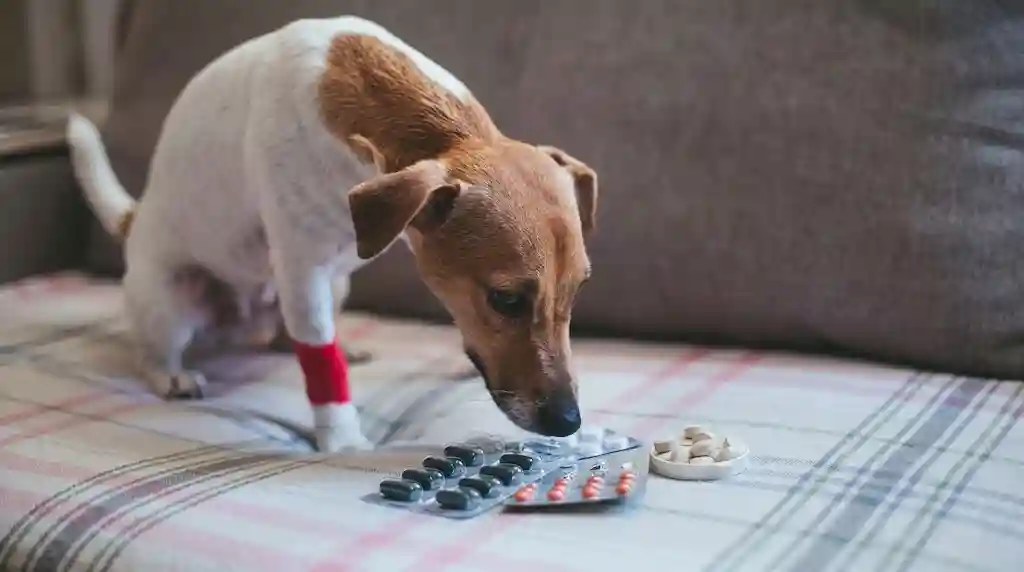
It can be perplexing when your dog is limping on a back leg but shows no obvious signs of pain, such as whining or yelping. However, the absence of overt pain does not mean there isn’t a problem. Dogs often instinctively hide pain, and some conditions cause discomfort without intense, acute pain.
Potential Causes of Painless Limping:
- Subtle Soft Tissue Injuries: Minor muscle strains or ligament sprains might cause limping without severe pain, especially in the early stages. However, if untreated, these can lead to long-term mobility issues.
- Early Arthritis or Joint Issues: Degenerative joint conditions can cause intermittent limping, and dogs may not show discomfort until the condition has progressed.
- Luxating Patella: This condition, common in small and medium breeds, involves the kneecap slipping out of place. Dogs might limp briefly and then resume normal activity as the kneecap returns to position.
- Nerve Damage or Neurological Issues: Conditions affecting the spinal cord or nerves, such as intervertebral disc disease (IVDD) or degenerative myelopathy, can cause weakness, dragging of a limb, or an uncoordinated gait without immediate, sharp pain. These neurological limps can be tricky because the lack of pain may delay a vet visit, allowing the underlying problem to progress.
- Behavioral Compensation: Dogs are highly adaptable and may alter their gait to compensate for discomfort, making the limp appear less painful than it truly is.
If you observe your dog limping, even without apparent pain, it is crucial to consult a veterinarian. Early diagnosis and intervention can prevent minor issues from becoming severe and improve your dog’s long-term quality of life.
Managing Mild Limping at Home (Under Vet Guidance)
For very mild limping without any emergency signs, a veterinarian might recommend initial home care, but this should always be done under their supervision:
- Rest: Restricting exercise and activity is crucial to prevent further injury and allow the affected limb to heal.
- Cold and Heat Therapy: Alternating between cold compresses (for acute swelling) and heat packs (for stiffness) can help reduce discomfort, but always ask your vet for specific recommendations on application and duration.
- Observe and Monitor: Keep a close eye on your dog for any worsening symptoms, increased pain, or development of other concerning signs.
| Condition/Symptom | Description | Commonly Affected Age/Breed | Likely Pain Level | Veterinary Treatment | When to Seek Vet Care |
|---|---|---|---|---|---|
| Minor Sprain/Strain | Temporary muscle or ligament injury from overexertion. | Any active dog | Mild to Moderate | Rest, anti-inflammatories, activity restriction. | If limping persists >24-48 hours, worsens, or causes distress. |
| Arthritis | Inflammation of joints, causing stiffness and pain, especially after rest. | Older dogs, large breeds | Chronic, dull ache; can have flare-ups | NSAIDs, joint supplements (glucosamine/chondroitin), physical therapy, weight management. | For diagnosis, pain management, and when signs worsen. |
| Torn CCL (Cranial Cruciate Ligament) | Injury to the knee ligament, causing instability and pain. | Active adult dogs (e.g., Labrador Retrievers, Rottweilers) | Moderate to Severe (often sudden) | Surgery, pain management, rehabilitation. | Immediate vet visit, especially for non-weight bearing limp. |
| Luxating Patella | Kneecap slips out of place, causing intermittent limping. | Small breeds (e.g., Chihuahuas, Pomeranians) | Intermittent, often brief; can become chronic | Pain management, anti-inflammatories, surgery in severe cases. | For diagnosis, and if episodes become frequent or painful. |
| Hip/Elbow Dysplasia | Abnormal development of hip/elbow joints, leading to pain and lameness. | Large breeds (e.g., German Shepherds, Golden Retrievers) | Chronic, can worsen over time | Weight management, NSAIDs, joint supplements, physical therapy, surgery. | For diagnosis, and long-term management to prevent progression. |
| Foreign Object in Paw | Thorn, glass, or debris embedded in paw pad or between toes. | Any dog | Acute, localized pain | Removal of object, wound cleaning, antibiotics if infected. | If object cannot be removed safely, deep wound, or infection present. |
| Neurological Issue (e.g., IVDD) | Spinal cord compression or nerve damage affecting limb function. | Specific breeds (e.g., Dachshunds for IVDD), older dogs | Variable (can be absent in early stages, or severe) | Strict rest, medication (anti-inflammatories, pain relievers), surgery, physical therapy. | Immediate vet visit if dragging leg, weakness, or coordination issues. |
How Do I Make My Dog Stop Itching at Home? Addressing Canine Pruritus
Itching, or pruritus, is one of the most common reasons dogs visit the veterinarian. While occasional scratching is normal, persistent or intense itching can indicate an underlying issue and significantly impact your dog’s quality of life. Addressing the root cause is key to effective relief. For a deeper dive into this topic, see this guide on why your dog is itching so much.
Common Causes of Itching:
- Parasites: Fleas, ticks, and mites (like those causing sarcoptic mange) are frequent culprits. Even a single flea can cause intense itching in sensitive dogs.
- Allergies: Dogs can suffer from environmental allergies (pollen, dust, mold), food allergies, or contact dermatitis (reactions to shampoos or certain plants). This guide on dog allergies provides more detail.
- Skin Infections: Bacterial or yeast infections often occur secondary to excessive scratching or underlying conditions. They can cause redness, odor, and inflammation.
- Dry Skin: Especially in dry climates or during winter, dry skin can lead to mild, generalized itching.
- Ear Infections: These often present with head shaking and scratching at the ears.
Home Remedies for Mild Itching (with caution and vet consultation):
For mild, temporary itching without severe skin lesions, some home remedies might offer temporary relief. However, these do not address the underlying cause, and it’s always best to consult your veterinarian before trying any home treatments.
- Oatmeal Baths: Colloidal oatmeal has anti-inflammatory and soothing properties that can calm irritated skin. Use a fragrance-free oatmeal shampoo specifically formulated for dogs.
- Coconut Oil: Applied topically, coconut oil can moisturize dry, flaky skin. Some dogs may benefit from small amounts added to their diet, but this should be discussed with a vet.
- Omega-3 Fatty Acid Supplements: Fish oil supplements can improve skin and coat health due to their anti-inflammatory effects. This is a long-term strategy rather than immediate relief.
- Apple Cider Vinegar Spray: Diluted apple cider vinegar may help reduce bacteria and yeast on the skin, but it can sting open wounds, so avoid applying to broken skin.
- Aloe Vera Gel: Pure aloe vera can soothe inflamed skin and hot spots.
- Regular Grooming and Paw Care: Brushing helps remove allergens from the coat, and wiping paws after walks can reduce exposure to environmental irritants. For a complete grooming routine, see this dog grooming checklist for first-time owners.
- Flea and Tick Prevention: Keeping your dog on year-round, vet-approved flea and tick prevention is crucial, as parasites are a leading cause of itching.
For more severe or persistent itching, a professional diagnosis is essential. For reliable information on animal health and care, refer to resources from the American Veterinary Medical Association (AVMA).
When Persistent Itching Requires Veterinary Intervention
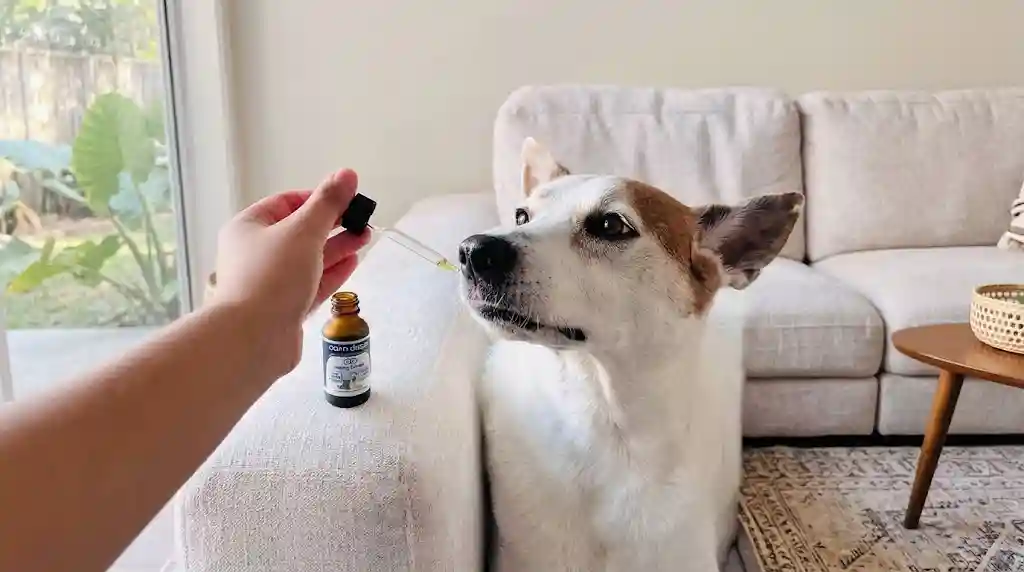
While home remedies can offer temporary comfort for mild itching, many cases require professional veterinary care to identify and treat the underlying cause. You should schedule an appointment with your veterinarian if your dog exhibits any of the following signs:
- Excessive scratching, licking, or chewing that is persistent or severe.
- Red, inflamed, or irritated skin.
- Hair loss or developing bald patches.
- Scabs, sores, open wounds, or “hot spots” (acute moist dermatitis).
- A strong or foul odor coming from the skin or ears.
- Shaking their head or constantly scratching at their ears.
- Appearing restless, unable to get comfortable, or experiencing changes in behavior, appetite, or energy levels due to itching.
- Itching that lasts more than a few days or worsens despite home care attempts.
- Sudden onset of intense scratching, especially with swelling of the face or paws, or difficulty breathing, which could indicate a severe allergic reaction.
Veterinarians can perform diagnostics such as skin scrapings, cytology (to check for bacteria or yeast), flea and parasite evaluations, and discuss dietary or environmental factors to pinpoint the cause of the itching. Treatment may involve prescription medications like antihistamines, corticosteroids, antibiotics for infections, or specialized allergy treatments. For dogs with sensitive stomachs, diet can also play a role — see this guide to the best dry dog food for sensitive stomachs.
Conclusion
Navigating a dog’s pain or discomfort, whether from limping or itching, requires a thoughtful and informed approach. While your instinct to help your furry friend is commendable, the most critical takeaway is the danger of self-medicating with human medications. For limping pain, only veterinarian-prescribed medications specifically formulated for dogs are safe and effective. If your dog is limping, even without apparent pain, or experiencing persistent, severe itching, a prompt veterinary visit is essential. Early and accurate diagnosis by a professional is the cornerstone of effective treatment, ensuring your dog receives the appropriate care to alleviate their discomfort and maintain their overall health and well-being. Always prioritize expert veterinary advice to safeguard your cherished companion.
