Pet Growth: 7 Proven Stages Every Owner Must Know
Table of Contents
1. Introduction: Why pet growth matters
Pet growth is more than size charts and weight checks. It describes the physical, behavioral, and nutritional changes an animal experiences from birth through old age. Understanding these stages helps owners make the right choices at the right time: what to feed, when to vaccinate, how to socialize, and when to screen for disease. The result is a healthier pet, fewer behavior problems, and lower lifetime costs. This article explains the seven proven stages of pet growth and gives practical, vet‑backed advice you can use today.
2. Pet Growth Stage 1 — Neonate: Survival and bonding (0–2 weeks)
What happens: Pet Growth Newborns are fragile. Eyes and ear canals are closed, thermoregulation is poor, and feeding is frequent. Growth is measured in grams and survival depends on warmth, colostrum, and maternal care.
Key actions for owners and breeders
- Ensure a warm, clean nesting area with stable temperature.
- Confirm the newborn receives colostrum within the first 12–24 hours for passive immunity.
- Monitor weight daily; steady weight gain is the best sign of health.
- Avoid unnecessary handling during the first 48 hours to prevent stress and maternal rejection.
Health watch
- Look for weak suckling, hypothermia, or failure to gain weight. These require immediate veterinary attention.
- Start a deworming plan as advised by your vet; many protocols begin in the neonatal period.
3. Pet Growth Stage 2 — Transitional: Senses awaken (2–4 weeks)
What happens: Eyes open, hearing develops, and the first wobbly steps appear. Teeth begin to erupt and the animal starts to explore the immediate environment.
Key actions
- Pet Growth Continue close monitoring of weight and feeding.
- Introduce gentle handling to build tolerance to human touch.
- Begin supervised exposure to safe household sounds to reduce future noise sensitivity.
Health watch
- Check for congenital issues such as cleft palate or limb deformities. Early detection improves outcomes.

4. Pet Growth Stage 3 — Socialization: The behavior window (4–12 weeks)
What happens: This is the most influential behavioral window. Pet Growth Animals learn social cues, bite inhibition, and how to interact with people and other animals. Experiences during this period shape lifelong temperament.
Practical guidance
- Provide positive, varied experiences with people, other vaccinated animals, and different environments.
- Keep interactions short and positive; avoid overwhelming the young animal.
- Begin basic handling routines such as gentle grooming, nail touches, and car rides.
Training tips
- Use reward‑based methods only. Short sessions with high‑value treats work best.
- Avoid harsh corrections; fear learned now is hard to reverse.
Health and safety
- Start core vaccinations according to your vet’s schedule, typically beginning around 6–8 weeks.
- Maintain parasite control; puppies and kittens are commonly exposed to intestinal worms.
5. Pet Growth Stage 4 — Juvenile: Rapid physical change (3–6 months)
What happens: Growth accelerates.Pet Growth Puppies and kittens gain muscle and coordination, teething begins, and energy levels are high. Growth plates are still open in many breeds, making nutrition and exercise critical.
Nutrition
- Feed a growth‑formulated diet appropriate for species and expected adult size.
- Avoid excess calories that can cause rapid weight gain and orthopedic problems in large breeds.
Training and social development
- Increase training complexity: leash walking, recall, and basic obedience.
- Continue social exposure to new people and places.
Health
- Discuss spay/neuter timing with your vet; breed and size influence the ideal age.
- Monitor for common juvenile issues such as retained baby teeth or hip dysplasia signs in predisposed breeds.
6. Pet Growth Stage 5 — Adolescent: Testing limits (6–18 months)
What happens: Pet Growth Sexual maturity, hormonal changes, and a surge in independence. Behavior can regress temporarily as the animal tests boundaries.
Owner strategies
- Maintain consistent rules and routines.Pet Growth Consistency reduces confusion and problem behaviors.
- Increase mental stimulation to channel energy: puzzle feeders, scent games, and structured play.
- Consider professional training for persistent issues like reactivity or separation anxiety.
Health
- Finalize any remaining vaccinations and discuss long‑term preventive care.
- Monitor growth plate closure in large breeds before introducing high‑impact exercise.
7. Pet Growth Stage 6 — Adult: Maintenance and peak health (1–7 years depending on species and size)
What happens: Growth stabilizes.Pet Growth Metabolism and activity levels settle into a predictable pattern. This is the stage to optimize long‑term health.
Nutrition and weight
- Transition to an adult maintenance diet when the animal reaches mature size.
- Monitor body condition score monthly and adjust portions to prevent obesity.
Preventive care
- Annual wellness exams, dental checks, and parasite prevention are essential.
- Begin baseline bloodwork for breeds prone to hereditary conditions.
Behavior
- Maintain training and enrichment to prevent boredom. Pet Growth Regular exercise supports joint and cardiovascular health.
8. Stage 7 — Senior: Comfort, screening, and quality of life (often 7+ years)
What happens: Aging affects organ systems, mobility, and cognition. Pet Growth The onset of senior signs varies by species and breed; small breeds often age later than large breeds.
Health priorities
- Increase exam frequency to twice yearly for early detection of chronic disease.
- Screen for common senior conditions: arthritis, dental disease, kidney disease, heart disease, and cognitive decline.
- Adjust diet to support joint health, weight control, and organ function.
Comfort and enrichment
- Provide soft bedding, ramps for mobility, and low‑impact exercise.
- Maintain mental stimulation with scent work and gentle training.
9. Pet Growth Nutrition and feeding across stages
Feeding must match growth stage, activity level, and expected adult size. Key principles:
- Neonate to weaning: Mother’s milk or species‑specific milk replacer.
- Weaning to juvenile: High‑calorie growth formula with balanced calcium and phosphorus.
- Adolescent to adult: Transition to maintenance diet when growth slows; large breeds may need slower transitions.
- Senior: Lower calorie, higher fiber, and targeted nutrients for joint and organ support.
Avoid common errors
- Overfeeding during growth causes joint problems in large breeds.
- Free‑feeding adult pets increases obesity risk. Use measured meals and monitor body condition.
10. Pet Growth Vaccination, parasite control, and vet schedule
A clear schedule protects pets and public health:
- Neonate: Maternal antibodies provide early protection.
- 6–8 weeks: First core vaccines often begin.
- Every 3–4 weeks until 16 weeks: Complete the puppy/kitten series.
- Adult: Core boosters per local guidelines and lifestyle vaccines as needed.
- Senior: More frequent exams and targeted screening tests.
Parasite control
- Start deworming early and maintain year‑round flea, tick, and heartworm prevention based on regional risk.
11. Training, social needs, and enrichment by stage
Training and enrichment must match cognitive and physical abilities:
- Socialization window: Short, positive exposures to people and environments.
- Juvenile and adolescent: Structured training sessions and impulse control exercises.
- Adult: Advanced skills, sports, or job tasks for working breeds.
- Senior: Gentle mental games and scent work to preserve cognition.
Enrichment ideas
- Rotate toys weekly to maintain novelty.
- Use food puzzles to slow feeding and provide mental stimulation.
- Schedule regular playdates with well‑socialized animals.
12. Common mistakes and how to avoid them
- Skipping early vet checks: Early problems become chronic if missed. Schedule the first exam within 48–72 hours of adoption.
- Poor socialization: Leads to fear and aggression. Use controlled, positive exposures during the socialization window.
- Overexercise during growth: High‑impact activities before growth plate closure increase injury risk. Follow breed‑specific guidance.
- Ignoring dental care: Dental disease affects systemic health. Start brushing early and schedule cleanings as needed.
13. Practical checklist for every stage
Neonate
- Warm, clean nest; colostrum within 12 hours; daily weight checks.
Transitional
- Gentle handling; monitor sensory development; vet check for congenital issues.
Socialization
- Positive exposures; begin basic handling and litter/house training; start vaccines.
Juvenile
- Growth diet; teething care; training foundation; discuss spay/neuter.
Adolescent
- Consistent rules; mental stimulation; finalize preventive care.
Adult
- Annual wellness exam; weight management; dental care.
Senior
- Twice‑yearly exams; bloodwork and organ screening; mobility support.
Advanced Preventive Care and Screening
As pets move from juvenile into adulthood, preventive care shifts from reactive to proactive. Annual wellness exams remain the backbone of long‑term health, but senior pets benefit from twice‑yearly visits and targeted screening. Ask your veterinarian for a baseline blood chemistry panel and complete blood count once your pet reaches adulthood. These baselines make it far easier to spot subtle changes later. For breeds with known hereditary risks, request breed‑specific screening early so you can plan interventions before clinical signs appear.
Dental health is often overlooked yet affects the whole body. Start tooth brushing as early as the socialization stage and schedule professional dental cleanings when recommended. Periodontal disease increases the risk of heart, kidney, and liver problems. A simple home check each week for tartar, bad breath, or red gums catches issues before they become systemic.
Heartworm, tickborne disease, and intestinal parasites vary by region. Work with your vet to choose year‑round prevention tailored to local risk. In areas with seasonal ticks, a continuous prevention plan still reduces the chance of missed doses and breakthrough infections. Keep vaccination and prevention records in a single place so you can show them at boarding facilities or when traveling.
Emergency Preparedness and First Aid
Every owner should prepare for emergencies before they happen. Build a small first‑aid kit that includes sterile gauze, adhesive tape, a digital thermometer, saline for eye or wound flushing, and a blanket for warmth. Learn how to take your pet’s temperature and recognize signs of shock, respiratory distress, or severe pain. Know the location and hours of the nearest 24/7 emergency clinic and save the number in your phone.
Create a simple action plan for common emergencies. For example, if your pet ingests a toxic substance, call your veterinarian or a poison control hotline immediately. If your pet is hit by a car, keep them still and warm and transport them to emergency care. Practice loading your pet into a carrier calmly so you can move quickly when needed.
Microchipping and up‑to‑date ID tags increase the chance of reunion if your pet becomes lost. Register the chip with current contact details and check the registration annually. In multi‑pet households, keep a separate emergency kit and records for each animal.
Behavior Problems and Practical Interventions
Behavior issues are a leading reason pets are surrendered. Early socialization reduces the risk, but problems can still emerge during adolescence or after life changes. When a behavior problem appears, treat it like a medical issue until ruled out. Pain, sensory decline, or metabolic disease can cause sudden aggression, house soiling, or withdrawal.
Use positive reinforcement to shape desired behaviors. Replace unwanted actions with alternative behaviors rather than punishing the pet. For example, teach a reliable sit or place cue to interrupt jumping. For separation anxiety, build tolerance gradually with short departures and reward calm behavior. If progress stalls, consult a certified behaviorist who can design a step‑by‑step plan.
Environmental management prevents many problems. Puppy‑proof and cat‑proof your home, provide safe chew options, and create predictable routines. For dogs with high prey drive, use secure fencing and supervised off‑leash areas. For cats, vertical space and hiding spots reduce stress and territorial conflict.
Grooming, Skin Care, and Parasite Management
Grooming is more than aesthetics; it supports skin health and early detection of lumps, parasites, and injuries. Establish a grooming routine that matches coat type. Short‑haired breeds need regular brushing to remove loose hair and distribute oils. Long‑haired breeds require frequent detangling and periodic trims to prevent matting that traps moisture and causes skin infections.
Check ears weekly for odor, redness, or discharge. Clean gently with a vet‑approved solution when needed. Trim nails regularly to prevent painful overgrowth and altered gait. For breeds prone to skin allergies, work with your vet to identify triggers and create a management plan that may include diet trials, topical therapies, or immunotherapy.
Flea and tick prevention should be consistent and chosen based on lifestyle and local prevalence. Treat the environment when infestations occur and wash bedding frequently. For multi‑pet homes, treat all animals simultaneously to break the parasite life cycle.
Travel, Boarding, and Social Options
Travel and boarding require planning. Before boarding, tour facilities and ask about vaccination and parasite control requirements. For short trips, consider trusted pet sitters who can maintain routine and reduce stress. When traveling by car, secure pets with a harness or carrier and never leave them unattended in a vehicle.
If you plan to fly, check airline rules for in‑cabin and cargo travel and obtain a health certificate if required. For international travel, research import regulations, required vaccinations, and quarantine rules well in advance. Carry a travel kit with food, water, medication, and a familiar blanket to reduce anxiety.
Local social options such as supervised playgroups, training classes, and scent or agility clubs provide enrichment and help maintain social skills. Choose programs that use positive methods and require up‑to‑date vaccinations.
Financial Planning and Pet Insurance
Pet ownership has predictable and unpredictable costs. Create a simple budget that includes routine care, preventive medications, food, grooming, and an emergency fund. Pet insurance can offset the cost of accidents and chronic disease. Compare plans for coverage limits, exclusions, waiting periods, and reimbursement models. For older pets or those with preexisting conditions, evaluate whether insurance or a dedicated savings account better fits your needs.
Ask your veterinarian for cost‑effective options for diagnostics and treatment. Many clinics offer wellness plans that spread preventive care costs into monthly payments. Understand what is included and whether discounts apply for multiple pets.
Record Keeping, Technology, and Community Resources
Good records improve care. Keep a single digital file or app with vaccine dates, weight history, medication schedules, and behavior notes. Many apps allow photo uploads, reminders, and easy sharing with boarding facilities or new vets. A simple weight chart helps detect gradual changes that might otherwise be missed.
Tap into community resources. Local shelters, breed clubs, and veterinary schools often run low‑cost clinics, training workshops, and behavior helplines. Join a neighborhood pet group for playdates and trusted sitter recommendations. For owners in smaller cities, online communities can connect you with specialists and vetted product reviews.
End‑of‑Life Care and Quality of Life Decisions
Planning for the final stage of life is part of responsible ownership. Discuss quality of life indicators with your veterinarian so you can make informed decisions when chronic disease progresses. Pain control, mobility aids, and palliative care can preserve comfort for months or years. When the time comes, humane euthanasia is a compassionate option to prevent suffering. Preparing emotionally and practically—knowing your pet’s wishes, arranging aftercare, and seeking support—eases the process.
14. FAQs
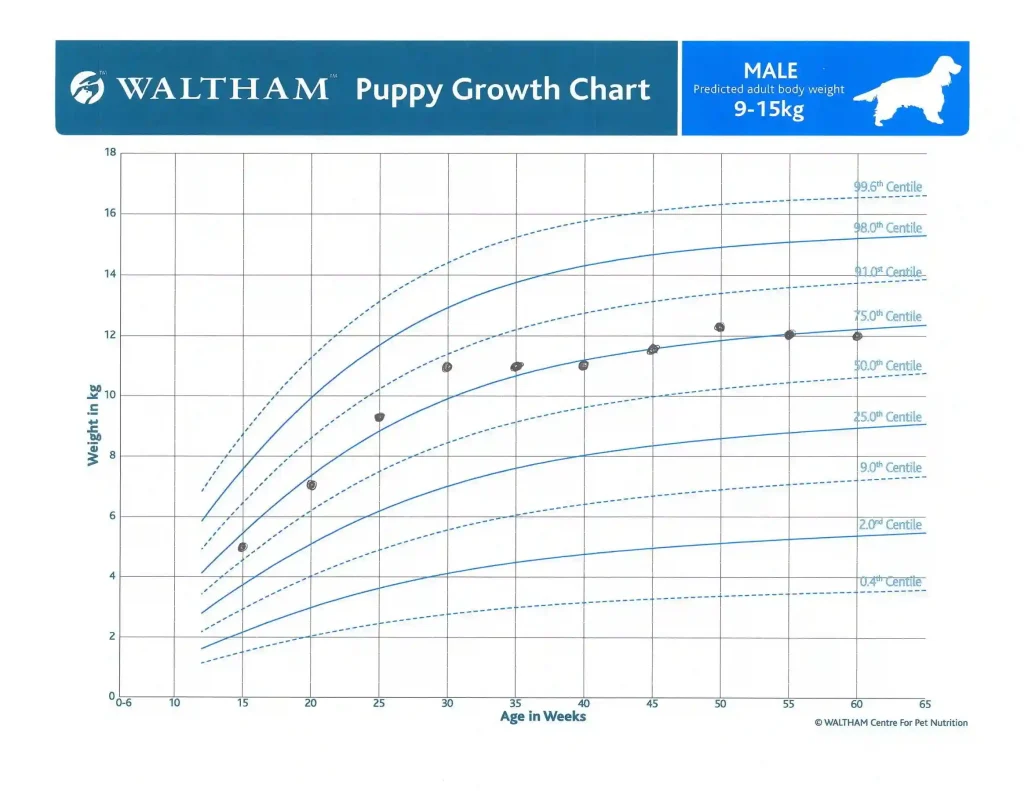
Q: When does a pet stop growing? A: Growth varies by species and breed. Most cats reach adult size by 12 months. Small dog breeds often finish by 9–12 months; large and giant breeds may continue growing until 18–24 months.
Q: How often should I weigh my growing pet? A: Weekly for neonates and young juveniles; monthly for adolescents; quarterly for adults unless weight issues arise.
Q: When should I spay or neuter my pet? A: Timing depends on breed, size, and health. Discuss options with your veterinarian to balance behavioral and orthopedic considerations.
Q: How do I know if my pet is underfed or overfed? A: Use body condition scoring and regular weight checks. Your vet can provide target weights and feeding plans.
Q: Can I socialize my pet after the socialization window? A: Yes. Socialization is easier during the early window but can continue later with patience and positive reinforcement.
Q: What signs indicate a senior pet needs veterinary attention? A: Changes in appetite, weight loss, increased thirst, mobility decline, or altered behavior warrant prompt evaluation.
Q: Are supplements necessary during growth? A: Most balanced growth diets provide required nutrients. Supplements should only be used under veterinary guidance.
Q: How do I prevent behavior problems during adolescence? A: Maintain consistent rules, increase training, and provide mental and physical outlets for energy.
15. Conclusion and next steps
Understanding pet growth as a sequence of predictable stages gives owners the power to act at the right time. Early socialization, stage‑appropriate nutrition, consistent training, and regular veterinary care are the pillars of a long, healthy life. Start by mapping your pet’s current stage, schedule the recommended vet checks, and create a simple feeding and training plan tailored to breed and size. Small, timely actions now prevent big problems later.
Next action: Create a personalized stage plan for your pet. Note age, breed, and current weight, then book the next vet visit and set a weekly weight check reminder.
Final Practical Checklist
- Maintain a single, up‑to‑date health record for your pet.
- Weigh and body condition score regularly and chart results.
- Follow a vet‑recommended vaccination and parasite prevention schedule.
- Start dental care early and schedule professional cleanings as needed.
- Socialize in short, positive sessions during the critical window and continue exposure throughout life.
- Use positive reinforcement for training and consult a behaviorist for persistent issues.
- Prepare an emergency kit and know the nearest 24/7 clinic.
- Budget for routine and unexpected care and evaluate insurance options.
- Keep grooming and skin checks part of your weekly routine.
- Plan for senior care and discuss quality of life metrics with your vet.