Dog Skin Infection: 10 Essential Causes, Symptoms & Treatment Tips
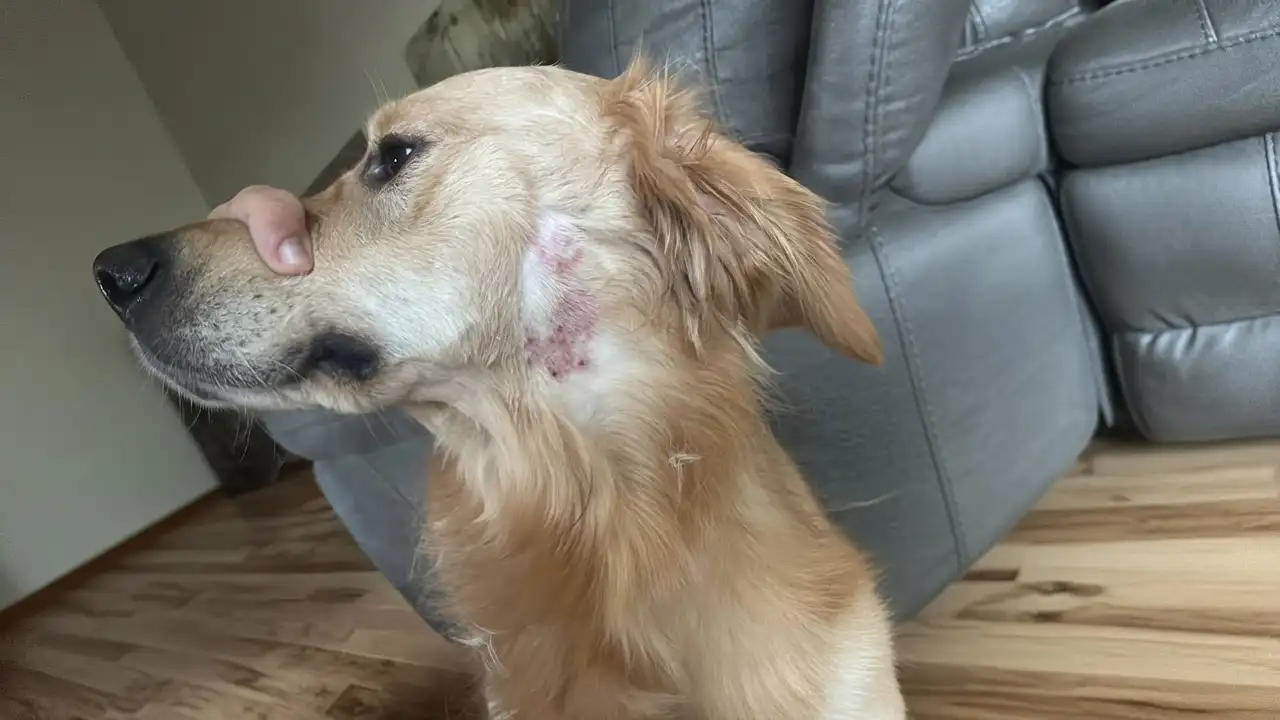
Table of Contents
Dog skin infection is a common and often distressing ailment that can affect canines of all breeds, ages, and sizes. While some skin issues might appear minor, they can quickly escalate without proper attention, leading to significant discomfort, pain, and even more serious systemic conditions for your beloved pet. Understanding the nuances of these infections, including their diverse causes, recognizable symptoms, and effective treatment strategies, is crucial for every responsible dog owner. The skin, being the largest organ, serves as a vital protective barrier, and its health is often a direct indicator of a dog’s overall well-being.
Understanding Dog Skin Infection: What Is It?
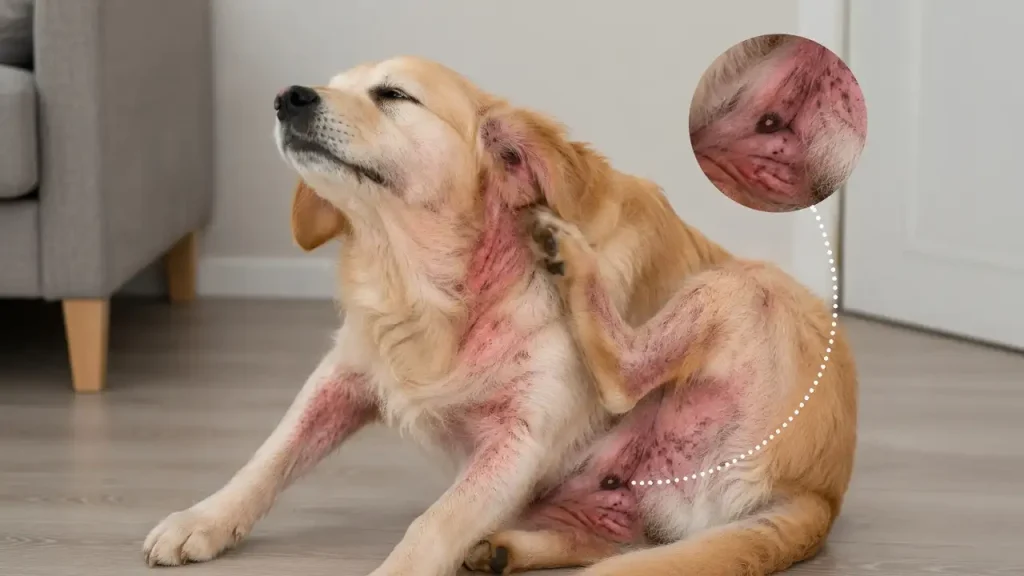
A dog skin infection refers to a condition where infectious organisms, such as bacteria, fungi, or parasites, invade and proliferate on or within the skin. These infections can manifest in various ways, affecting any area of the skin, including the ears, nose, hair, and nails. Many skin infections develop as a secondary issue, often triggered by underlying problems like allergies, external parasites, or skin irritation. While some infections may be mild and localized, others can become widespread, painful, and chronic if left untreated. Early detection and intervention are key to managing these conditions effectively and preventing complications.
Common Causes of Dog Skin Infections
Skin infections in dogs are not always straightforward; they often stem from a complex interplay of factors, making accurate diagnosis by a veterinarian essential. Generally, these infections can be categorized into bacterial, fungal, parasitic, and those resulting from allergic reactions or underlying health issues. Understanding these common culprits can help pet owners be more vigilant.
Bacterial Infections (Pyoderma)
Bacterial infections, often referred to as pyoderma, are among the most common skin conditions in dogs. They are frequently caused by an overgrowth of bacteria, particularly Staphylococcus species, which normally reside on a dog’s skin. When a dog’s immune system is weakened, or the skin barrier is compromised due to other conditions, these bacteria can multiply uncontrollably, leading to infection.
- Causes: Triggers for pyoderma include allergies, skin folds (common in breeds like Bulldogs, Shar-Peis, and Pugs), open wounds or scrapes, and hormonal imbalances.
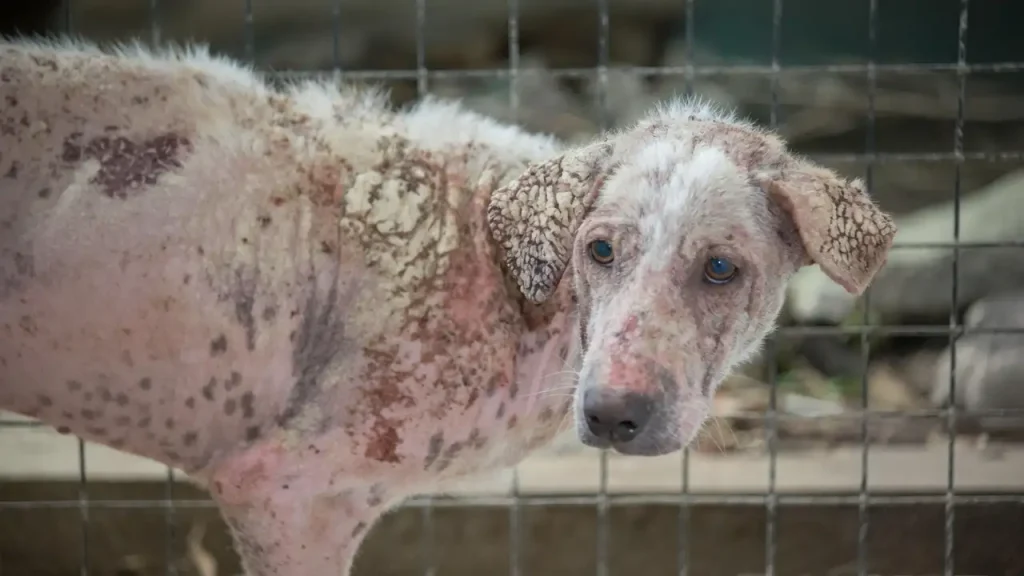
- Symptoms: Visible signs often include redness, small skin bumps (papules), pimples (pustules), crusting, scabs, hair loss, and itchiness. In severe cases, there might be excessive shedding, open wounds oozing with serum or pus, nodules, and blackheads.
Fungal Infections (Yeast and Ringworm)
Fungal infections thrive in warm, moist environments and can affect various parts of a dog’s body, including ears, paws, and skin folds. The two most common types are yeast infections and ringworm.
Yeast Infections (Malassezia Dermatitis):
Yeast dermatitis, also known as Malassezia dermatitis, is a very common cause of skin disease in dogs, caused by the fungus Malassezia pachydermatis. This yeast is a natural inhabitant of a dog’s skin, ears, and mucocutaneous areas, but an abnormal overgrowth can lead to infection.
- Causes: Overgrowth can be triggered by factors that alter the skin’s environment or compromise the immune system, such as allergies, hormonal imbalances, excessive moisture, certain medications, or an increase in skin oils.
- Symptoms: Common signs include intense itchiness, redness, a greasy or thickened skin texture (often described as “elephant skin”), flaky, crusty, or scaly skin, a distinct musty odor, and hyperpigmentation (darkly pigmented skin). Recurrent or chronic ear infections (otitis externa) are also frequently associated with yeast overgrowth.
Ringworm (Dermatophytosis):
Despite its misleading name, ringworm is a fungal infection, not a worm. It’s caused by a group of fungi called dermatophytes (commonly Microsporum canis, Microsporum gypseum, and Trichophyton mentagrophytes) that infect the skin, hair, and claws.
- Causes: Ringworm is highly contagious and spreads through direct contact with an infected animal, person, or contaminated objects like bedding, grooming tools, or carpets. The fungal spores can survive for months in the environment.
- Symptoms: Characterized by circular or semi-circular patches of hair loss that may appear red, scaly, or crusty. The affected hair shafts are often fragile and break easily. While not always intensely itchy, some dogs may experience pruritus.
Parasitic Infections
External parasites can wreak havoc on a dog’s skin, often leading to intense itching, irritation, and secondary infections.
- Fleas, Ticks, and Mites: Fleas, ticks, and microscopic mites (such as those causing scabies and demodex mange) chew on and irritate the skin. Even a single flea bite can trigger a severe allergic reaction in sensitive dogs, known as flea allergy dermatitis. Mites can burrow into the skin, causing severe itching, hair loss, and skin infection.
- Symptoms: Include persistent scratching, licking, or chewing, red bumps, hair loss, scabs, and visible parasites. Mange, caused by mites, can lead to extreme itching, widespread hair loss, and thickened skin.
Allergies and Hot Spots
Allergies are a leading cause of skin inflammation and are frequently linked to secondary infections in dogs. When a dog experiences an allergic reaction, it often results in intense itching, leading to scratching, licking, and chewing that can damage the skin barrier and introduce infection.
- Types of Allergies: These can include environmental allergies (atopic dermatitis, caused by pollen, dust mites, mold), food allergies (often to proteins like beef, chicken, or dairy), and flea allergies.
- Hot Spots (Acute Moist Dermatitis): Hot spots are rapidly developing, red, moist, irritated, and often painful patches of skin. They are typically caused by a dog’s incessant scratching, licking, or biting at an area due to underlying itchiness, discomfort, or pain. Common triggers include allergies, insect bites, ear infections, or even excessive moisture trapped in the coat. The moist, inflamed area creates an ideal environment for secondary bacterial infections.
Hormonal and Immune-Related Issues
Underlying health conditions, such as hormonal imbalances (e.g., hypothyroidism, Cushing’s disease) or autoimmune diseases, can also predispose dogs to skin problems and infections. These conditions can alter the skin’s texture, resilience, and immune response, making it more vulnerable to opportunistic pathogens.
Recognizing the Symptoms: How to Spot a Skin Infection
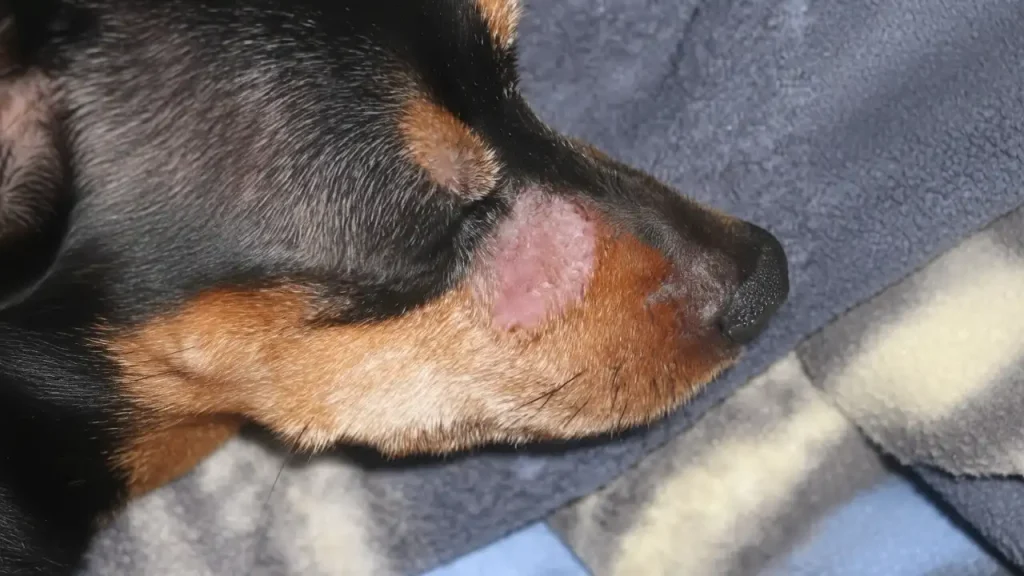
Being attuned to your dog’s behavior and physical changes is crucial for early detection of skin infections. Symptoms can range from visible skin alterations to behavioral cues.
Visible Symptoms:
- Redness or Inflammation: One of the most common signs of irritation and infection.
- Itching (Pruritus): Persistent scratching, licking, or chewing at specific areas is a primary indicator.
- Hair Loss (Alopecia): Patches of thinning fur or bald spots can be observed.
- Scabs, Flaking, or Crusting: These are common, especially with bacterial or fungal infections.
- Pustules or Pimples: Small, pus-filled lesions often indicate bacterial pyoderma.
- Greasy or Oily Skin: Can be a sign of yeast infections or seborrhea.
- Unusual Odor: A musty or foul smell emanating from the skin or ears is characteristic of yeast or bacterial overgrowth.
- Thickened, Darkened Skin (Hyperpigmentation): Often seen in chronic cases, particularly with yeast infections, where the skin may also feel leathery (“elephant skin“).
- Sores or Lesions: Open wounds, raw areas, or ulcerations, which may be oozing.
- Ear Issues: Recurrent ear infections, redness, discharge, or excessive scratching of the ears can indicate a broader skin problem or localized infection.
Behavioral Symptoms:
- Constant Scratching, Licking, or Chewing: An obvious sign of discomfort.
- Rubbing Against Furniture or Carpets: Dogs may try to relieve itching this way.
- Pain or Sensitivity: The Dog Skin Infection may yelp or react negatively when the affected area is touched.
- Lethargy or Appetite Loss: In severe cases, systemic symptoms can emerge.
Diagnosing Dog Skin Infections
Accurate diagnosis is the cornerstone of effective treatment for dog skin infections. A veterinarian will typically employ a combination of physical examination and laboratory testing to pinpoint the exact cause.
- Physical Examination: The vet will thoroughly examine your Dog Skin Infection, fur, and ears, noting any visible lesions, odors, or areas of discomfort. They will also inquire about your dog’s medical history and current symptoms.
- Skin Cytology: Involves taking a tape impression or swab of skin cells and examining them under a microscope to detect bacteria, yeast, or abnormal cells.
- Skin Scraping: A small sample of skin is collected by gently scraping the affected area to check for mites or fungal spores. This is crucial for diagnosing parasitic infections like mange.
- Fungal Cultures: Hairs and scrapings from affected areas are cultured to identify specific fungi, particularly for diagnosing ringworm, which is considered the most accurate method.
- Bacterial Cultures and Sensitivity Testing: In cases of recurrent or resistant bacterial infections, a bacterial culture may be performed to identify the specific type of bacteria and determine which antibiotics will be most effective.
- Blood Tests and Hormone Panels: These can screen for underlying health conditions such as thyroid disease or Cushing’s disease, which might predispose a Dog Skin Infection.
- Allergy Testing: If allergies are suspected as an underlying cause, tests such as blood allergy testing or intradermal skin testing may be recommended to identify environmental or food allergens.
Treatment Options for Dog Skin Infections
The treatment for a dog’s skin infection is highly dependent on the identified cause, location, and severity of the condition, as well as the dog’s overall health. It often involves a multi-modal approach combining topical and systemic therapies.
| Type of Infection | Common Treatments | Details and Considerations |
|---|---|---|
| Bacterial Infections (Pyoderma) | Oral Antibiotics, Medicated Shampoos, Topical Ointments | Oral antibiotics (e.g., cephalexin, erythromycin, clindamycin, enrofloxacin) are often prescribed for 4 to 12 weeks, depending on severity. Medicated shampoos containing chlorhexidine or benzoyl peroxide help clean the skin, remove crusts, and reduce bacterial load. Topical ointments or sprays may also be used. |
| Fungal Infections (Yeast Dermatitis) | Oral Antifungals, Medicated Shampoos, Topical Antifungal Creams | For severe or chronic cases, oral antifungal medications such as ketoconazole, itraconazole, fluconazole, or terbinafine are often necessary and may be given for several months. Medicated shampoos with chlorhexidine, miconazole, or ketoconazole are vital, often requiring a 10-minute contact time for effectiveness. Topical ointments can be used for localized infections. |
| Fungal Infections (Ringworm) | Oral Antifungals, Topical Therapy (Shampoos, Dips), Environmental Decontamination | Treatment often combines oral antifungals with topical applications (medicated shampoos, dips, or creams). Environmental decontamination is crucial to prevent re-infection and spread, as spores can survive for months. Clipping hair around lesions may also be recommended. |
| Parasitic Infections (Fleas, Mites) | Anti-parasitic Medications, Environmental Treatment | Year-round flea, tick, and mite prevention is essential. This includes topical or oral medications that kill parasites on the Dog Skin Infection . Environmental treatments (e.g., sprays, foggers) may be needed to eradicate parasites from the home. |
| Allergies & Hot Spots | Addressing Underlying Allergies, Anti-inflammatory Medications, Topical Treatments | Identifying and managing the primary cause of allergies (e.g., hypoallergenic diets for food allergies, immunotherapy for environmental allergies, strict flea control for flea allergy dermatitis) is paramount. Hot spots are treated by cleaning, sometimes clipping hair around the lesion, and applying topical creams or sprays. Oral corticosteroids or antihistamines may be prescribed to reduce itching and inflammation. Antibiotics might be needed for secondary bacterial infections. |
It is crucial to administer all medications as prescribed by your veterinarian and complete the entire course of treatment, even if your dog’s symptoms improve rapidly. Prematurely stopping treatment can lead to recurrence or the development of antibiotic resistance. Your veterinarian may also recommend additional diagnostic tests, such as bloodwork or a skin biopsy, to determine and address any underlying causes of the infection. For more comprehensive information on veterinary dermatology and the array of skin conditions affecting dogs, the American College of Veterinary Dermatology offers valuable resources.
Preventing Dog Skin Infections
Prevention is always better than cure, and proactive measures can significantly reduce your Dog Skin Infection risk of developing skin infections. A holistic approach that addresses hygiene, nutrition, parasite control, and overall health is most effective.
- Regular Grooming: Consistent grooming, including regular brushing and bathing, is vital. Brushing helps remove dead hair, dirt, and allergens, stimulates blood circulation, and distributes natural oils. Regular baths with veterinarian-approved shampoos help remove irritants and allergens, though over-bathing should be avoided to prevent stripping natural oils. Pay special attention to cleaning and drying skin folds and ears, as these are prone to moisture and pathogen accumulation.
- Year-Round Parasite Control: Implement a consistent, year-round parasite prevention program to protect against fleas, ticks, and mites. Discuss appropriate products with your vet and ensure your home environment is also treated if an infestation occurs.
- Balanced Nutrition: A high-quality, balanced diet rich in essential fatty acids, particularly omega-3s, plays a crucial role in maintaining a healthy skin barrier and coat condition. Dietary changes may be recommended for Dog Skin Infection with food allergies.
- Environmental Control: Minimize exposure to known allergens (pollen, dust mites, mold) by regularly cleaning your home, using air purifiers, and wiping down your Dog Skin Infection paws and coat after outdoor activities.
- Stress Reduction: Stress can sometimes exacerbate skin issues. Providing a stable, enriching environment and consistent routine can help reduce stress levels.
- Prompt Attention to Injuries: Address any cuts, scrapes, or minor skin irritations promptly to prevent secondary bacterial infections.
- Routine Veterinary Check-ups: Regular wellness exams allow your veterinarian to identify and address underlying health concerns early, manage chronic conditions like allergies effectively, and keep your Dog Skin Infection up-to-date on vaccinations.
When to See a Veterinarian
While some mild irritations might resolve with careful home care, it’s always best to consult your veterinarian if you notice any persistent or concerning skin symptoms. Early intervention can prevent minor issues from escalating into severe, painful, and more complicated infections.
You should contact your veterinarian immediately if your Dog Skin Infection exhibits any of the following:
- Symptoms that persist beyond a few days or worsen.
- Severe itching leading to bleeding or self-harm.
- Open wounds, pus-filled sores, or excessive oozing.
- Sudden facial swelling or hives, which could indicate a severe allergic reaction.
- Widespread hair loss.
- Signs of systemic illness, such as lethargy, fever, or loss of appetite.
- Skin lesions that are growing, changing shape, or becoming crusty.
- An unusual or foul odor coming from the skin or ears.
Conclusion
Dog skin infections are a common but manageable challenge for pet owners. From bacterial pyoderma and fungal yeast infections to parasitic infestations and allergy-induced hot spots, the causes are varied, making accurate diagnosis by a veterinarian indispensable. Recognizing the subtle and overt symptoms—such as persistent itching, redness, hair loss, and unusual odors—is the first critical step towards ensuring your Dog Skin Infection comfort and health. Prompt veterinary consultation, followed by a tailored treatment plan often involving medications, medicated topical therapies, and addressing underlying conditions, is essential for resolution. Furthermore, a commitment to preventive care through regular grooming, robust parasite control, a balanced diet, and routine check-ups forms the most effective defense against these often-recurrent issues. By staying vigilant and working closely with your veterinarian, you can help your Dog Skin Infection maintain healthy skin and enjoy a happy, itch-free life.